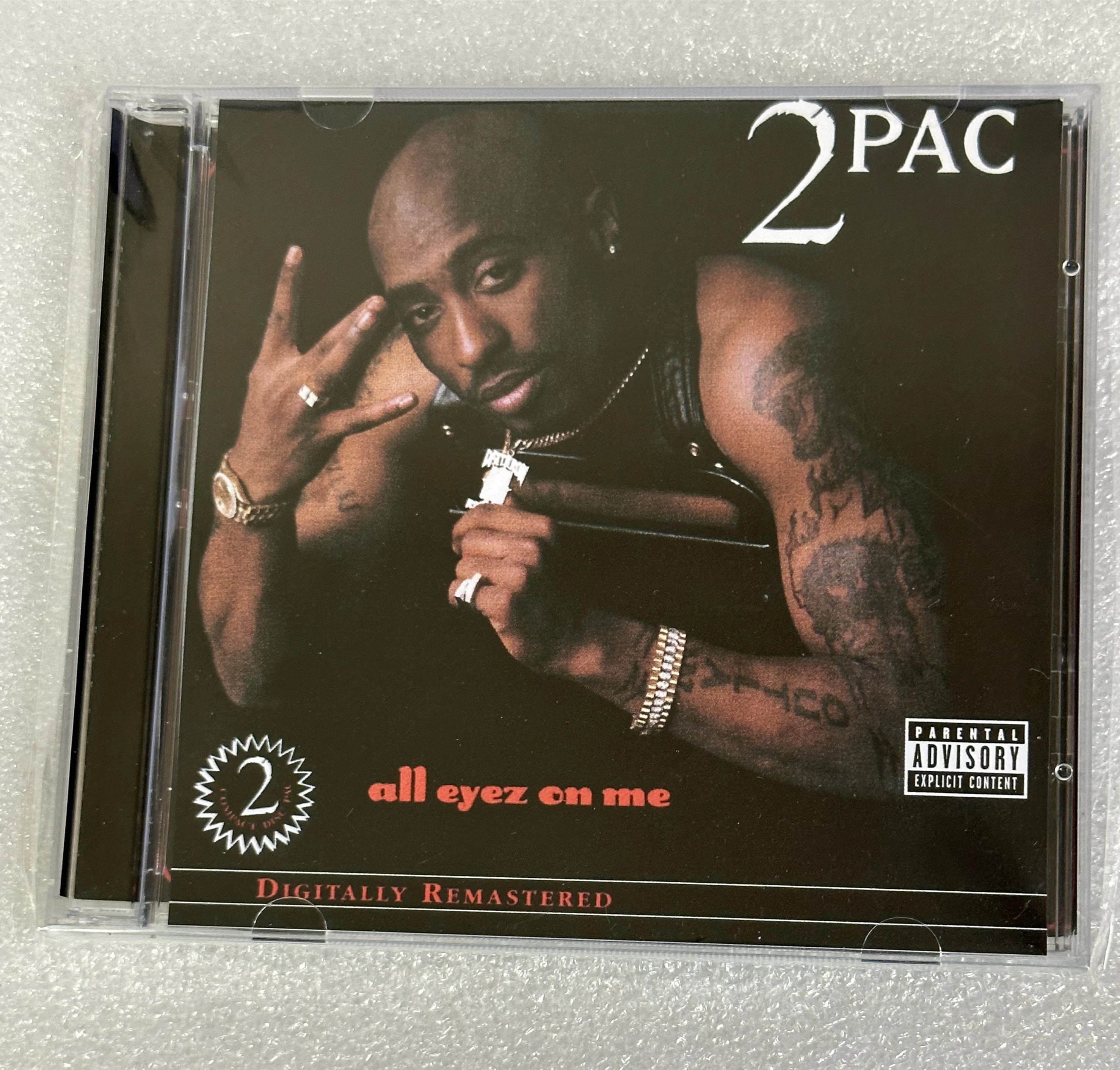
As of 2026, the estate of Tupac Shakur (2Pac) is valued at an estimated $40 million to $50 million, though its total generated revenue since 1996 exceeds $500 million. This financial legacy is driven by consistent streaming growth, high-value documentary licensing, and the strategic management of a vast archive of unreleased recordings and personal artifacts.
The Financial Paradox: Net Worth at the Time of Death
To understand the financial magnitude of the 2Pac brand in 2026, one must first examine the stark reality of his finances in September 1996. Despite being the biggest rapper in the world at the time, Tupac Shakur’s technical net worth at his death was surprisingly low—and by some accounting measures, negative.
Tupac’s financial situation was heavily dictated by his contract with Death Row Records. After Suge Knight posted a $1.4 million bail to release Tupac from Clinton Correctional Facility in 1995, the rapper was entered into a three-album deal. However, the accounting practices at Death Row were notoriously opaque. While Tupac lived a lavish lifestyle, the label technically "advanced" him the money for cars, houses, and recording sessions, recording these as debts against his future royalties.
At the time of his passing, the estate was reportedly facing a debt of approximately $4.9 million to Death Row Records. He owned very few liquid assets; his primary value was tied up in his intellectual property—master recordings that were still under the control of a label in legal turmoil. This "broke superstar" narrative highlights the importance of the legal battles that followed, which eventually liberated his catalog and allowed his net worth to skyrocket posthumously.
The Amaru Era: How Afeni Shakur Secured the Legacy
The transformation of 2Pac from a debt-ridden artist to a global financial powerhouse was orchestrated by his mother, Afeni Shakur. Following his death, she founded Amaru Entertainment to manage his unreleased work and successfully sued Death Row Records to regain control of his master recordings.
Afeni’s management strategy was twofold: preservation and proliferation. Under her guidance, the estate released a string of posthumous albums, including R U Still Down? (Remember Me) and the diamond-certified Greatest Hits. These releases were not merely "cash grabs" but strategic moves to ensure Tupac remained at the forefront of the cultural conversation during the transition from physical media to the digital age.
By the early 2000s, Tupac consistently appeared on the Forbes "Top-Earning Dead Celebrities" list, often earning between $10 million and $15 million annually. This period established the baseline for the estate’s long-term wealth, proving that the demand for his voice was cross-generational.
Current Valuation: Tupac Shakur’s Net Worth in 2026
In 2026, the financial health of the Shakur estate is more robust than ever, benefiting from the "streaming era" tailwinds and the maturation of his brand. While the liquid cash held by the estate fluctuates based on reinvestment and legal fees, the total valuation of his intellectual property and brand rights remains a high-eight-figure sum.
Primary Revenue Streams in 2026
- Digital Streaming Royalties: Tupac remains one of the most-streamed artists of the 1990s. With over 25 million monthly listeners on platforms like Spotify, the estate generates significant passive income. In the current market, 1 billion streams can equate to roughly $3 million to $5 million in royalties; Tupac’s catalog comfortably exceeds these metrics annually across all global platforms.
- Licensing and Sync Rights: The use of songs like "California Love," "Ambitionz Az a Ridah," and "Changes" in films, commercials, and video games provides a steady stream of "sync" fees. As 90s nostalgia remains a dominant marketing force in 2026, these licenses command premium pricing.
- Documentaries and Multimedia: The 2023 documentary series Dear Mama renewed global interest in his life, leading to new licensing deals for his poetry, letters, and likeness. In 2026, the estate continues to profit from the "Wake Me When I'm Free" museum exhibit, which transitioned from a physical touring show to a high-revenue digital and VR experience.
- Apparel and Merchandising: Through partnerships with high-end fashion houses and mass-market retailers, 2Pac’s image remains a staple in global fashion. The "aesthetic" of 2Pac is now a distinct revenue category separate from his music.
| Revenue Category | Estimated Annual Yield (2026) | Primary Driver |
|---|---|---|
| Streaming | $7M - $10M | Global catalog consumption (Spotify/Apple Music) |
| Merchandising | $3M - $5M | Global retail partnerships and e-commerce |
| Licensing/Sync | $2M - $4M | Film, TV, and advertising placements |
| Exhibits/IP | $1.5M - $3M | "Wake Me When I'm Free" and biographical media |
| Total Estimated | $13.5M - $22M | Annual Gross Revenue |
Managing the Shakur Estate: Legal Control and Oversight
The management of 2Pac’s money has not been without controversy. Following Afeni Shakur’s death in 2016, the estate’s control passed to a trust. For several years, Sekyiwa Shakur (Tupac’s sister) was involved in legal disputes regarding the management of the estate by Tom Whalley, the former Interscope executive who originally signed Tupac.
By 2026, these legal structures have largely stabilized. The estate is managed with a focus on "heritage brand" status, similar to the estates of Bob Marley or Elvis Presley. This involves rigorous protection against unauthorized use of his likeness and a selective approach to brand collaborations. The focus has shifted from releasing "new" music—as the archive of high-quality unreleased vocals has diminished—to curated "anniversary" editions and high-fidelity remasters that appeal to audiophiles and new listeners alike.
The Cultural vs. Financial Impact of the 2Pac Brand
The "money" behind 2Pac is intrinsically linked to his cultural capital. Unlike many artists whose value fades after their death, Tupac’s financial legacy is bolstered by his status as a martyr and a philosopher of the "thug life" movement. This creates a "scarcity value" for original artifacts.
In recent years, the auction market for Tupac’s personal items has reached unprecedented heights. In 2023, a gold and ruby ring designed by Tupac and worn during his last public appearance sold for over $1 million at Sotheby’s. In 2026, personal letters, handwritten lyrics, and original paintings by the artist are considered "blue-chip" alternative investments, often outperforming traditional stocks in terms of percentage growth. This "relic economy" adds a layer of valuation to the estate that is not captured by simple royalty checks.
Strategies for Protecting a Musical Legacy
The Shakur estate serves as a blueprint for how to manage the finances of a deceased artist in the 21st century. Their strategy provides several lessons for estate planning and intellectual property management:
- Regaining Control of Masters: The most critical financial move the estate ever made was the legal fight to own the original recordings. Owning the "source" is the difference between a small royalty check and total financial autonomy.
- Diversification of Assets: The estate moved beyond music into film, literature, and fashion. This ensures that if streaming rates drop, the brand remains solvent through physical goods and licensing.
- Careful Use of Technology: From the 2012 Coachella hologram to modern AI-assisted remastering, the estate has used technology to keep Tupac "present" without over-saturating the market or damaging the artist’s integrity.
- Legal Vigilance: The estate aggressively pursues copyright infringements, ensuring that the 2Pac brand is not diluted by low-quality bootlegs or unauthorized commercial ventures.
Who inherited Tupac's money?
Initially, his mother, Afeni Shakur, inherited his entire estate as his sole heir. Following her death in 2016, the assets were placed into a trust. While his sister, Sekyiwa Shakur, and other family members benefit from the estate, it is overseen by professional executors to ensure long-term financial viability and the funding of the Tupac Amaru Shakur Foundation.
How much money did Tupac have when he died?
Tupac had very little liquid cash and lived largely on advances from Death Row Records. His estate was initially valued at less than $200,000 in liquid assets and was burdened by nearly $5 million in debt to his record label. It took several years of posthumous sales and legal settlements to clear this debt and make the estate profitable.
How many posthumous albums has 2Pac released?
As of 2026, there are seven official posthumous studio albums, along with several live albums and numerous compilations. The most successful was The Don Killuminati: The 7 Day Theory (released shortly after his death) and Until the End of Time, which both significantly boosted the estate's value in the late 90s and early 2000s.
Does the estate still have unreleased music?
While the "vault" of completely unheard verses has largely been exhausted, the estate still holds various alternative takes, demos, and studio sessions. In 2026, the financial focus has shifted from "new" albums to "deluxe" re-releases and high-quality remixes that utilize these archival fragments.
What is the 2Pac "Hologram" worth?
The technology behind the 2012 Coachella hologram performance represented a massive spike in the estate's valuation. While the physical hologram itself isn't a "liquid asset," the rights to use 2Pac's digital likeness for such performances are valued in the millions, providing a template for modern "digital resurrection" in the music industry.
Next Actions for Fans and Investors
For those looking to engage with the 2Pac legacy in 2026, the focus should be on official channels to ensure the preservation of his work. Supporting the Tupac Amaru Shakur Foundation is the most direct way to honor his philanthropic goals. Investors interested in the "relic economy" should only use reputable auction houses like Sotheby’s or Christie’s, as the market for Tupac memorabilia is unfortunately prone to high-quality forgeries. Finally, for those studying music business, the Shakur estate remains a primary case study in the transition from debt-burdened artist to legendary financial institution.