The year 2025 stood as a definitive turning point for the global music industry, characterized by the normalization of Generative AI in creative workflows, the resurgence of "event-level" rock reunions, and a fundamental restructuring of streaming economics. While the previous years laid the groundwork for technological disruption, 2025 was the year these innovations matured, forcing legacy institutions and independent artists alike to adapt to a landscape where the line between human and machine-generated content became increasingly blurred.
From a cultural perspective, 2025 saw the "hyper-fragmentation" of genres reach its peak. Listeners moved away from monolithic "Top 40" charts toward highly personalized, algorithmically driven micro-communities. This shift empowered a new tier of mid-level artists who, despite lacking traditional radio play, commanded massive, loyal audiences through direct-to-consumer platforms and immersive digital experiences. As we look back from 2026, the events of 2025 serve as the blueprint for the current state of music production, distribution, and consumption.
The Technological Watershed: Generative AI and Creative Ownership
The most significant development in 2025 music was the integration of Generative Artificial Intelligence (GenAI) into every facet of the industry. Following the explosive growth of tools like Suno, Udio, and Google’s MusicLM in 2024, the industry spent 2025 navigating the legal and ethical ramifications of these technologies.
AI as a Collaborative Partner
Rather than replacing artists, 2025 saw the emergence of the "AI-augmented" creator. Leading DAWs (Digital Audio Workstations) integrated high-fidelity stem separation and generative MIDI tools as standard features. Producers began using AI to iterate on complex arrangements or to "hallucinate" vocal harmonies that they would later re-record or refine. This democratized high-level production, allowing bedroom producers to achieve a "studio-grade" sound that was previously reserved for those with million-dollar budgets.
The Legal Battle for "Human-Centric" Music
2025 was also the year of the "Great Copyright Settlement." Following high-profile lawsuits from major labels against AI startups, several landmark agreements were reached. These settlements established a licensing framework where AI companies paid royalties into a "Creator Fund" in exchange for using copyrighted catalogs as training data. The "ELVIS Act" in Tennessee, which protected an artist's voice and likeness from unauthorized AI cloning, became a template for federal legislation in the United States and similar protections in the European Union. These legal safeguards were essential in ensuring that "human-made" remained a premium brand in the digital marketplace.
The Return of the Mega-Tour: Live Music in 2025
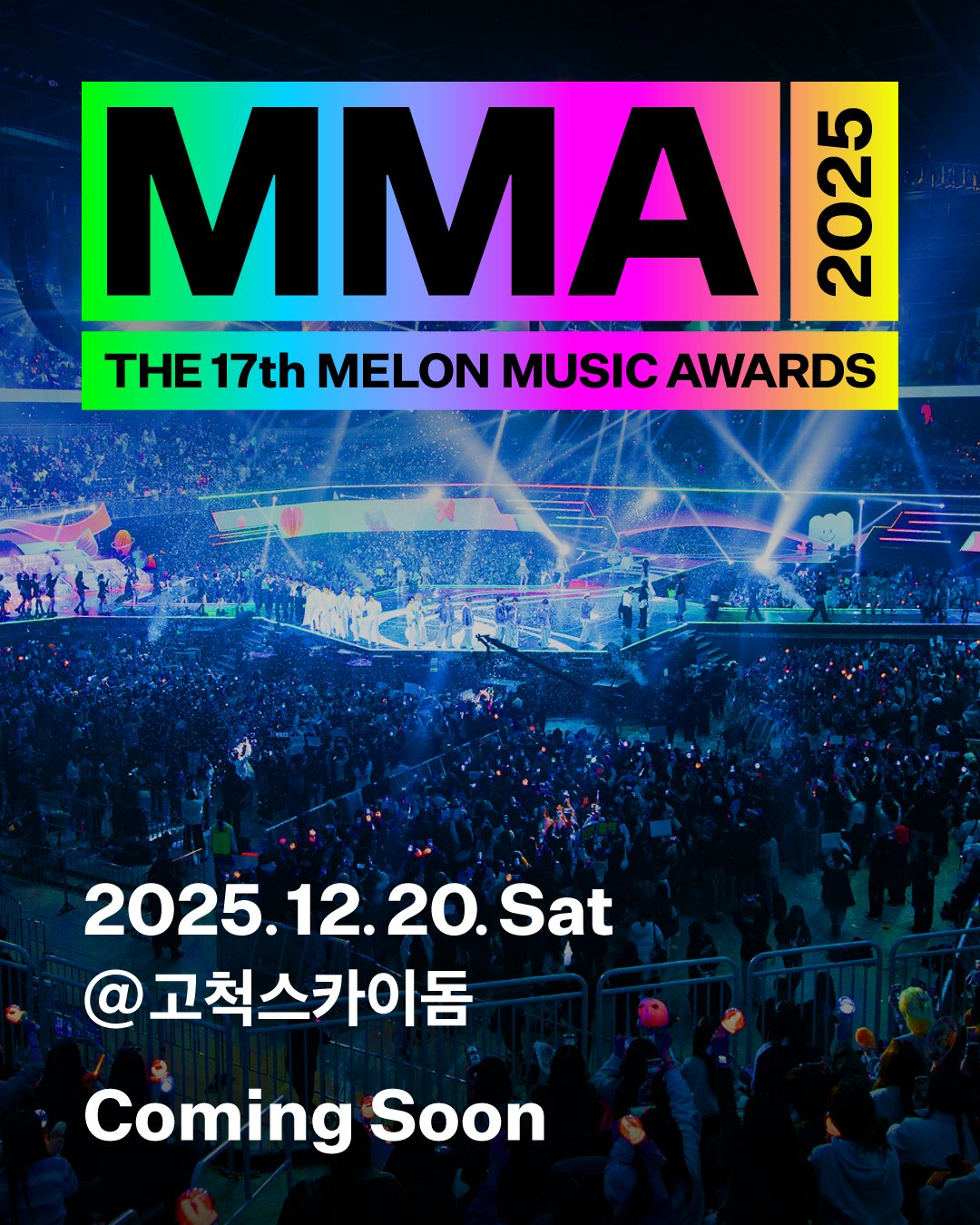
While digital consumption thrived, the appetite for live, physical experiences reached an all-time high in 2025. The "experience economy" continued to dominate consumer spending, with fans prioritizing stadium tours and multi-day festivals over almost any other form of entertainment.
The Oasis Reunion and the Nostalgia Boom
The most talked-about live event of 2025 was undoubtedly the Oasis "Live '25" reunion tour. After fifteen years of public estrangement between the Gallagher brothers, the tour broke box office records across the UK and North America. The success of this reunion signaled a broader trend: the "Nostalgia Industrial Complex." Fans who grew up in the 90s and 2000s, now possessing significant disposable income, drove ticket prices to historic highs, fueling a secondary market boom that once again put ticketing giants under regulatory scrutiny.
Technological Integration in Live Performances
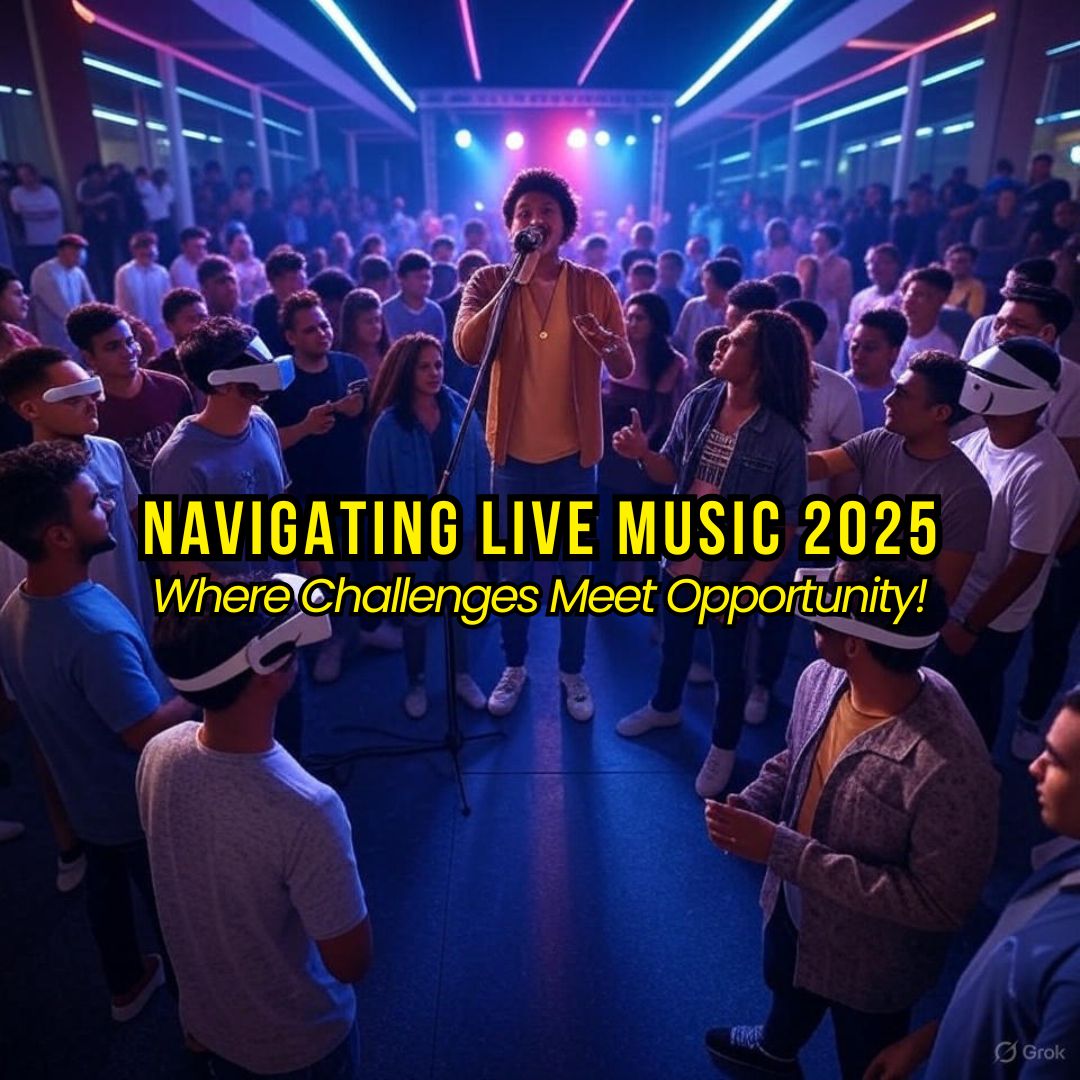
Beyond nostalgia, 2025 saw the widespread adoption of "extended reality" (XR) in live settings. Major artists like Coldplay and Billie Eilish incorporated synchronized AR visuals that fans could view through their smartphones or dedicated glasses, turning standard arenas into immersive digital environments. Furthermore, the use of facial recognition for entry and biometrics for "contactless" concessions became standard at major venues, improving logistics while sparking ongoing privacy debates.
Streaming Economics and the Pivot to "Artist Equity"
By 2025, the traditional streaming model faced an existential crisis. With over 120,000 songs being uploaded to platforms like Spotify and Apple Music every day, "discovery" became the industry's biggest hurdle.
The Rise of Tiered Subscription Models
In 2025, streaming platforms transitioned from a one-size-fits-all pricing model to more complex, value-added tiers. Spotify and Tidal led the charge by introducing "Superfan" tiers, which included high-fidelity audio, early access to tickets, and exclusive digital merchandise for a premium monthly fee. This was a direct response to the "penny-per-stream" criticism, allowing artists to extract more value from their most dedicated listeners rather than relying solely on high-volume, low-margin play counts.
The Decline of the Global Chart
The concept of a "Global Number One" became increasingly rare in 2025. The charts were dominated by regional powerhouses, particularly from the Global South. Afrobeats, Regional Mexican music, and K-Pop sub-genres continued to expand their market share, no longer relegated to "World Music" categories but competing directly on the Billboard Hot 100. This decentralization meant that a song could be a massive hit in Lagos, London, and Mexico City simultaneously without ever achieving significant traction in the traditional US radio market.
2025 Industry Comparison: Top Grossing Tours and Streaming Trends
To understand the scale of the 2025 music economy, it is helpful to look at the performance of the year's biggest movers. The following table highlights the disparity between traditional superstars and the new wave of "viral" legends.
| Artist / Tour | Primary Genre | Est. 2025 Gross (USD) | Key Driver of Success |
|---|---|---|---|
| Oasis (Live '25) | Britpop / Rock | $400M+ | 15-year reunion hype and dynamic pricing. |
| Sabrina Carpenter | Pop | $180M | Solidification as a global A-list pop star. |
| Linkin Park (From Zero) | Alt-Rock | $150M | Successful reboot with new vocalist Emily Armstrong. |
| Coldplay (Music of the Spheres) | Pop-Rock | $250M | Ongoing sustainability-focused global stadium run. |
| Chappell Roan | Indie-Pop | $90M | Grassroots "cult-to-mainstream" festival dominance. |
| Bad Bunny | Reggaeton / Trap | $220M | Continued dominance in the Latin and US markets. |
Data based on industry reporting from Billboard and Pollstar through the 2025 fiscal year.
The Vinyl Resurgence and Physical Media
Contrary to expectations that digital dominance would kill physical formats, 2025 marked the 18th consecutive year of growth for vinyl records. However, the nature of the "physical fan" changed. Vinyl in 2025 was less about the medium of playback and more about "tactile ownership" and collectability.
Limited Editions and Variants
Artists began releasing dozens of "color variants" and "limited-edition pressings" to incentivize multiple purchases from the same fan base. This strategy, while controversial among environmental groups due to the carbon footprint of PVC production, became essential for artists looking to secure high chart positions. The "Physical-First" release strategy—where an album is available on vinyl or CD a week before hitting streaming—also saw a resurgence as a way to combat the "leak" culture and maximize opening-week revenue.
The Return of the Compact Disc (CD)
Surprisingly, 2025 saw a minor but significant uptick in CD sales for the first time in nearly two decades. Driven by Gen Z's interest in early-2000s "Y2K" aesthetics and the low cost of used CD hardware, the format became a popular entry point for young collectors who found vinyl prices (averaging $35-$50) prohibitive.
Sound and Substance: 2025’s Aesthetic Trends
Musically, 2025 was a year of "maximalist production" and "genre-agnosticism." The clean, minimalist sounds of the early 2020s gave way to more complex, layered, and often chaotic compositions.
- Atmospheric and "Liminal" Pop: Artists like Billie Eilish and Lorde influenced a wave of pop that utilized heavy reverb, ASMR-style vocals, and non-traditional song structures.
- The "New Country" Explosion: Country music continued its crossover success, but with a twist. The 2025 sound incorporated heavy trap beats and synth-pop elements, moving far away from the "Nashville Sound" of the previous decade.
- Hardcore and Shoegaze Revival: Underground genres like 90s-style shoegaze and melodic hardcore saw a massive resurgence among younger audiences, fueled by "aesthetic" videos on social platforms that paired the distorted guitars with nostalgic visual filters.
FAQ: Understanding the 2025 Music Shift
How did AI change the way music was made in 2025?
AI became a standard tool for both independent and professional creators, used primarily for stem separation, automated mixing, and generating creative starting points. While controversial, the industry largely shifted toward a model of "human-in-the-loop," where AI tools assisted human creativity rather than replacing the artist's unique perspective or emotional intent.
Why did concert tickets become so expensive in 2025?
Ticket prices were driven by a combination of high production costs (logistics, fuel, and labor), the use of "dynamic pricing" algorithms, and an unprecedented demand for live experiences. Furthermore, the secondary resale market remained difficult to regulate, leading to significant markups on platforms like StubHub and Viagogo.
Is streaming still the dominant way to listen to music?
Yes, streaming accounted for over 85% of music industry revenue in 2025. However, the focus shifted from "passive" listening (automated playlists) to "active" fan engagement. Platforms began rewarding artists who could keep listeners on their pages longer, leading to longer albums and more frequent "deluxe" releases.
Did any new genres emerge in 2025?
While no entirely new genre was named, the year was defined by "Genre-Fluidity." The most successful songs of 2025 often blended elements of Latin Urban, K-Pop, and traditional Western Pop into a single track, making traditional genre classifications almost obsolete.
What happened to the "cancel culture" impact on artists in 2025?
By 2025, the impact of "cancel culture" had stabilized into a "segmented audience" reality. Artists who faced public controversy often lost their mainstream corporate sponsorships but maintained their core "fandom" through direct-to-consumer channels, showing that a loyal, smaller audience is more resilient than broad, shallow popularity.
Strategic Recommendations for the Post-2025 Era
As we navigate the landscape of 2026, artists and industry professionals should focus on "community-led" growth rather than "algorithm-led" growth. The saturation of the digital market means that being "discovered" by a stranger is less valuable than being "championed" by a dedicated niche.
Next Actions for Creators:
- Prioritize Intellectual Property (IP) Protection: Ensure all human-led works are clearly documented and registered to differentiate them from pure AI-generated content.
- Invest in Physical Media: Even for small artists, the high-margin nature of physical goods (vinyl, cassettes, or high-quality apparel) is essential for financial sustainability.
- Focus on Localized Touring: While stadium tours grabbed the headlines in 2025, the most sustainable career paths involved building strong, localized touring circuits in overlooked markets.
The music of 2025 proved that while technology can change the how of music, it cannot change the why. People still crave connection, authenticity, and the shared experience of a live performance—elements that remained the heartbeat of the industry throughout its most transformative year.