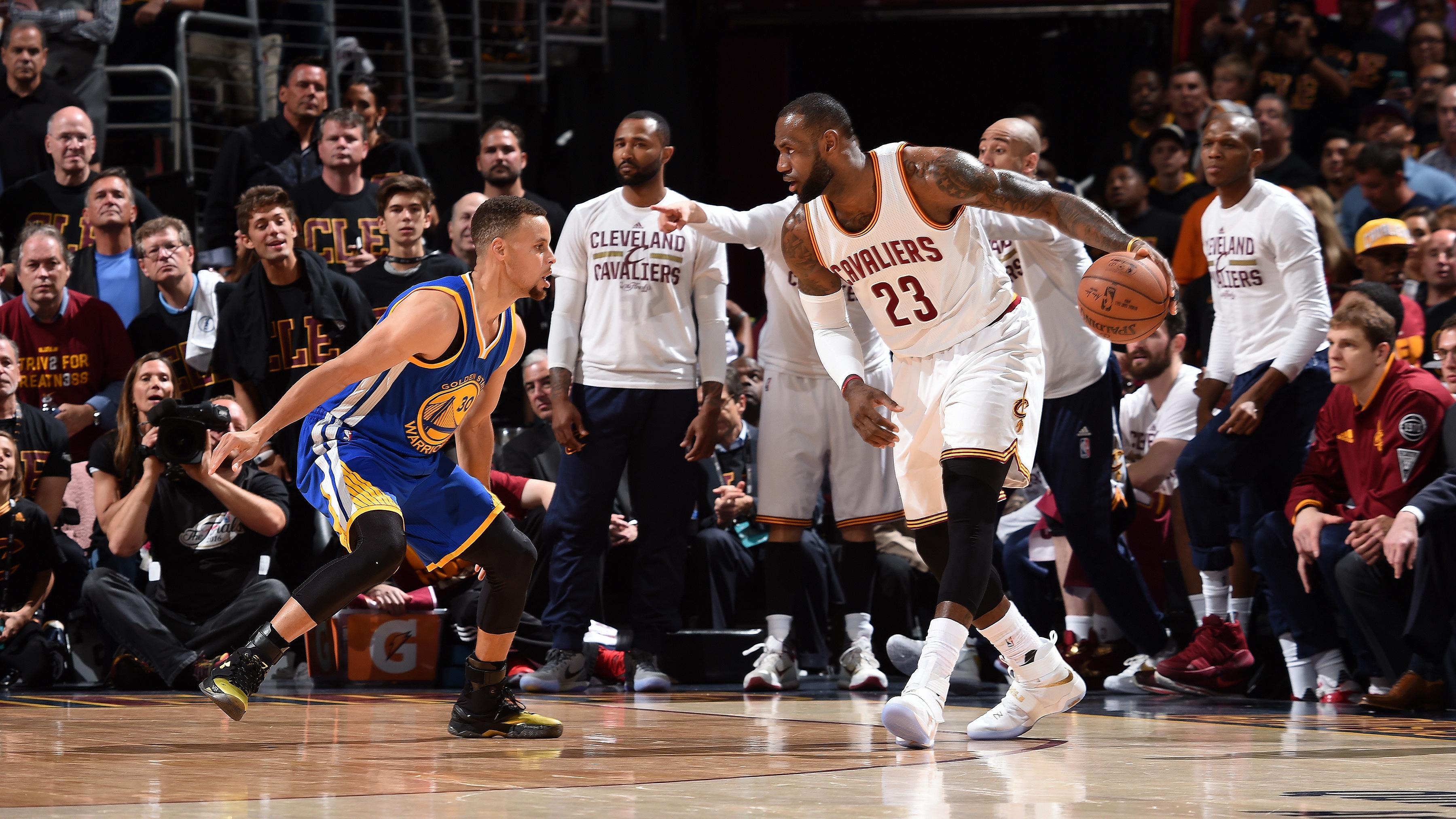
The 2015 NBA Finals marked a pivotal shift in professional basketball, as the Golden State Warriors defeated the Cleveland Cavaliers four games to two. This series, concluding on June 16, 2015, secured the Warriors' first championship in 40 years and signaled the definitive arrival of the "small ball" era that would dominate the league for the following decade.
While the term "2015 finals" can technically refer to various sporting events—such as the UEFA Champions League Final where Barcelona defeated Juventus or the AFL Grand Final—the primary global search intent almost exclusively targets the landmark NBA series between LeBron James and Stephen Curry. From our vantage point in 2026, this series remains one of the most analytically significant matchups in sports history, representing the collision between traditional superstar-heavy roster construction and modern, pace-and-space system basketball.
Historical Context and the Path to the Championship
The 2015 NBA Finals were framed by two distinct narratives: the return of the prodigal son and the rise of a new offensive revolution. LeBron James had returned to the Cleveland Cavaliers in the summer of 2014 after a four-year stint with the Miami Heat, promising to bring a championship to his home state. Conversely, the Golden State Warriors were led by first-year head coach Steve Kerr, who inherited a talented but unproven roster and transformed it into a 67-win juggernaut.
Cleveland’s path to the Finals was marred by significant roster attrition. Kevin Love, a crucial piece of the Cavaliers' "Big Three," suffered a dislocated shoulder in the first round against the Boston Celtics. Despite this, the Cavaliers dominated the Eastern Conference, losing only two games across three series. The Warriors navigated a tougher Western Conference, overcoming a physical Memphis Grizzlies team and a high-scoring Houston Rockets squad. Entering the Finals, the Warriors were the favorites due to their health and historically high net rating, while the Cavaliers relied heavily on LeBron James' ability to control the tempo.
Game-by-Game Tactical Breakdown
The series was a masterclass in coaching adjustments and physical endurance. To understand the outcome, one must look at the specific shifts that occurred between Game 1 and Game 6.
The Early Rounds: Cleveland’s Defensive Grit
Game 1 was a physical battle that went into overtime. The defining moment occurred when Cleveland’s star point guard, Kyrie Irving, suffered a fractured kneecap during the extra period. Despite the Warriors taking Game 1, the loss of Irving was expected to end the series quickly. Instead, LeBron James delivered two of the most impressive individual performances in Finals history in Games 2 and 3. By slowing the pace to a crawl and utilizing Matthew Dellavedova’s aggressive defense on Stephen Curry, Cleveland took a 2-1 series lead.
The Turning Point: The "Death Lineup"
Trailing 2-1 and facing a massive physical disadvantage against Cleveland’s Timofey Mozgov and Tristan Thompson, Steve Kerr made the most famous adjustment in modern Finals history. In Game 4, he moved Andre Iguodala into the starting lineup for center Andrew Bogut. This move, suggested by special assistant Nick U'Ren, birthed the "Death Lineup." By playing Draymond Green at center, the Warriors traded size for speed, forcing Cleveland’s big men out of the paint and creating defensive mismatches that the Cavaliers' depleted roster could not counter.
Closing the Series
The Warriors won Games 4, 5, and 6 by margins of 21, 13, and 8 points, respectively. The cumulative effect of the high-paced "small ball" offense exhausted a Cleveland rotation that was essentially playing only seven players. By the time the series returned to Cleveland for Game 6, the Warriors’ depth and three-point shooting (led by Curry and Klay Thompson) had effectively broken the Cavaliers' defensive shell.
Statistical Comparison and Series Leaders
The following table highlights the primary contributors from both teams. These figures illustrate the massive workload carried by LeBron James compared to the balanced attack of the Warriors.
| Player | Team | Points Per Game | Rebounds Per Game | Assists Per Game | Key Metric |
|---|---|---|---|---|---|
| LeBron James | CLE | 35.8 | 13.3 | 8.8 | 45.7 Minutes/Game |
| Stephen Curry | GSW | 26.0 | 5.2 | 6.3 | 38.5% 3PT |
| Andre Iguodala | GSW | 16.3 | 5.8 | 4.0 | +62 Plus/Minus |
| Timofey Mozgov | CLE | 14.0 | 7.5 | 1.0 | 1.5 Blocks/Game |
| Draymond Green | GSW | 13.0 | 8.3 | 5.0 | Game 6 Triple-Double |
The MVP Controversy: Iguodala vs. James
The 2015 Finals MVP award remains a point of intense debate among basketball purists. Andre Iguodala received the award, making him the first player to win Finals MVP without starting a single game during the regular season. The decision was based primarily on two factors:
- Defensive Impact: Iguodala was the primary defender on LeBron James. While James put up historic numbers, his efficiency plummeted when Iguodala was on the floor, shooting just 38.1% from the field for the series.
- Series Momentum: The Warriors were trailing until Iguodala was inserted into the starting lineup. His presence stabilized the offense and provided the veteran composure necessary to handle Cleveland’s physicality.
However, many analysts argue that LeBron James should have won the award in a losing effort. James led both teams in total points, rebounds, and assists—a feat never before accomplished in the NBA Finals. He received four of the eleven MVP votes, while Iguodala received seven. Stephen Curry, despite averaging 26 points and hitting several clutch shots, received zero votes, a fact that would be cited in sports debates for years to follow.
Strategic Evolution: The Rise of Small Ball
The 2015 Finals served as a proof-of-concept for the analytical movement in basketball. Before this series, the conventional wisdom held that "jump-shooting teams" could not win championships. The Warriors dismantled this myth by demonstrating that elite three-point shooting, combined with switchable defense and high-IQ passing, could negate the traditional advantages of size and post play.
The "Small Ball" revolution forced every other NBA franchise to rethink their roster construction. Teams began prioritizing "3-and-D" wings—players who could shoot from the perimeter and defend multiple positions—over traditional back-to-the-basket centers. This shift led to the "space and pace" era of the late 2010s, where the three-point attempt rate across the league skyrocketed. The Warriors' success in 2015 wasn't just about a single championship; it was about rewriting the mathematical blueprint for winning at the highest level.
Longevity and Historical Legacy
Looking back from 2026, the 2015 Finals is viewed as the "Big Bang" of the Warriors' dynasty. It was the first of six Finals appearances in eight years for the franchise. For the Cavaliers, it was the first of four consecutive matchups against Golden State, a rivalry that would eventually see Cleveland win their own title in 2016 in a historic 3-1 comeback.
The series also cemented the legacies of the individuals involved. For Stephen Curry, it was the validation of his first MVP season. For Steve Kerr, it was a legendary debut that proved a rookie coach could implement a radical system and succeed immediately. For LeBron James, despite the loss, the series is often cited as his "magnum opus" of individual carry-jobs, proving he could push a historically great team to six games essentially by himself.
Frequently Asked Questions
Why did Andre Iguodala win MVP over Stephen Curry?
The voters prioritized Iguodala’s defensive performance against LeBron James and the fact that the series swung in Golden State’s favor only after Iguodala was moved into the starting lineup. While Curry’s stats were superior, Iguodala’s impact on the series' "momentum" and "turning point" was more visible to the eleven media voters.
How did the injuries to Kyrie Irving and Kevin Love affect the outcome?
The injuries were catastrophic for Cleveland’s spacing. Without Irving and Love, the Cavaliers lacked secondary playmakers, allowing the Warriors to double-team LeBron James or pack the paint without fear of being punished by elite shooters. Most analysts believe a healthy Cavaliers squad would have had a significant chance to win the series.
What was the "Death Lineup" exactly?
The "Death Lineup" consisted of Stephen Curry, Klay Thompson, Harrison Barnes, Andre Iguodala, and Draymond Green. This configuration featured five players who could all pass, dribble, and shoot, and more importantly, four players (excluding Curry) who could switch defensive assignments seamlessly.
Who coached the Cleveland Cavaliers in 2015?
The Cavaliers were coached by David Blatt. Despite reaching the Finals in his first year, Blatt faced scrutiny regarding his relationship with LeBron James and was eventually replaced by Tyronn Lue midway through the following season.
How many games did the 2015 Finals last?
The series lasted six games. The Warriors won Games 1, 4, 5, and 6, while the Cavaliers won Games 2 and 3.
Reviewing the Archival Impact
For those researching the 2015 finals for academic or sports-analysis purposes, it is recommended to view the full game replays available via the NBA ID/League Pass archives. Analyzing the player tracking data from these games reveals the beginning of the "tracking era," where metrics like "contested shot percentage" and "distance traveled" began to influence front-office decisions. To fully appreciate the tactical depth of 2015, compare the shot charts of Game 1 with Game 4 to see how the introduction of the small-ball lineup fundamentally altered the geometry of the court.