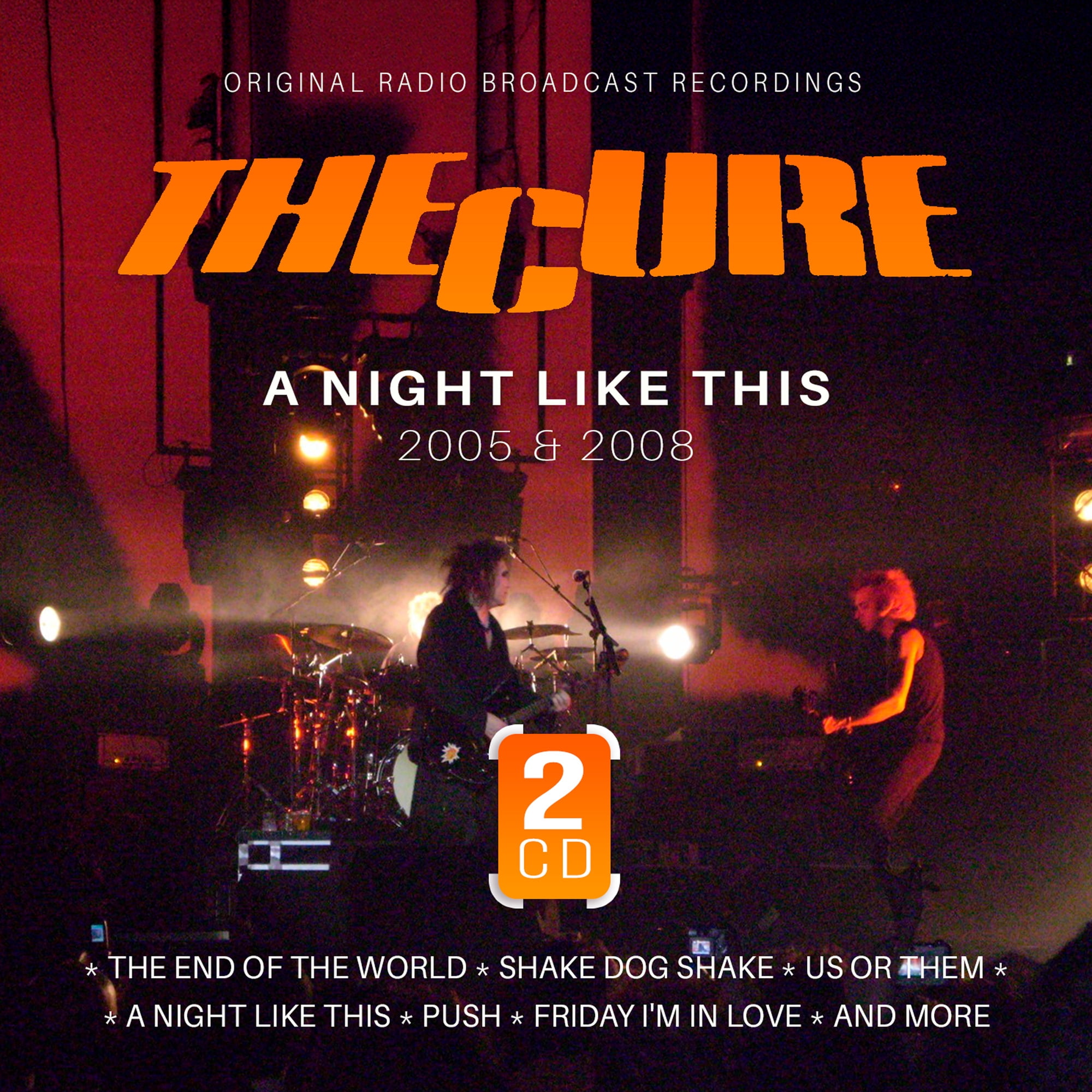
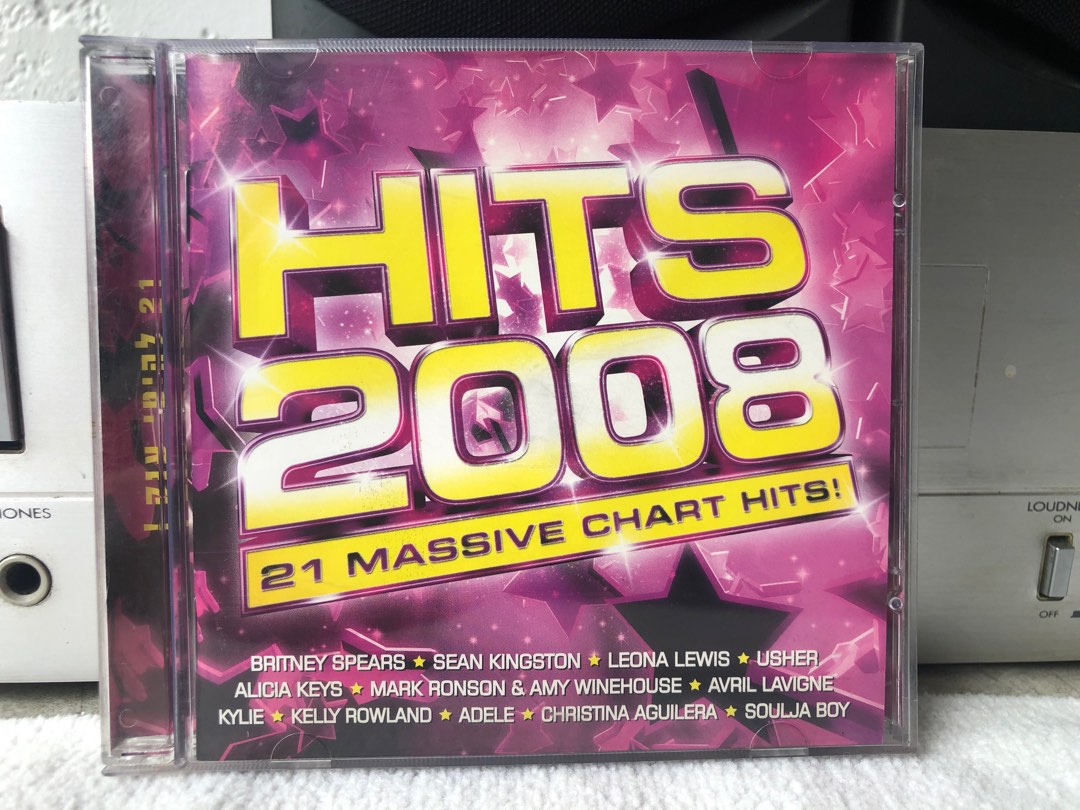
The year 2008 marked a transformative turning point for the global music industry, sitting squarely at the intersection of physical compact disc dominance and the rapid, irreversible rise of digital downloading, streaming precursors, and social media promotion. Musically, the landscape was defined by the commercial peak of electropop, the emergence of indie rock as a dominant mainstream force, and the apex of ringtone rap. Understanding 2008 music requires examining not just the chart-topping records, but the profound shift in how audiences discovered, purchased, and consumed audio entertainment during a pivotal era of technological disruption.
The Technological and Industry Landscape of 2008
To understand the music of 2008, one must first look at the delivery systems and economic frameworks that governed the industry. Physical CD sales were experiencing a steep, sustained decline, while digital music sales through platforms like Apple’s iTunes Store were scaling rapidly. However, the modern subscription-streaming ecosystem as it exists today was still in its infancy; Spotify had launched in Sweden in October 2008, but its international expansion and cultural footprint were years away. Instead, peer-to-peer file sharing networks, unauthorized blog aggregators, and social networking sites—most notably Myspace Music—served as primary discovery engines for both underground scenes and mainstream artists.
This technological transition altered production styles. Music was increasingly mixed and mastered to sound impactful through compressed MP3 formats and computer speakers, rather than high-end home stereo systems. Furthermore, the monetization of recorded music faced structural crises. Labels reacted to falling album sales by prioritizing high-margin pop singles, ringtone-compatible hooks, and lucrative 360-deal contracts that captured revenue from touring and merchandise rather than pure recorded music sales. The consumer experience shifted from owning physical liner notes and album art to curating fragmented digital libraries on portable MP3 players.
Dominant Genres and Sonic Shifts
The sonic identity of 2008 was characterized by a distinct departure from the acoustic organicism of the mid-2000s indie boom and the heavy brass-and-bass southern hip-hop of the immediate past. Pop music underwent a synthetic evolution, largely spearheaded by producers like Timbaland, Danja, Will.i.am, and RedOne. Synthesizers, vocoders, and four-on-the-floor dance beats replaced traditional instrumentation on top-tier radio formats.
At the same time, indie rock achieved a rare commercial plateau. Bands that had previously inhabited underground or college-radio circuits crossed over into arena status. This indie crossover was facilitated by tastemaking music blogs like Pitchfork and Stereogum, which wielded unprecedented influence over consumer tastes before social media algorithms fragmented music criticism. Concurrently, hip-hop split into two distinct commercial streams: the maximalist, sample-chopping introspection ushered in by Kanye West's 808s & Heartbreak, and the high-energy, club-centric "ringtone rap" subgenre that dominated Billboard charts with simplified hooks and infectious rhythmic loops.
Landmark Album Releases That Defined the Year
The year 2008 produced a diverse slate of albums that continue to be scrutinized, sampled, and celebrated for their cultural resonance. These projects captured the anxieties and exuberance of a pre-recession global economy colliding with the dawn of Web 2.0 culture.
- Kanye West – 808s & Heartbreak: Released in November 2008, this record fundamentally altered the trajectory of hip-hop and R&B. By trading traditional rapping for heavily Auto-Tuned, emotionally raw singing over minimalist Roland TR-808 drum machine patterns, West dismantled the hyper-masculine posturing common in rap at the time, paving the way for artists like Drake, Frank Ocean, and The Weeknd.
- Coldplay – Viva la Vida or Death and All His Friends: Produced by Brian Eno, Coldplay’s fourth studio album represented a deliberate attempt to break away from their signature piano-driven alternative rock. Incorporating art rock, baroque pop, and expansive sonic textures, the album became a global commercial juggernaut driven by its triumphant title track.
- Lady Gaga – The Fame: Debuting in late 2008, Gaga’s debut album introduced a theatrical, high-fashion, synth-heavy brand of electropop that revitalized mainstream dance music. Anchored by singles like "Just Dance" and "Poker Face," the project established a blueprint for pop superstardom that relied heavily on visual iconography and digital fan engagement.
- Beyoncé – I Am... Sasha Fierce: Released in November 2008, this double album allowed Beyoncé to explore the dichotomy between her vulnerable, acoustic-leaning persona and her high-energy alter ego, Sasha Fierce. It spawned enduring global anthems such as "Single Ladies (Put a Ring on It)" and "Halo."
- Fleet Foxes – Fleet Foxes: Representing the pinnacle of the late-2000s indie folk revival, this self-titled debut album captivated critics with its lush, multi-track vocal harmonies and pastoral acoustic arrangements, proving that organic instrumentation could still capture widespread cultural attention.
| Artist | Album | Primary Genre | Commercial & Cultural Significance |
|---|---|---|---|
| Kanye West | 808s & Heartbreak | Hip-Hop / Synth-Pop | Pioneered the emotional, Auto-Tune-heavy subgenre that influenced modern rap and R&B. |
| Coldplay | Viva la Vida... | Alternative Rock | Merged stadium rock with experimental art-rock textures, dominating global charts. |
| Lady Gaga | The Fame | Electropop / Dance-Pop | Revitalized synthetic dance-pop and established a new standard for pop visual branding. |
| Lil Wayne | Tha Carter III | Hip-Hop | Cemented Lil Wayne's status as a dominant lyricist with historic first-week sales figures. |
| Fleet Foxes | Fleet Foxes | Indie Folk | Defined the acoustic, harmony-heavy indie movement of the late 2000s. |
The Chart-Topping Singles and Club Anthems
While albums provided artistic statements, the 2008 singles chart was dominated by tracks designed for immediate gratification, high-rotation radio play, and digital downloads. Katy Perry achieved her breakthrough with the provocative pop track "I Kissed a Girl," while Rihanna continued a dominant run with the dark, driving synth-pop of "Disturbia."
In the hip-hop and urban contemporary space, collaborations defined success. T-Pain, who popularized the creative use of pitch-correction software as an artistic stylistic choice rather than a corrective tool, appeared as a featured artist on numerous chart-topping records, including Flo Rida’s "Low" and Lil Wayne’s "Got Money." These singles demonstrated the growing dominance of digital distribution networks, where a track could achieve massive sales via iTunes downloads long before physical CD singles were manufactured in significant quantities.
Critical Reception and Cultural Legacy
Retrospective analysis of 2008 music often frames the year as the end of an old industry model and the frantic birth of a new one. Critics at the time wrestled with the commercialization of indie rock and the proliferation of hyper-processed electronic pop music. However, decades later, the music of 2008 is viewed with considerable nostalgia as the soundtrack to the final moments of the pre-smartphone era.
The aesthetic choices pioneered in 2008—such as the integration of electronic dance music structures into mainstream American hip-hop and pop—laid the groundwork for the EDM boom of the early 2010s. Furthermore, the vulnerabilities expressed by artists on major releases during this period anticipated the mental health discourse that would later become central to modern music criticism and artist branding.
Frequently Asked Questions About 2008 Music
What music genre was most popular in 2008?
Electropop, synth-pop, and commercial hip-hop dominated the mainstream charts in 2008. While indie rock enjoyed unprecedented critical acclaim and commercial crossover success, synthetic production styles, dance beats, and heavily processed vocals defined the most commercially successful radio hits of the year.
How did people discover new music in 2008?
Music discovery in 2008 was heavily reliant on independent music blogs, early social networking sites like Myspace Music, terrestrial radio, and digital storefronts like the iTunes Store. Peer-to-peer file-sharing networks and internet forums also played a significant role in underground music distribution before modern streaming platforms were established.
Was Spotify available in 2008?
Spotify was founded and launched in Sweden in October 2008, but its availability was strictly limited to a few European countries during its initial rollout. It did not launch in the United States until 2011, meaning it had virtually no impact on the global music market or listening habits during the calendar year 2008.
Why is Kanye West’s 808s & Heartbreak considered historically important?
Released in late 2008, the album broke conventional hip-hop norms by replacing traditional rapping with emotional, Auto-Tuned singing over minimalist electronic drum machine rhythms. It directly inspired a subsequent generation of hip-hop and R&B artists to embrace vulnerability, melodic experimentation, and electronic production.
How did the decline of CD sales affect the music industry in 2008?
The steep drop in physical compact disc sales forced record labels to pivot toward digital downloads, ringtone sales, and 360-degree touring contracts. This economic pressure encouraged labels to prioritize catchy, single-driven pop hits over cohesive album projects to maximize short-term return on investment.
Navigating and Exploring 2008 Music Archives Today
For contemporary listeners, researchers, and vinyl collectors seeking to explore the catalog of 2008 music, the most effective approach is to examine comprehensive year-end archival charts alongside underground music blog retrospectives from that era. Because the period represents a distinct technological bridge, comparing physical media reissues with preserved digital-era artifacts provides a complete picture of an industry in rapid evolution. Focus your listening on the foundational crossover albums and critical indie releases to understand how contemporary pop culture was shaped during this dynamic twelve-month window.