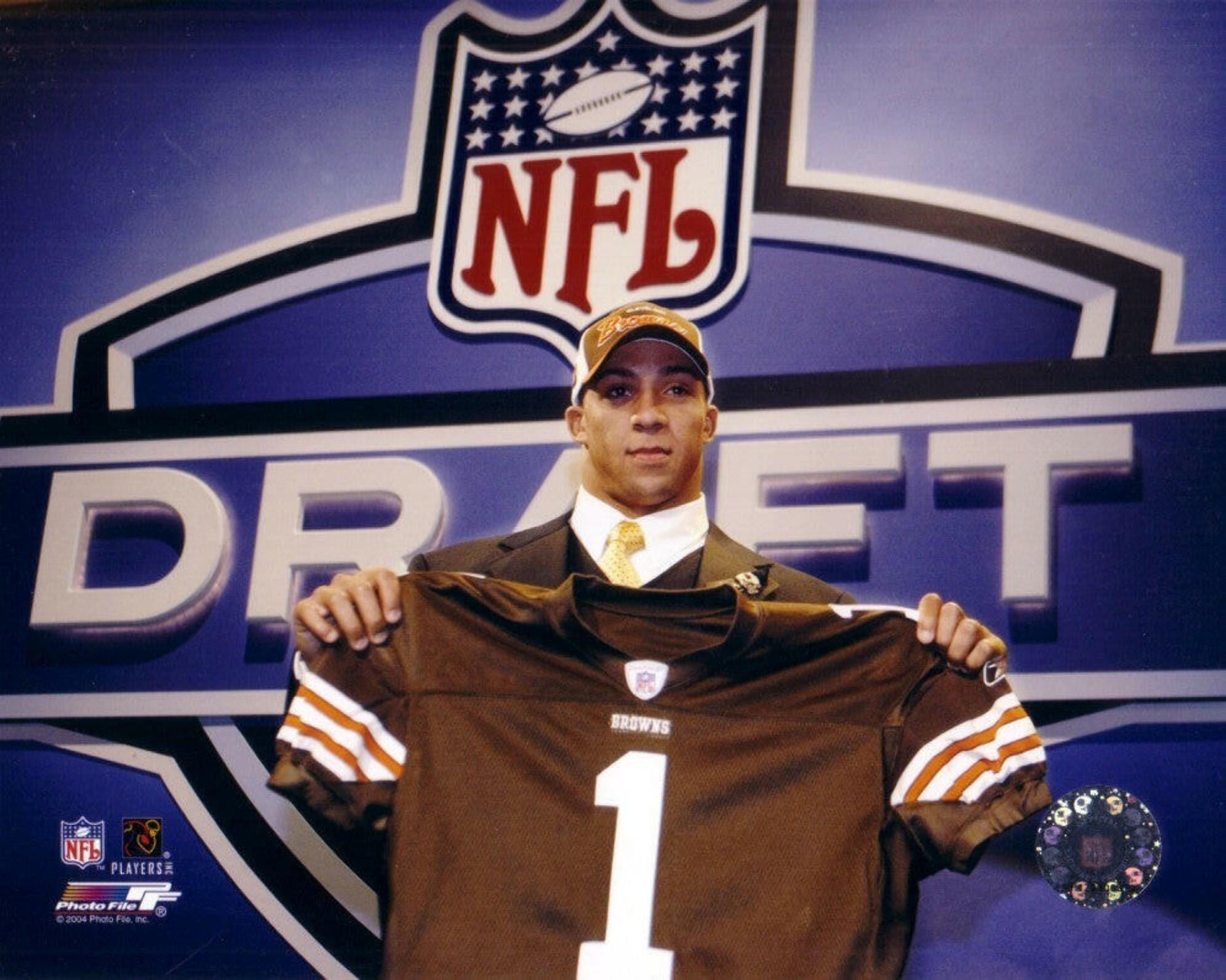
The 2004 NFL Draft is widely regarded as one of the most talent-rich and influential classes in professional football history, headlined by the legendary "Big Three" quarterbacks: Eli Manning, Philip Rivers, and Ben Roethlisberger. It is equally famous for the historic draft-day trade between the San Diego Chargers and New York Giants, a move that reshaped the competitive landscape of the league for the next two decades.
The Quarterback Class of 2004: A Statistical Powerhouse
As we evaluate this class from the perspective of 2026, the 2004 quarterback group stands alongside the legendary 1983 class as the gold standard for scouting success. While the 1983 draft gave us Elway, Marino, and Kelly, the 2004 draft provided three cornerstone franchises with nearly 20 years of stability. Eli Manning, Philip Rivers, and Ben Roethlisberger combined for four Super Bowl championships and dozens of Pro Bowl appearances, while collectively rewriting the NFL passing record books.
Eli Manning and the New York Giants
Manning’s legacy is defined by his postseason heroics. While his regular-season statistics were often marked by high interception totals, his ability to perform under pressure led the Giants to two improbable Super Bowl victories (XLII and XLVI), both against the Tom Brady-led New England Patriots. Manning’s durability—starting 210 consecutive games—became a hallmark of his career, a trait that remains highly valued by scouts in the 2026 era of specialized player health management.
Ben Roethlisberger’s Physical Dominance
Drafted 11th overall by the Pittsburgh Steelers, Roethlisberger was the first of the trio to find massive success, winning a Super Bowl in just his second season. Known for his "Big Ben" stature and ability to shrug off defenders in the pocket, he brought a physical brand of football to the quarterback position. His career finished with two Super Bowl titles and over 64,000 passing yards, solidifying the Steelers' identity as a perennial contender throughout his tenure.
Philip Rivers: The Statistical Giant
Though he never secured a Super Bowl ring, Philip Rivers’ statistical output rivaled the greatest to ever play the game. Transitioning from the Chargers to the Colts late in his career, Rivers ended his journey in the top 10 of nearly every major passing category, including yards and touchdowns. His fiery leadership and "iron man" streak of 240 consecutive starts set a standard for preparation and toughness that current 2026 prospects are still measured against.
The Manning-Rivers Trade: A Watershed Moment in Sports History
The most dramatic moment of the 2004 draft occurred before a single game was played. Eli Manning, the top prospect from Ole Miss, made it clear through his father, Archie Manning, and agent, Tom Condon, that he would not play for the San Diego Chargers if they drafted him. Despite this, the Chargers selected him with the No. 1 overall pick, leading to an awkward moment on the stage with Commissioner Paul Tagliabue.
The resolution came less than an hour later. The Chargers traded Manning to the New York Giants in exchange for the No. 4 pick (Philip Rivers), a 2004 third-round pick, and 2005 first- and fifth-round picks.
Long-term Impact of the Trade
This trade is one of the few in sports history that can be considered a "win-win" for both organizations, albeit in different ways:
- The New York Giants received the face of their franchise and two Super Bowl trophies.
- The San Diego Chargers received a high-volume passer in Rivers and utilized the extra picks to build a powerhouse roster during the late 2000s, including drafting All-Pro linebacker Shawne Merriman with the 2005 first-round selection.
The event set a precedent for player leverage that is still discussed in modern collective bargaining negotiations. It challenged the traditional notion that a player had no say in his destination, a theme that has resurfaced several times in the decades since.
Defensive Icons and the Tragedy of Sean Taylor
While the quarterbacks dominated the headlines, the 2004 draft was also loaded with defensive talent that changed the way the game was played. From shutdown cornerbacks to ferocious pass rushers, the depth of this class was staggering.
Sean Taylor: The Greatest "What If"
The Washington Redskins selected safety Sean Taylor with the 5th overall pick. Taylor was a generational talent, a "unicorn" who possessed the size of a linebacker and the speed of a wide receiver. His impact on the field was immediate and terrifying for opponents. Tragically, Taylor’s life was cut short when he was murdered during a home invasion in 2007. Even today, in 2026, Taylor remains a cult icon in football circles, with many current safeties citing him as their primary inspiration for how to play the position with both range and physicality.
Jared Allen: The Late-Round Gem
Not all the stars were found in the first round. The Kansas City Chiefs selected defensive end Jared Allen in the fourth round (126th overall). Allen would go on to become one of the most prolific sack artists in NFL history, eventually being inducted into the Pro Football Hall of Fame. His career serves as a reminder to modern scouts that elite pass-rushing traits can often be found in later rounds if a team prioritizes motor and technical proficiency over collegiate pedigree.
2004 NFL Draft: First Round Selection Summary
The top of the 2004 draft featured an incredible concentration of talent, with multiple players reaching the Hall of Fame or earning multiple All-Pro honors.
| Pick | Player | Position | Team | Notable Achievement |
|---|---|---|---|---|
| 1 | Eli Manning | QB | Chargers (Traded to NYG) | 2x Super Bowl MVP |
| 2 | Robert Gallery | OT | Raiders | 9-year NFL Career |
| 3 | Larry Fitzgerald | WR | Cardinals | 2nd All-Time in Receiving Yards |
| 4 | Philip Rivers | QB | Giants (Traded to SD) | 8x Pro Bowler |
| 5 | Sean Taylor | S | Redskins | 2x Pro Bowler (Tragic Death) |
| 6 | Kellen Winslow II | TE | Browns | Pro Bowler (2007) |
| 7 | Roy Williams | WR | Lions | Pro Bowler (2006) |
| 8 | DeAngelo Hall | CB | Falcons | 3x Pro Bowler |
| 9 | Reggie Williams | WR | Jaguars | 5-year NFL Career |
| 10 | Dunta Robinson | CB | Texans | 2004 Defensive Rookie of the Year |
| 11 | Ben Roethlisberger | QB | Steelers | 2x Super Bowl Champion |
Larry Fitzgerald and the Art of Longevity
Beyond the quarterbacks, Larry Fitzgerald (selected 3rd overall by the Arizona Cardinals) is perhaps the most respected figure from the 2004 class. Fitzgerald’s career was a masterclass in consistency and professional conduct. He played 17 seasons, all with the Cardinals, and retired with 17,492 receiving yards—trailing only Jerry Rice on the all-time list.
Fitzgerald’s 2008 postseason run remains one of the greatest individual stretches in sports history. He recorded 30 receptions for 546 yards and seven touchdowns in just four games, nearly leading Arizona to a Super Bowl title. His sure-handedness (having more career tackles than dropped passes for a significant portion of his career) has made him the benchmark for wide receiver evaluations in 2026.
Evaluating the "Busts": The Robert Gallery Story
No draft is perfect, and 2004 had its share of disappointments relative to draft position. The most notable was offensive tackle Robert Gallery, taken 2nd overall by the Oakland Raiders. Gallery was touted as a "can't-miss" prospect—the best offensive line talent in a generation.
While Gallery was not a "failure" in the sense that he played several years in the league, he never became the dominant left tackle the Raiders expected. He eventually moved to guard, where he found more success, but his inability to anchor the blind side for Oakland contributed to a decade of offensive struggles for the franchise. Gallery’s career is often cited by analysts as a cautionary tale regarding the "pro-readiness" of offensive linemen coming out of traditional power-run college schemes.
Historical Context: 2004 in the Wider Sports World
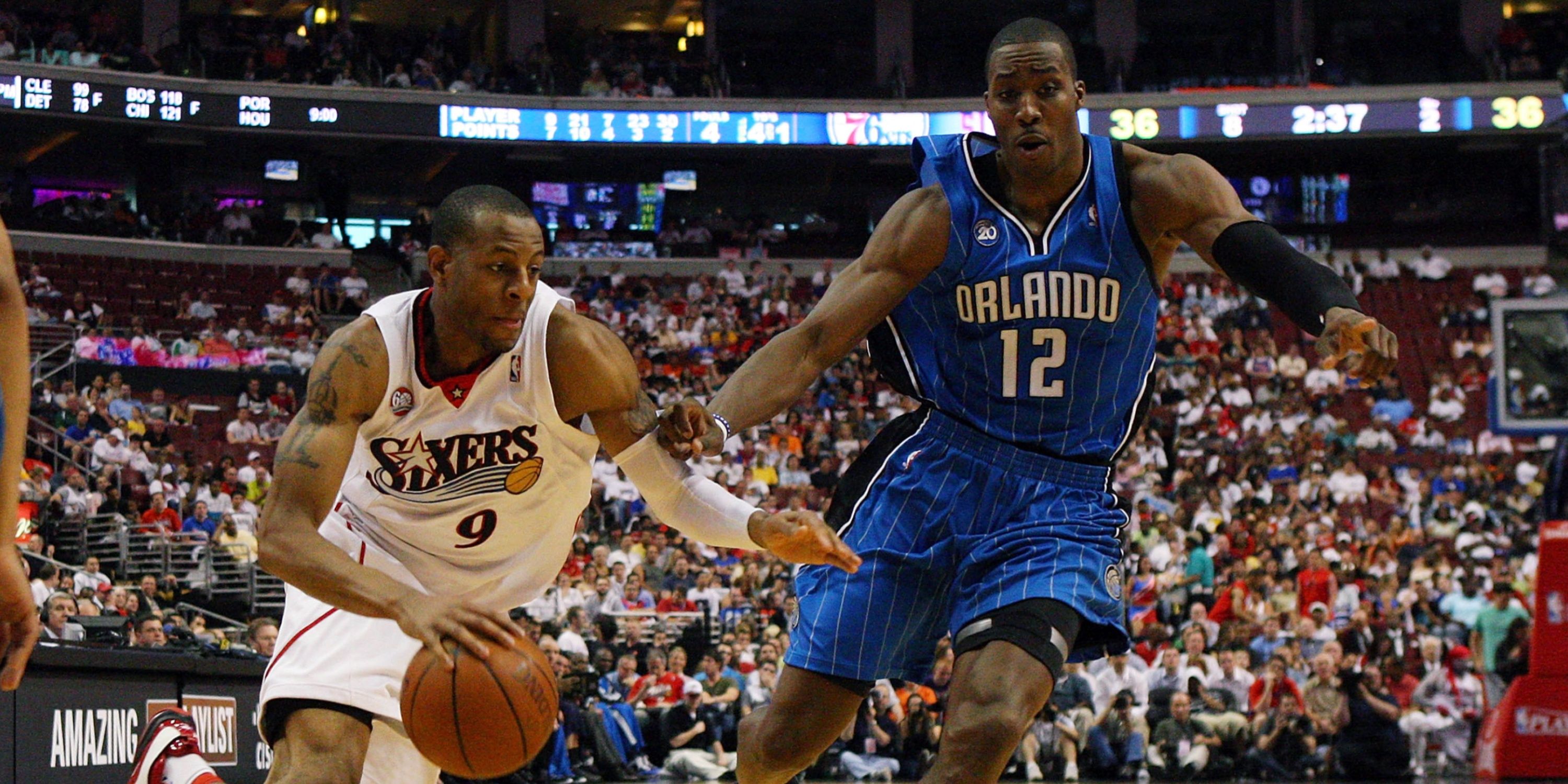
While the NFL Draft was the primary focus for football fans in April 2004, the year was a pivotal one across all major sports. The 2004 NBA Draft featured Dwight Howard as the top pick, signaling a brief era of high school stars dominating the top of the board before the "one-and-done" rule was implemented. In baseball, 2004 was the year the Boston Red Sox finally "reversed the curse," winning their first World Series in 86 years.
In the NFL, the 2004 season that followed this draft saw the New England Patriots cement their dynasty with a second consecutive Super Bowl win, while the rookies from the 2004 class immediately began making their presence felt. Ben Roethlisberger famously went 13-0 as a starter in his rookie regular season, the most successful debut for a quarterback in the modern era.
Frequently Asked Questions
Why did Eli Manning refuse to play for the Chargers?
While never explicitly stated by Eli himself, the general consensus among insiders and reports from the time suggests the Manning family was concerned about the Chargers' organizational stability and their track record of developing quarterbacks. At the time, the Chargers had struggled significantly, and Archie Manning reportedly wanted a more stable environment for his youngest son, similar to what Peyton Manning found in Indianapolis.
Who was the best player in the 2004 NFL Draft?
This is a matter of debate. If measuring by team success and postseason impact, Eli Manning or Ben Roethlisberger take the lead. If measuring by pure individual statistics and longevity at a position, Larry Fitzgerald is the clear choice. However, in terms of sheer talent and "what could have been," many scouts still point to Sean Taylor.
How many Hall of Famers came from the 2004 draft?
As of 2026, several players from this class have been inducted, including Jared Allen and Larry Fitzgerald. The "Big Three" quarterbacks—Manning, Roethlisberger, and Rivers—are all considered locks for induction once their respective eligibility windows open (or as they progress through the voting cycles).
Was there an NBA Draft in 2004?
Yes, the 2004 NBA Draft took place on June 24, 2004. It is best known for the Orlando Magic selecting Dwight Howard with the first overall pick directly out of high school. Other notable players from that class include Andre Iguodala, Luol Deng, and Shaun Livingston.
Which team had the best draft in 2004?
The New York Giants are often cited as the winners because they secured a two-time Super Bowl-winning quarterback. However, the Pittsburgh Steelers selecting Ben Roethlisberger at pick 11 is considered one of the greatest "values" in draft history, as they did not have to trade up to get a franchise legend.
Practical Takeaway for Football Historians
When researching the 2004 draft, it is essential to look beyond the first round. The true strength of this class lay in its depth—players like Michael Turner (5th round), Matt Schaub (3rd round), and Pro Bowl center Nick Hardwick (3rd round) all emerged from this cycle. For those analyzing draft trends in 2026, the 2004 class serves as the ultimate case study in how a high-level quarterback class can buoy the league's quality of play for nearly two decades. To understand the modern NFL, one must understand the trades, the personalities, and the unprecedented talent that entered the league in the spring of 2004.