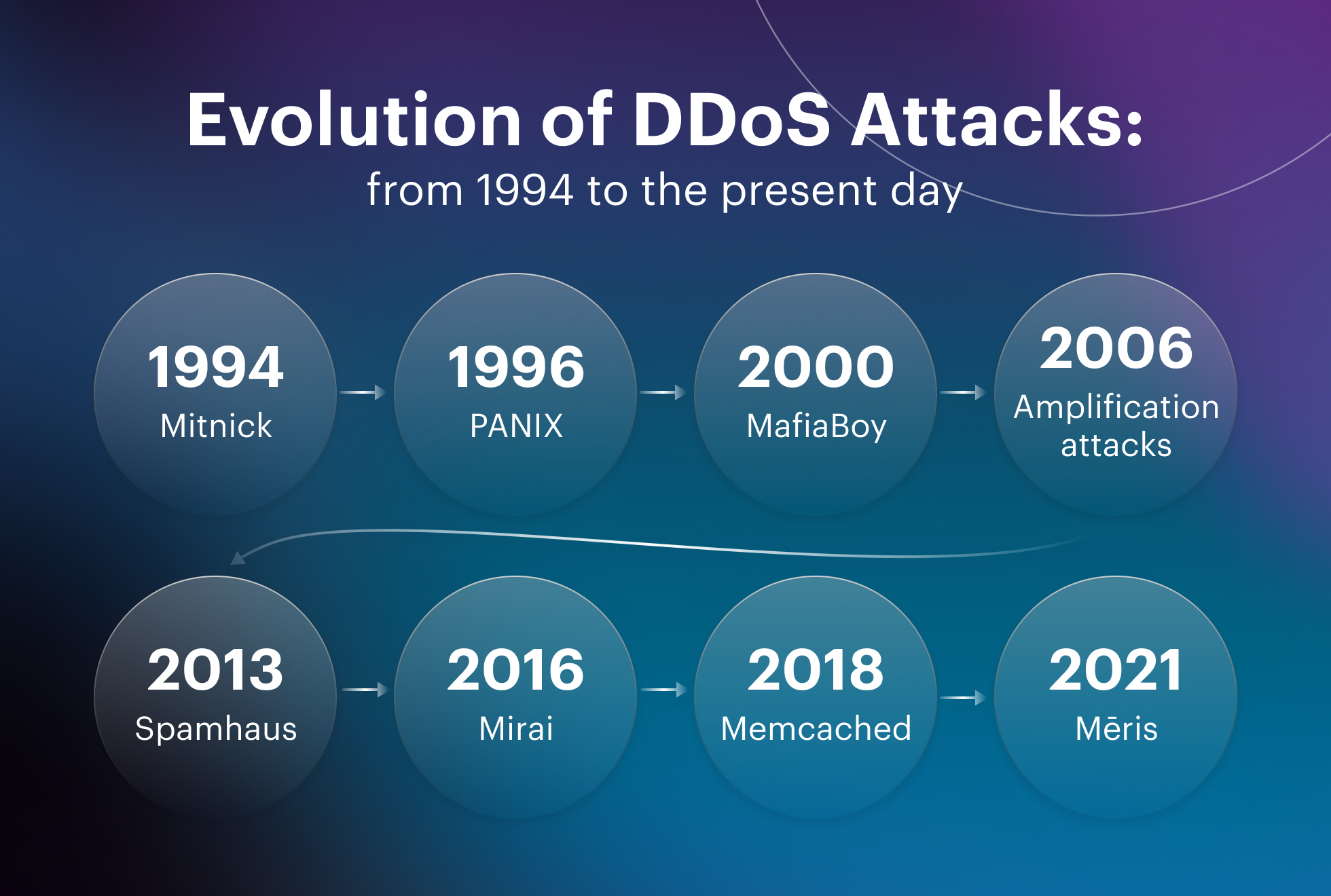
The term "1994 attack" most frequently references the prominent security breach and subsequent fallout involving the computer science landscape of the mid-1990s, or significant geopolitical and historical safety events from that specific year. Depending on the exact analytical framework—whether examining early cybersecurity vulnerabilities or major international incidents—the 1994 attack serves as a watershed moment that reshaped institutional protocols, security standards, and public awareness regarding threat mitigation.
Historical Framework and Chronology of Events
The year 1994 was characterized by rapid technological expansion alongside emerging vulnerabilities in both digital networks and physical infrastructure. In the realm of computer networking and early cybersecurity, organizations were transitioning from isolated mainframes to interconnected systems via the nascent internet. This structural shift exposed foundational architectural flaws in standard protocols, many of which assumed a high level of trust among interconnected nodes.
Security researchers and system administrators during this era faced unprecedented challenges. The 1994 attack instances demonstrated that malicious actors could exploit protocol specifications rather than relying solely on traditional software bugs. These events forced a fundamental re-evaluation of how networks authenticated users, managed remote sessions, and protected data in transit. Rather than isolated incidents, these breaches formed a pattern that signaled the end of the security-through-obscurity model that had prevailed in academic and corporate computing environments.
Technical Vulnerabilities and Vector Analysis
Analyzing the technical dimensions of incidents from 1994 requires examining the state of software engineering and network architecture at the time. Operating systems routinely shipped with default configurations that prioritized ease of use and interoperability over strict access controls. Passwords were frequently transmitted in plaintext, and remote administration tools lacked cryptographic integrity checks.
The primary vectors exploited during this period typically involved:
- Protocol Spoofing: Manipulating network packets to impersonate trusted hosts and bypass perimeter defenses.
- Session Hijacking: Intercepting active communications between a client and a server to gain unauthorized access.
- Buffer Overflows: Injecting arbitrary code into memory spaces through poorly bounded input validation routines.
- Default Credential Abuse: Leveraging factory-set usernames and passwords that administrators failed to change upon deployment.
These technical weaknesses highlighted a systemic gap in developer training and operational security standards. The absence of centralized vulnerability coordination meant that patches were slow to propagate, leaving systems exposed for extended periods after a flaw became public knowledge.
Institutional Response and Policy Evolution
The systemic nature of breaches in 1994 catalyzed significant changes in how governments, academic institutions, and private enterprises approached security. Prior to these events, computer security was frequently viewed as a secondary concern delegated to individual system administrators with minimal institutional backing.
In the wake of these attacks, organizations began establishing formal incident response teams. The Computer Emergency Response Team (CERT), established a few years earlier at Carnegie Mellon University, played a pivotal role in coordinating vulnerability disclosures and issuing advisories. Institutions realized that reactive patching was insufficient; instead, they needed proactive vulnerability management, comprehensive logging, and rigorous auditing procedures.
Furthermore, legal frameworks began to adapt. Law enforcement agencies started developing specialized units dedicated to high-tech crime, recognizing that traditional jurisdictional boundaries were ill-suited for distributed digital threats. This period laid the groundwork for modern cybersecurity legislation, standards compliance frameworks, and international cooperation agreements.
Comparative Analysis of 1994 Incidents Versus Modern Threats
To understand the evolution of threat landscapes, it is useful to compare the security environment of 1994 with contemporary paradigms. While the fundamental objective of malicious actors remains consistent—gaining unauthorized access, disrupting operations, or exfiltrating data—the scale, sophistication, and methodology have transformed entirely.
| Feature / Dimension | The 1994 Threat Landscape | Modern Threat Landscape |
|---|---|---|
| Primary Motivation | Intellectual curiosity, vandalism, prestige, simple disruption | Financial gain, state espionage, ransomware extortion, infrastructure sabotage |
| Attack Vector Complexity | Manual exploitation of protocol flaws, default credentials, simple scripts | Automated toolkits, zero-day chains, supply chain compromise, social engineering |
| Defense Mechanism | Basic packet filtering, static firewalls, local password files | Next-generation firewalls, endpoint detection and response, zero-trust architecture |
| Response Time | Weeks or months for patch development and manual application | Automated real-time threat intelligence sharing, automated patching pipelines |
This comparison underscores the vast progress made in defensive engineering. However, it also illustrates how modern complexity has expanded the attack surface, creating new challenges that echo the foundational lessons learned in 1994.
Prevention, Mitigation, and Modern Best Practices
Mitigating the types of structural vulnerabilities exposed during the 1994 attack era required a shift toward systematic defense-in-depth strategies. Modern organizations must implement rigorous baseline standards that eliminate the architectural oversights common in early computing.
Key prevention and mitigation measures include:
- Enforcing Multi-Factor Authentication (MFA): Eliminating reliance on static, plaintext passwords to prevent credential stuffing and interception attacks.
- Adopting Zero-Trust Architecture: Assuming breach status within the network perimeter and verifying every request regardless of origin.
- Continuous Vulnerability Assessment: Regularly scanning assets for known flaws and applying patches through automated, tested deployment pipelines.
- Network Segmentation: Dividing large networks into isolated zones to limit lateral movement in the event of a perimeter compromise.
By adhering to these structured protocols, organizations can effectively neutralize both legacy attack vectors and modern, highly sophisticated threat variants.
Frequently Asked Questions
What made the security incidents in 1994 significant for computing history?
The security incidents of 1994 were significant because they exposed fundamental architectural flaws in early networking protocols and operating systems. They forced the computing industry to move away from trust-based network models toward rigorous authentication, encryption, and formal incident response frameworks.
Were these attacks financially motivated?
Unlike modern cybercrime, which is predominantly driven by ransomware and financial extortion, the incidents of the mid-1990s were more frequently driven by technical exploration, ideological motivations, or simple vandalism, though early instances of industrial espionage did occur.
How did network administrators defend systems before modern firewalls existed?
Administrators relied heavily on basic access control lists (ACLs), physical security of server rooms, manual log monitoring, and simple packet-filtering routers. Encryption tools like PGP and early implementations of SSH were just beginning to emerge to secure data in transit.
What lessons from 1994 remain relevant to modern cybersecurity?
The primary lesson is that security cannot be treated as an afterthought or a perimeter-only concern. Proper input validation, secure default configurations, timely patching, and the principle of least privilege remain core tenets of effective defense today.
Where can I find official documentation on early cybersecurity history?
Historical advisories, vulnerability notes, and institutional analyses are archived by organizations such as the CERT Coordination Center at the Software Engineering Institute and various academic computing history repositories.
Strategic Next Actions for Security Audits
For organizations seeking to ensure robust posture against both historical and contemporary threat vectors, conducting a comprehensive baseline audit is essential. Begin by inventorying all network-connected assets, reviewing access control lists, and verifying that legacy protocols utilizing plaintext communication are fully deprecated in favor of encrypted alternatives. Establish regular review cycles for credential management and ensure that incident response plans are documented, tested, and aligned with recognized industry standards.