The 1990s sci-fi adaptation represents a crucial transitional era where practical creature effects and miniature models met the rapid rise of computer-generated imagery, transforming pulp novels, comic books, and television series into defining cinematic milestones. This decade bridged analog practical effects with digital filmmaking, yielding a distinct visual and narrative identity for speculative fiction on screen.
Historical Context and Technological Shifts in 1990s Cinema
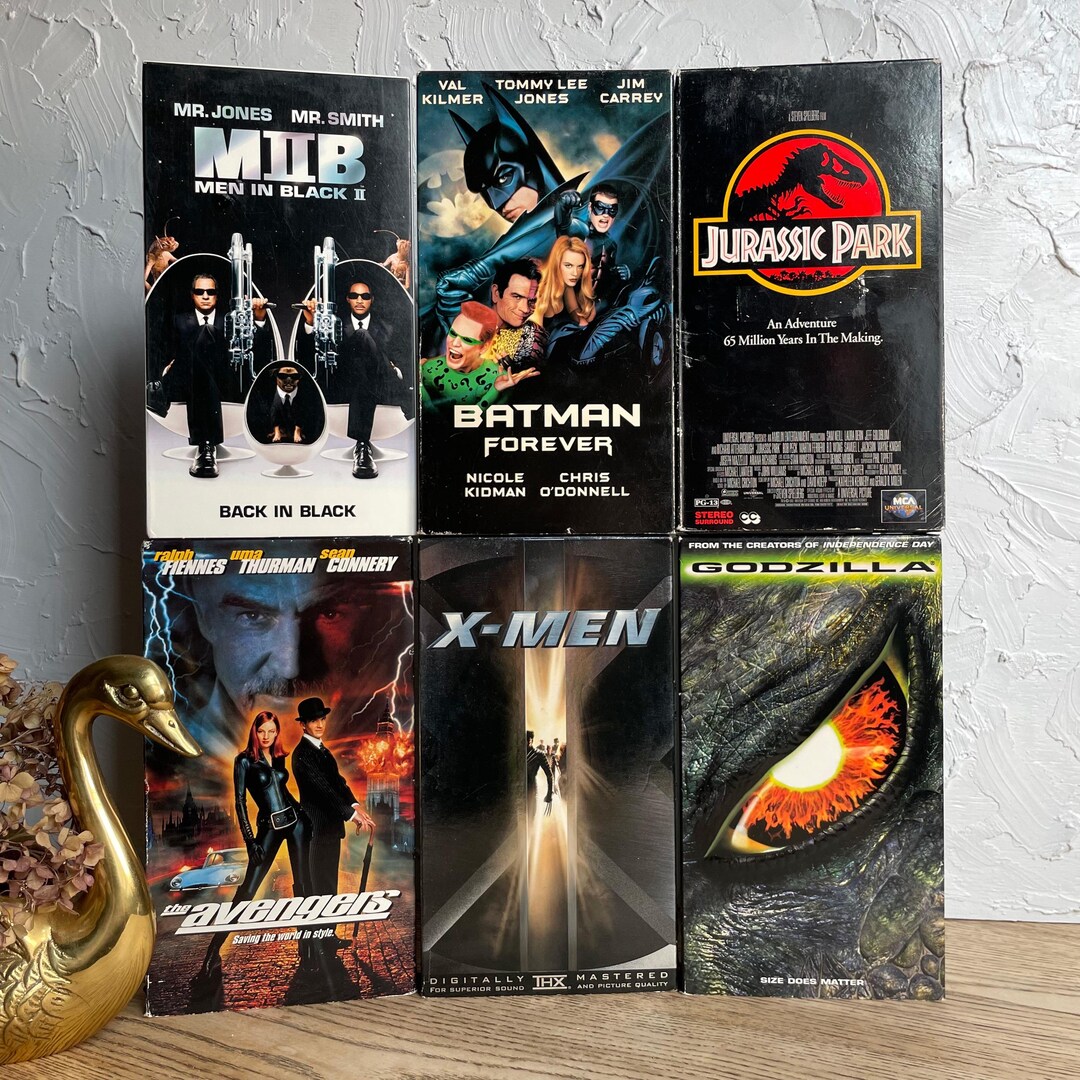
The cinematic landscape of the 1990s underwent a profound technical revolution that directly influenced how speculative fiction stories were brought to life. At the start of the decade, creature shops, matte painters, and stop-motion animators still dominated physical production workflows. However, landmarks such as Terminator 2: Judgment Day in 1991 and Jurassic Park in 1993 demonstrated the commercial and artistic viability of computer-generated imagery (CGI). For science fiction adaptations, this meant that previously unfilmable concepts—such as fluid shapeshifting, vast alien ecosystems, and microscopic inner-space voyages—suddenly became viable on screen.
Yet, this decade was defined by a hybrid approach rather than an immediate abandonment of practical techniques. Filmmakers routinely paired advanced digital compositing with animatronics, physical miniatures, and elaborate set construction. This tension between tangible physics and boundless digital creation gave 1990s speculative adaptations a unique visual texture. Works adapted from Philip K. Dick, Michael Crichton, and classic manga properties benefited from gritty, tactile set designs even as digital enhancements expanded their imaginative scope.
Narrative Themes and Source Material Selection
Studio executives and independent producers during this period turned to diverse literary, television, and comic book sources to feed a growing appetite for speculative entertainment. The source material for a 1990s sci-fi adaptation typically fell into three primary categories: golden-age and new-wave speculative literature, cyberpunk short stories, and serialized television franchises making the jump to feature films.
Adaptations of print media often required significant tonal adjustments to suit contemporary theatrical audiences. Complex philosophical explorations of identity and artificial intelligence found in prose were frequently streamlined into high-concept action thrillers or neo-noir detective stories. This era favored themes of corporate dystopia, genetic engineering, virtual reality, and existential paranoia—concerns that mirrored real-world anxieties surrounding the birth of the commercial internet, genome mapping, and rapid industrial globalization.
Major Subgenres and Landmark Projects
To understand the scope of speculative adaptations from this era, it is helpful to examine how different subgenres transitioned from page or broadcast to the silver screen. Cyberpunk, space opera, and biological horror each approached adaptation with distinct production methodologies and stylistic markers.
| Property Title | Source Material Type | Primary Technical Innovation | Release Year |
|---|---|---|---|
| Total Recall | Short Story ("We Can Remember It for You Wholesale") | Practical creature effects, mechanical puppets, and early digital compositing | 1990 |
| Jurassic Park | Novel | Integration of full-scale animatronics and pioneering photorealistic CGI | 1993 |
| Ghost in the Shell | Manga | Digital cel animation techniques and early non-linear digital compositing | 1995 |
| The Matrix | Original Concept / Influences | Bullet-time photography rig and integrated wire-fu choreography | 1999 |
The table above illustrates the varied origins and technical focal points of notable speculative works from the decade. While Jurassic Park relied on paleontology-informed physical models backed by digital skinning, animated masterpieces like Ghost in the Shell utilized digital workstations to merge traditional hand-drawn cells with computer-generated backgrounds, establishing a template for modern transnational media adaptations.
Adapting Cyberpunk and Dystopian Futures
Cyberpunk fiction experienced its peak adaptation window during the mid-to-late 1990s, capturing the cultural unease of an impending new millennium. Authors like William Gibson and Philip K. Dick provided blueprints for cinematic worlds defined by decaying urban sprawls, omnipresent megacorporations, and neurological interfaces. However, translating these dense, jargon-heavy literary universes into digestible ninety-minute or two-hour films proved notoriously difficult.
Adapting cyberpunk required production designers to invent a visual shorthand for cyberspace and pervasive digital networks before broadband infrastructure was commonplace in households. Filmmakers relied heavily on physical neon lighting, rainy industrial shooting locations, and heavy leather-and-sunglasses costume design to establish atmosphere. This physical grounding helped anchor high-concept speculative ideas, ensuring that even when the narrative logic stretched credibility, the tangible environment felt lived-in and immediate.
Television-to-Film Transitions and Franchise Expansion
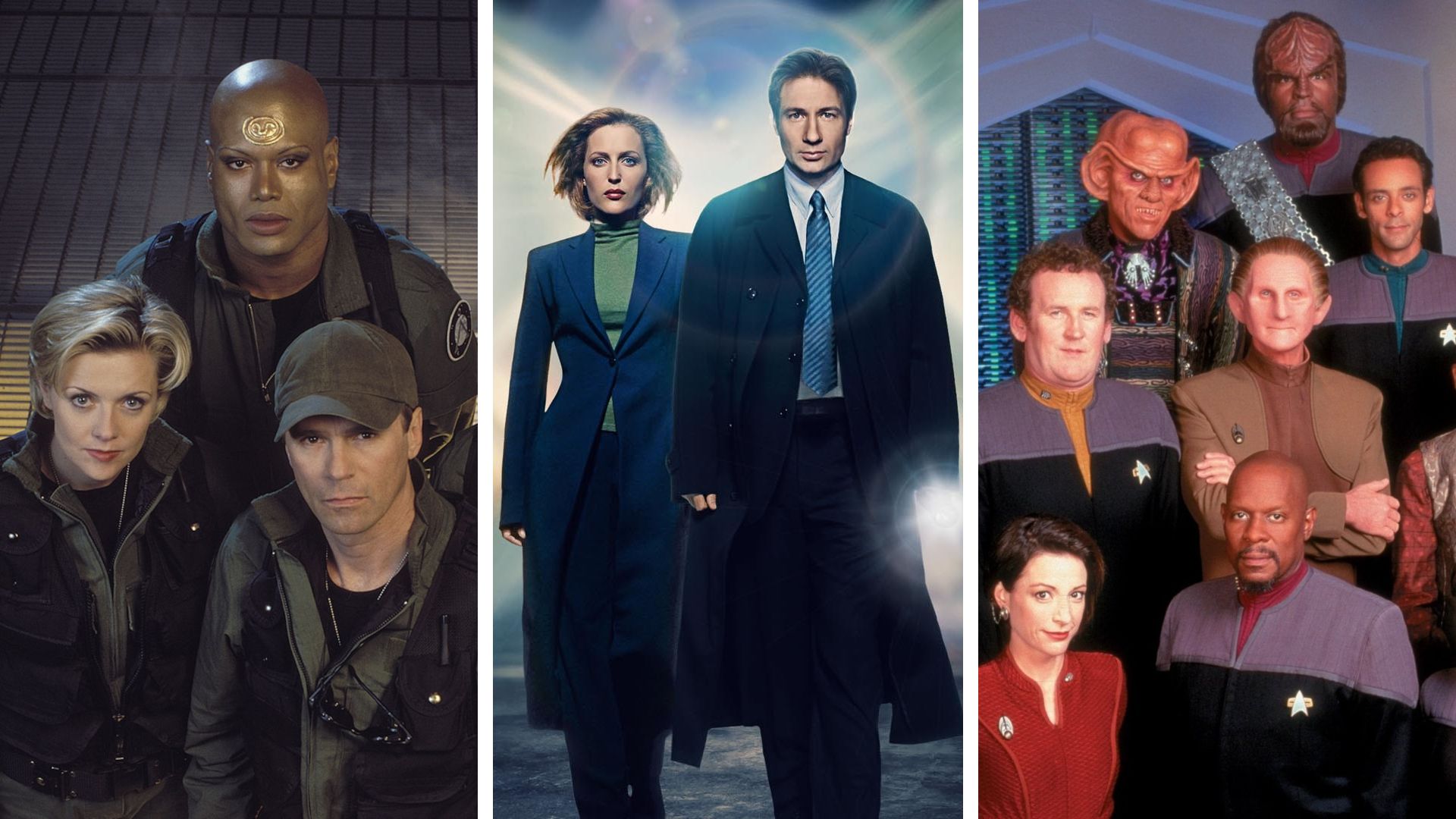
Beyond novels and graphic novels, the 1990s marked a prolific period for adapting long-running television properties into theatrical feature films. Franchises with established cult followings tested whether serialized television universes could sustain higher-budget, self-contained cinematic narratives. These adaptations often faced the dual challenge of satisfying hardcore fans while remaining accessible to general ticket buyers who had never watched a single episode of the source series.
Production values for these big-screen adaptations scaled up dramatically, replacing television soundstages with expansive location shoots and state-of-the-art optical effects houses. The creative friction between episodic television showrunners and studio feature directors frequently resulted in distinct production battles over canon, tone, and character arcs. Despite these hurdles, successful television adaptations proved that speculative worlds could expand across multiple media formats without losing their core audience appeal.
Evaluating the Long-Term Legacy on Modern Filmmaking
The technical and narrative choices made by creators of a 1990s sci-fi adaptation continue to reverberate through contemporary speculative media. The era established the modern blockbuster blueprint: heavy reliance on high-concept intellectual property, multi-platform marketing, and the blending of practical stunts with digital enhancement.
Furthermore, the retro-futuristic aesthetic of 1990s adaptations has undergone a significant cultural reappraisal. Modern audiences and filmmakers frequently draw inspiration from the specific tactile qualities of analog-digital hybrid effects, viewing them as a golden mean between the limitations of pure physical effects and the sometimes weightless appearance of contemporary all-digital pipelines. Examining these historical productions reveals not only how past artists envisioned the future, but also how the mechanics of adaptation shape storytelling across generations.
Frequently Asked Questions
What defined the visual style of a typical 1990s sci-fi adaptation?
A typical 1990s speculative adaptation relied on a hybrid approach, combining physical models, animatronics, and practical makeup with early computer-generated imagery. This resulted in a gritty, high-contrast aesthetic dominated by practical lighting, industrial sets, and tangible textures alongside pioneering digital compositing.
How did the rise of CGI change science fiction films in the 1990s?
The introduction of advanced digital tools allowed filmmakers to depict complex, fluid movements and expansive digital environments that were previously impossible with stop-motion or optical printing. This shifted the medium toward more dynamic camera movements and creatures with unprecedented anatomical realism.
Why were cyberpunk and dystopian themes so prevalent during this decade?
The approach of the year 2000, combined with the rapid expansion of personal computing, cellular technology, and corporate globalization, fueled cultural anxieties. Writers and filmmakers used dystopian speculative settings to explore the social and psychological costs of hyper-connectivity and technological dependency.
How closely did 1990s film adaptations usually follow their source material?
Adaptations from this era frequently took major liberties with their source material, streamlining complex philosophical concepts, altering character motivations, and injecting action-oriented set pieces to appeal to broader theatrical box-office demographics.
What are some notable examples of international sci-fi adaptations from the 1990s?
Prominent international examples include Mamoru Oshii’s Ghost in the Shell (1995), which adapted Masamune Shirow’s cyberpunk manga and deeply influenced global sci-fi cinema, as well as European co-productions that reinterpreted classic speculative prose through distinct regional artistic lenses.
Assessing Your Subject Selection for Research
When analyzing or collecting media from this era, verify the specific release year, production company, and source lineage, as many properties underwent multiple script rewrites and director changes. Researchers should consult original trade publications, production notes, and restored physical media releases to differentiate between theatrical cuts and director's cuts, which frequently alter the pacing and thematic focus of 1990s speculative cinema.