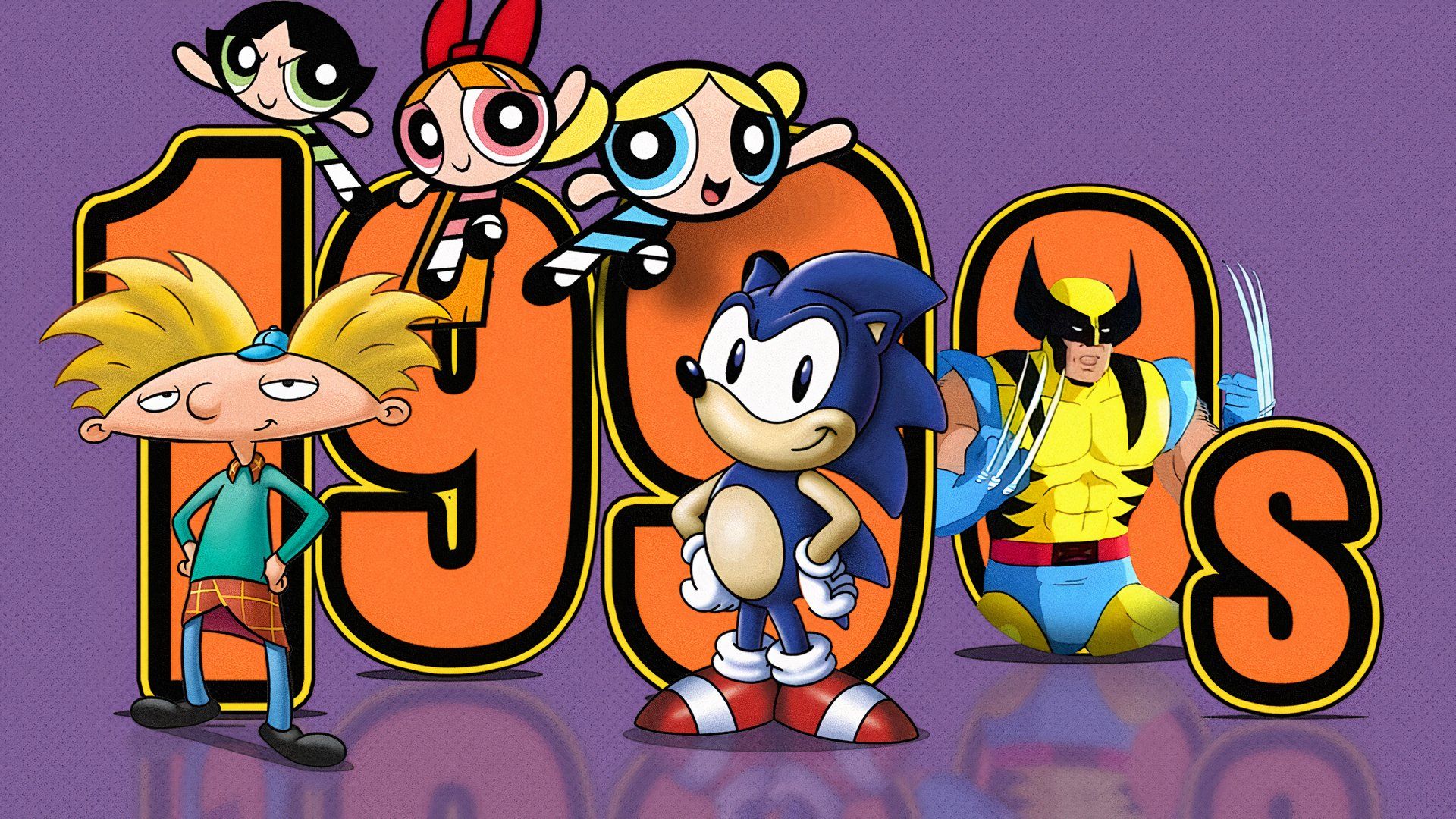
1990s nostalgia is a cultural and commercial phenomenon driven by generational cohorts longing for the aesthetic, media, and technological simplicity of the final pre-digital decade. This movement manifests across consumer product revivals, fashion trends, and digital media preservation, serving as a psychological anchor for individuals seeking comfort in a rapidly evolving technological landscape.
Defining the Cultural Phenomenon of 1990s Nostalgia
The psychological and cultural wave known as 1990s nostalgia represents a profound societal yearning for the distinct aesthetic, technological, and social landscape of the 1990s. As the final decade of the 20th century recedes into history, it occupies a unique space in the cultural imagination. It bridges the gap between the fully analog world of the mid-20th century and the hyper-connected, digital environment of the 21st century.
This longing is primarily driven by generational psychology, specifically among Millennials and older Gen Z individuals who experienced the era during their formative childhood and teenage years. Nostalgia operates as a psychological defense mechanism, offering comfort, emotional security, and a sense of identity by recalling times perceived as simpler or more stable. In the context of the 1990s, this is amplified by the memory of a world before the ubiquitous integration of smartphones, social media algorithms, and continuous digital connectivity.
Furthermore, cultural cycles dictate that eras generally undergo a nostalgic revival roughly twenty to thirty years after their conclusion. This temporal distance allows the cultural artifacts of the period—ranging from its distinct fashion choices to its pioneering electronic media—to shed their everyday mundane status and acquire vintage, collectible, and curated value.
The Technological Paradox: Analog Foundations and Digital Transitions
At the heart of 1990s nostalgia lies a fascination with transitional technology. The decade was characterized by rapid technological advancement, yet it predated the smartphone and high-speed broadband internet that define modern life. This creates a specific brand of technological romanticism where physical media and tactile interfaces hold immense emotional weight.
Consumers today frequently seek out physical formats that require intentional interaction rather than passive streaming. The resurgence of vinyl records, cassette tapes, and audio compact discs mirrors a broader desire to reclaim ownership of media in an era dominated by cloud-based subscriptions and digital licenses. Similarly, the aesthetic of cathode-ray tube (CRT) televisions, dial-up modem sounds, and early personal computing operating systems like Windows 95 evoke a sensory experience that modern sleekness cannot replicate.
| Technology Type | 1990s Standard | Modern Equivalent | Nostalgia Driver |
|---|---|---|---|
| Audio Media | Cassette Tapes & CDs | Streaming Services | Tactile interaction, physical ownership, album art. |
| Photography | 35mm Film & Disposable Cameras | Smartphone Sensors | Anticipation, physical prints, natural imperfections. |
| Communication | Pagers & Landline Telephones | Smartphones & Instant Messaging | Disconnected freedom, intentional availability. |
| Gaming | 16-bit and 32-bit Cartridges/Discs | Cloud Gaming & Digital Downloads | Local multiplayer, physical cartridges, defined limits. |
Beyond audio and video, photography has seen a massive analog backlash. The deliberate friction of shooting on 35mm film or single-use disposable cameras contrasts sharply with the instant, infinitely editable nature of smartphone photography. The unpredictable results, light leaks, and physical development process provide a sense of authenticity that heavily filtered digital images often lack.
Fashion, Aesthetics, and Visual Culture
The visual vocabulary of the 1990s has profoundly influenced modern streetwear, high fashion, and interior design. Characterized by a tension between minimalist grunge and vibrant pop culture iconography, 1990s style offered a rejection of the excessive ornamentation of the 1980s.
Grunge fashion, popularized by alternative rock bands in the Pacific Northwest, introduced flannel shirts, distressed denim, combat boots, and oversized silhouettes into mainstream wardrobes. Simultaneously, the rise of athletic brands led to the ubiquitous adoption of tracksuits, windbreakers, and chunky trainers that now dominate contemporary sneaker culture. On the high-fashion runway, minimalist slip dresses, monochromatic tailoring, and supermodel culture defined a sleek, understated elegance.
Visual culture during the decade was equally distinct. Graphic design relied heavily on neon geometric patterns, bold primary colors, and early computer-generated imagery (CGI) aesthetics. Brands frequently leverage these specific visual cues in modern marketing campaigns to evoke an immediate, positive emotional response from consumers who recognize the visual shorthand of their youth.
Media, Entertainment, and the Canon of 90s Pop Culture
The media landscape of the 1990s created a shared cultural canon that remains remarkably resilient. Before the era of fragmented, algorithm-driven niche streaming, television viewing was often a communal, synchronous experience.
Prime-time sitcoms, Saturday morning cartoons, and Sunday night prestige dramas drew massive, synchronized audiences. Shows like Friends, Seinfeld, and The X-Files established narrative templates and character archetypes that continue to influence modern television production. In cinema, the decade witnessed a golden age of independent filmmaking alongside the birth of modern CGI-driven blockbuster spectacle, exemplified by releases like Jurassic Park and The Matrix.
| Media Category | Prominent 1990s Examples | Modern Revivals / Reboots |
|---|---|---|
| Television Sitcoms | Friends, The Fresh Prince of Bel-Air | Reunion specials, branded merchandise, streaming syndication. |
| Animation | Batman: The Animated Series, The Simpsons | Collector-edition home video releases, art books. |
| Gaming Hardware | Nintendo 64, original PlayStation, Game Boy | Mini classic consoles, retro-repair shops, emulation software. |
| Music Genres | Britpop, Alternative Rock, Golden Age Hip-Hop | Vinyl pressings, anniversary box sets, festival headliners. |
The video game industry similarly underwent a paradigm shift during this decade, transitioning from 2D pixel art to fully realized 3D polygonal environments. Consoles such as the Super Nintendo Entertainment System, Sony PlayStation, and Nintendo 64 established foundational franchises that continue to dominate the global gaming market today, ensuring that their original titles retain significant cultural and financial value.
Commercialization and the Retro Economy
The cultural desire for the past has transformed into a robust commercial market often termed the "retro economy." Brands across diverse sectors frequently leverage 1990s nostalgia as a core marketing strategy to capture the purchasing power of adult consumers with disposable income.
Fast-fashion retailers regularly collaborate with classic 90s franchises to release capsule collections, while food and beverage companies routinely bring back discontinued snacks or retro packaging designs for limited engagement windows. This corporate appropriation of memory demonstrates how deeply intertwined emotional attachment has become with modern consumer capitalism.
However, this commercialization has introduced a tension between genuine cultural appreciation and cynical corporate extraction. While independent collectors, vintage stores, and analog preservationists focus on historical accuracy and material preservation, mass-market manufacturers often distill complex cultural movements into superficial, short-lived aesthetic trends. Understanding this dynamic requires looking beyond the surface-level marketing to examine how individuals genuinely engage with the material culture of the past.
Frequently Asked Questions
Why is 1990s nostalgia so popular now?
The popularity of 1990s nostalgia is driven by a natural generational cycle where individuals who experienced the decade in their youth reach an age with significant disposable income and decision-making power. Additionally, the psychological contrast between the current hyper-connected digital environment and the relative simplicity of the pre-smartphone era fuels a strong desire for comfort and emotional grounding.
What defined the technology of the 1990s?
The 1990s was a transitional decade characterized by the widespread adoption of personal computers, the birth of the World Wide Web via dial-up connections, and the dominance of physical media formats like compact discs and VHS tapes. It represented a unique hybrid era where digital tools began to emerge, but daily life remained fundamentally anchored in analog experiences.
How has 1990s fashion influenced modern clothing trends?
Contemporary fashion frequently incorporates signature elements from the 1990s, including oversized streetwear silhouettes, flannel shirts, slip dresses, and retro athletic footwear. Designers and fast-fashion brands regularly revive these styles because they offer a recognizable aesthetic that appeals to both older consumers seeking familiarity and younger demographics exploring vintage trends.
Are original 1990s video game consoles and media valuable?
Certain original 1990s hardware, sealed video games, and first-press vinyl or compact disc releases have appreciated significantly in value due to collector demand. Rarity, condition, and the presence of original packaging heavily influence market pricing, transforming childhood items into sought-after collector assets.
What is the difference between retro-styled products and genuine 1990s artifacts?
Genuine 1990s artifacts were produced during the decade and carry historical, material, and contextual authenticity. Retro-styled products are modern manufactured goods designed to mimic the visual and functional characteristics of 1990s items, often incorporating contemporary internal components or manufacturing standards while utilizing vintage aesthetic cues.
Navigating and Collecting 1990s Memorabilia
For enthusiasts and collectors looking to engage meaningfully with the material culture of the 1990s, establishing a clear focus is essential. Begin by identifying specific niches—such as vintage clothing, physical media, consumer electronics, or pop culture ephemera—rather than attempting to collect broadly.
When purchasing vintage electronics or physical media, verify functionality and condition thoroughly, as degradation of plastic components, magnetic tape, and electronic capacitors is common in items over thirty years old. Support specialized independent vintage dealers, community-run preservation groups, and dedicated repair specialists who understand the specific technical requirements of maintaining analog hardware. By prioritizing authenticity and careful curation, collectors can preserve a tangible connection to the final analog decade without falling prey to purely superficial consumer trends.