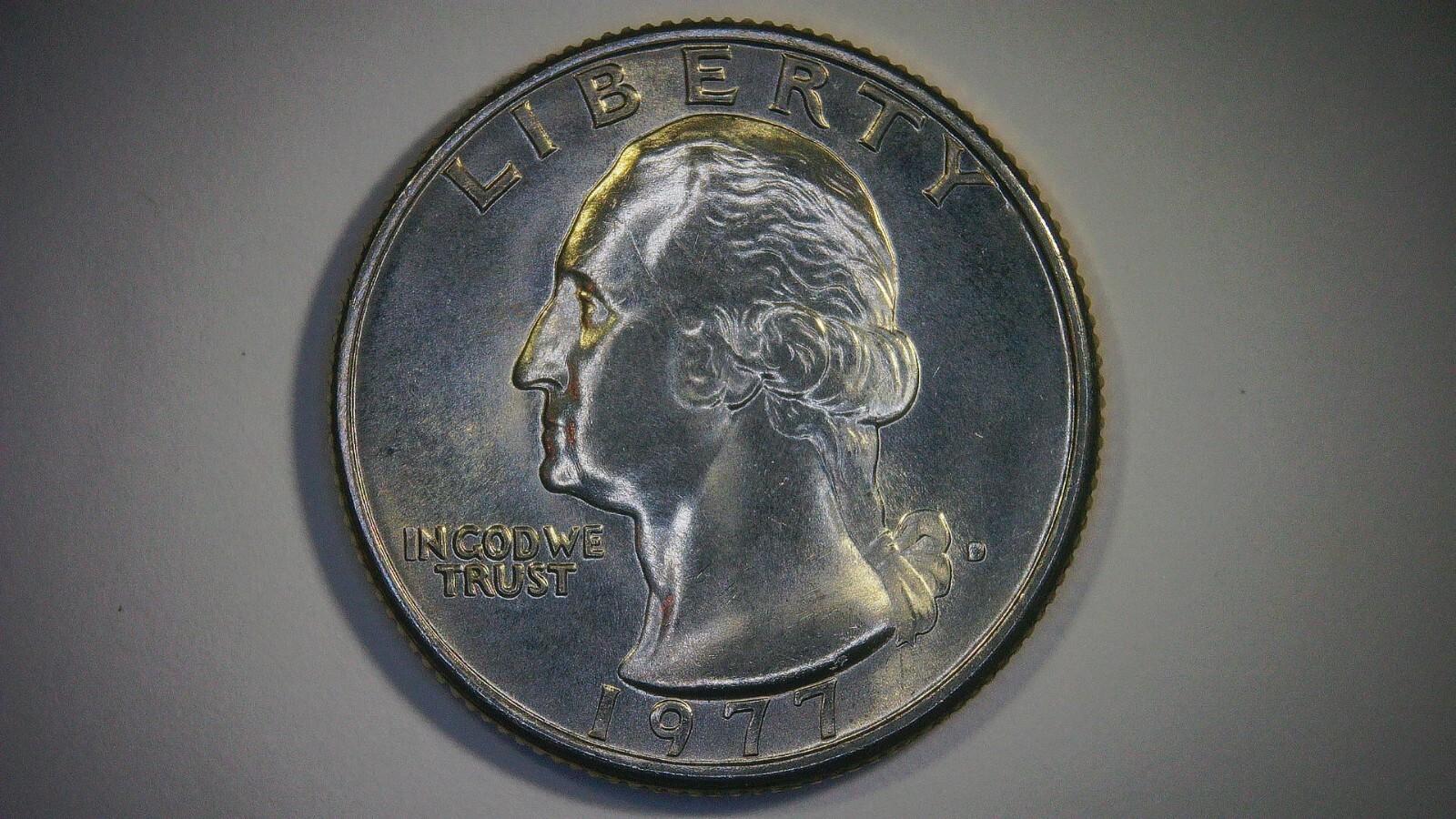
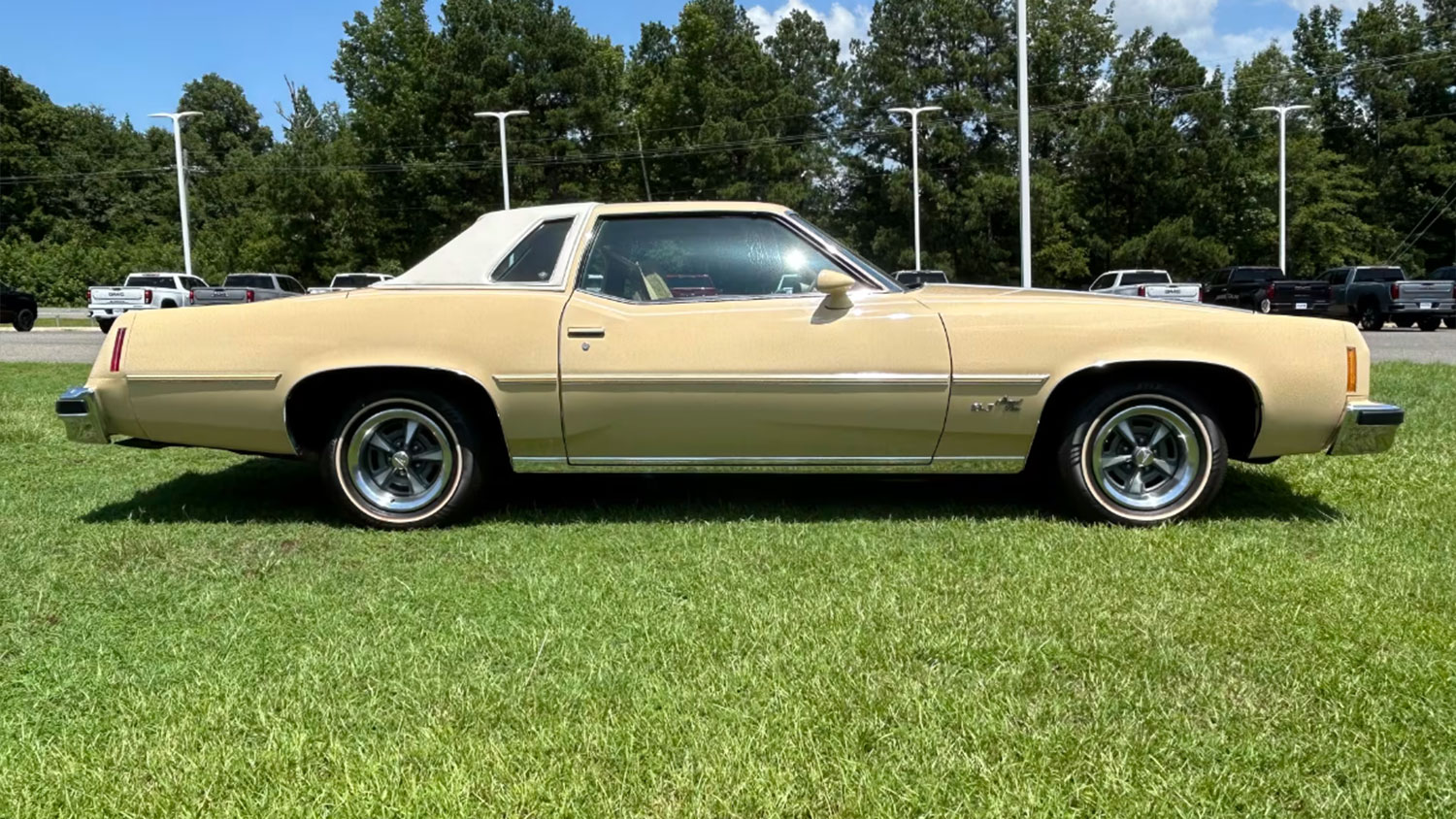
The 1977 profile refers to a specific biographical, organizational, or corporate retrospective benchmark established during a transformative historical year defined by shifting economic paradigms, rapid technological expansion, and significant cultural milestones. Understanding this profile requires a multidisciplinary examination of the socio-economic conditions, institutional standards, and documentation practices prevalent during the late 1970s.
Historical Backdrop and Defining Characteristics of 1977
The year 1977 occupied a unique space in modern history, sitting squarely between the turbulent economic adjustments of the early 1970s and the aggressive market deregulation of the 1980s. Profiles, records, and documentation formats established during this period reflect a distinct era of transition. Organizations, public figures, and industrial sectors were navigating the early stages of computerized data management while still relying heavily on manual, paper-based administrative frameworks.
In corporate and institutional governance, a 1977 profile typically encapsulates traditional hierarchies, conservative capital structures, and formalized communication channels. Publicly traded companies, regulatory bodies, and biographical compendiums of this era adhered to rigorous editorial standards and statutory disclosure requirements. These documents serve as primary historical sources, offering structural insights into how businesses and notable individuals presented themselves before the advent of digital transparency and instantaneous global connectivity.
Examining these profiles involves recognizing the technological limitations of the era. Typewritten manuscripts, early microform archiving, and analog photography formed the backbone of record preservation. Consequently, analyzing a 1977 profile requires contextualizing its physical creation and the deliberate pacing of information dissemination at the time.
Structural Anatomy of Documentation and Archival Standards
Documentation from 1977 followed rigid formatting conventions dictated by institutional publishing norms. Whether examining corporate prospectuses, governmental filings, or biographical compendiums, uniformity and standardization were paramount.
The standard structural framework of a profile from this period generally incorporated several key components:
- Executive Summary or Biographical Introduction: A concise overview establishing the core identity, primary function, or foundational history of the subject.
- Chronological Milestone Tracking: A linear timeline detailing historical achievements, foundational dates, and major operational developments.
- Quantitative Metrics and Financial Disclosures: In corporate profiles, this section included audited balance sheets, asset valuations, and liability reports formatted according to contemporary accounting standards.
- Governance and Leadership Composition: Detailed listings of executive boards, partnership structures, or administrative leadership, highlighting professional credentials and affiliations.
- Operational Scope and Resource Allocation: Descriptions of physical infrastructure, manufacturing capacities, geographic reach, or institutional mandates.
These elements ensured that stakeholders, regulators, and the public could verify the credibility and stability of the entity in question. The absence of modern search engine optimization or dynamic web architecture meant that these documents were meticulously indexed for physical library catalogs and specialized trade repositories.
Comparative Matrix of 1977 Profiles Versus Modern Equivalents
To fully appreciate the evolution of profiling and documentation, it is instructive to compare the methodologies, accessibility, and structural depth of records from 1977 with contemporary standards.
| Feature / Metric | 1977 Profile Standard | Modern Equivalent (2026) |
|---|---|---|
| Primary Medium | Printed text, microform, physical paper archives | Dynamic databases, cloud repositories, interactive web portals |
| Data Update Frequency | Periodic annual editions or static single-issue releases | Real-time updates, continuous API feeds, live monitoring |
| Accessibility | Restricted to physical archives, libraries, or subscription mailings | Globally accessible via open-access digital registries and search engines |
| Verification Method | Manual audits, physical signatures, notarized registry filings | Cryptographic verification, digital certificates, automated compliance checks |
| Visual Elements | Monochromatic or limited color photography, static charts | High-definition multimedia, interactive data visualizations, video embeds |
This transition underscores how technological advancements have shifted the purpose of a profile from a static, historical snapshot to an evolving, interactive data ecosystem.
Methodologies for Sourcing and Verifying 1977 Records
Locating and authenticating a 1977 profile demands specialized research strategies, as many records remain unindexed by mainstream search engines and reside exclusively in specialized repositories. Researchers, historians, and compliance professionals typically rely on a combination of physical archives and digitized historical databases.
Primary verification involves consulting national libraries, university special collections, and corporate heritage centers. Organizations such as the Library of Congress, regional state archives, and international registry offices maintain comprehensive collections of trade directories, corporate registries, and biographical dictionaries published in the late 1970s. When reviewing these documents, analysts must account for historical context, potential editorial biases of contemporary publishers, and the limitations of period-specific reporting methodologies.
Furthermore, verifying financial or legal claims within a 1977 corporate profile requires cross-referencing statutory filings submitted to regulatory agencies active during that era. Researchers should ensure that citations reference original catalog numbers, archival box identifiers, or verifiable digital scans from accredited institutional partners to maintain academic and professional rigor.
Common Analytical Challenges and Discrepancies
Analyzing records from the late 1970s presents distinct challenges that can complicate research efforts. Understanding these hurdles is essential for maintaining accuracy and avoiding misinterpretations of historical data.
- Nomenclature Changes: Many corporate entities and institutions have undergone multiple mergers, acquisitions, and rebranding initiatives since 1977, making direct historical continuity difficult to trace without corporate lineage charts.
- Incomplete Digital Preservation: A significant volume of material from this period has not been converted into machine-readable text, requiring manual inspection of physical documents or microfiche reels.
- Evolving Accounting Standards: Financial metrics reported in 1977 profiles reflect accounting principles and tax regulations that have since been superseded, necessitating caution when comparing historical financial data to modern valuations.
- Terminology Shifts: Professional titles, industry classifications, and legal definitions have transformed over the decades, requiring analysts to interpret period-specific jargon accurately.
Frequently Asked Questions
What types of entities are typically covered in a 1977 profile?
A 1977 profile typically covers publicly traded corporations, prominent non-profit institutions, government agencies, and notable public figures active during that specific historical period. These profiles were published in corporate annual reports, specialized industry directories, and biographical encyclopedias of the era.
How can I access original 1977 documentation for research purposes?
Original documentation can be accessed through national libraries, university archival collections, specialized historical societies, and corporate heritage databases. Many of these institutions offer digitized microfilm collections or physical access to period-specific trade publications and regulatory filings.
Why are financial metrics from 1977 profiles different from modern reports?
Financial metrics from 1977 reflect the accounting standards, inflation rates, and regulatory frameworks active at the time. They do not account for subsequent economic shifts, currency revaluations, or modern reporting requirements such as international financial reporting standards.
Are 1977 corporate profiles still legally or operationally relevant today?
While they are no longer operationally relevant for day-to-day business decisions, 1977 corporate profiles retain legal and historical significance for provenance research, corporate genealogy, intellectual property audits, and regulatory compliance investigations requiring historical baseline data.
What are the main challenges when interpreting biographical profiles from 1977?
The primary challenges include outdated terminology, potential lack of verified independent fact-checking, and the physical degradation of paper records. Researchers must cross-reference multiple sources to validate historical claims made in profiles from this era.
Practical Next Actions for Historical Research
When embarking on a project requiring the analysis or retrieval of a 1977 profile, establish a clear research roadmap focused on verified archives rather than secondary summaries. Begin by identifying the precise governing body, corporate entity, or individual subject under investigation. Consult specialized catalog databases maintained by university libraries or national registry offices to locate original print or microform editions. Cross-reference all extracted biographical, financial, or organizational data against contemporary regulatory filings or peer-reviewed historical publications to ensure absolute accuracy and contextual integrity in your final analysis.