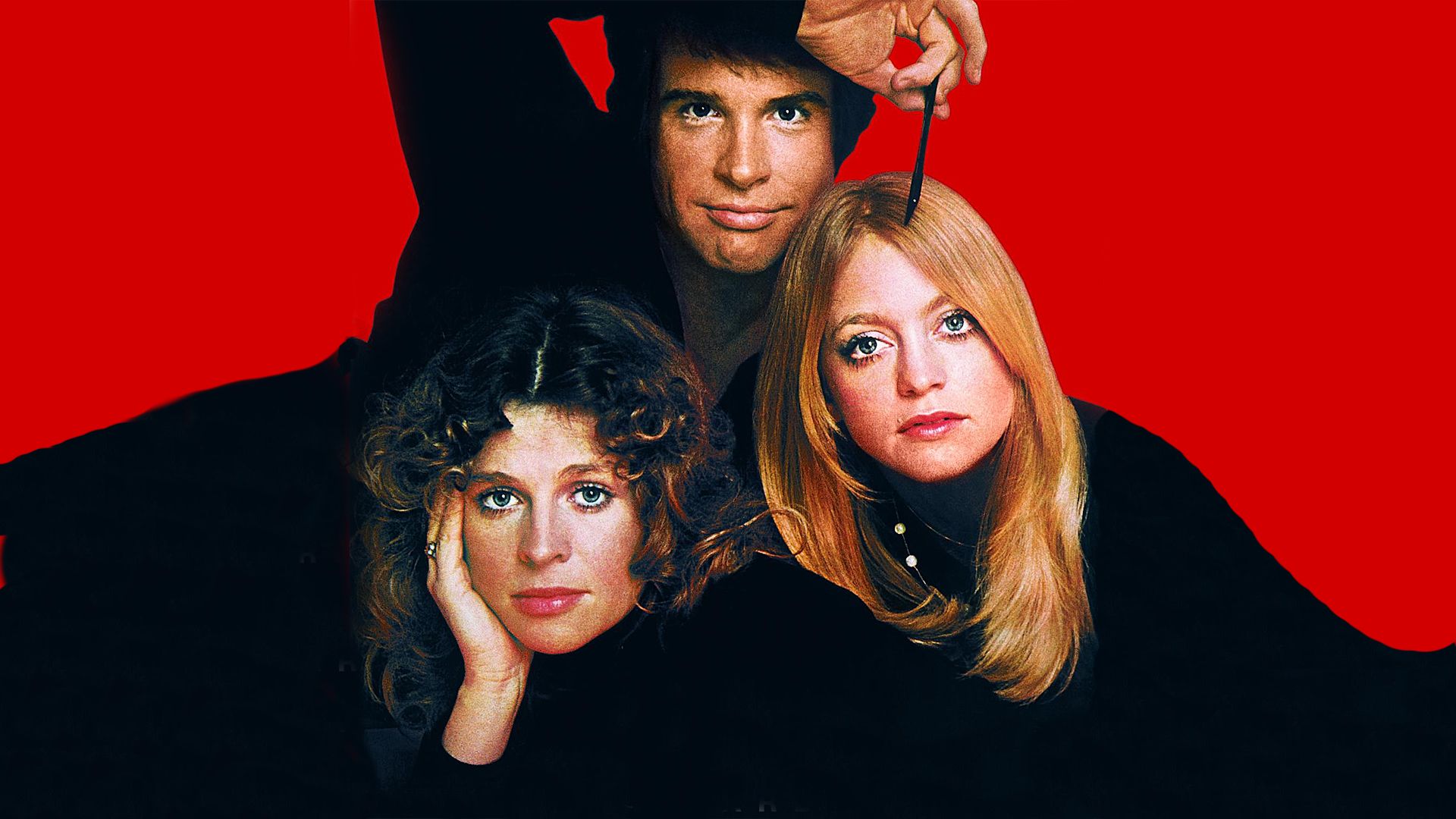
The year 1975 stands as one of the most transformative periods in cinema history, bridging the gap between the declining studio system of the classic Hollywood era and the rise of the modern blockbuster, gritty auteur-driven dramas, and independent milestones. This twelve-month span fundamentally altered how films were financed, marketed, and consumed by global audiences.
Historical and Industrial Context of 1975 Cinema
During the mid-1970s, the Hollywood studio system was still reeling from heavy financial losses caused by bloated big-budget musicals and historical epics in the late 1960s. This vulnerability created a vacuum that allowed young, film-school-educated directors—often referred to as the "New Hollywood" generation—to take unprecedented creative control. Figures like Steven Spielberg, Martin Scorsese, Robert Altman, and Francis Ford Coppola infused American cinema with European arthouse sensibilities, moral ambiguity, and stark realism.
Simultaneously, the economic model of film distribution was undergoing a radical evolution. The release strategy for major studio projects shifted from rolling roadshow engagements in select urban centers to wide, simultaneous national releases backed by aggressive television marketing campaigns. This structural shift allowed studios to maximize box office returns within the opening weekend, setting the direct blueprint for the modern commercial tentpole while concurrently empowering daring, unconventional storytelling that challenged traditional censorship boundaries.
The Birth of the Modern Blockbuster
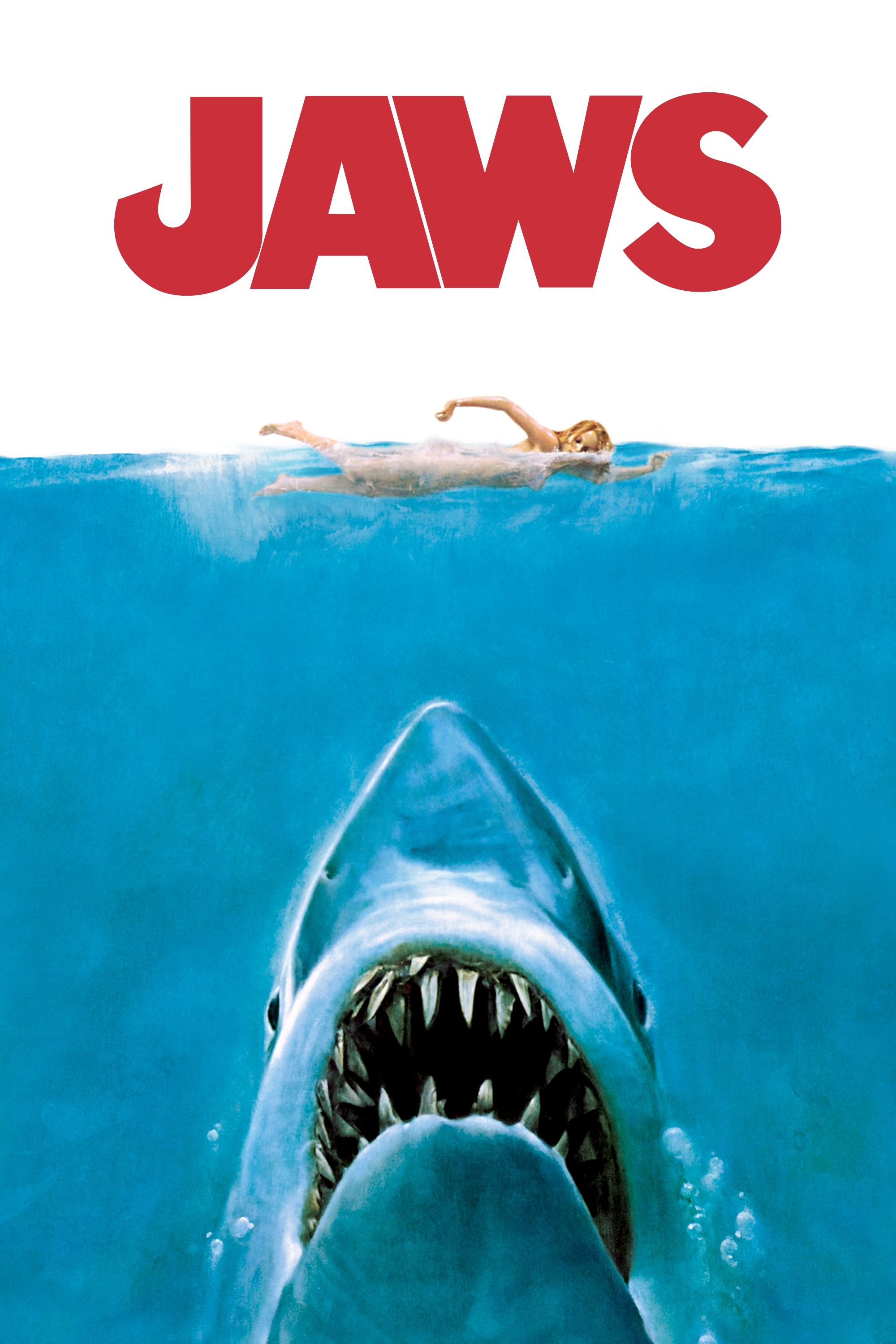
No discussion of 1975 cinema is complete without examining the seismic impact of Steven Spielberg’s Jaws. Released in June 1975, the thriller about a great white shark terrorizing a New England summer resort town shattered existing box office records to become the highest-grossing film up to that point. Beyond its financial success, Jaws permanently rewrote distribution and marketing playbooks.
Universal Pictures saturated television networks with prime-time commercials for the film, creating a nationwide sense of urgency and cultural participation. Furthermore, Jaws established the concept of the "summer blockbuster," proving that studios could launch high-risk, high-concept escapist entertainment during the warmest months of the year and capture massive youth demographics. The film transformed public perception of moviegoing from a routine weekly habit into an immediate, high-stakes cultural event.
Groundbreaking Dramas and New Hollywood Milestones
While Jaws conquered the box office, 1975 also yielded a staggering collection of critically acclaimed character studies and institutional critiques that defined the New Hollywood movement. Miloš Forman’s adaptation of Ken Kesey’s novel One Flew Over the Cuckoo's Nest dominated the Academy Awards, sweeping the major categories—Best Picture, Best Director, Best Actor, Best Actress, and Best Adapted Screenplay—for only the second time in Oscar history. Set inside a psychiatric hospital, the film used institutional oppression as a metaphor for broader societal rebellion and individual liberty.
| Film Title | Director | Primary Genre | Major Accolades & Cultural Impact |
|---|---|---|---|
| Jaws | Steven Spielberg | Thriller / Adventure | Created the modern summer blockbuster; highest-grossing film of its era. |
| One Flew Over the Cuckoo's Nest | Miloš Forman | Drama | Swept the "Big Five" Academy Awards; defined institutional critique. |
| Nashville | Robert Altman | Ensemble Satire | Pioneered multi-narrative structure and overlapping dialogue. |
| Dog Day Afternoon | Sidney Lumet | Crime Drama / True Story | Blended gritty realism with empathetic character studies of marginalization. |
| Barry Lyndon | Stanley Kubrick | Historical Drama | Revolutionized natural-light cinematography using custom NASA lenses. |
Concurrently, Sidney Lumet’s Dog Day Afternoon, starring Al Pacino, brought a complex, empathetic lens to real-world bank robbery and media sensationalism, reflecting the era's deep-seated disillusionment with authority. Robert Altman’s Nashville wove together twenty-four distinct character arcs against the backdrop of the American country music industry, serving as a sprawling, satirical mosaic of political cynicism and cultural identity during the United States Bicentennial era.
International Masterpieces and Genre Expansion
International cinema in 1975 contributed heavily to the year's artistic weight, pushing formal boundaries in style and narrative structure. In Belgium, Chantal Akerman released her feminist avant-garde masterwork, Jeanne Dielman, 23 quai du Commerce, 1080 Bruxelles. The film meticulously documented three days in the domestic routine of a widowed mother, using real-time framing and rigorous structuralism to critique gender roles and domestic labor, eventually earning status as one of the most influential works in film history.
Genre cinema also experienced a sophisticated evolution. Stanley Kubrick’s period epic Barry Lyndon pushed technical boundaries by shooting almost entirely with natural light and specially adapted high-speed NASA camera lenses, producing painterly frames that mirrored eighteenth-century canvas art. Meanwhile, science fiction and horror began planting seeds for future franchises, while independent regional horror found unexpected mainstream traction, proving that audiences hungered for visceral, genre-bending experiences alongside prestige studio dramas.
Enduring Legacy and Cultural Resonance in 2026
Decades later, film historians, archivists, and modern cinephiles view 1975 as a high-water mark where commercial viability and unbridled artistic expression briefly achieved a rare equilibrium. The tension between the emergence of high-concept commercial product (Jaws) and uncompromising auteur cinema (Nashville, Jeanne Dielman) established the dual-track ecosystem that Hollywood and independent networks still navigate today.
Studios continue to look to the mid-1970s as a golden standard for narrative ambition, where adult-oriented dramas commanded major box office attention and directors maintained final-cut privileges. Educational institutions study the era's production codes, union shifts, and economic pressures to understand how modern media conglomerates operate. Ultimately, the films of 1975 remain vital touchstones, offering a window into a transitional era when cinema successfully captured the anxieties, disillusionments, and shifting cultural identity of a changing world.