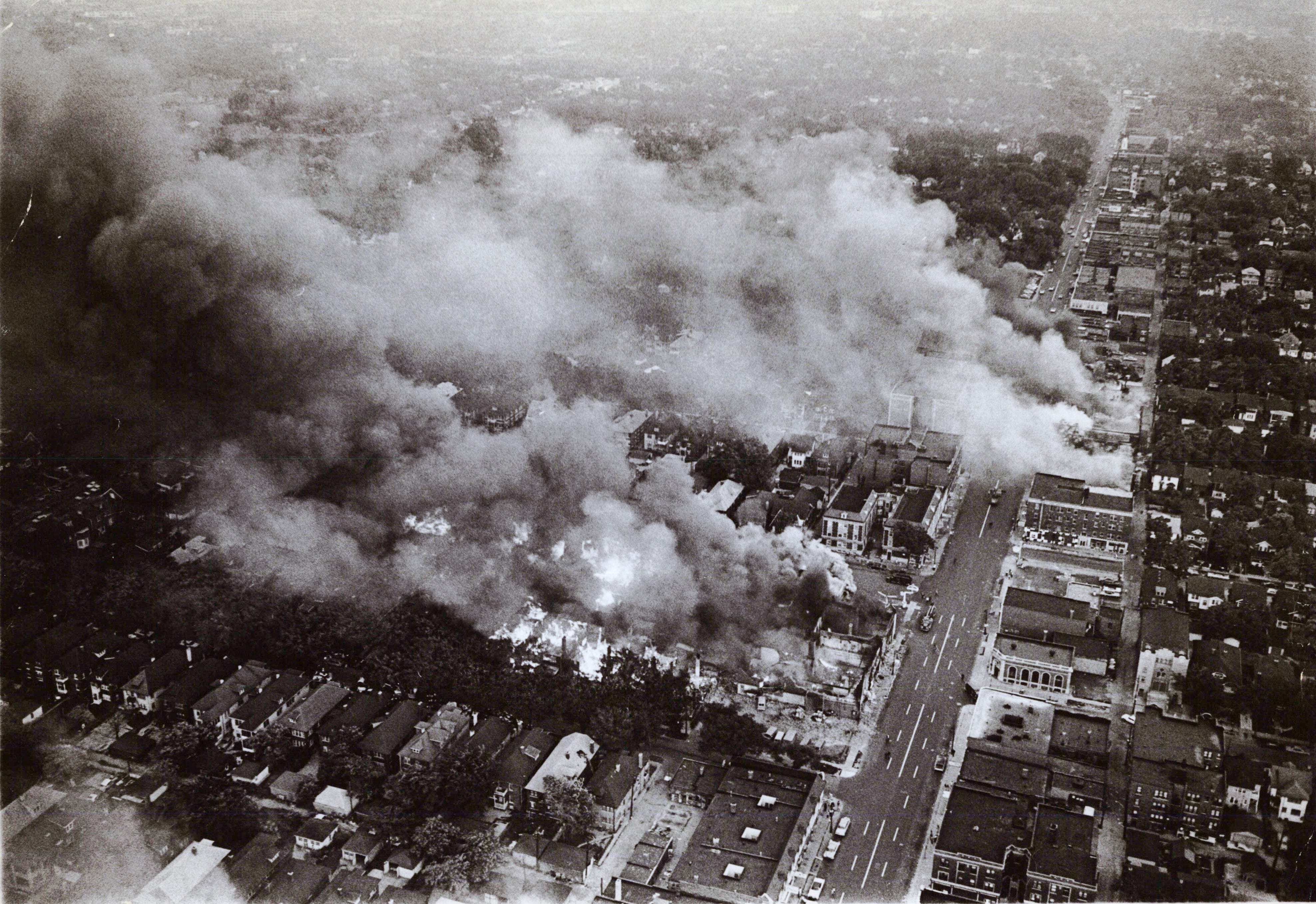
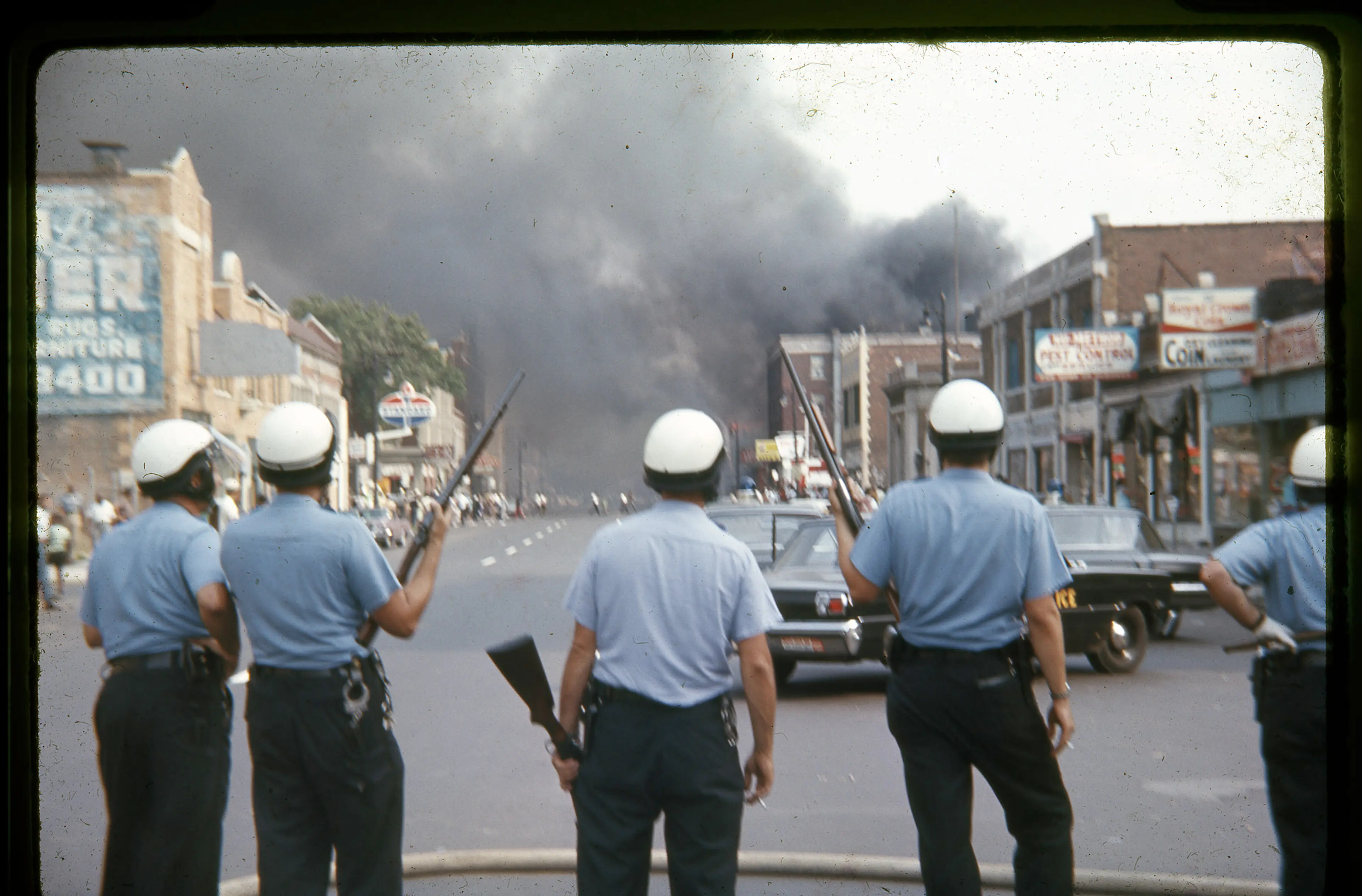
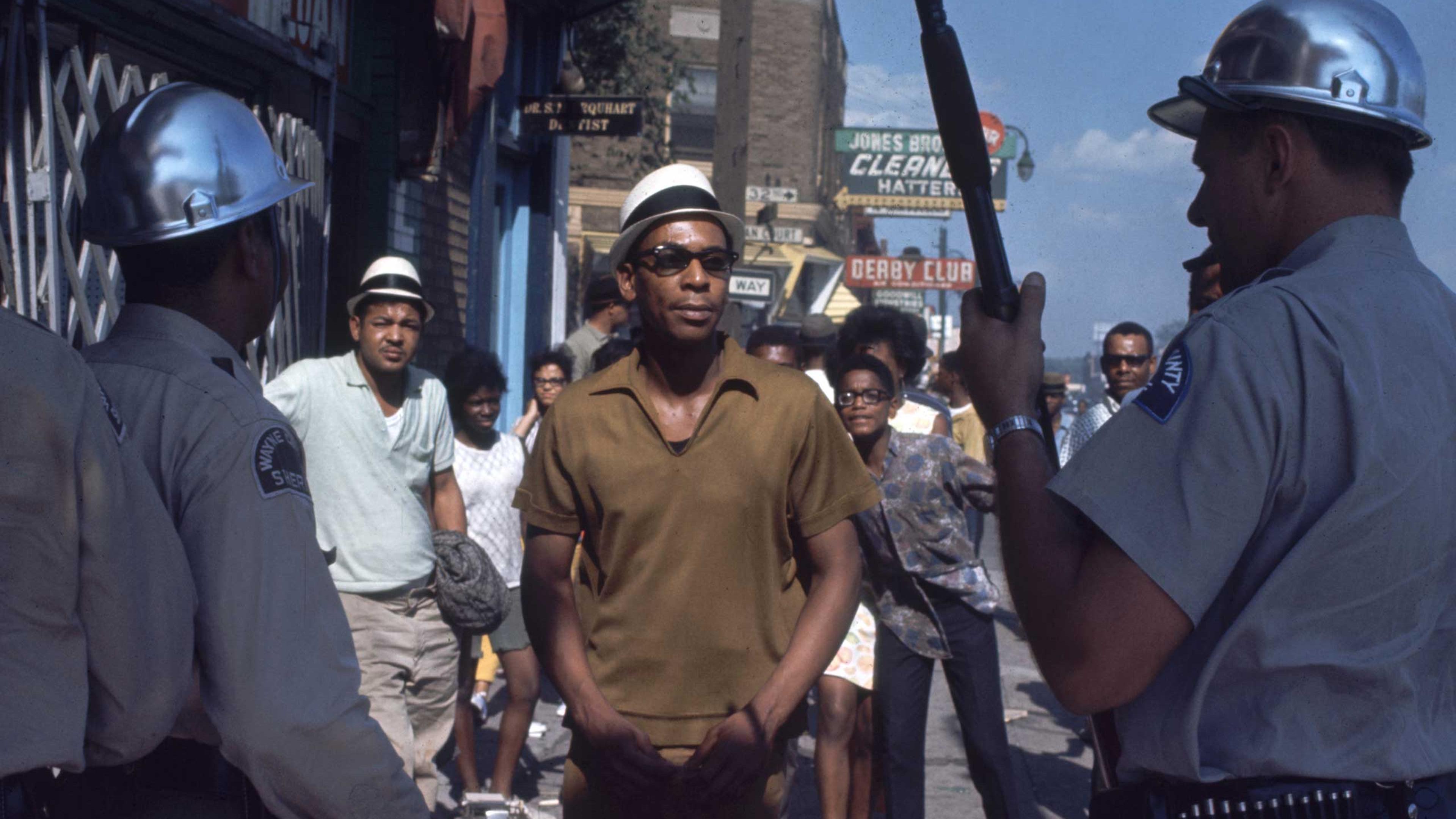
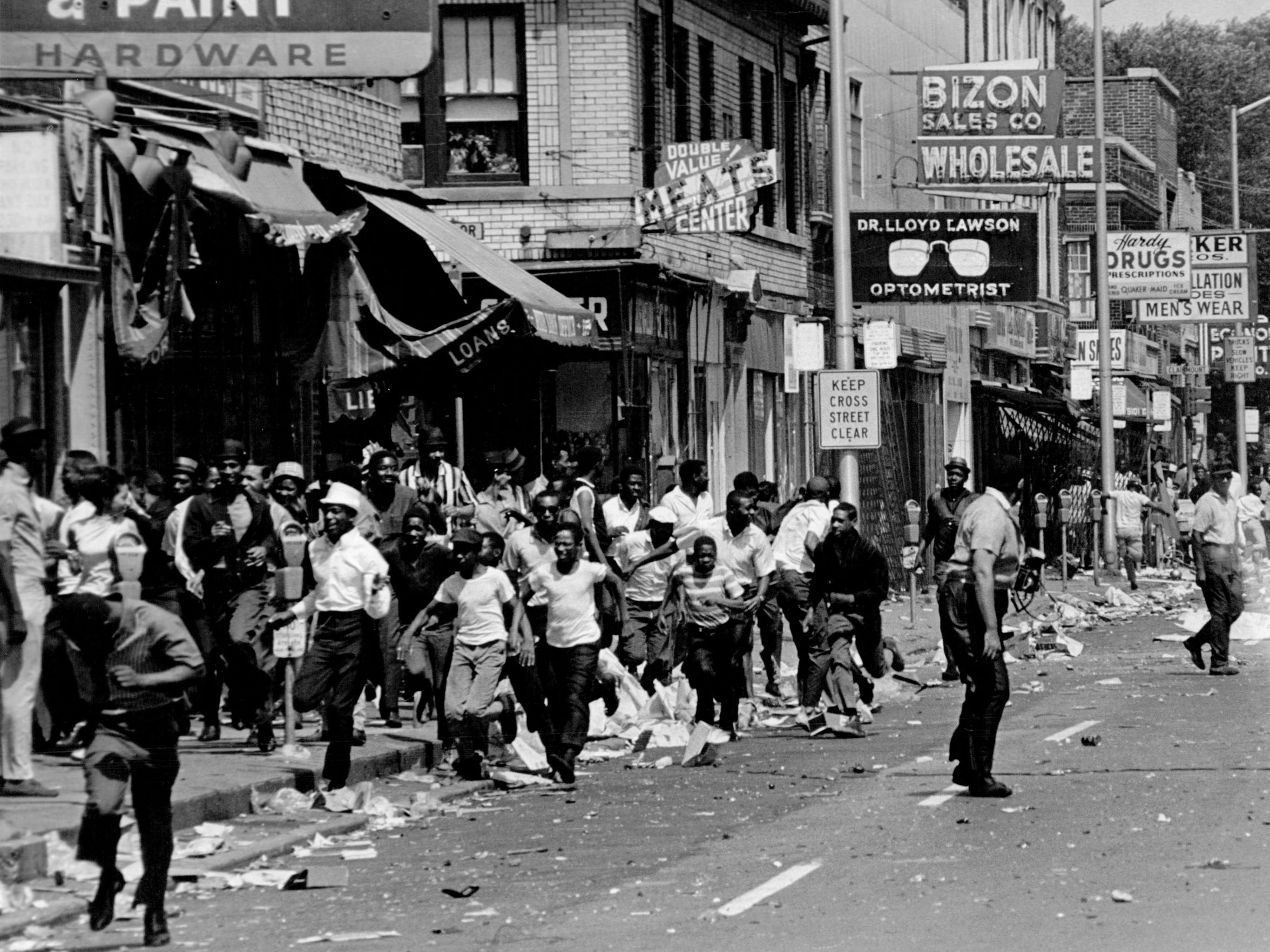
The 1967 Detroit riot, also known as the Detroit rebellion or the 12th Street riot, was one of the most violent and destructive urban civil disturbances in United States history. Beginning in the early morning hours of July 23, 1967, the uprising lasted for five days, resulting in 43 deaths, thousands of injuries, widespread arson, and extensive property destruction that fundamentally reshaped the social, political, and economic fabric of Michigan's largest city.
Historical Context and Underlying Tensions of Mid-Century Detroit
To understand the 1967 Detroit riot, one must examine the profound demographic, economic, and social shifts that transformed the city during the mid-20th century. Detroit had experienced an unprecedented economic boom driven by the automotive industry, attracting hundreds of thousands of African American workers from the American South during the Great Migration. This rapid industrial expansion created a thriving Black middle class and established vibrant cultural and commercial districts, most notably along 12th Street and Paradise Valley.
However, this prosperity was deeply inequitable. Deeply entrenched systemic racism governed housing, employment, and law enforcement. Municipal policies, federal housing practices, and restrictive real estate covenants confined Black residents to overcrowded, deteriorating neighborhoods with limited access to quality services. As manufacturing jobs began to decentralize and move to the surrounding suburbs in the post-World War II era, employment opportunities for urban Black workers dwindled.
Simultaneously, the Detroit Police Department operated with minimal accountability and deeply strained relations with the Black community. The department was overwhelmingly white—policing neighborhoods that were rapidly shifting demographically—and frequently employed aggressive tactics, including widespread stop-and-search practices and physical harassment. These accumulated grievances created a volatile environment where a single spark could ignite widespread social unrest.
The Catalyst: The 12th Street Police Raid and the Spark of Unrest
The immediate trigger for the 1967 Detroit riot occurred around 3:45 a.m. on Sunday, July 23, 1967. Officers from the Detroit Police Department raided an unlicensed after-hours club, known locally as a "blind pig," located above a printing shop on 12th Street on the city's west side. While the police expected to arrest a handful of patrons, they instead found more than 80 people inside celebrating the return of two Vietnam War veterans.
Rather than dispersing the crowd quickly, police detained all attendees while waiting for transportation to arrive. As the detained patrons were led out into the humid summer night, a large and angry crowd gathered on the street to protest what they viewed as yet another instance of selective enforcement and harassment. Initial altercations between onlookers and police escalated. A bottle was thrown at a police car, and windows of nearby establishments were broken.
Although police commanders briefly cleared the immediate intersection, law enforcement forces were spread too thin to maintain control as the crowd dispersed into the surrounding neighborhood, breaking into local stores and initiating looting. City leadership initially hoped the disturbance would burn itself out, but by Sunday afternoon, civil authorities lost control of the streets, and the unrest spread rapidly across multiple neighborhoods on the city's west and east sides.
| Event Phase | Date Range | Primary Characteristics | Key Outcomes |
|---|---|---|---|
| Initial Outbreak | July 23, 1967 | Police raid on 12th Street; crowd gathering; early looting and vandalism. | Spread of unrest across west side neighborhoods; failure of initial containment. |
| Escalation & Crisis | July 24–25, 1967 | Widespread arson, sniper reports, commercial destruction, and civilian-police clashes. | Deployment of Michigan National Guard; request for federal military intervention. |
| Federal Intervention | July 26–27, 1967 | Arrival of U.S. Army airborne troops; imposition of curfews and weapons bans. | Cessation of widespread violence; stabilization of municipal infrastructure. |
| Aftermath & Assessment | July 28, 1967 onward | Lifting of the state of emergency; damage assessment; establishment of Kerner Commission. | Over 7,200 arrests; 43 deaths; mass white flight and long-term economic decline. |
Government Response, Martial Law, and Federal Military Deployment
As the violence escalated over the first 36 hours, local police forces and the Michigan State Police proved incapable of securing the sprawling metropolitan area. Arsonists targeted commercial buildings, grocery stores, and furniture shops, creating firestorms that overwhelmed the Detroit Fire Department. Firefighters responding to blazes were frequently targeted by gunfire, forcing fire crews to pull back without extinguishing major fires, which allowed entire city blocks to burn.
Michigan Governor George Romney mobilized the Michigan National Guard on Sunday, July 23, but initial deployment was slow and uncoordinated. Concurrently, President Lyndon B. Johnson faced intense pressure from state and local officials to invoke the Insurrection Act of 1807. Despite initial hesitation regarding the deployment of federal troops to an American city without the formal consent of the state governor, President Johnson authorized the deployment of the U.S. Army’s 82nd and 101st Airborne Divisions on Tuesday, July 25.
The arrival of more than 4,700 federal combat troops, joined by thousands of National Guardsmen and local police, brought a decisive end to the active rioting. Heavily armed federal soldiers patrolled the streets in armored personnel carriers, enforcing a strict evening curfew, banning the sale of alcohol and firearms, and establishing checkpoints across the city. By July 28, the situation had stabilized sufficiently for troops to begin withdrawing, and the state of emergency was officially lifted.
Casualties, Arrests, and the Human Cost of the Rebellion
The human toll of the 1967 Detroit riot was devastating. Over the five days of unrest, 43 people lost their lives. Among the dead, 33 were African American and 10 were white. The fatalities included civilians caught in crossfire, looters shot by law enforcement or property owners, firefighters, and law enforcement officers. Notably, several individuals were killed under controversial circumstances, highlighting the chaotic and undisciplined nature of the armed response.
The judicial and penal systems were similarly overwhelmed. Law enforcement agencies arrested more than 7,200 people, ranging from juveniles to senior citizens, on charges spanning from curfew violations to looting and arson. Temporary detention facilities, including the Belle Isle recreation center and local precinct garages, were packed beyond capacity. Many defendants were processed through hastily convened courts without adequate legal representation, facing excessive bail amounts that disproportionately affected low-income Black residents who could not afford release while awaiting trial.
Property damage was catastrophic. More than 2,500 buildings were looted or burned, resulting in tens of millions of dollars in direct property losses. Thousands of small businesses, many owned by Jewish merchants who had served the community for decades, were destroyed. Insurance claims skyrocketed, and many insurance companies canceled policies or raised rates prohibitively across Detroit's urban core, accelerating the abandonment of commercial strips.
The Kerner Commission Investigation and National Findings
In the wake of the urban rebellions that struck Detroit, Newark, and dozens of other American cities in the summer of 1967, President Johnson established the National Advisory Commission on Civil Disorders, commonly known as the Kerner Commission, led by Illinois Governor Otto Kerner Jr. The commission was tasked with answering three fundamental questions: What happened? Why did it happen? What could be done to prevent it from happening again?
Published in February 1968, the commission's report delivered a blunt and historic verdict. It rejected the narrative that the riots were caused by outside agitators or criminal conspiracies, identifying institutional racism and socioeconomic inequality as the primary catalysts. The report famously warned:
"Our nation is moving toward two societies, one black, one white—separate and unequal."
The Kerner Commission documented pervasive discrimination in employment, education, and housing, while explicitly criticizing police practices and the lack of municipal responsiveness to minority grievances. Despite its comprehensive recommendations—which called for massive federal investments in urban housing, job creation, and welfare programs—most of the report's policy proposals were ignored or actively opposed by the federal government amid a shifting political climate.
Long-Term Sociological and Economic Transformations in Detroit
The 1967 Detroit riot acted as a major catalyst for demographic and economic shifts that reshaped the region for decades. Even before 1967, Detroit’s population had begun to decentralize, but the unrest accelerated white flight to the surrounding suburbs at an unprecedented rate. Middle-class Black families who had the financial means also began leaving the urban center for neighborhoods in the northwestern sections of the city or nearby suburbs.
This massive exodus of residents and businesses stripped the city of its tax base, leading to severe municipal budget deficits, deteriorating public infrastructure, and underfunded public schools. Downtown Detroit, once a bustling commercial hub, experienced decades of economic stagnation and commercial vacancy as retail centers relocated to suburban shopping malls.
However, the rebellion also spurred significant political mobilization within Detroit's Black community. Activists and community leaders organized to demand political representation commensurate with the city's changing demographics. This momentum culminated in the 1973 election of Coleman Young, Detroit's first Black mayor, who sought to reform the police department, increase minority municipal employment, and address urban disinvestment, even as the city continued to grapple with structural economic headwinds.
Frequently Asked Questions About the 1967 Detroit Riot
What caused the 1967 Detroit riot?
The 1967 Detroit riot was caused by a combination of long-standing systemic grievances, including severe racial discrimination in housing and employment, police brutality, urban poverty, and municipal neglect. The immediate catalyst was a police raid on an unlicensed after-hours club on 12th Street that sparked angry resistance from local residents.
How many people died during the Detroit riot?
A total of 43 people died during the five days of unrest. Of these fatalities, 33 were African American and 10 were white. The deaths resulted from gunfire, arson, and tactical operations involving law enforcement, the National Guard, and federal troops.
What was the role of the U.S. Army in the Detroit riot?
President Lyndon B. Johnson deployed more than 4,700 federal combat troops from the 82nd and 101st Airborne Divisions on July 25, 1967, at the request of state and local officials. These troops restored order by enforcing strict curfews, establishing checkpoints, and securing commercial corridors alongside the Michigan National Guard.
What was the Kerner Commission report?
The Kerner Commission was a presidential advisory group established to investigate the causes of the 1967 urban riots. Its 1968 report concluded that institutional racism, segregation, and economic inequality were driving the unrest, warning that the nation was dividing into two separate and unequal societies.
How did the 1967 riot impact Detroit's economy?
The riot resulted in the destruction of over 2,500 buildings and accelerated white flight and middle-class migration to the suburbs. This migration eroded the city's tax base, reduced employment opportunities within the urban core, and triggered decades of economic decline and commercial disinvestment.
Strategic Urban Assessment and Historical Preservation
Examining the 1967 Detroit riot requires balancing documentation of immediate violence with an analysis of underlying systemic factors. Contemporary historians, sociologists, and urban planners study the event not merely as a localized breakdown of public order, but as a critical turning point in American civil rights history. Preserving oral histories, archival photographs, and municipal records remains essential for understanding how municipal policies, policing practices, and economic inequalities interact during periods of profound social crisis. Researchers and policymakers investigating urban resilience continue to reference the lessons of 1967 to address contemporary challenges of equitable development and community-police relations.