The year 1948 marked a transformative turning point for the global film industry, characterized by the crumbling of Hollywood studio monopolies, the rise of post-war European neorealism, and significant technological and distribution shifts that redefined motion picture production for decades to come.
Historical Context and Post-War Cultural Shifts
The cinematic output of 1948 unfolded against a backdrop of profound geopolitical and social reorganization. Following the conclusion of the Second World War, audiences sought both escapism and grounded reflections on human endurance. Film studios worldwide faced acute economic pressures, including raw material shortages—such as the rationing of celluloid film stock in various European nations—and shifting demographic patterns as soldiers returned home and families migrated to expanding suburban areas.
In the United States, the post-war baby boom had not yet peaked, but the domestic box office was beginning to plateau after reaching historic wartime highs in 1946. Studios were forced to re-evaluate their production slates, moving away from breezy wartime morale boosters toward darker psychological dramas, gritty film noir, and socially conscious problem pictures. This cultural environment fostered a willingness among filmmakers to experiment with location shooting, complex moral ambiguities, and mature themes that challenged traditional production codes.
The Paramount Decree and the Decoupling of Hollywood Studios
The most significant structural event impacting American cinema in 1948 was the United States Supreme Court ruling in the antitrust case United States v. Paramount Pictures, Inc. Delivered on May 3, 1948, this landmark decision fundamentally altered the economics of the Hollywood studio system. For decades, the "Big Five" studios (MGM, Paramount, Warner Bros., 20th Century Fox, and RKO) and the "Little Three" (Universal, Columbia, and United Artists) maintained absolute control over the industry through vertical integration, owning production studios, distribution networks, and the most prestigious first-run movie theaters.
The Supreme Court ruled that this monopolistic control stifled fair competition and violated federal antitrust laws. The studios were ordered to divorce their exhibition arms from their production and distribution operations, and practices such as block booking—forcing independent theaters to purchase blocks of inferior films to secure top-tier releases—were banned. Although the complete divestiture and restructuring took years to implement fully, 1948 initiated the slow death of the classic studio system, eventually leading to independent production financing, the rise of the package-unit system, and greater creative freedom for individual filmmakers and actors.
Artistic Triumphs: International Milestones of 1948
While Hollywood grappled with legal and structural upheaval, international cinema achieved staggering artistic heights, most notably through the Italian Neorealism movement. Vittorio De Sica’s 1948 masterpiece, Bicycle Thieves (Ladri di biciclette), became a defining work of world cinema. Utilizing non-professional actors, authentic working-class Roman locations, and a deep humanistic empathy, the film explored economic desperation and moral decay in post-war Italy. De Sica's work, alongside Roberto Rossellini's earlier breakthroughs, established a gritty aesthetic vocabulary that influenced generations of independent filmmakers globally.
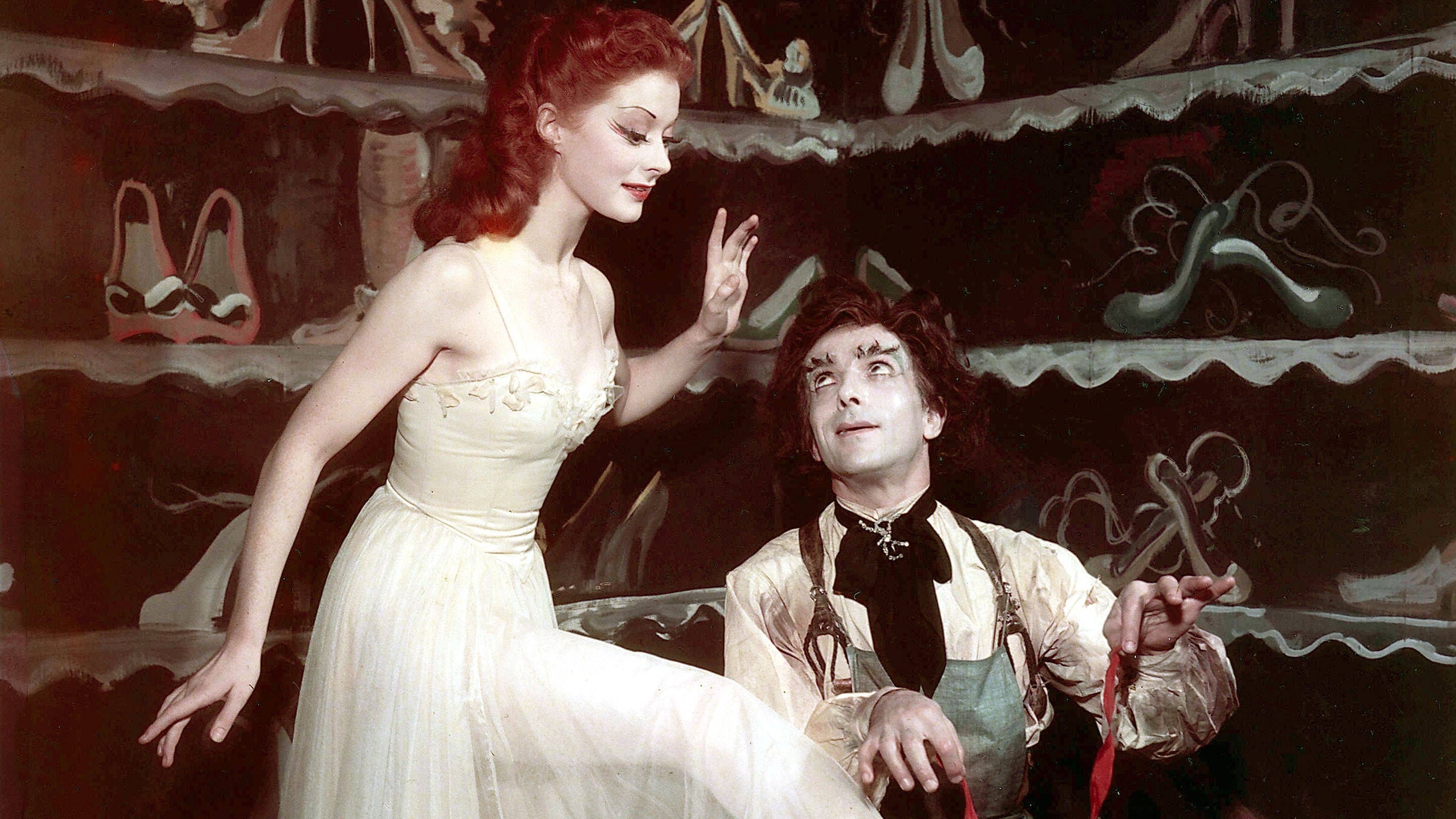
At the same time, British cinema was experiencing a golden age under the auspices of the Rank Organisation and Ealing Studios. Films released in 1948, such as David Lean’s adaptation of Charles Dickens’ Oliver Twist and Michael Powell and Emeric Pressburger’s hypnotic ballet drama The Red Shoes, demonstrated British technical mastery, lush Technicolor cinematography, and sophisticated narrative construction. The Red Shoes in particular remains a landmark of cinematic art direction and musical integration, showcasing the medium's capacity for sensory immersion.
| Film Title | Director | Country | Primary Genre | Notable Legacy / Significance |
|---|---|---|---|---|
| Bicycle Thieves | Vittorio De Sica | Italy | Drama / Neorealism | Globally celebrated masterpiece of Italian Neorealism; redefined location shooting and social realism. |
| The Red Shoes | Michael Powell, Emeric Pressburger | United Kingdom | Drama / Musical | Landmark Technicolor production renowned for its surreal ballet sequences and artistic influence. |
| Hamlet | Laurence Olivier | United Kingdom | Historical Drama | First British sound film to win the Academy Award for Best Picture; pioneered psychological Shakespearean adaptation. |
| The Treasure of the Sierra Madre | John Huston | United States | Adventure / Western | Gritty exploration of greed; won Academy Awards for directing and screenwriting for Huston. |
Technological Advancements and Production Standards
Technological progress in 1948 laid the groundwork for visual and auditory modernization in motion pictures. While color cinematography (predominantly via Technicolor’s cumbersome three-strip process) was increasingly utilized for prestige epics and musicals, black-and-white photography remained the standard for gritty dramas, film noir, and low-budget features due to lower lighting requirements and production costs.
Sound recording also saw incremental refinements, with magnetic tape recording beginning to replace optical sound recording in post-production workflows, offering higher fidelity and easier editing capabilities. Studio backlots remained vital, but 1948 accelerated the industry-wide trend toward authentic location shooting, requiring lighter, more mobile camera equipment and portable lighting units. These technical adaptations reduced reliance on massive indoor sound stages, paving the way for the French New Wave and American New Hollywood movements of subsequent decades.
Economic Realities and Box Office Dynamics
The financial landscape of the 1948 film industry was marked by shifting revenue streams and rising production expenditures. As foreign markets—particularly war-ravaged Europe—slowly rebuilt their domestic film industries and imposed import quotas or tariffs on Hollywood imports, American studios lost a lucrative slice of their overseas profits. Domestically, the early signs of television adoption began to flicker in urban households, though the true mass-market television boom arrived in the 1950s.
To combat rising costs and shrinking profit margins, studios began streamlining their output. The "B-movie" divisions that had reliably produced low-cost genre programmers for decades started to phase out or downscale. Independent production companies gained leverage as bank financing became more accessible to independent producers who could secure bankable stars outside the studio contract system. This economic pressure cooker forced studios to prioritize high-budget "event" films and prestige roadshow titles that could command premium ticket prices.
Frequently Asked Questions
What was the most important legal development for films released in 1948?
The most consequential legal development was the Supreme Court antitrust ruling in United States v. Paramount Pictures, Inc., delivered in May 1948. This decision dismantled the studio system by forcing major Hollywood studios to divest their movie theater chains and end monopolistic distribution practices like block booking.
How did Italian Neorealism influence the 1948 global film market?
Italian Neorealism provided a powerful alternative to Hollywood gloss. Through landmark films like Bicycle Thieves, released in 1948, it popularized location shooting, the use of non-professional actors, and stories focused on the struggles of the working class, inspiring international art-house movements.
Which 1948 film won the Academy Award for Best Picture?
The British adaptation of Hamlet, directed by and starring Laurence Olivier, won the Academy Award for Best Picture at the 21st Academy Awards held in early 1949. It remains a rare instance of a Shakespearean adaptation and a non-Hollywood production claiming the industry's top honor.
Were color films common in 1948 productions?
Color films were still relatively rare and considered prestigious events in 1948. While Technicolor was utilized for high-profile musicals, historical dramas, and select westerns, the vast majority of motion pictures produced globally that year were shot in black and white due to equipment costs and lighting complexities.
What role did television play in the 1948 film industry?
In 1948, television was still in its infancy and restricted primarily to major urban centers in the United States. While it did not yet pose an existential threat to box office attendance, industry executives recognized its long-term potential, prompting quiet internal strategizing about how to compete with the emerging home medium.
Strategic Navigation of Mid-Century Cinema Research
Researchers, historians, and educators examining the cinematic landscape of 1948 must look beyond standard box office tallies to understand the era's true significance. Analyzing trade publications from the period, court documents from antitrust proceedings, and contemporary international critical reception reveals an industry at war with its own economic foundations. When evaluating films from this year, prioritize original release prints, restoration notes from archives such as the Criterion Collection or the British Film Institute, and documented production histories to distinguish between studio marketing mythologies and historical reality.