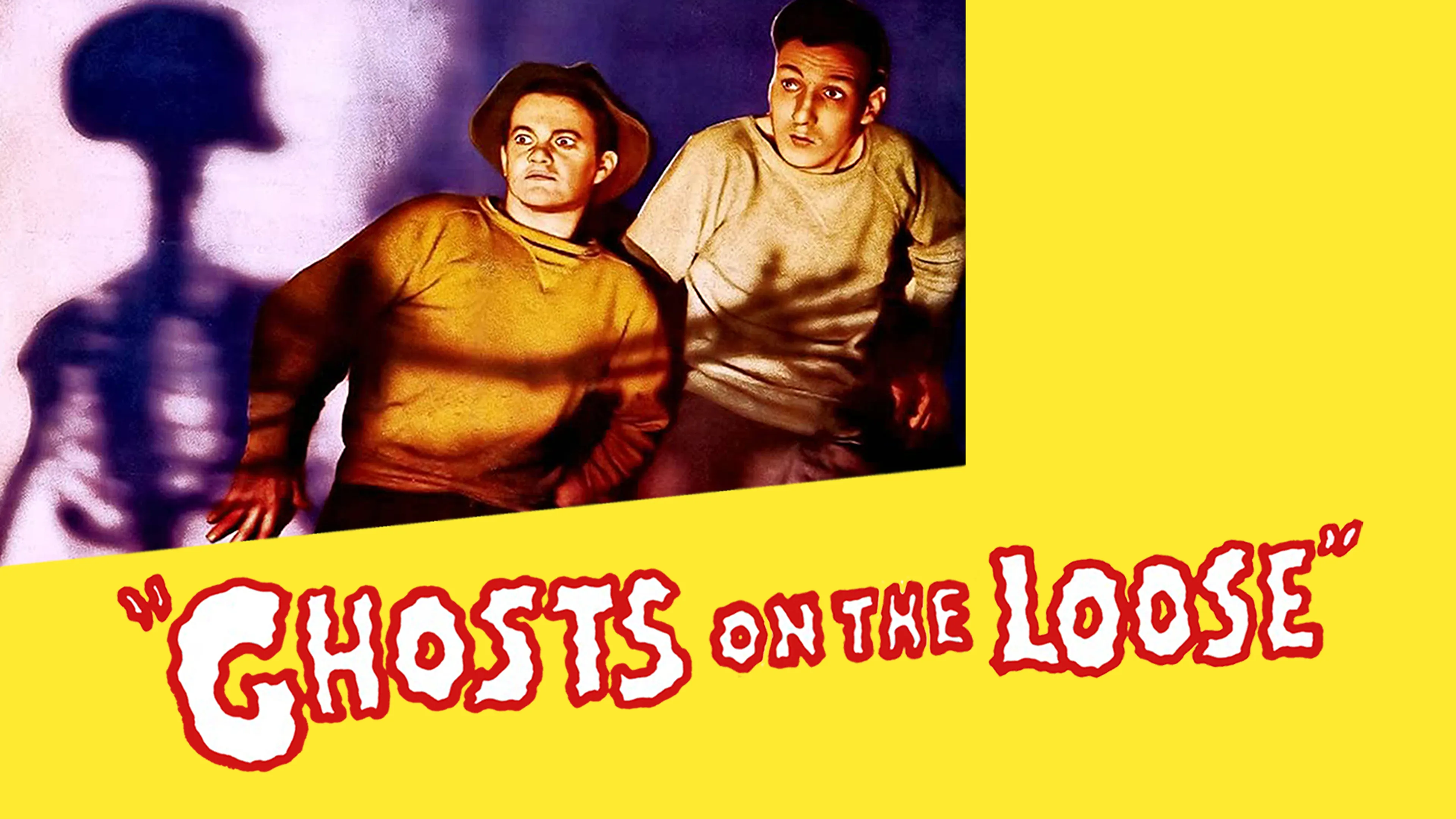
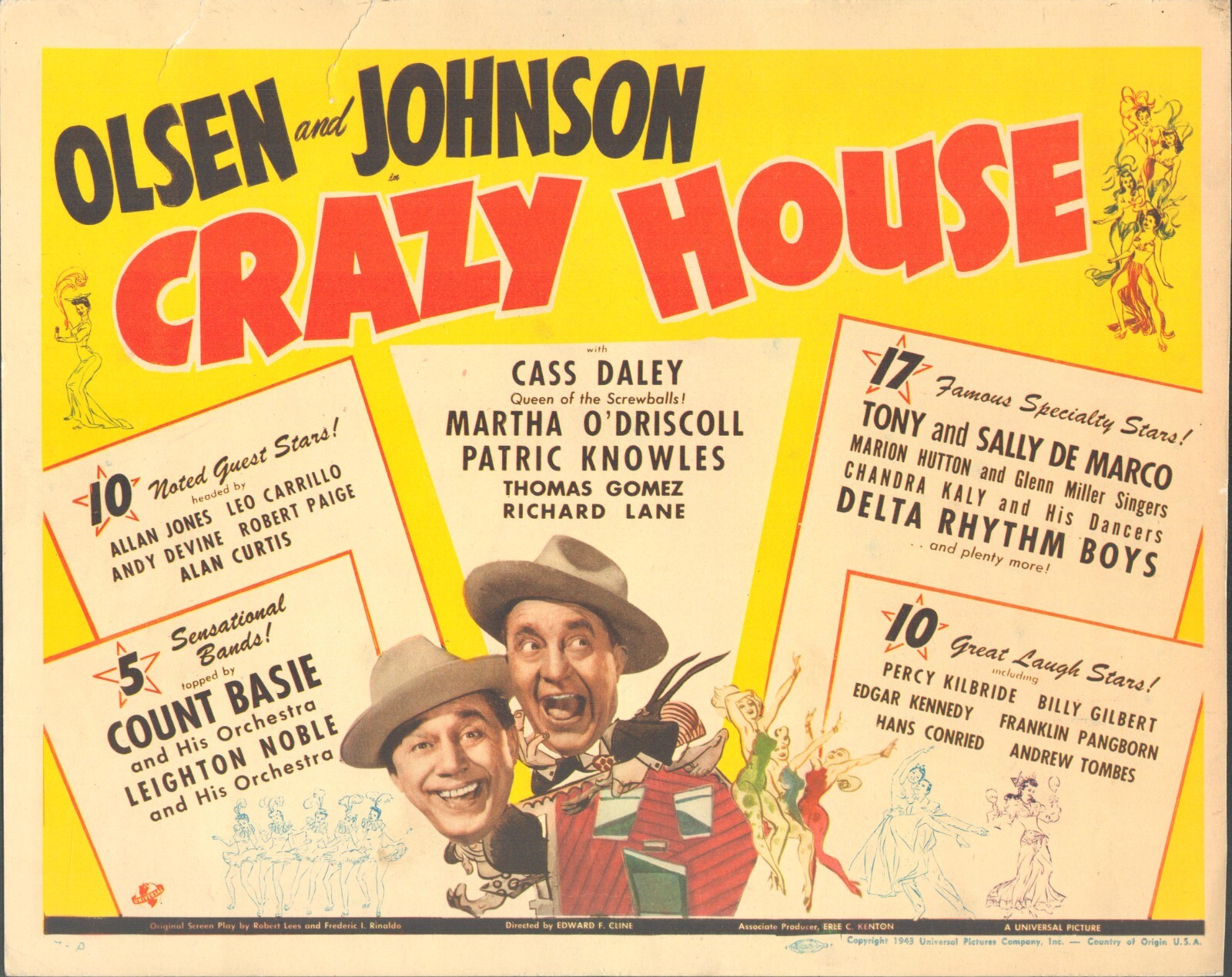
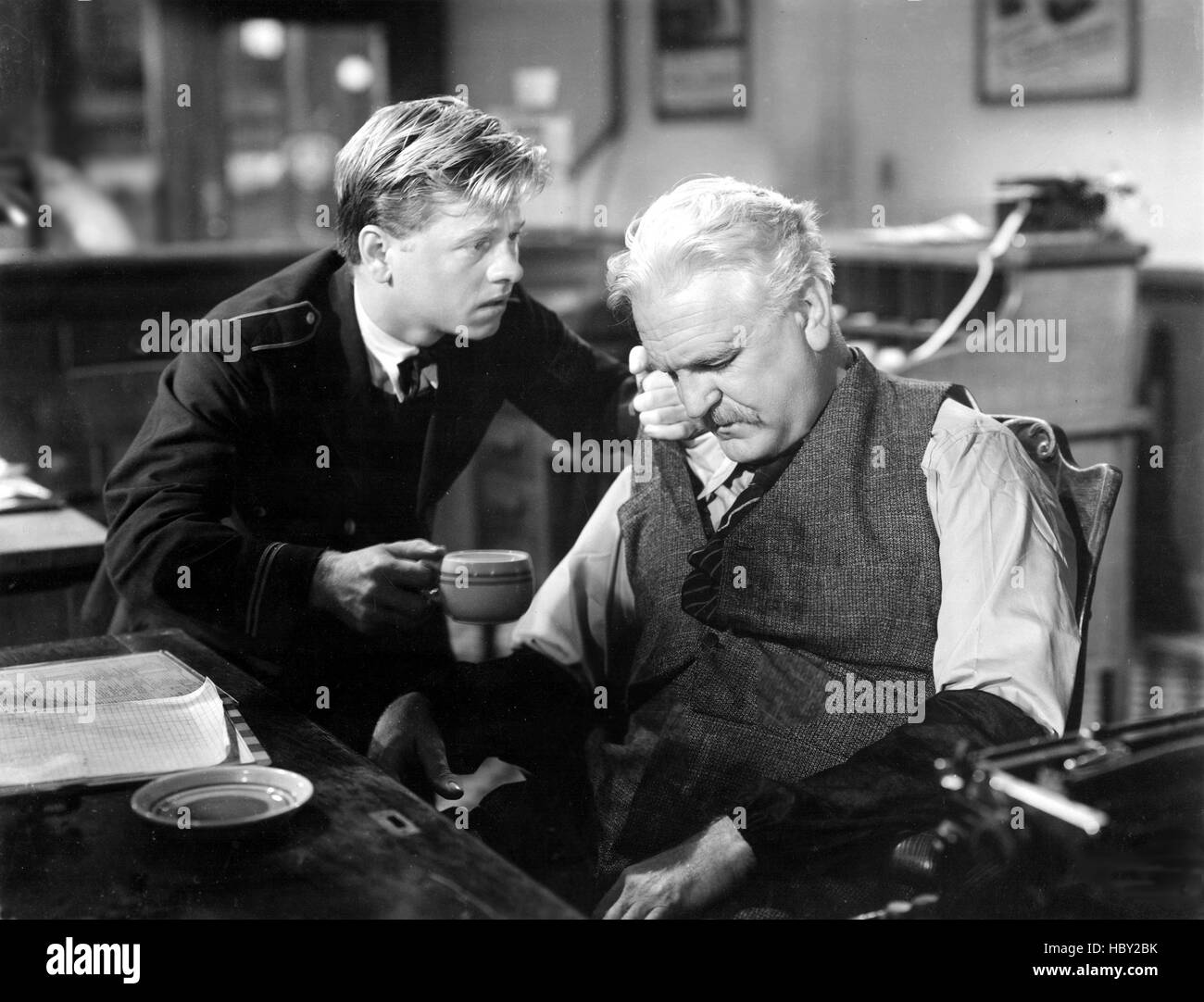
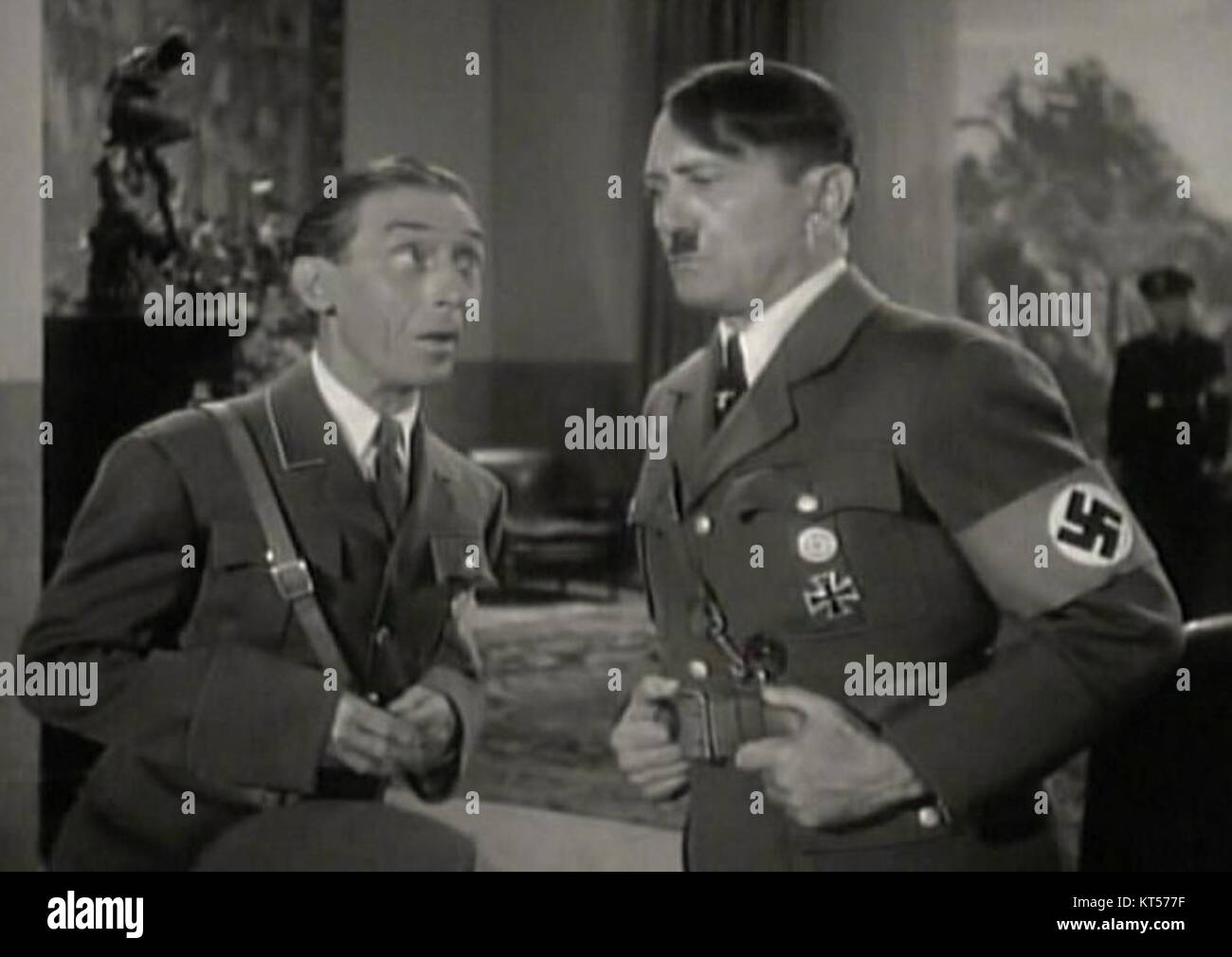
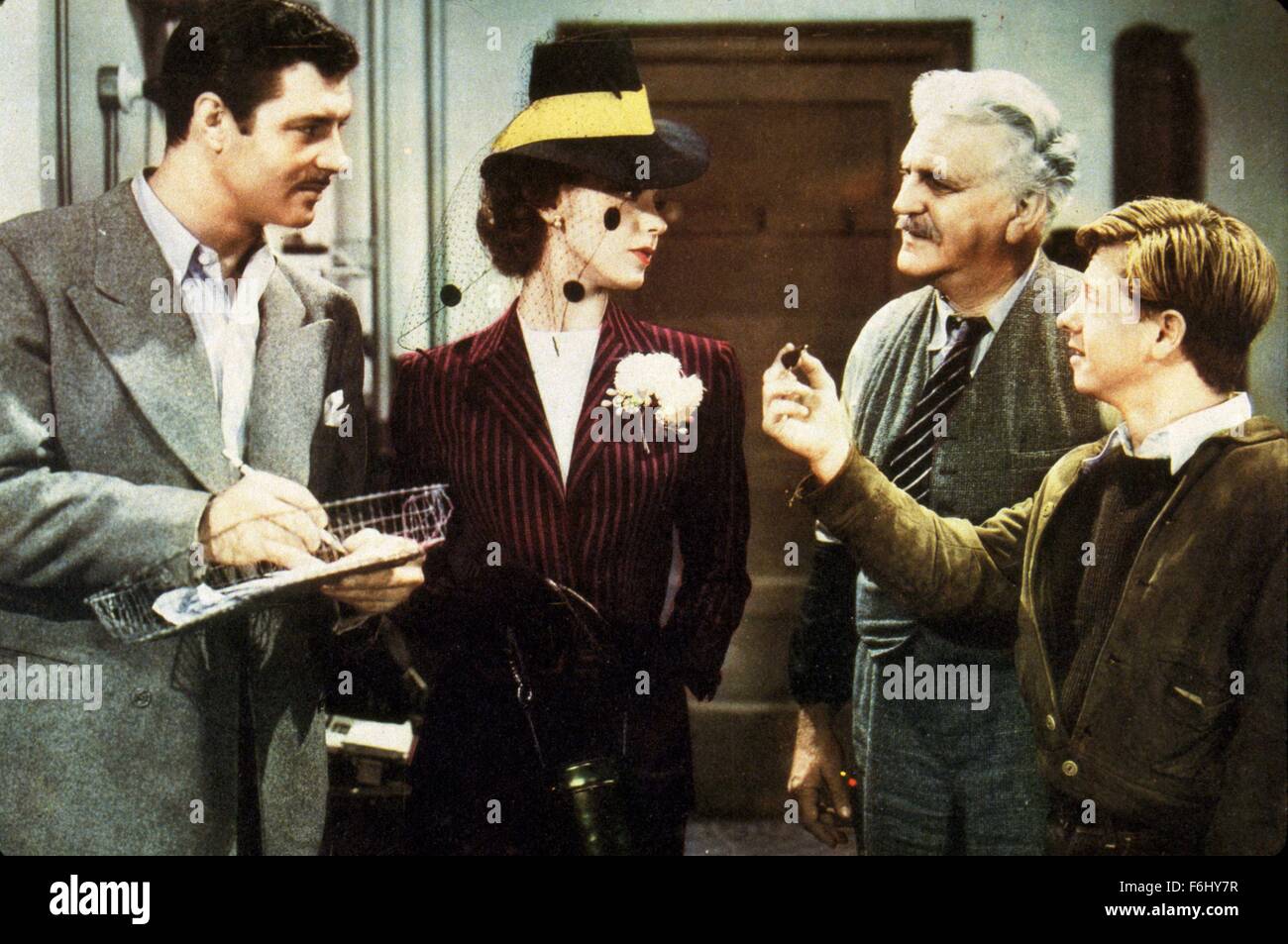
The cinematic landscape of 1943 comedy was heavily shaped by World War II, balancing lighthearted escapism with patriotic themes, morale-boosting revues, and sophisticated screwball humor to distract and entertain audiences during a global crisis.
The Cultural Context of Wartime Humor in 1943
During the height of World War II, motion picture studios played a critical role in maintaining civilian morale. The comedy films released in 1943 reflected a distinct cultural duality. On one hand, audiences sought refuge from the grim realities of rationing, military service, and newsreel casualty reports through pure escapism. On the other hand, the war effort directly permeated studio lots, influencing script selections, casting choices, and the thematic underpinnings of mainstream humor.
The Office of War Information (OWI) maintained a Bureau of Motion Pictures, which reviewed scripts and advised studios on how to support the war effort effectively. Comedy directors and writers had to navigate these guidelines carefully. Rather than relying solely on cynical satire or pure slapstick, 1943 comedies frequently incorporated plotlines involving home front sacrifices, military training camp mishaps, bond drives, and the integration of women into the wartime workforce. This fusion allowed audiences to laugh at their own daily struggles while reinforcing a sense of national unity and shared purpose.
Defining Subgenres of 1943 Cinema
The comedies of 1943 did not belong to a single monolithic style; rather, they spanned several distinct subgenres that catered to diverse audience segments. Understanding these categories illuminates how Hollywood adapted its comedic formulas to wartime constraints.
Screwball comedy, which had dominated the late 1930s, evolved significantly by 1943. While classic screwball relied heavily on fast-paced banter and eccentric romance among the wealthy elite, wartime entries often grounded their eccentricities in domestic realism or patriotic duty. Romantic pairings were frequently placed in situations involving wartime housing shortages, rationing boards, or military service.
Slapstick and musical comedy revues also experienced a massive surge in popularity. Studios realized that variety formats and physical comedy acts provided immediate, visceral relief for audiences. Vaudeville veterans and radio stars transitioned smoothly to the silver screen, bringing established routines that relied on rapid-fire gags rather than complex narrative structures.
| Subgenre | Key Characteristics | Typical Themes | Representative 1943 Example |
|---|---|---|---|
| Screwball Comedy | Rapid-fire banter, romantic friction, eccentric characters | Domestic life, wartime adjustments, class dynamics | The More the Merrier |
| Musical Revue / Variety | Song-and-dance numbers, celebrity cameos, sketch comedy | Entertainment troops, studio morale, home front support | Thank Your Lucky Stars |
| Armed Forces Slapstick | Military camp settings, mistaken identity, physical gags | Induction trials, boot camp, rivalries | Buck Privates (and subsequent service comedies) |
| Dark / Satirical Comedy | Subversive wit, macabre premises, moral ambiguity | Crime, family eccentricities, social hypocrisy | Shadow of a Doubt (blending thriller and dark humor elements) |
Landmark Releases and Critical Successes
Several films from 1943 stand out as definitive examples of the era's comedic achievement, balancing box-office success with lasting critical acclaim. George Stevens' The More the Merrier, released by Columbia Pictures, remains one of the definitive achievements of wartime romantic comedy. Set against the backdrop of a severe housing shortage in Washington, D.C., the film follows a government worker who reluctantly sublets half her apartment to an eccentric retired millionaire, who in turn plays matchmaker with a young defense worker. The picture earned multiple Academy Award nominations, including Best Picture, demonstrating that wartime comedies could achieve high artistic merit alongside commercial appeal.
Another notable release was Heaven Can Wait, directed by Ernst Lubitsch. This sophisticated Technicolor comedy-fantasy utilized Lubitsch's signature "touch" to examine the life of a deceased playboy recounting his earthly escapades to Satan. Though more satirical and reflective than the frantic housing-shortage comedies, it offered audiences an elegant, escapist journey into a bygone era of leisurely opulence, providing a sharp contrast to the austere realities of 1943.
Musical comedies also dominated the box office. Warner Bros.' Thank Your Lucky Stars featured an all-star studio cast performing comedic sketches and musical numbers to raise funds for the Army Theatrical Fund. Films of this nature blurred the line between cinematic narrative and live-stage revues, ensuring that moviegoers felt a direct connection to the ongoing military campaigns.
Key Directors and Performers Defining the Era
The comedic output of 1943 was driven by a distinct roster of directors and actors who mastered the art of pacing, timing, and audience engagement under wartime pressure. Directors like Ernst Lubitsch, George Stevens, and Preston Sturges—though Sturges' major peak spanned slightly earlier and later years—established high standards for cinematic wit. Lubitsch possessed an unmatched ability to convey subtext and romance through visual cues and understated dialogue.
On screen, performers like Jean Arthur, Joel McCrea, Charles Coburn, and Bob Hope dominated the marquee. Bob Hope, through his extensive work with the USO and his cinematic roles in Paramount pictures, became the quintessential embodiment of wartime comedic relief. His persona combined nervous cowardice with wisecracking confidence, allowing audiences to process their own anxieties about the draft and combat through laughter.
Ensemble casts also flourished. Studios frequently paired reliable comic actors to maximize box-office returns, relying on established cinematic chemistry rather than untested formulas. This reliance on star power ensured that even films with conventional scripts benefited from charismatic execution.
The Production Impact of World War II on Studios
Making comedies in 1943 required navigating severe material shortages and regulatory hurdles. The War Production Board restricted the use of certain materials, directly impacting set design, wardrobe creation, and film stock allocation. Studios were limited to a specific weight allowance for costumes, forcing costume designers to innovate with simpler fabrics and contemporary civilian styles rather than lavish historical gowns.
Furthermore, the migration of actors and crew members to active military service created talent shortages across Hollywood lots. Many established comedic actors enlisted or spent months touring with the USO. Consequently, studios relied more heavily on older character actors, rising younger talent, and ensemble formats to maintain production schedules. Despite these constraints, the sheer demand for theatrical entertainment ensured that box-office revenues remained exceptionally high throughout 1943, cementing the cinema's role as an essential psychological sanctuary.
Long-Term Legacy and Cinematic Influence
The comedy films of 1943 laid crucial groundwork for the evolution of American screen humor in the post-war decades. By forcing filmmakers to innovate within strict budgetary and thematic boundaries, the era produced tightly scripted narratives that prioritized character interaction over expensive spectacle.
Modern film historians view 1943 not merely as a transitional year, but as a period where Hollywood perfected the art of the socially resonant comedy. The balance struck between escapism and acknowledging real-world pressures influenced subsequent generations of filmmakers who faced cultural crises. Today, streaming revivals and repertory cinema screenings continue to celebrate 1943 comedies for their crisp dialogue, impeccable timing, and enduring capacity to entertain across generations.
Frequently Asked Questions
What made 1943 comedies different from pre-war films?
Wartime comedies of 1943 were heavily influenced by government guidelines, material shortages, and the psychological need for morale-boosting escapism. While pre-war screwball comedies often focused on eccentric millionaires and frivolous romance, 1943 films frequently incorporated home front realities such as housing shortages, rationing, and military service into their plots.
Did the U.S. government censor comedies during World War II?
The Office of War Information (OWI) did not have direct censorship powers over domestic releases, but its Bureau of Motion Pictures reviewed scripts and offered voluntary recommendations. Studios frequently cooperated with these suggestions to ensure their films supported national unity and avoided undermining the war effort.
What was the most critically acclaimed comedy of 1943?
The More the Merrier, directed by George Stevens and starring Jean Arthur, Joel McCrea, and Charles Coburn, was widely regarded as one of the finest comedies of the year. It received multiple Academy Award nominations, including Best Picture, Best Director, and Best Screenplay, and earned Charles Coburn the Oscar for Best Supporting Actor.
How did material shortages affect the production of comedies in 1943?
The War Production Board imposed strict limits on raw materials, including film stock, metal, and fabric. Costume designers had to work within strict weight allowances for wardrobes, and set construction was scaled down, leading to more contemporary, streamlined settings rather than lavish, elaborate set pieces.
Why are 1943 comedies still studied by film historians today?
Historians study 1943 comedies to understand how popular culture functions as a psychological coping mechanism during national crises. These films demonstrate how Hollywood successfully balanced commercial entertainment with wartime propaganda and civic messaging without entirely sacrificing artistic integrity.