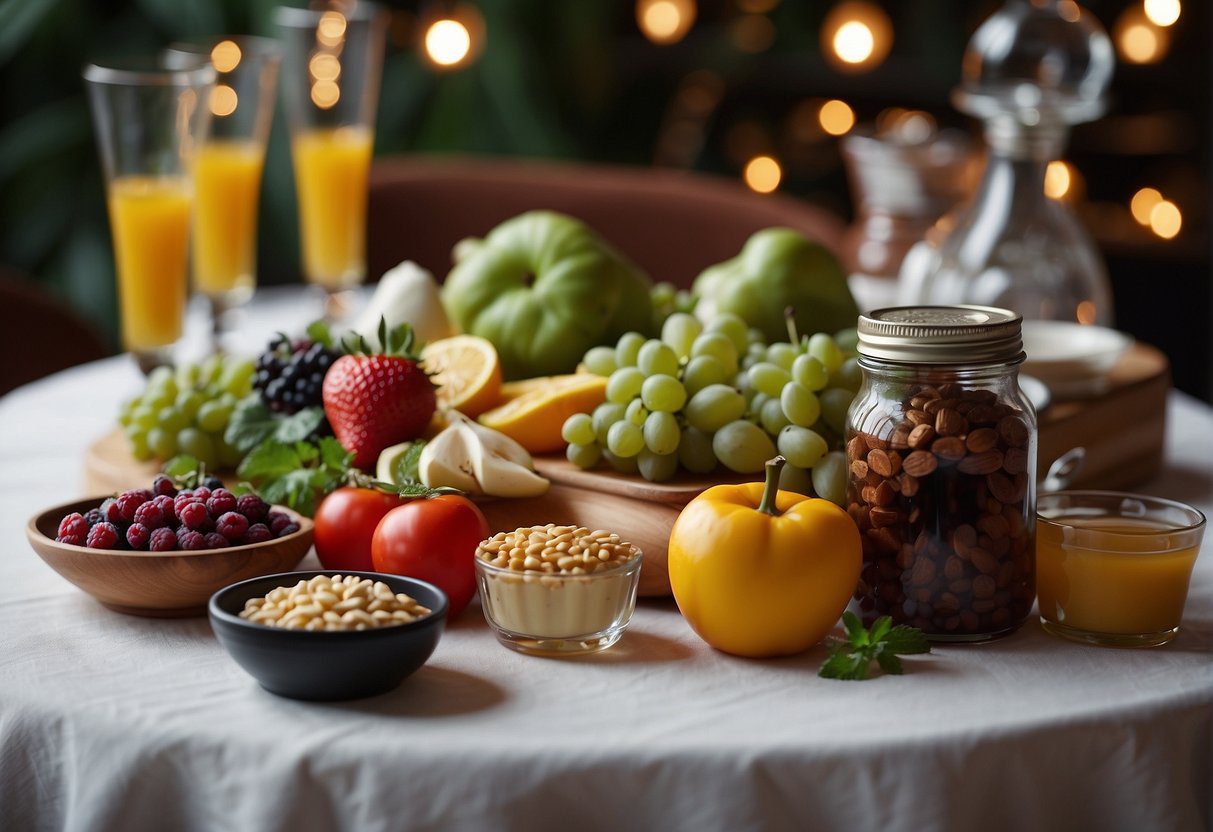
Certain foods have long been associated with the enhancement of libido, vitality, and physical intimacy. While many of these associations are rooted in cultural folklore and historical traditions, modern nutritional science confirms that several common ingredients support physiological pathways—such as blood circulation, hormone regulation, and stress reduction—that contribute significantly to overall reproductive health and desire.
Understanding the Nutritional Basis of Aphrodisiacs
The concept of an aphrodisiac, named after Aphrodite, the Greek goddess of love, refers to any substance that increases libido or sexual pleasure. From a physiological standpoint, there is no single "magic bullet" food that immediately induces desire. Instead, the effectiveness of these foods lies in their capacity to optimize the body’s internal environment.
Key biological factors influenced by diet include blood flow (vasodilation), the regulation of cortisol (the stress hormone that can suppress desire), and the provision of essential minerals like zinc, magnesium, and selenium. By incorporating nutrient-dense foods into a balanced diet, individuals can support their vascular health and endocrine systems, which serve as the foundation for physical intimacy.
The Role of Micronutrients in Sexual Vitality
Before integrating specific foods, it is important to understand the role of micronutrients. Zinc, for instance, is vital for the production of testosterone, a hormone present in both men and women that plays a central role in libido. Likewise, circulation-boosting compounds like L-arginine and nitrates help the body maintain healthy blood vessel function, which is essential for physical arousal.
12 Common Foods to Support Libido
The following list highlights common, accessible foods that provide specific health benefits linked to sexual well-being.
- Oysters: Renowned as the quintessential aphrodisiac, oysters are one of the best dietary sources of zinc. Zinc is crucial for maintaining healthy testosterone levels and supporting reproductive function.
- Dark Chocolate: Containing phenylethylamine and serotonin, dark chocolate can trigger the release of endorphins. Its flavonoid content also supports healthy blood flow.
- Strawberries: Beyond their aesthetic appeal, strawberries are rich in vitamin C, which aids in blood circulation and helps the body process stress.
- Almonds: These nuts are high in zinc, selenium, and vitamin E. These nutrients are essential for reproductive health and hormonal balance.
- Avocados: Rich in monounsaturated fats and vitamin B6, avocados support heart health and blood flow, both of which are critical for arousal.
- Watermelon: Containing citrulline, an amino acid that the body converts to arginine, watermelon helps relax blood vessels, potentially improving blood flow.
- Asparagus: A source of folate, asparagus helps regulate histamine production, which is necessary for a healthy sex drive in both genders.
- Figs: Historically prized as a symbol of fertility, figs provide fiber and antioxidants that contribute to sustained energy levels and cardiovascular health.
- Pomegranates: High in antioxidants, pomegranate juice has been studied for its ability to improve blood flow and potentially support mood and stress reduction.
- Chili Peppers: Containing capsaicin, these peppers increase blood flow and stimulate the release of endorphins, which can induce a sense of physical excitement.
- Salmon: A primary source of Omega-3 fatty acids, salmon supports cardiovascular health and reduces inflammation, ensuring efficient blood circulation.
- Bananas: These fruits provide potassium and bromelain, an enzyme thought to support energy production and potentially aid blood flow.
Comparative Nutritional Profiles of Selected Aphrodisiacs
| Food | Primary Nutrient | Main Biological Benefit |
|---|---|---|
| Oysters | Zinc | Testosterone support |
| Dark Chocolate | Flavonoids | Endorphin release |
| Watermelon | Citrulline | Vascular relaxation |
| Almonds | Vitamin E | Hormone regulation |
| Salmon | Omega-3s | Cardiovascular health |
Integrating These Foods into Your Daily Diet
Dietary changes are most effective when they are sustainable and varied. Rather than consuming a single "superfood" in excess, the most beneficial approach is to incorporate a diverse range of these items into a Mediterranean-style diet, which emphasizes whole grains, healthy fats, lean proteins, and produce.
For example, a breakfast containing almonds and strawberries, a lunch featuring an avocado salad, and a dinner of grilled salmon with asparagus provides a consistent intake of the nutrients required to support vascular and hormonal systems throughout the day. Consistency is far more effective than isolated, sporadic consumption.
Managing Expectations and Professional Advice
It is essential to maintain a realistic perspective on the impact of diet. While these foods support the biological systems that enable desire, they cannot replace the psychological, emotional, and relational factors that define sexual health. Factors such as stress management, sleep quality, and open communication with a partner often play a larger role in libido than specific dietary choices.
Furthermore, if you are experiencing persistent issues with low libido, it is advisable to consult with a qualified healthcare professional. Hormonal imbalances, chronic health conditions (such as diabetes or hypertension), or the side effects of certain medications can impact desire. A doctor can provide a comprehensive assessment to rule out underlying medical concerns that a simple dietary adjustment cannot address.
Frequently Asked Questions
Can eating these foods replace medical treatments for libido?
No. While these foods support overall health, they are not a substitute for medical diagnosis or treatment. If you have concerns about sexual health, consulting a healthcare provider is the safest and most effective path to identifying and addressing the root cause of your symptoms.
How quickly will I notice a change after eating these foods?
There is no clinical timeline for "activation." These foods function as part of a long-term nutritional strategy to maintain vascular and hormonal health. They are not fast-acting stimulants and should be viewed as components of a healthy lifestyle rather than immediate remedies.
Are there any risks to consuming these foods in large quantities?
Moderation is key. For example, consuming excessive amounts of chili peppers can cause gastrointestinal distress, and an over-reliance on oysters (which are high in heavy metals like cadmium if sourced from certain waters) can be problematic. Always focus on a balanced, diverse intake.
Does the way these foods are prepared matter?
Yes. Preparation affects the nutrient density of your meal. For instance, pairing chocolate with excess sugar or frying vegetables in heavy, processed fats can counteract the health benefits of the food itself. Opt for steaming, roasting, or raw preparation whenever possible.
Improving Your Dietary Habits for Long-Term Wellness
The most effective way to leverage the benefits of these foods is to move away from the idea of "quick fixes" and toward a permanent dietary pattern. By prioritizing cardiovascular health—the engine of blood flow throughout the body—and ensuring adequate intake of zinc and vitamins, you create the optimal environment for physical well-being. Start by choosing two or three items from the list above and integrating them into your routine this week. Monitor how your energy levels and general health respond over the next several months.