Under-eye bags are primarily caused by fluid retention, age-related tissue laxity, or genetic factors. Fast natural solutions include applying cold compresses to constrict blood vessels, using caffeinated tea bags to reduce swelling, and performing lymphatic drainage massage to move stagnant fluid. Long-term management requires consistent hydration, sleep elevation, and addressing underlying dietary or allergic triggers.
Understanding the Anatomy and Causes of Under-Eye Bags
Before diving into specific remedies, it is essential to distinguish between temporary puffiness and structural under-eye bags. In 2026, dermatological science emphasizes that while "puffiness" is often a transient state caused by fluid accumulation (edema), "bags" are frequently the result of the herniation of orbital fat or the weakening of the septum—the membrane that holds fat in place around the eye. As we age, the muscles supporting the eyelids weaken, and the fat that normally supports the eyes can move into the lower eyelids.
Several physiological and environmental factors contribute to this condition. Fluid retention is a primary culprit, often triggered by changes in weather, hormone levels, or a high-sodium diet. Lack of sleep causes blood vessels to dilate, creating a dark tint and encouraging fluid to pool. Allergies trigger the release of histamine, which causes inflammation and swelling. Additionally, chronic sun exposure breaks down collagen and elastin, thinning the skin and making the underlying structures and fluids more visible. Identifying whether your concern is fluid-based or structural determines how effective natural remedies will be.
1. Cold Compresses and Vasoconstriction
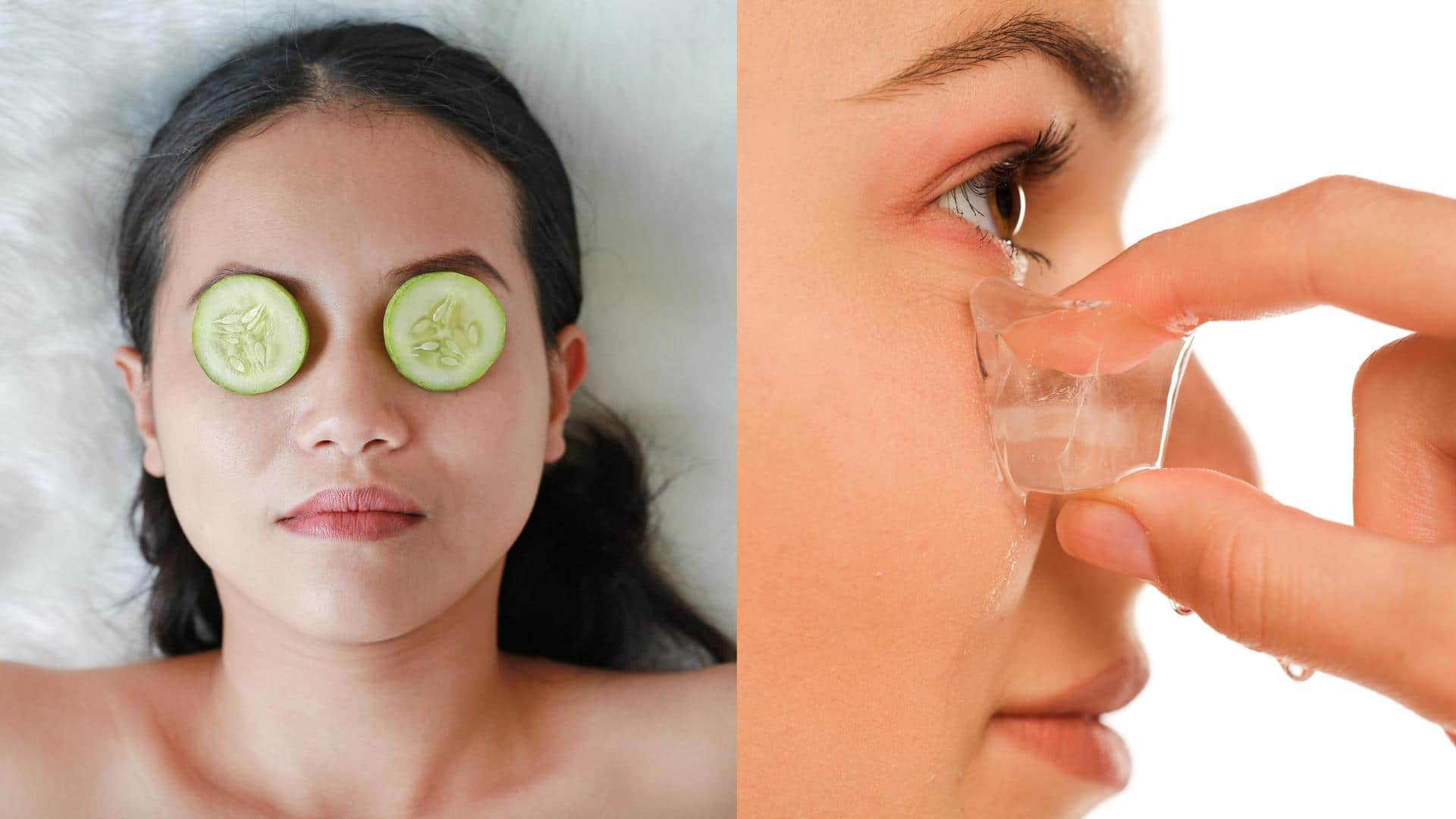
The most immediate natural solution for under-eye bags is the application of a cold compress. The mechanism is simple: cold temperatures cause vasoconstriction, which is the narrowing of blood vessels. When blood vessels under the eyes are constricted, the volume of fluid in the interstitial spaces is reduced, leading to a visible decrease in swelling.
To implement this effectively, you can use a chilled washcloth, a bag of frozen peas, or even two metal spoons that have been kept in the freezer. Apply the compress with light pressure for approximately 10 to 15 minutes. The key is consistency and ensuring the temperature is cold but not freezing to the point of causing skin damage. In 2026, many wellness practitioners recommend "ice rolling" as a more ergonomic alternative, using a specialized tool that stays cold longer than a washcloth and allows for gentle movement across the orbital bone.
2. Caffeinated Tea Bags for Tannin Absorption
Tea bags are a dual-action remedy. Most teas, particularly black and green varieties, contain caffeine and natural tannins. Caffeine acts as a potent vasoconstrictor and a mild diuretic, helping to shrink the blood vessels and draw out excess moisture. Tannins are organic substances found in plants that have astringent properties, meaning they can help shrink body tissues and tighten the skin.
To use this remedy, steep two tea bags in hot water for three minutes, then place them in the refrigerator to cool. Once chilled, place one over each closed eye for 10 minutes. The combination of the cold temperature and the chemical properties of the tea provides a synergistic effect that is often more effective than cold water alone. Green tea is particularly favored in 2026 due to its high concentration of epigallocatechin gallate (EGCG), an antioxidant that helps reduce inflammation at a cellular level.
3. Lymphatic Drainage Massage
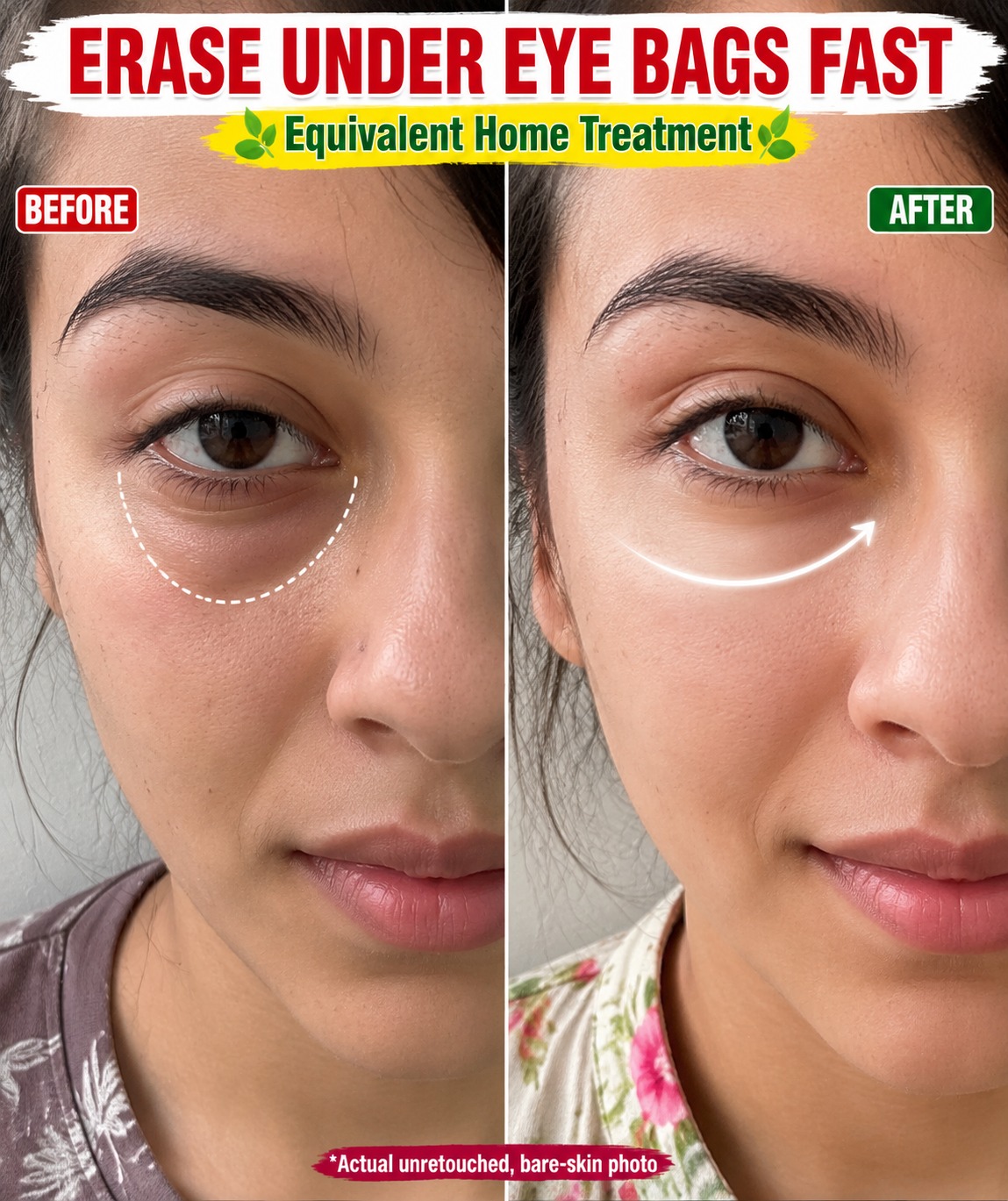
Sometimes, under-eye bags are simply a "plumbing" issue. The lymphatic system is responsible for draining waste and excess fluid from tissues, but the area around the eyes has relatively sluggish lymphatic flow. Manual lymphatic drainage (MLD) is a gentle massage technique designed to encourage the movement of lymph fluids away from the eye area toward the lymph nodes.
Using your ring finger—which naturally applies the least amount of pressure—start at the inner corner of the eye and gently sweep outward toward the temples. Continue the motion down toward the ears and the neck. This technique should be performed with a lightweight facial oil to prevent tugging on the delicate skin. Consistent practice, even for just two minutes every morning, can prevent the accumulation of fluid that leads to chronic morning puffiness.
4. Elevated Sleeping Positions
Gravity plays a significant role in how fluid distributes throughout the body during rest. If you sleep completely flat, fluid tends to pool in the lower extremities of the face, specifically the under-eye area. This is why many people notice their under-eye bags are most prominent immediately after waking up.
By adding an extra pillow or using a wedge to elevate your head, you encourage gravity to pull fluid away from your face and toward the rest of your body. In 2026, sleep hygiene experts emphasize that even a slight incline of 10 to 15 degrees can significantly reduce periorbital edema. Ensure your neck is properly supported to avoid strain, as the goal is to improve drainage without compromising spinal alignment.
5. Cucumber Slices and Ascorbic Acid
While often dismissed as a spa cliché, cucumbers are scientifically supported for reducing eye puffiness. Cucumbers have high water content, which provides a cooling effect, but they also contain vitamin C (ascorbic acid) and caffeic acid. Both of these compounds help soothe skin irritation and reduce swelling.
For the best results, use chilled cucumber slices. The cold helps with immediate vasoconstriction, while the skin absorbs the antioxidants. Leave the slices on for 15 minutes. Because cucumbers are non-irritating, this is an excellent solution for those with sensitive skin who might react poorly to more aggressive topical treatments.
6. Cold Potato Slices and Catecholase
An alternative to cucumbers is the raw potato. Potatoes contain an enzyme called catecholase, which is frequently used in cosmetic products as a skin brightener. Beyond reducing swelling through its cold temperature, the juice from a raw potato can help lighten the dark circles that often accompany under-eye bags.
To apply, slice a raw white potato and chill the slices, or grate a potato and place the pulp in a thin cloth (cheesecloth). Apply to the under-eye area for 15 to 20 minutes. The starch in the potato also acts as an anti-inflammatory agent, which can be particularly helpful if the puffiness is caused by skin irritation or allergies.
7. Salt Intake and Osmotic Balance
Dietary habits are a primary driver of under-eye fluid retention. Sodium (salt) encourages the body to hold onto water through osmosis. When you consume high levels of salt, your body retains water to maintain the correct concentration of sodium in your blood. This excess water often manifests in the thin tissues under the eyes.
Reducing sodium intake, especially in the evening, is a proven way to prevent morning bags. Conversely, increasing potassium intake—found in bananas, spinach, and yogurt—can help balance sodium levels and encourage the body to flush out excess fluid. Hydration is also paradoxical: if you are dehydrated, your body will cling to whatever water it has, often resulting in puffiness. Drinking adequate water throughout the day signals to the body that it does not need to store excess fluid in facial tissues.
8. Addressing Allergies and Sinus Pressure
In many cases, what appear to be under-eye bags are actually "allergic shiners" or inflammation related to sinus congestion. Allergies cause the body to release histamines, which lead to swollen tissues and dilated blood vessels. If your eye bags are accompanied by itching, watering, or sneezing, the cause is likely environmental.
Natural remedies for allergy-related bags include using a Neti pot or saline nasal rinse to clear out allergens and reduce sinus pressure. Reducing exposure to common triggers like dust mites, pet dander, and pollen—especially in the bedroom—can lead to a permanent reduction in under-eye swelling. In 2026, many people use HEPA air purifiers specifically to mitigate these symptoms during sleep.
9. Witch Hazel as a Natural Astringent
Witch hazel is a plant-derived extract that acts as a natural astringent. It contains high levels of tannins, which, as mentioned with tea bags, help to tighten skin and constrict blood vessels. Witch hazel is particularly useful for those whose under-eye bags are caused by temporary inflammation or skin laxity.
To use, soak a cotton pad in chilled, alcohol-free witch hazel and apply it to the under-eye area for five to ten minutes. It is crucial to use an alcohol-free formula, as alcohol can severely dry out and irritate the thin skin around the eyes, potentially worsening the appearance of wrinkles and bags over time.
10. Egg White Masks for Temporary Tightening
For a fast, "event-ready" solution, egg whites provide a natural film-forming effect that temporarily tightens the skin. Egg whites are rich in albumin, a protein that contracts as it dries. This contraction can smooth out the appearance of mild under-eye bags and fine lines for several hours.
Beat one or two egg whites until they are stiff, and apply a thin layer to the under-eye area using a soft brush. Leave it on for about 15 minutes until it dries completely, then rinse gently with lukewarm water. While this does not solve the underlying cause of the bags, it is a highly effective natural "flash" treatment.
Comparing Natural Remedies for Under-Eye Bags
The following table summarizes the effectiveness and primary mechanisms of the remedies discussed above to help you choose the best option for your specific needs.
| Remedy | Speed of Results | Primary Mechanism | Best For |
|---|---|---|---|
| Cold Compress | Immediate | Vasoconstriction | Morning puffiness |
| Tea Bags | 10-15 Minutes | Caffeine/Tannins | Swelling + Dark circles |
| Lymphatic Massage | 5-10 Minutes | Fluid Drainage | Chronic fluid retention |
| Elevation | Overnight | Gravity/Drainage | Prevention of morning bags |
| Cucumber Slices | 15 Minutes | Hydration/Cooling | Sensitive skin soothing |
| Potato Slices | 20 Minutes | Catecholase Enzyme | Brightening + Swollen bags |
| Salt Reduction | 24-48 Hours | Osmotic Balance | Diet-related retention |
| Witch Hazel | 5-10 Minutes | Astringent Action | Tightening lax skin |
| Egg White Mask | 15 Minutes | Film-forming Protein | Temporary smoothing |
| Neti Pot | 1-2 Hours | Sinus Decongestion | Allergy-induced bags |
When to Seek Professional Advice
While natural remedies are effective for many, under-eye bags can sometimes indicate an underlying medical condition. In 2026, healthcare providers suggest monitoring for specific "red flags." If the swelling is severe, persistent, or accompanied by redness, itching, or pain in only one eye, it may indicate an infection or an allergic reaction that requires medical intervention.
Furthermore, under-eye bags can occasionally be a symptom of thyroid issues, such as Graves' disease, or kidney dysfunction, which affects how the body processes fluids. If you notice that your under-eye bags do not respond to any natural treatments or lifestyle changes over several weeks, consulting a physician or dermatologist is recommended. For structural bags caused by significant fat herniation, natural remedies will have limited impact, and professional treatments like lower blepharoplasty or dermal fillers may be the only permanent solutions.
Maximizing Results Through Consistency
The most effective way to manage under-eye bags is to combine these fast-acting natural solutions with long-term lifestyle adjustments. A single application of a cold compress will provide temporary relief, but addressing the root causes—such as sleep quality, UV protection, and nutritional balance—is what prevents the bags from returning.
- Sun Protection: Always apply a mineral-based sunscreen around the orbital area. UV damage thins the skin, making any underlying fluid or fat much more visible.
- Gentle Cleansing: Avoid rubbing your eyes, which can damage the tiny capillaries and contribute to inflammation and "bags."
- Sleep Hygiene: Aim for 7–9 hours of quality sleep. The body’s repair processes, including collagen production and fluid regulation, peak during deep sleep.
By integrating these natural remedies into a daily routine rather than using them only in "emergencies," you can maintain a more refreshed and youthful appearance without the need for invasive procedures.
FAQ
How long does it take for tea bags to reduce under-eye bags?
You will typically see a noticeable reduction in swelling within 10 to 15 minutes of application. The caffeine and tannins begin working on the blood vessels almost immediately upon contact with the skin. For the best results, ensure the tea bags are chilled, as the cold temperature adds a vasoconstrictive effect that complements the chemical properties of the tea.
Can I use ice directly on my skin to get rid of bags?
It is not recommended to apply ice directly to the skin around the eyes. The skin in this area is exceptionally thin and sensitive; direct contact with ice can cause "ice burn" or damage the delicate capillaries. Instead, wrap ice in a thin, soft cloth or use a cold metal spoon to provide the same cooling benefits without the risk of skin damage.
Do under-eye bags go away permanently with natural remedies?
Whether bags can be permanently removed depends on their cause. If the bags are caused by fluid retention, allergies, or lifestyle factors like high salt intake, they can often be eliminated permanently by addressing those triggers. However, if the bags are structural (caused by genetics or aging-related fat displacement), natural remedies will only provide temporary improvement in appearance and will not permanently remove the physical fat pad.
Does drinking more water make under-eye bags worse?
No, drinking more water generally helps reduce under-eye bags. While it may seem counterintuitive, dehydration causes the body to store water as a survival mechanism, often in the face and under-eye area. Maintaining proper hydration levels encourages the body to release stored fluids and helps the kidneys flush out excess sodium, which is a major contributor to puffiness.
What is the best time of day to perform lymphatic massage for eyes?
The best time is in the morning, immediately after waking up. Fluid naturally pools in the face during the night due to horizontal positioning. Performing a gentle 2-minute lymphatic sweep upon waking helps move that stagnant fluid toward the lymph nodes, significantly reducing "morning face" puffiness and setting a baseline for the rest of the day.