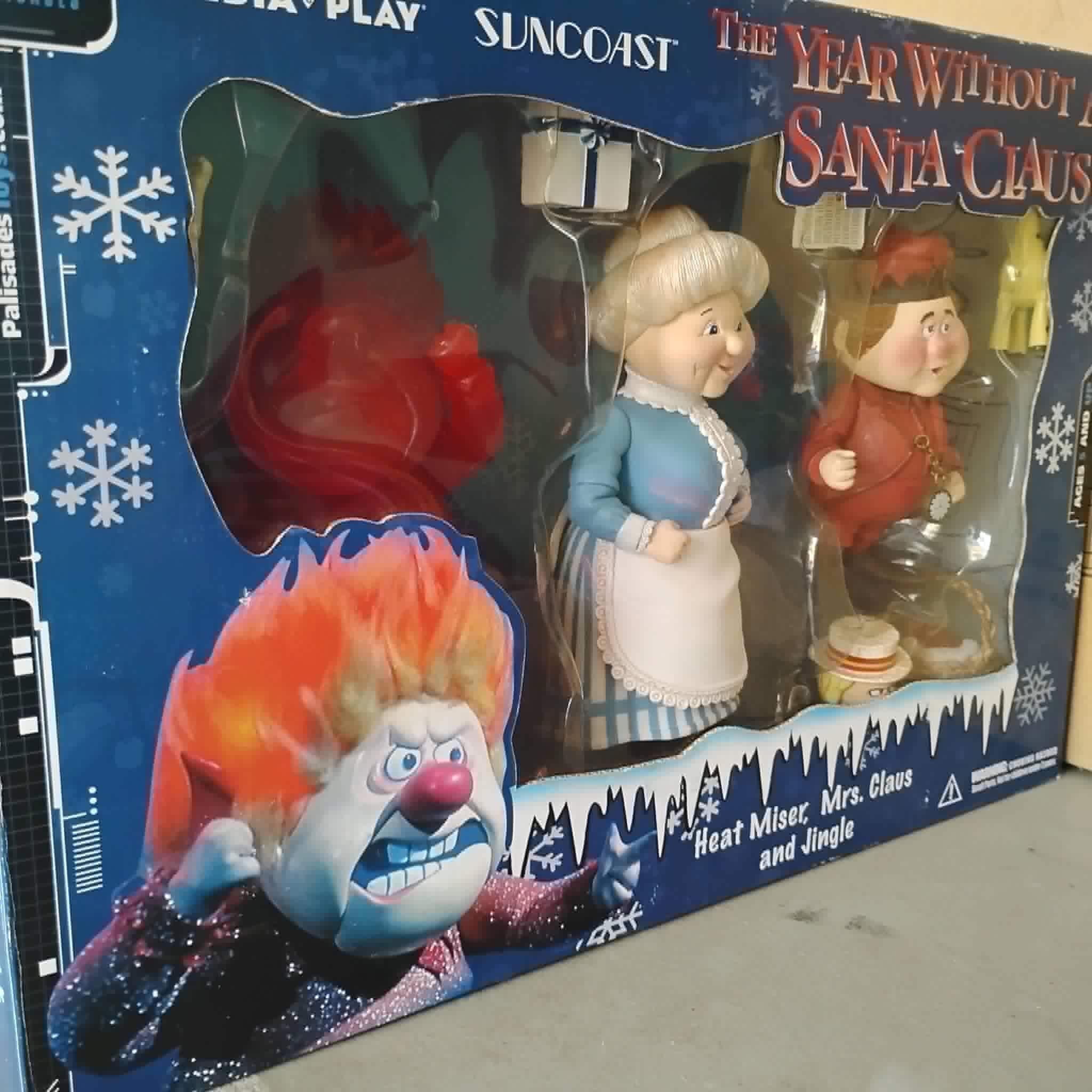
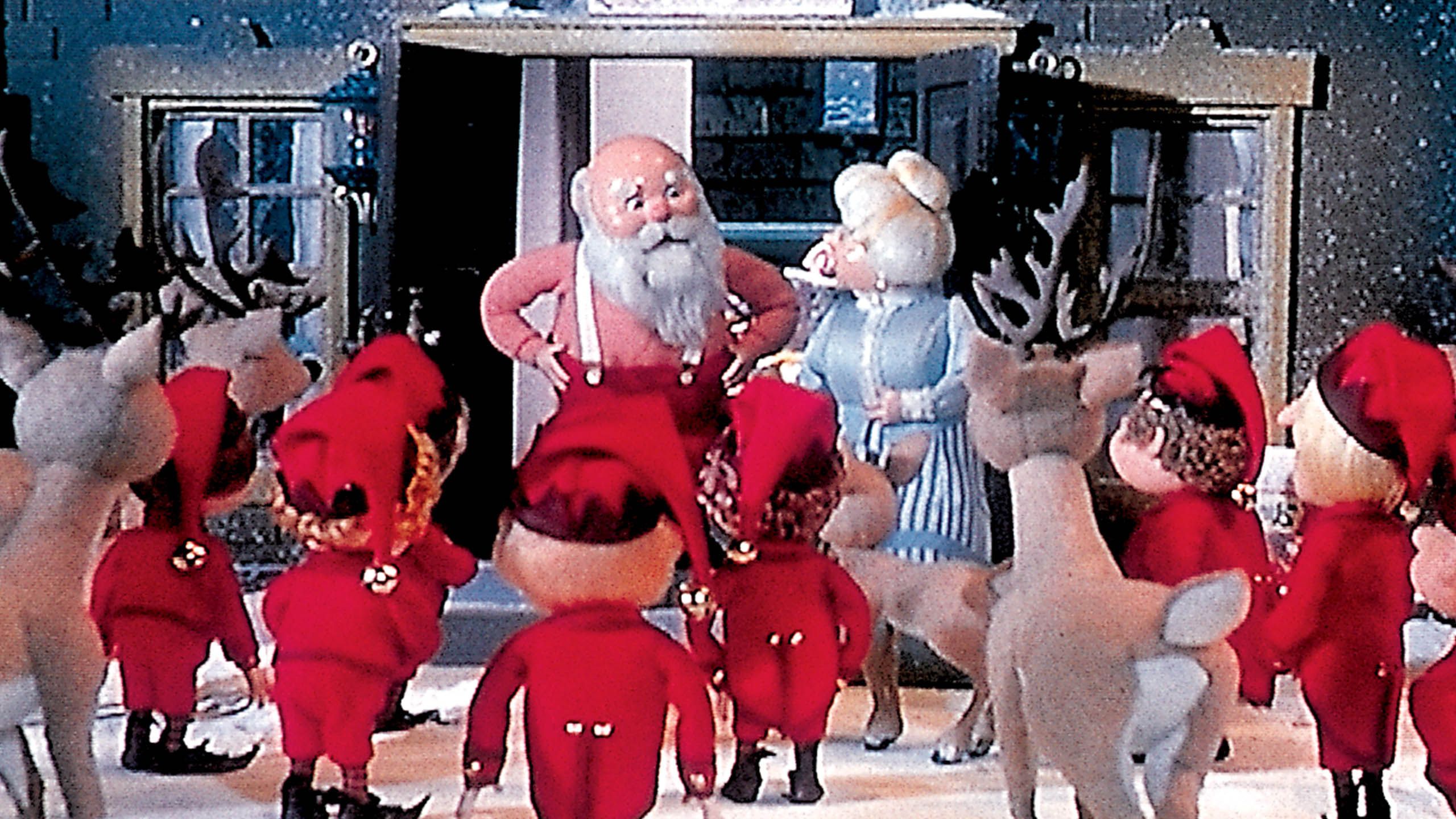
A Year Without a Santa Claus is a classic stop-motion holiday special produced by Rankin/Bass Productions that first aired on ABC on December 10, 1974. It tells the story of a weary Santa Claus who decides to take a year off from Christmas, prompting Mrs. Claus and two bumbling elves to find proof of holiday spirit to change his mind.
The Origins and Historical Context of a Holiday Classic
While many fans associate the story exclusively with the 1974 television special, its roots go back to a 1956 book of the same name by Pulitzer Prize-winning author Phyllis McGinley. The original story established the core premise: Santa is exhausted, suffering from a "holiday cold," and feels that the world no longer cares about the true meaning of Christmas. When the Rankin/Bass team—led by Arthur Rankin Jr. and Jules Bass—decided to adapt the book in the early 1970s, they expanded the narrative significantly to include what would become the show's most iconic elements: the Miser Brothers.
By 1974, Rankin/Bass was already the premiere name in holiday entertainment, having found massive success with Rudolph the Red-Nosed Reindeer (1964) and Frosty the Snowman (1969). A Year Without a Santa Claus represented a more mature phase of their "Animagic" stop-motion technique. The production was outsourced to Japanese studios, specifically MOM Production in Tokyo, where skilled animators spent months meticulously moving puppets frame-by-frame. As of 2026, the special remains a cornerstone of the Warner Bros. Discovery library, continuing to see annual broadcasts and high streaming demand despite being over half a century old.
Analyzing the Plot: Mrs. Claus Takes the Lead
Unlike many Santa-centric stories where the titular character drives the action, A Year Without a Santa Claus is unique because Mrs. Claus serves as the primary protagonist. After Santa’s doctor (who is also a bit of a cynic) convinces Santa that nobody cares about him anymore, Santa decides to stay in bed and skip his Christmas Eve flight. Recognizing the potential heartbreak this would cause, Mrs. Claus takes charge.
She enlists two well-meaning but incompetent elves, Jingle and Jangle, to travel to Southtown, USA, to find "one bit of Christmas spirit." Their mission is complicated when their young reindeer, Vixen, is mistaken for a dog and impounded by the local authorities. The plot then follows a dual track: the elves trying to rescue Vixen and convince the skeptical Mayor of Southtown of Santa's existence, and Mrs. Claus negotiating with the elemental forces of nature to allow a white Christmas in the South. This narrative structure allows for a broader exploration of faith and community, shifting the focus from the receiving of gifts to the act of believing in something greater than oneself.
The Miser Brothers: A Cultural Phenomenon
The enduring popularity of A Year Without a Santa Claus is largely attributed to the introduction of Heat Miser and Snow Miser. These two characters, who are half-brothers and masters of their respective climates, represent the conflicting forces of nature. Their sibling rivalry provides the film's primary conflict when Mrs. Claus needs to arrange a snowstorm in the warm climate of Southtown.
Heat Miser, who lives in a volcano and controls all things hot, and Snow Miser, who resides in a palace of ice, each have a signature musical number. These vaudeville-style songs—"The Heat Miser Song" and "The Snow Miser Song"—are arguably the most recognizable pieces of music in the Rankin/Bass catalog. The character designs, featuring exaggerated facial features and distinct color palettes (fiery oranges vs. icy blues), have made them favorites for merchandising and cosplay. Their popularity even led to a 2008 sequel, A Miser Brothers' Christmas, which attempted to recapture the magic of the original stop-motion style.
Comparison of the Miser Brothers
| Feature | Snow Miser | Heat Miser |
|---|---|---|
| Domain | The North Pole / Frozen Latitudes | The Volcanic Regions / Equator |
| Control Over | Snow, Ice, and Freezing Temps | Heat, Sun, and Molten Lava |
| Personality | Jovial, pun-loving, extroverted | Grumpy, short-tempered, sensitive |
| Key Weakness | Warmth / Heat Miser's touch | Cold / Snow Miser's touch |
| Voice Actor | Dick Shawn | George S. Irving |
| Signature Move | Turning things to ice with a touch | Melting objects instantly |
Technical Excellence: The Animagic Process
The technical depth of A Year Without a Santa Claus is found in its "Animagic" process. This wasn't standard claymation; it involved intricate puppets made of wood, wire, and fabric. These puppets featured sophisticated armatures (internal skeletons) that allowed for nuanced movements. Animators had to adjust the puppets 24 times for every single second of footage, a painstaking process that required immense patience and precision.
The 1974 production also featured a high-caliber voice cast. Mickey Rooney returned to voice Santa Claus, a role he had previously voiced in Santa Claus Is Comin' to Town (1970). Shirley Booth provided the voice of Mrs. Claus and served as the narrator. Her performance is noted for its warmth and maternal authority, providing the emotional anchor for the film. The combination of high-end stop-motion, Broadway-style musical arrangements by Maury Laws, and veteran voice acting created a level of polish that few other specials of the era could match.
Where to Watch and Stream in 2026
As we move through the 2026 holiday season, the availability of A Year Without a Santa Claus is dictated by long-standing licensing agreements. Because the special is part of the "Post-1973" Rankin/Bass library, it is owned by Warner Bros. Entertainment. This distinguishes it from Rudolph and Santa Claus Is Comin' to Town, which are owned by DreamWorks (under Universal).
- Linear Television: AMC typically holds the exclusive cable broadcast rights for the "25 Days of Christmas" programming block. It usually airs multiple times throughout December, often paired with The Year-Old Christmas or Rudolph's Shiny New Year.
- Streaming Platforms: The primary streaming home for the special in 2026 is Max (formerly HBO Max). Subscribers can access the remastered 4K version of the special as part of the platform's seasonal library.
- Digital Purchase: The special is available for permanent digital purchase on platforms like Amazon Prime Video, Apple TV, and the Vudu/Fandango at Home service.
- Physical Media: For enthusiasts, the 50th Anniversary 4K Ultra HD Blu-ray (released in late 2024) remains the gold standard for visual fidelity, preserving the original film grain and vibrant color palette of the 1974 masters.
Common Misconceptions and Trivia
One frequent mistake viewers make is confusing the timeline of the Rankin/Bass specials. Many assume A Year Without a Santa Claus is a direct sequel to Rudolph the Red-Nosed Reindeer. While they share a similar aesthetic, they exist in slightly different narrative universes with different iterations of Santa's workshop.
Another interesting fact is the "Blue Christmas" scene. In the special, a young girl sends Santa a letter telling him that she will have a "Blue Christmas" without him. This leads to one of the most poignant songs in the special, performed by a children's choir. This scene is often cited as the emotional peak of the film, highlighting the theme that Christmas is not about the logistics of delivery, but the emotional connection between Santa and the children of the world. Additionally, the character of Ignatius "Iggy" Thistlewhite serves as the audience surrogate—the skeptic who eventually learns that believing in the impossible is a vital part of the human experience.
FAQ: Common Questions About the Special
Why does Santa decide to skip Christmas?
Santa is suffering from a severe cold and feels physically exhausted. However, the deeper reason is psychological; he believes the world has grown too cynical and that people no longer believe in him or the spirit of giving. He feels his efforts are unappreciated and unnecessary in a modernizing world.
Who are the main villains in the story?
Interestingly, the special doesn't have a traditional villain. While Heat Miser and Snow Miser are antagonists who obstruct the protagonists' goals, they are ultimately family members who can be reasoned with. The Mayor of Southtown acts as a bureaucratic obstacle, but he is more of a skeptic than a villain. The true "enemy" is the loss of faith and holiday spirit.
Is there a live-action version of this movie?
Yes, a live-action television movie was produced by NBC in 2006. It starred John Goodman as Santa, Delta Burke as Mrs. Claus, and Michael McKean and Harvey Fierstein as the Miser Brothers. However, it was not well-received by critics or fans and is often considered a curiosity rather than a true successor to the 1974 original.
What is the "Southtown" mentioned in the film?
Southtown is a fictional American town used to represent a typical warm-weather community. Its location is ambiguous but is implied to be in the Southern United States, where a "White Christmas" would be a genuine meteorological miracle, thus serving as the ultimate proof of Santa's power and presence.
Preserving the Tradition in Your Household
To get the most out of viewing A Year Without a Santa Claus in 2026, consider focusing on the craftsmanship of the animation. Unlike modern CGI, stop-motion has a "tactile" quality where you can almost feel the texture of the puppets and the miniature sets. Watching the remastered versions on a high-definition screen allows you to see the fine details in the Miser Brothers' costumes and the expressive movements of the reindeer.
The best way to enjoy this classic is to view it as part of the broader Rankin/Bass "triptych" alongside Rudolph and Santa Claus Is Comin' to Town. By comparing the different portrayals of Santa across these specials, you can appreciate how the 1974 version humanizes him more than any other. He is vulnerable, tired, and doubting—making his eventual return to the sleigh all the more rewarding for viewers of all ages.