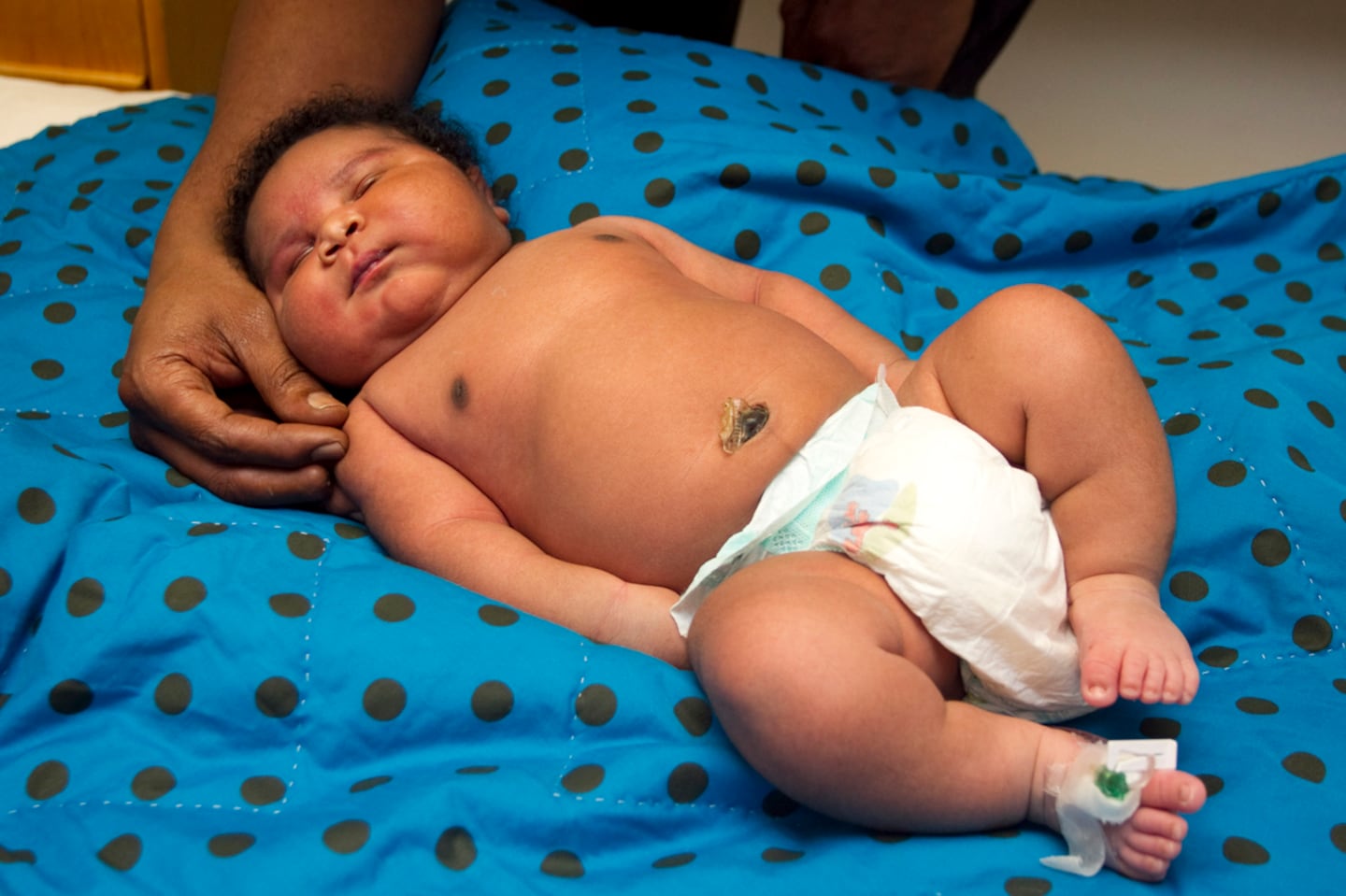
The heaviest baby ever recorded was born to Sig. Carmelina Fedele in Aversa, Italy, in September 1955, weighing 10.2 kilograms (22 lbs 8 oz). Another historically significant record belongs to the child of Anna Bates, born in 1879, who weighed 9.98 kilograms (22 lbs). These cases represent the extreme upper limits of human fetal growth.
Historical Records: The Heaviest Babies Ever Documented
When examining the history of record-breaking birth weights, two specific cases dominate the annals of medical history and the Guinness World Records. These accounts provide a glimpse into the biological extremes of human reproduction, often occurring before modern diabetic screening and nutritional interventions were standard practice.
The 1955 Italian Record
The official Guinness World Record for the heaviest surviving infant belongs to a boy born in Aversa, Italy, in September 1955. His mother, Sig. Carmelina Fedele, delivered him at a weight of 10.2 kilograms (22 lbs 8 oz). Very little clinical data remains regarding the specific health of the mother or the delivery method used, but the weight has been verified through official records. In 2026, this remains the definitive benchmark for neonatal mass in medical literature.
The Anna Bates Case (1879)
Perhaps the most famous historical account is that of Anna Bates (née Swan), a Canadian woman famed for her own stature, standing nearly 7 feet 11 inches tall. In January 1879, in Seville, Ohio, she gave birth to a boy weighing 9.98 kilograms (22 lbs) and measuring 71.12 centimeters (28 inches) in length. This is often cited as the record for the largest baby ever born, though tragically, the infant survived for only 11 hours. His size was so immense that his chest measured 48 centimeters (19 inches) at birth. This case remains a primary example of how maternal size and genetics influence fetal growth.
Notable Modern Instances
While the 10-kilogram threshold is rarely crossed in the 21st century, modern records still surface. In 2009, a baby named Akbar Risuddin was born in Indonesia weighing 8.7 kilograms (19.2 lbs). His mother suffered from gestational diabetes, which medical professionals identified as the primary driver for his extreme size. Similarly, in 2013, a baby named George King was born in the United Kingdom weighing 7 kilograms (15 lbs 7 oz), an event that made international headlines due to the delivery complications associated with his size.
Defining Fetal Macrosomia: The Medical Threshold
In clinical settings, a baby that is significantly larger than average is diagnosed with fetal macrosomia. This term is used to describe neonates who weigh more than 4,000 grams (8 lbs 13 oz) or 4,500 grams (9 lbs 15 oz), regardless of their gestational age.
Grading Macrosomia
Medical professionals often categorize these weights to better assess the risks during labor:
- Grade 1: 4,000 to 4,499 grams. This is relatively common and often managed without significant intervention.
- Grade 2: 4,500 to 4,999 grams. Risks of delivery complications, such as shoulder dystocia, increase significantly here.
- Grade 3: Over 5,000 grams (11 lbs). These cases are rare (occurring in fewer than 1 in 1,000 births) and often necessitate a Cesarean section.
The prevalence of macrosomia has fluctuated over the last several decades. While improved maternal nutrition has increased average birth weights, better management of gestational diabetes has helped prevent some of the more extreme cases seen in the mid-20th century.
Biological and Environmental Factors Behind Extreme Birth Weights
Several factors contribute to a baby exceeding the 99th percentile for weight. These range from maternal health conditions to simple genetic predisposition.
Maternal Diabetes and Insulin Regulation
The most common cause of record-breaking birth weights is maternal diabetes (either pre-existing Type 2 or gestational diabetes). When a mother has high blood sugar, the excess glucose crosses the placenta. In response, the fetus’s pancreas produces extra insulin. Because insulin is a potent growth-stimulating hormone, the fetus stores the excess energy as fat and develops larger organs, leading to macrosomia.
Maternal Weight and Nutrition
A mother’s Body Mass Index (BMI) before pregnancy and her total weight gain during pregnancy are strong predictors of birth weight. Obesity increases the risk of macrosomia by two to three times. High-calorie diets during pregnancy can lead to an oversupply of nutrients to the fetus, even in the absence of diagnosed diabetes.
Genetics and Parental Stature
Genetics play a critical role. Taller, larger parents are more likely to have larger babies. This was the primary factor in the 1879 Anna Bates case. Furthermore, male infants are statistically more likely to be heavier than female infants, a trend reflected in almost all historical record-breaking cases.
Prolonged Gestation
The longer a pregnancy continues, the more time the fetus has to gain weight. Post-term pregnancies (those exceeding 42 weeks) have a much higher incidence of macrosomia. Historical records often involved pregnancies that lasted longer than the modern standard of 40 weeks, as induction of labor was not as safely or commonly practiced.
Comparison of Record-Breaking Births
The following table compares the most significant recorded birth weights documented in history and recent decades.
| Year | Location | Mother | Birth Weight (kg/lb) | Survival Status |
|---|---|---|---|---|
| 1955 | Italy | Carmelina Fedele | 10.2 kg (22.5 lbs) | Survived |
| 1879 | USA | Anna Bates | 9.98 kg (22 lbs) | Deceased (11 hrs) |
| 1954 | Brazil | Francisca Ramos dos Santos | 7.57 kg (16.7 lbs) | Survived |
| 2004 | Russia | Tatyana Khalina | 7.75 kg (17.1 lbs) | Survived |
| 2009 | Indonesia | Ani | 8.7 kg (19.2 lbs) | Survived |
| 2013 | UK | Jade Packer | 7.0 kg (15.7 lbs) | Survived |
Medical Implications and Risks of High Birth Weight
Delivering a baby that weighs significantly more than the average 3.5 kilograms (7.5 lbs) presents substantial risks to both the mother and the infant. As we look at these records in 2026, the focus of obstetrics remains on the prevention of these complications rather than the celebration of the weight itself.
Shoulder Dystocia
The most immediate risk during a vaginal delivery of a macrosomic baby is shoulder dystocia. This occurs when the baby’s head is delivered, but the shoulders become impacted behind the mother’s pubic bone. This is a medical emergency that can lead to nerve damage (Erb’s palsy), fractured collarbones, or oxygen deprivation for the infant.
Maternal Trauma
Mothers delivering large babies are at a higher risk for extensive perineal tears, significant postpartum hemorrhage, and uterine rupture. These risks are why most modern obstetricians recommend a scheduled Cesarean section if the estimated fetal weight exceeds 5,000 grams in non-diabetic women or 4,500 grams in diabetic women.
Neonatal Health Issues
Extreme birth weight does not equate to "extra health." On the contrary, these infants often face metabolic challenges. Once the cord is cut, the baby no longer receives high levels of glucose from the mother, but their pancreas may continue to overproduce insulin. This can lead to severe neonatal hypoglycemia (low blood sugar), which requires immediate medical intervention to prevent seizures or brain damage.
Monitoring and Managing Large-for-Gestational-Age (LGA) Pregnancies
In 2026, prenatal care utilizes advanced imaging and screening to identify potential record-breakers before they reach a dangerous size.
Ultrasound Accuracy and Limitations
Ultrasound is the primary tool for estimating fetal weight, but it is notoriously imprecise in the third trimester. The margin of error can be as high as 10% to 15%. Doctors look at the abdominal circumference (AC) as the most sensitive indicator of macrosomia, as excess fat in the fetus is typically stored around the midsection.
Glucose Tolerance Testing
Standardized screening for gestational diabetes between 24 and 28 weeks is the most effective way to prevent extreme birth weights. By controlling maternal blood sugar through diet, exercise, or insulin, the excessive growth of the fetus can be slowed, reducing the likelihood of a record-breaking but dangerous birth.
Birth Planning
For babies suspected of being in the "record-breaking" range, birth plans usually pivot toward highly controlled environments. This includes ensuring a surgical team is available for emergency C-sections and that the neonatal intensive care unit (NICU) is prepared to manage hypoglycemia and respiratory distress.
Frequently Asked Questions
What is the world record for the biggest baby?
The heaviest baby ever born was recorded in 1955 in Aversa, Italy, weighing 10.2 kilograms (22 lbs 8 oz). Another historical record from 1879 involved a 9.98-kilogram (22 lbs) baby born to Anna Bates, though that child did not survive.
Why are some babies born so much larger than others?
The primary drivers of extreme birth weight include maternal diabetes, maternal obesity, and genetics. High blood sugar in the mother causes the fetus to produce more insulin, which acts as a growth hormone, leading to excessive weight gain.
Can a woman deliver a 20-pound baby naturally?
While it has happened historically, it is extremely dangerous. Delivering a baby over 10 or 15 pounds vaginaly carries a high risk of shoulder dystocia and maternal hemorrhage. Today, almost any baby estimated to be over 11 pounds is delivered via Cesarean section to ensure safety.
Do big babies stay big as adults?
Birth weight is not always a permanent indicator of adult size. While some studies suggest macrosomic babies have a higher risk of childhood obesity and Type 2 diabetes, their adult height and weight are more heavily influenced by lifestyle and genetics later in life.
Is fetal macrosomia common?
No, extreme macrosomia is rare. While about 10% of babies weigh more than 4,000 grams (8.8 lbs), fewer than 1% weigh more than 4,500 grams (9.9 lbs), and cases exceeding 6,000 grams (13.2 lbs) are considered medical anomalies.
Practical Recommendations for Expecting Parents
If you are concerned about your baby’s size or have been told your baby is "large for gestational age," the best course of action is proactive management. Focus on maintaining stable blood sugar levels through a balanced diet and regular, doctor-approved physical activity.
Ensure that you attend all scheduled prenatal screenings, particularly the glucose tolerance test. If your medical team estimates a birth weight that falls into the macrosomic category, discuss the "risk vs. benefit" of a vaginal delivery versus a scheduled C-section. Understanding the mechanics of shoulder dystocia and the protocols your hospital has in place can provide peace of mind as you approach your due date.