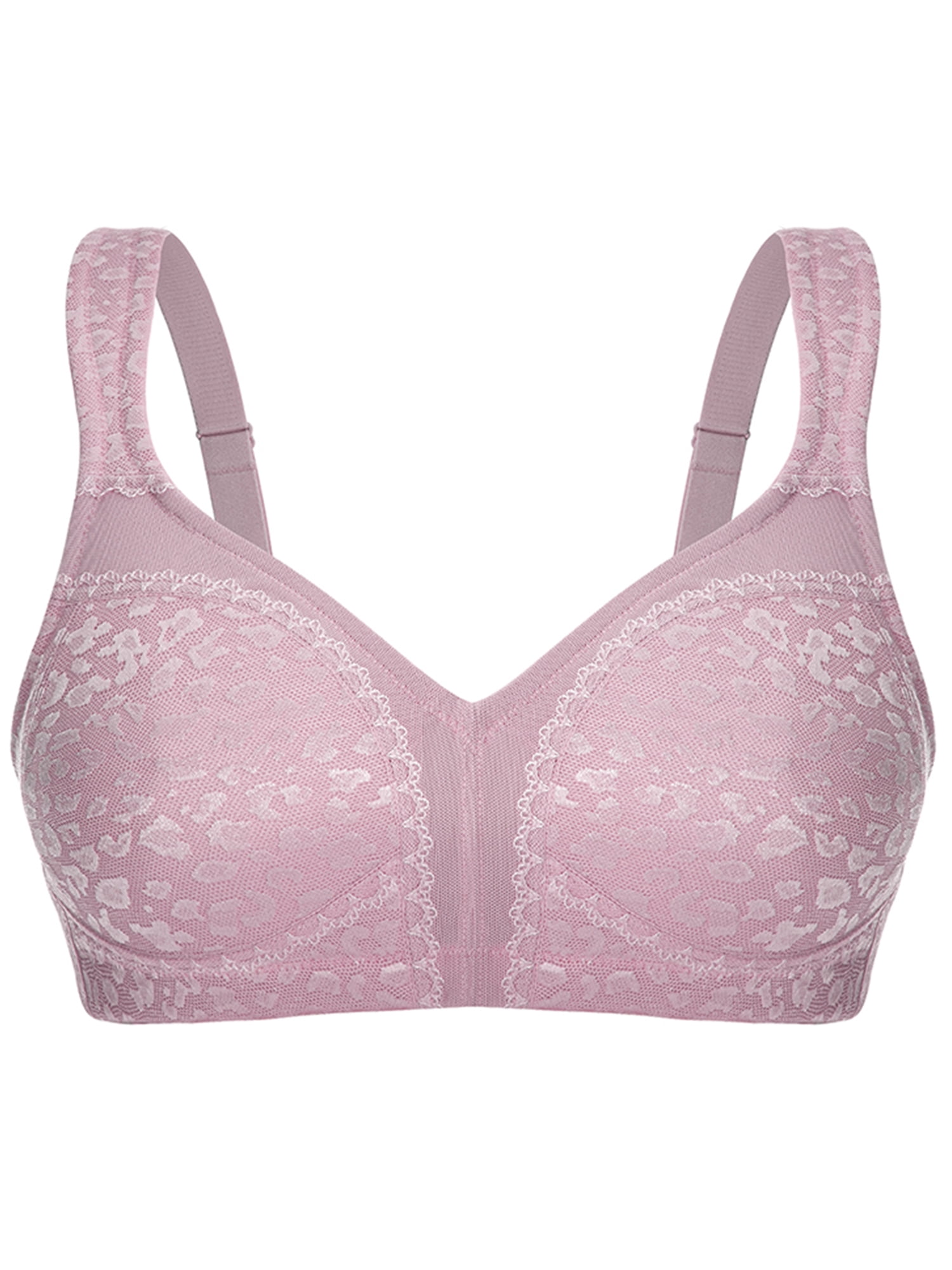
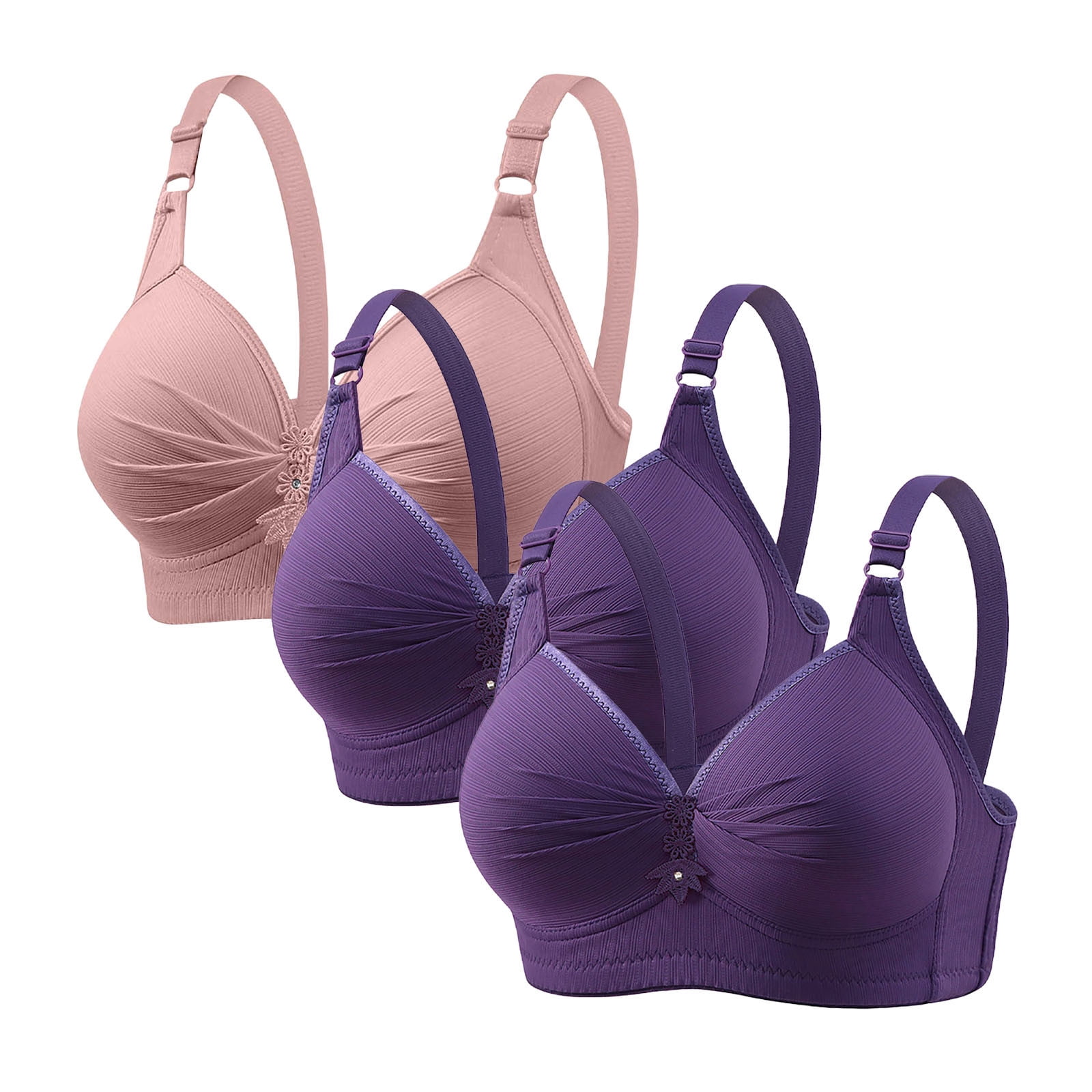
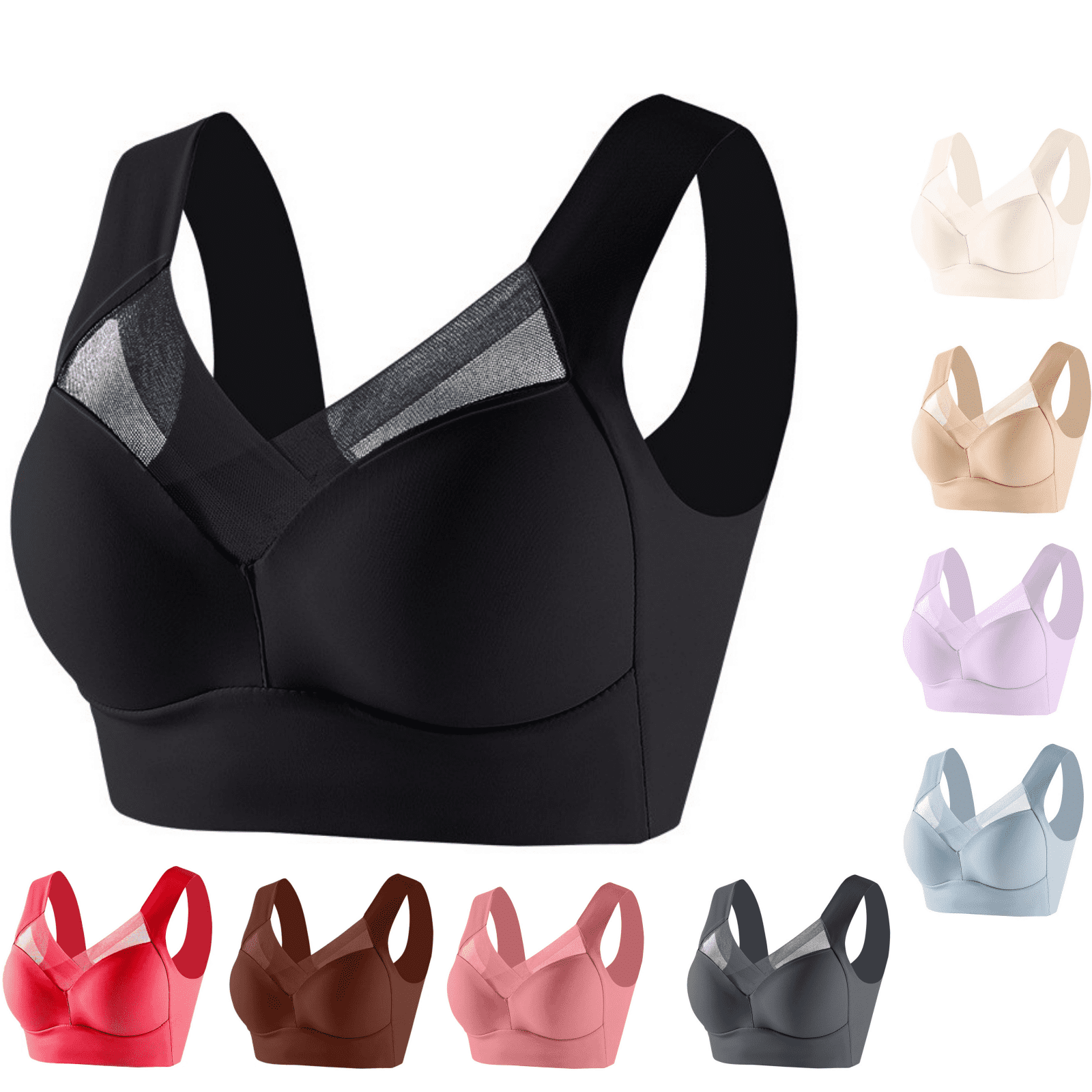
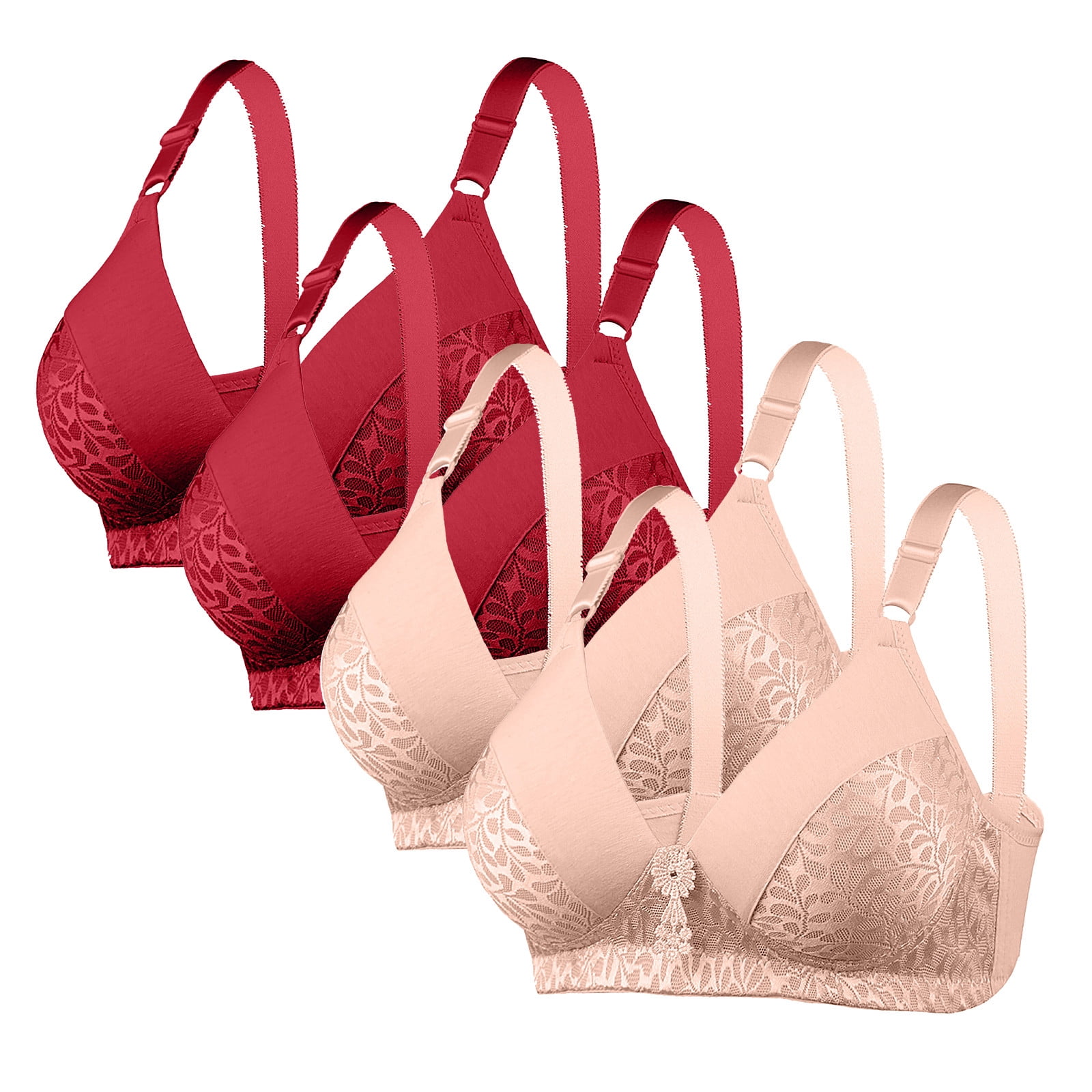
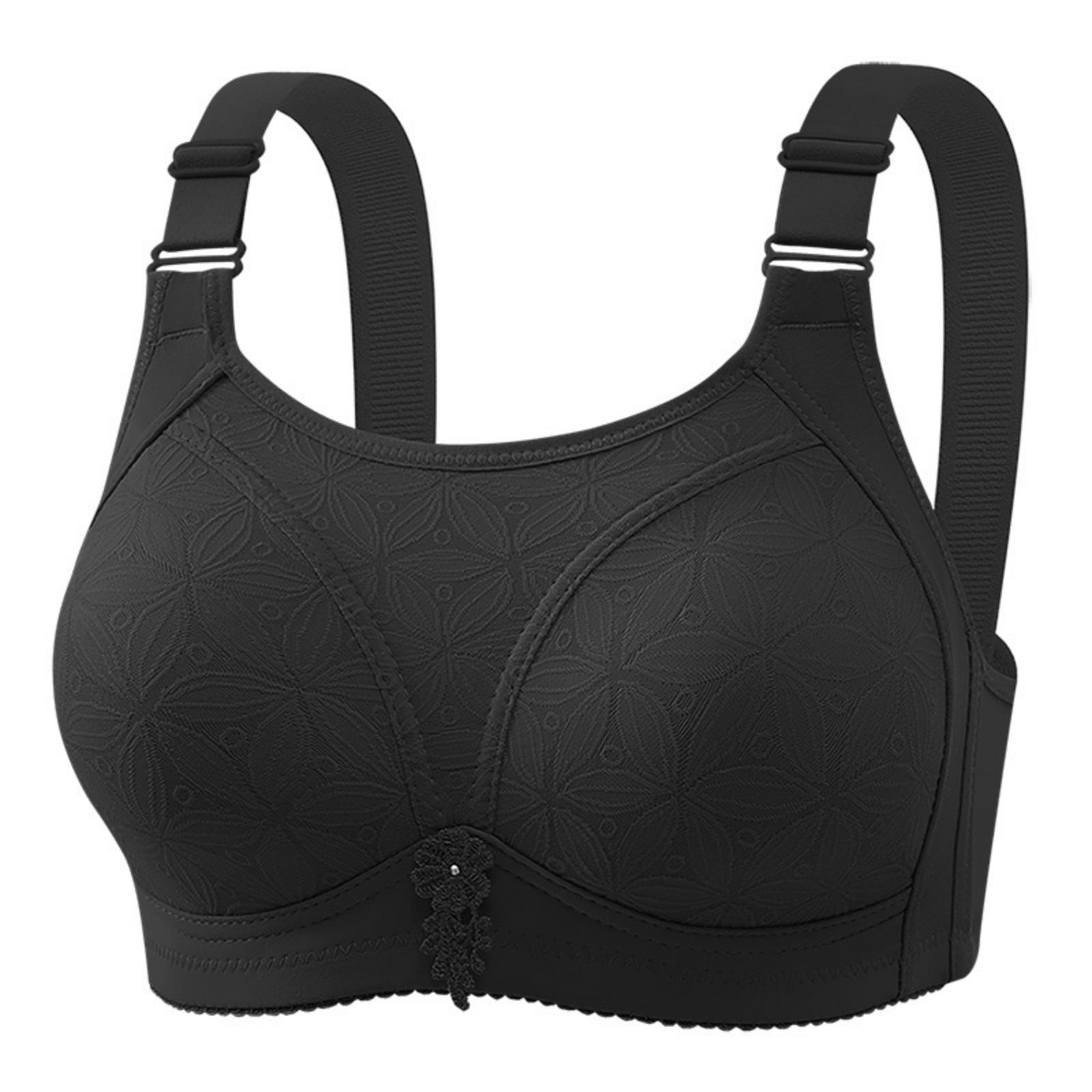
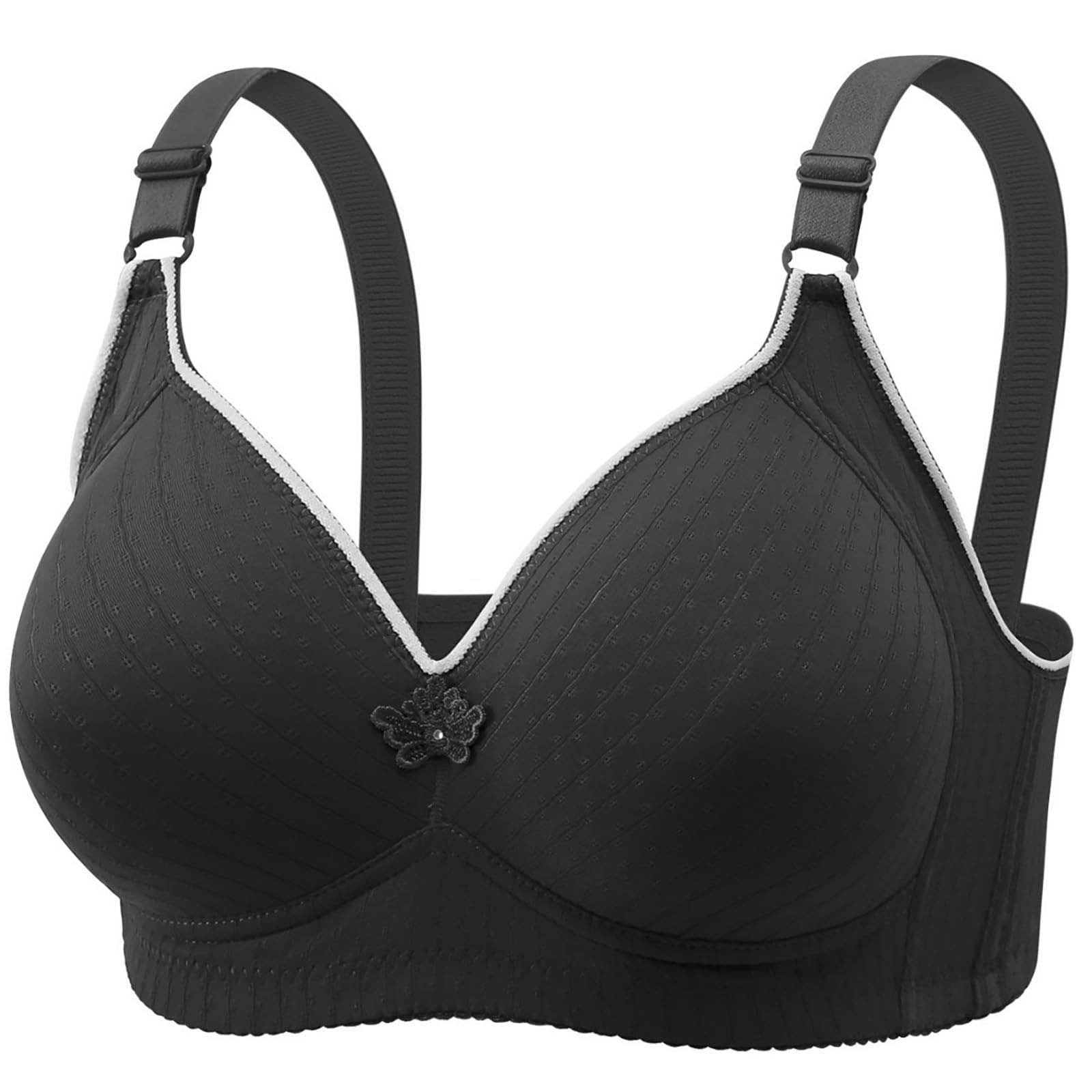
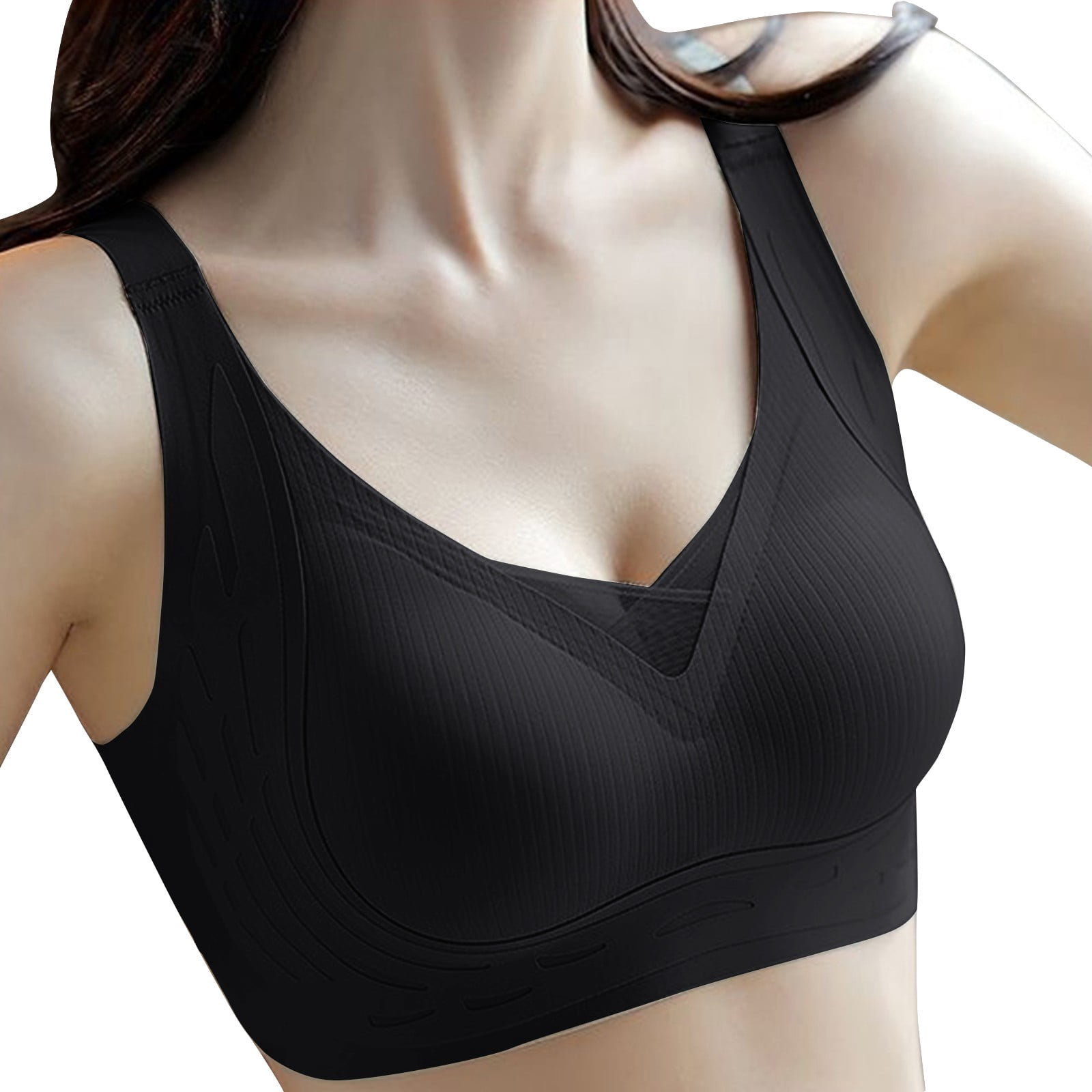
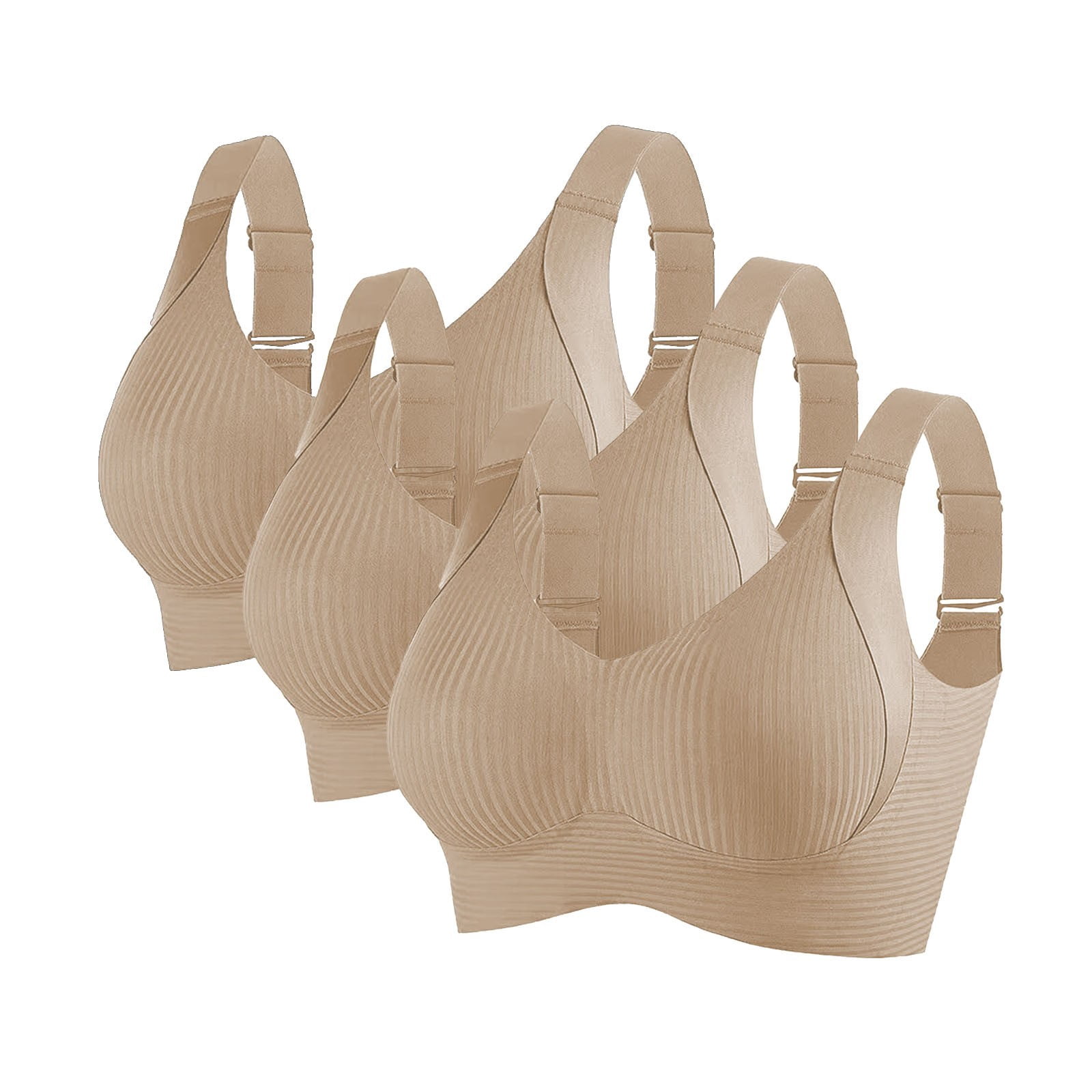
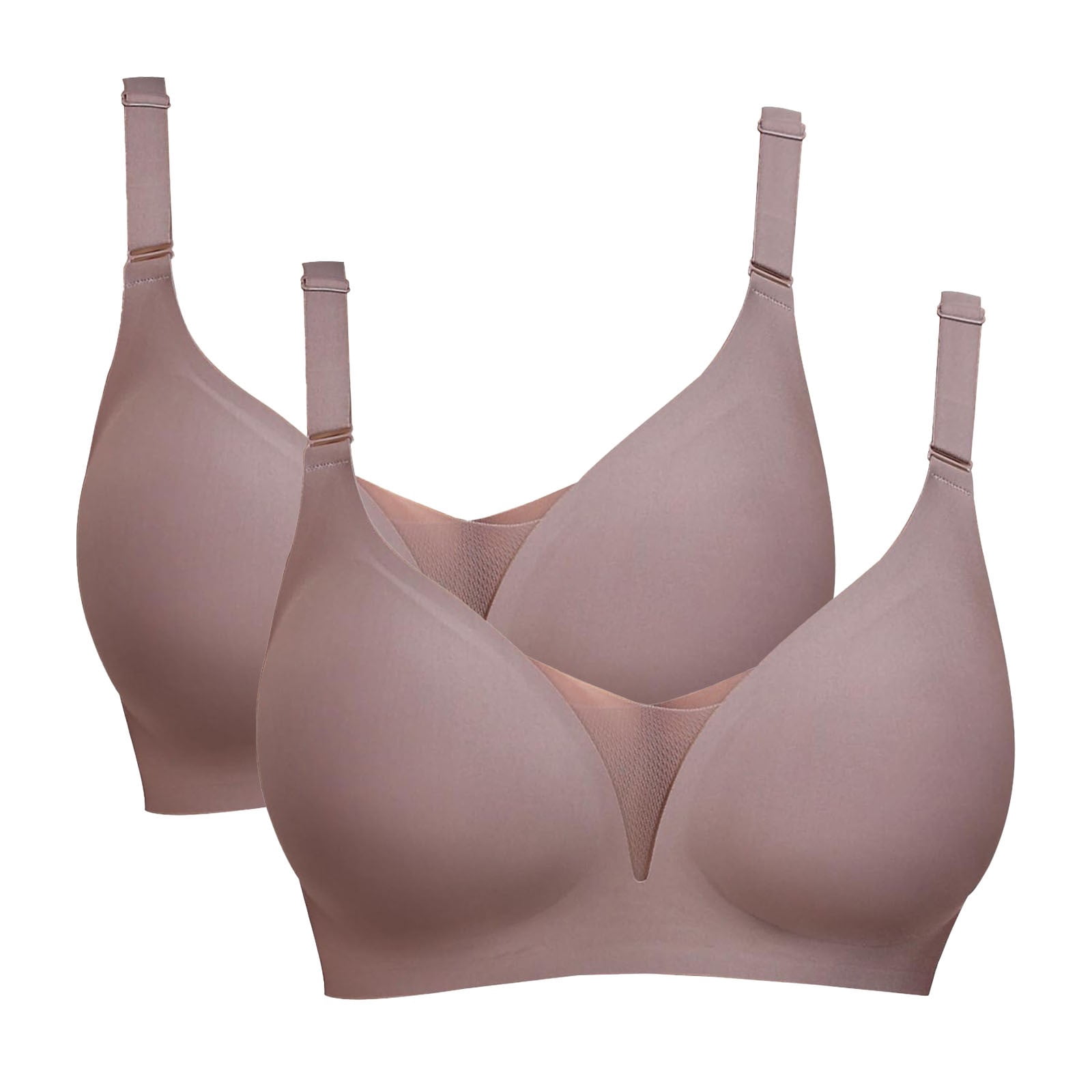
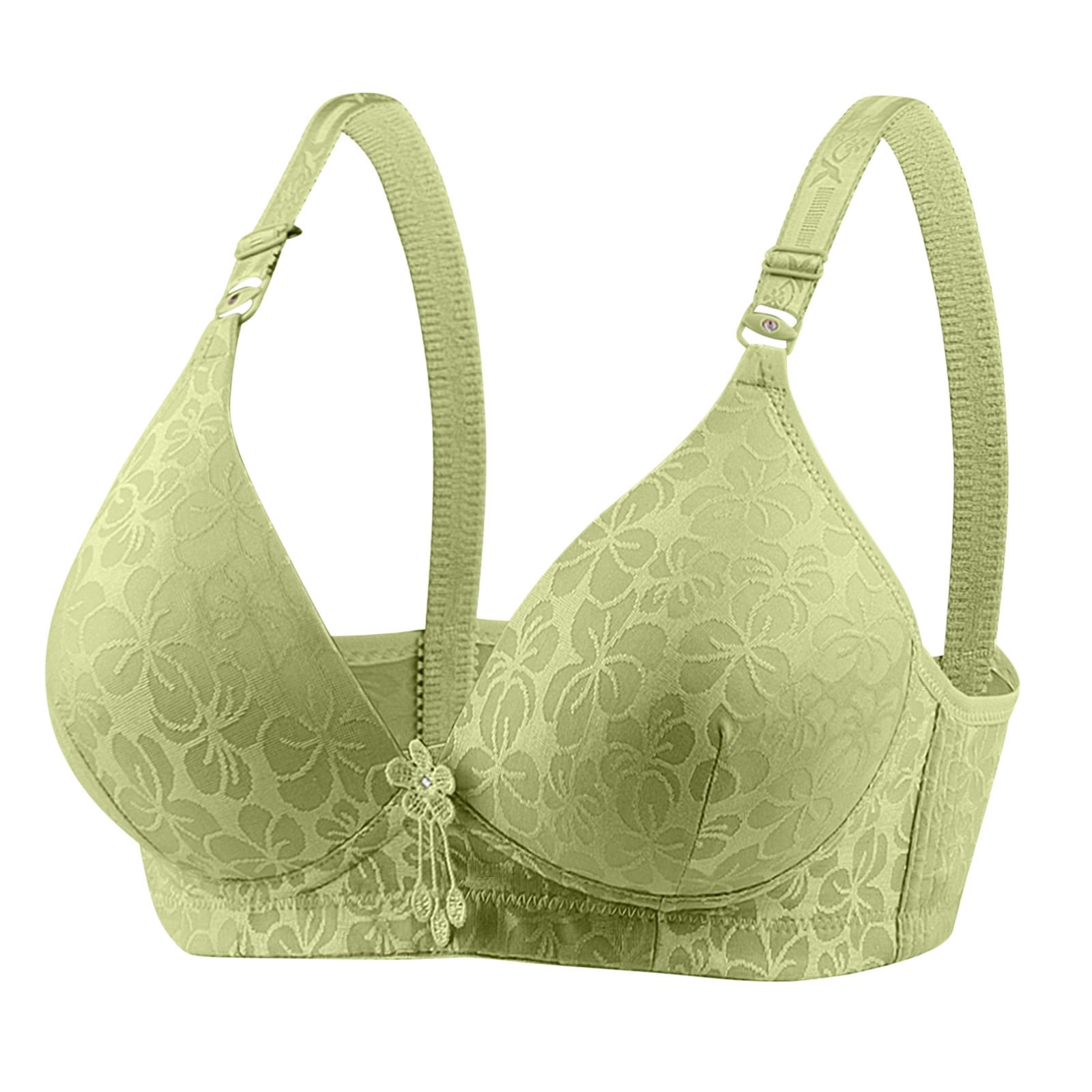
A wireless minimizer bra is a specialized intimate garment designed to reduce the perceived volume of the bust by approximately one to one-and-a-half inches without the use of metal underwires. By redistributing breast tissue more broadly across the chest wall, these bras create a streamlined silhouette, improve the fit of tailored clothing, and prioritize physical comfort through advanced fabric tension and ergonomic design.
The lingerie market in 2026 has seen a significant shift toward "comfort-first" engineering, where the traditional trade-off between support and ease-of-wear has been largely eliminated. For individuals with larger cup sizes, the wireless minimizer represents the pinnacle of this evolution. Unlike traditional bras that may lift and project the bust forward, the minimizer gently compresses and encapsulates, providing a more compact profile that is ideal for professional attire and everyday activities.
The Mechanics of Minimizing Without Underwires
The primary function of a minimizer bra is breast tissue redistribution. While a standard push-up or balcony bra focuses on upward lift and central projection, a minimizer works by spreading the tissue toward the sides and across the chest. Historically, this was achieved using rigid underwires and stiff fabrics. However, modern wireless versions rely on high-modulus fabrics and sophisticated "zonal" construction.
In the absence of a wire, the "band" and "wings" of the bra must perform the heavy lifting. The band provides approximately 80% of the total support. In a wireless minimizer, this band is typically wider and reinforced with bonded layers or power mesh to prevent rolling and shifting. The cups are often heat-molded, a process that allows the fabric to retain a specific shape that encourages the breast tissue to flatten slightly rather than protrude.
Furthermore, many designs incorporate "inner slings" or side-support panels. These are semi-rigid fabric inserts located on the outer edges of the cups that guide the tissue inward and prevent "side-spill" or "armpit bulge." By utilizing these non-metallic structural elements, the bra achieves a reduction in bust circumference while maintaining a natural, rounded shape that avoids the "uni-boob" look often associated with lower-quality sports bras.
Key Benefits of Transitioning to Wireless Minimizers
The decision to switch to a wireless minimizer is often driven by a combination of aesthetic goals and physical necessity. For those who experience discomfort from underwires—ranging from skin irritation to ribcage pressure—the wireless alternative offers immediate relief.
Improved Clothing Fit and Professional Silhouette
One of the most practical reasons to wear a minimizer is to improve the drape of clothing. Many high-quality button-down shirts, blazers, and fitted dresses are designed with a specific "projection" in mind. For those with larger busts, "gaping" at the buttons is a common issue. A wireless minimizer reduces the forward protrusion, allowing the fabric of the garment to lie flat against the torso. This results in a cleaner, more tailored appearance that can enhance one’s confidence in professional settings.
Enhanced Physical Comfort and Skin Health
Underwires can be a source of significant physical distress, particularly for individuals with sensitive skin or conditions like costochondritis (inflammation of the cartilage that connects a rib to the breastbone). By 2026, dermatological research has increasingly highlighted the benefits of wire-free foundations in reducing "intertrigo"—a skin rash that occurs in body folds due to heat, moisture, and friction. Wireless minimizers use breathable, moisture-wicking fabrics that keep the skin dry and reduce the risk of fungal or bacterial growth in the infra-mammary fold.
Pressure Distribution and Posture Support
Traditional narrow-strapped bras can "dig" into the shoulders, leading to neck pain and tension headaches. Wireless minimizers are almost universally designed with wider, padded straps and a broader U-shaped (leotard) back. This design distributes the weight of the bust more evenly across the trapezius muscles and the back, rather than concentrating it on two small points on the shoulders. This improved weight distribution often leads to a more upright posture and less end-of-day fatigue.
Essential Features to Prioritize in 2026
When shopping for a wireless minimizer bra, several technical specifications determine the garment's effectiveness and longevity. The materials and construction methods available today are far superior to those of a decade ago, focusing on sustainability and "smart" textiles.
- High-Elasticity Performance Fabrics: Look for blends of recycled nylon and high-percentage Lycra or elastane. In 2026, "power-stretch" fabrics are the standard, offering 360-degree recovery, meaning the bra won't lose its shape after a few hours of wear.
- Bonded Seams and Raw-Cut Edges: Modern minimizers often utilize ultrasonic bonding rather than traditional stitching. This creates a "second-skin" feel with zero bulk, ensuring the bra remains invisible even under thin knits or silk tops.
- Encapsulation vs. Compression: High-quality minimizers use encapsulation—meaning each breast is held in its own cup—rather than simple compression. This maintains a defined silhouette and prevents the breasts from being pressed together.
- Moisture-Management Technology: Modern synthetic fibers are often treated with hydrophilic finishes that pull sweat away from the body to the surface of the fabric for quick evaporation, a crucial feature for all-day comfort.
Technical Comparison: Wired vs. Wireless Minimizers
Understanding the differences between these two categories helps in making an informed purchase. While both aim to reduce bust volume, their execution and user experience differ significantly.
| Feature | Wired Minimizer Bra | Wireless Minimizer Bra (2026 Standard) |
|---|---|---|
| Primary Support Source | Metal or plastic underwire | High-tension under-band and side slings |
| Shape Definition | High (Structured and lifted) | Natural (Rounded and streamlined) |
| Pressure Points | Under-bust and shoulders | Evenly distributed across the back/ribs |
| Flexibility | Limited by wire rigidity | High (Moves with the body) |
| Skin Sensitivity | Potential for chafing/bruising | Low (Soft-touch, seamless finishes) |
| Visibility Under Clothing | May show wire outlines | Virtually invisible (Bonded edges) |
| Maintenance | Hand-wash highly recommended | Machine washable (Gentle cycle) |
Finding the Perfect Fit: Measurement and Troubleshooting
A minimizer can only perform its function if it fits correctly. Because these bras work by redistributing tissue, an incorrect size can lead to discomfort or an unattractive silhouette.
How to Measure for a Wireless Minimizer
- The Under-Bust (Band): Wrap a soft measuring tape snugly around your ribcage, directly under your breasts. The tape should be level and firm.
- The Over-Bust (Cup): Measure across the fullest part of your bust while wearing your most supportive (non-padded) bra. Keep the tape parallel to the floor.
- The Calculation: Subtract the band measurement from the bust measurement. Each inch of difference typically represents one cup size (e.g., 3 inches = C cup, 4 inches = D cup).
Common Fit Issues
If the center gore (the fabric between the cups) does not sit relatively flat against the sternum, or if the breasts are spilling over the top or sides, the cup size is likely too small. Conversely, if the fabric of the cups is wrinkling or gaping, you should size down. In a wireless model, the band must be firm enough that you can only fit two fingers underneath it; if it slides up your back, the support is compromised, and the weight will fall back onto your shoulders.
Caring for Your Foundation Garments
To maintain the compressive properties of a wireless minimizer, proper care is essential. The heat and agitation of standard laundry cycles can break down the elastic fibers, leading to a loss of "recovery" (the fabric's ability to snap back into shape).
It is recommended to wash these bras in a mesh laundry bag on a delicate cycle using cold water. Avoid fabric softeners at all costs, as the chemicals in softeners coat the fibers and destroy their moisture-wicking and elastic properties. Always air-dry the garment; the high heat of a dryer is the primary cause of elastic degradation. By following these steps, a high-quality wireless minimizer should maintain its structural integrity for six to nine months of regular wear.
Frequently Asked Questions
Do wireless minimizer bras actually make you look smaller?
Yes, they are engineered to reduce the projection of the bust by redistributing tissue. While they do not physically reduce your size, they change the geometry of your silhouette, typically reducing the bust circumference by 1 to 1.5 inches. This creates a flatter profile that is especially noticeable in profile views and when wearing tailored clothing.
Are wireless minimizers supportive enough for heavy busts?
Absolutely. Modern wireless technology utilizes wide bands, reinforced side panels, and high-modulus fabrics to provide substantial support. For very large cup sizes (G and above), it is crucial to look for models with "leotard" backs and wide, cushioned straps to ensure that the support is distributed across the entire torso rather than just the shoulders.
Can a wireless minimizer be worn as a sports bra?
While a minimizer provides excellent support and reduces "bounce" due to its compressive nature, it is not a direct replacement for a high-impact sports bra. Minimizers are designed for daily wear and aesthetic smoothing. For activities like running or jumping, a dedicated sports bra with higher-level vertical motion control is still the safest choice for breast health.
How do I know if my minimizer is too tight?
A minimizer should feel firm but should never restrict your breathing or cause pain. If you notice red marks that do not disappear within 20 minutes of removing the bra, or if you feel a "pinching" sensation under the arms, the bra is likely too small or the style is incompatible with your body shape. The goal is "comfortable compression," not "constriction."
Selecting Your Next Foundation Garment
Choosing a wireless minimizer is a strategic investment in both your wardrobe and your physical well-being. To get the best results, start by identifying the specific problem you want to solve—whether it is button-gaping, shoulder pain, or a desire for a more understated look.
Prioritize brands that offer a wide range of "sister sizes" and those that utilize modern, sustainable textiles. Because fit can vary between manufacturers, it is often beneficial to order two sizes and compare them side-by-side. Focus on how the band feels; if the band is secure and comfortable, the rest of the bra’s engineering will fall into place. In the landscape of 2026 intimate apparel, the wireless minimizer stands as a testament to the fact that you no longer have to sacrifice your comfort for the sake of your silhouette.