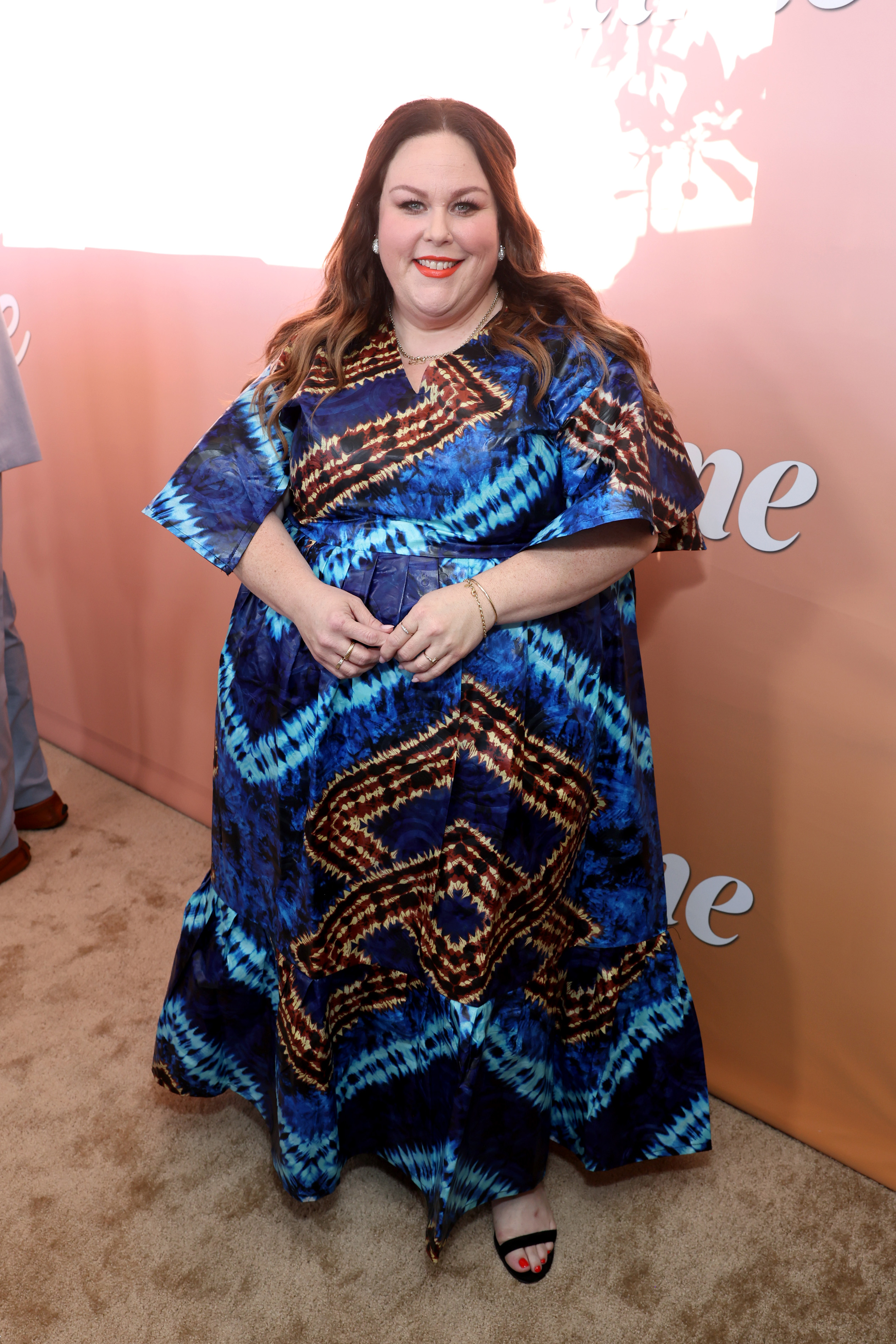
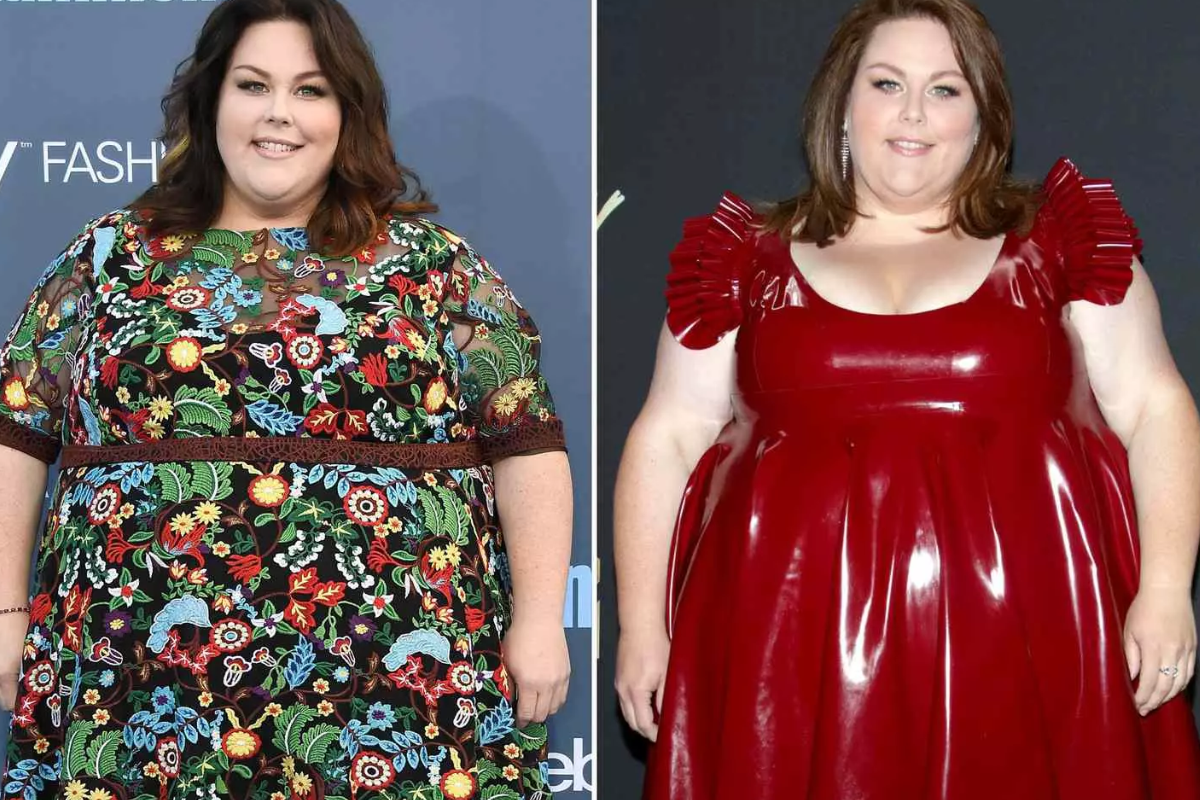
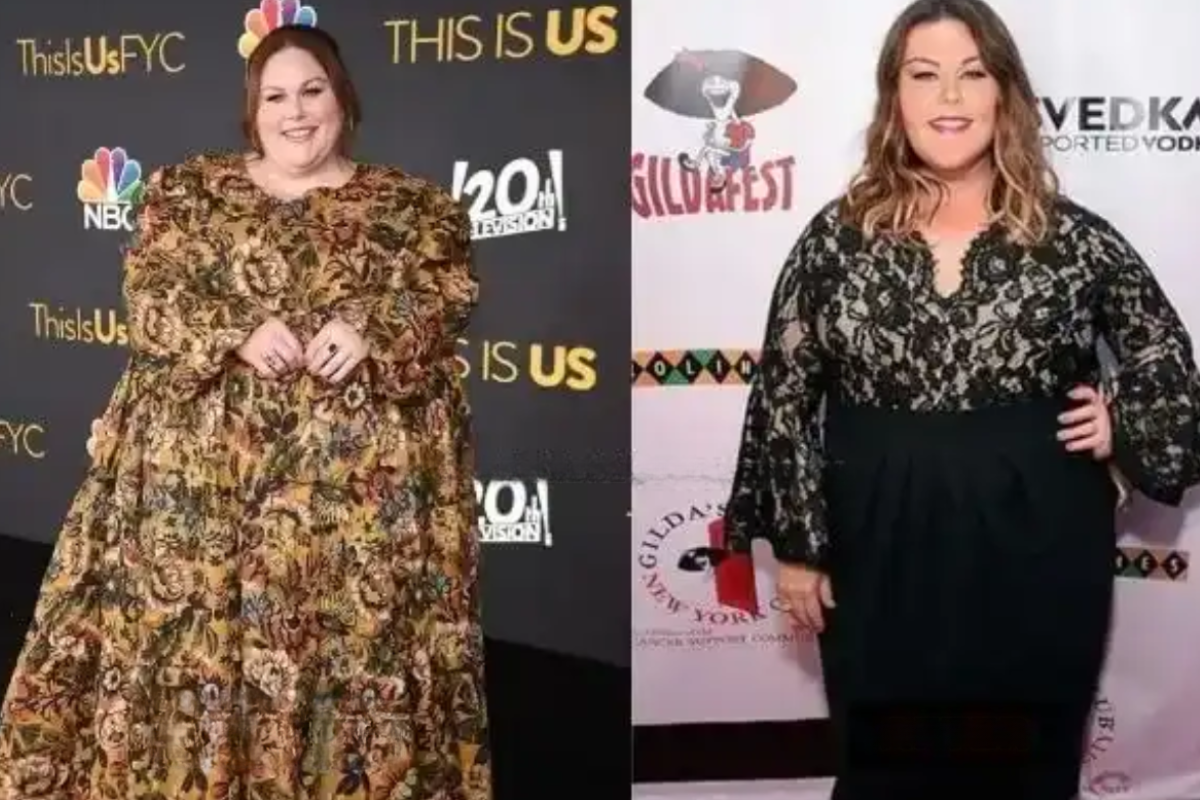
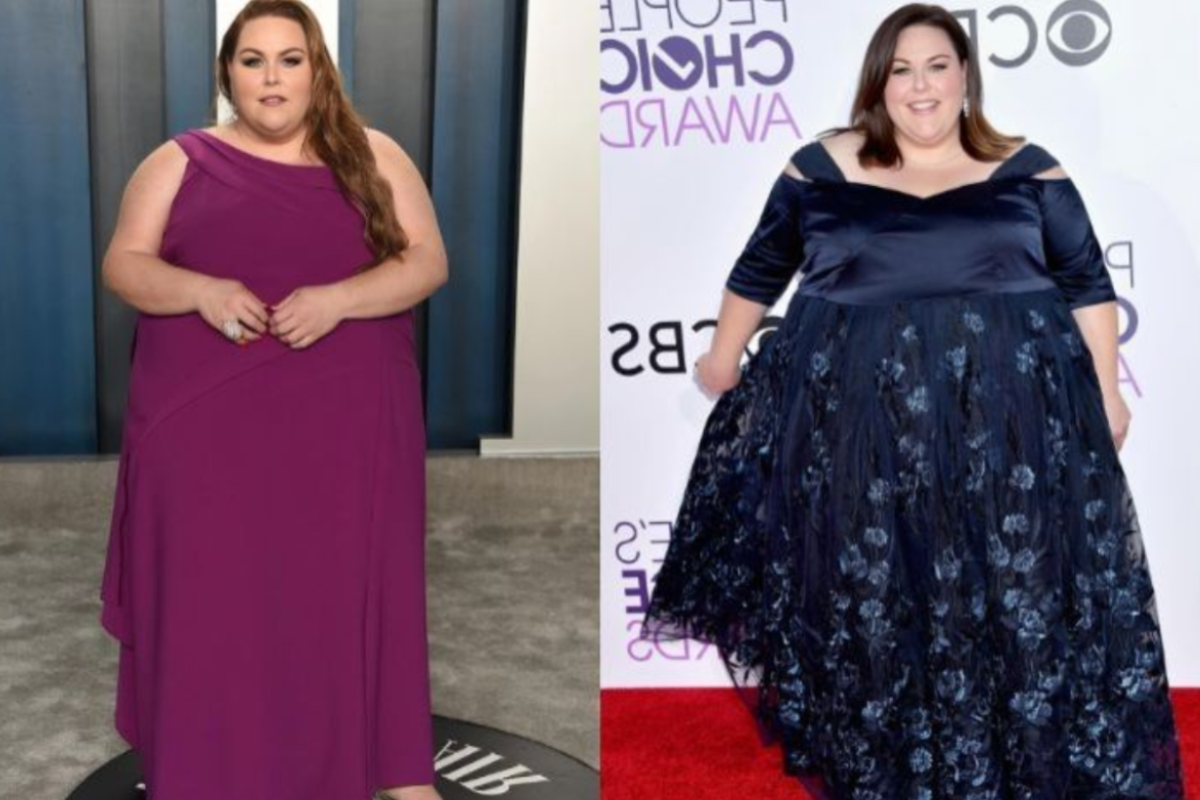
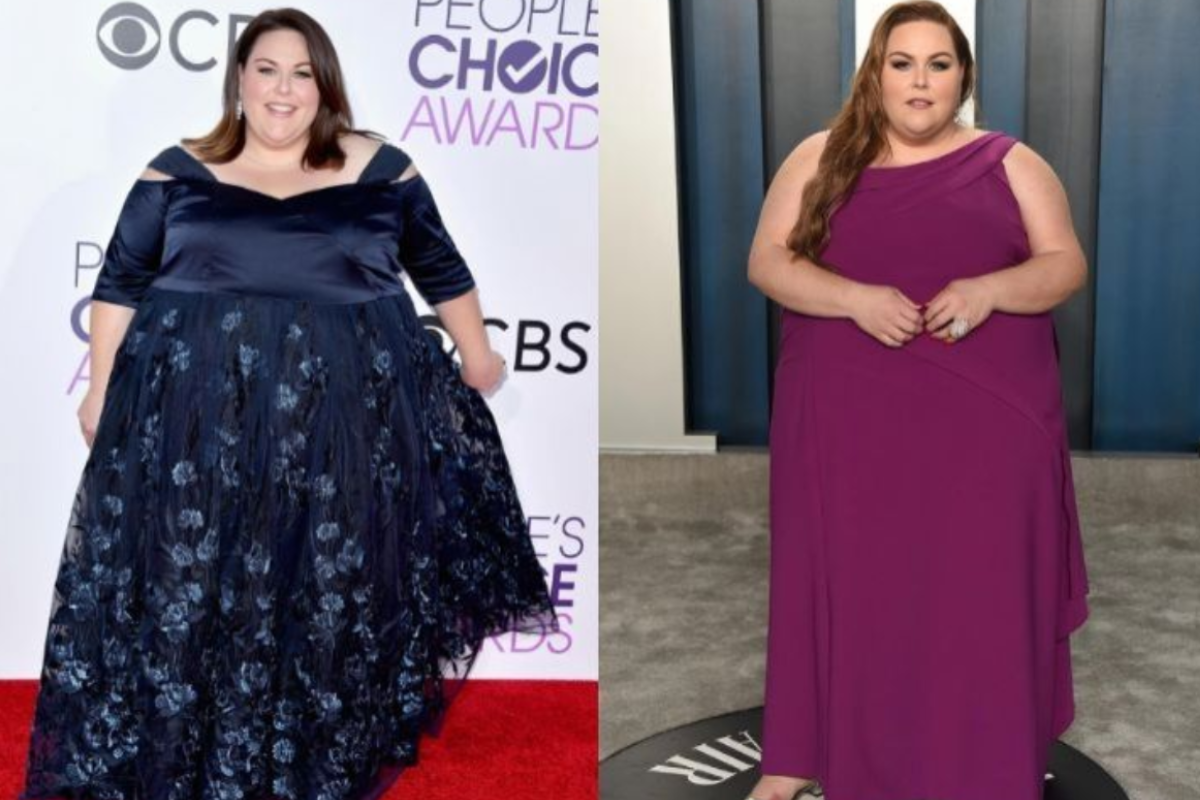
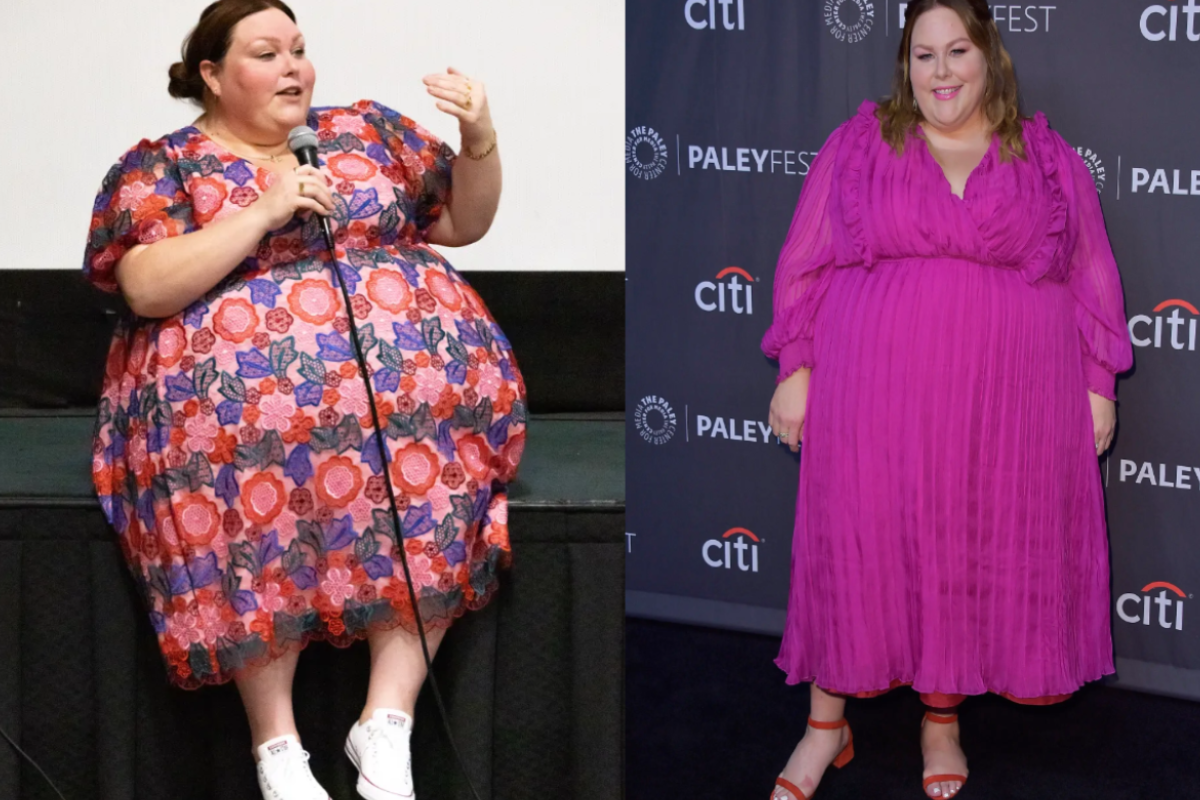
As of 2026, Chrissy Metz has not disclosed specific clothing sizes or body measurements to the public. The actor and author has consistently advocated for body positivity and personal health autonomy, emphasizing that her professional contributions and personal growth are defined by more than her physical dimensions.
The Context of Public Interest in Celebrity Bodies
The question of "what size is Chrissy Metz now" is a frequent query driven by the public's curiosity regarding celebrities who have spoken openly about weight, health, and societal beauty standards. For many, this interest is tied to her breakout role as Kate Pearson in the critically acclaimed television series This Is Us, a character whose narrative arc focused significantly on weight loss, self-acceptance, and the emotional complexities of living in a larger body.
Because Metz has spent a significant portion of her public career discussing the struggles of body image in Hollywood, audiences often look for tangible markers—such as weight loss figures or clothing sizes—to measure her progress. However, Metz has maintained a firm boundary regarding the disclosure of numerical data. She has publicly expressed that tracking her weight or size is not a metric she uses to define her success or her health journey.
Shifting the Narrative: Health Over Metrics
Chrissy Metz has frequently addressed the difference between physical appearance and health-conscious living in various interviews and her memoir, This Is Me. Her philosophy centers on the idea that "health" is an internal state rather than a specific dress size. By refusing to engage in public discussions about her current size, she redirects the conversation toward the psychological and emotional work required to maintain personal well-being.
In an industry that often commodifies body transformation, Metz’s stance is significant. She has navigated a career path where her physical presence was sometimes treated as a plot point, yet she has consistently countered this by advocating for "body neutrality." This concept suggests that one does not need to love every aspect of their physical appearance, but rather respect the body as a vessel that allows them to function, create, and live.
The Role of Body Positivity in Hollywood
The discourse surrounding stars like Chrissy Metz serves as a barometer for how the entertainment industry handles diverse body types. Throughout the 2010s and early 2020s, there was a visible shift in casting practices and character development, with actors like Metz challenging the traditional "sidekick" or "comic relief" tropes often assigned to plus-sized individuals.
When viewers search for updates on her physical size, it often reflects an underlying desire to see representation reflected in the media. When a high-profile figure like Metz embraces their body while actively working toward self-improvement, it creates a dual-layered effect on the audience:
- Normalization: It helps to normalize the presence of various body types in leading roles.
- Accountability: It challenges fans to consider their own relationship with weight and societal expectations of what a "healthy" person should look like.
Comparative Perspective: Why Size Metrics Are Often Misleading
Understanding why celebrity size tracking is inherently limited requires looking at how clothing sizing works in the industry versus the reality of human physiology.
| Factor | Impact on Body Measurement |
|---|---|
| Garment Construction | Sizes vary wildly between brands, styles, and countries of origin. |
| Personal Preference | Actors may prefer looser or more structured fits depending on their role or personal style. |
| Professional Requirements | On-set costumes are often tailored specifically for a character, meaning "street size" is irrelevant. |
| Temporal Variability | Body composition naturally fluctuates based on activity, stress, hydration, and medical history. |
Because of these variables, even if an actor were to disclose a size, it would remain a transient data point that does not provide a true "measure" of their wellness or identity. Expert health professionals consistently emphasize that BMI (Body Mass Index) and clothing size are poor proxies for cardiovascular health, metabolic function, or overall longevity.
Managing Expectations Regarding Celebrity Health
It is a common misunderstanding that public figures have a responsibility to share their medical or physical details. While fans often feel a sense of intimacy with those they watch on screen, celebrity health remains private. The ethical guidelines surrounding health reporting generally discourage the speculation of physical stats, as this can encourage unhealthy behaviors among the public, such as extreme dieting or unrealistic body comparison.
For those interested in the lifestyle habits that Chrissy Metz has discussed, the focus is generally on sustainable changes. She has spoken about the importance of consistent movement, mindful eating, and therapy to manage the emotional triggers that often lead to disordered eating patterns. These are the aspects of her life that she has chosen to highlight, as they provide actionable inspiration for her audience rather than unattainable numbers.
Navigating Media Consumption and Body Image
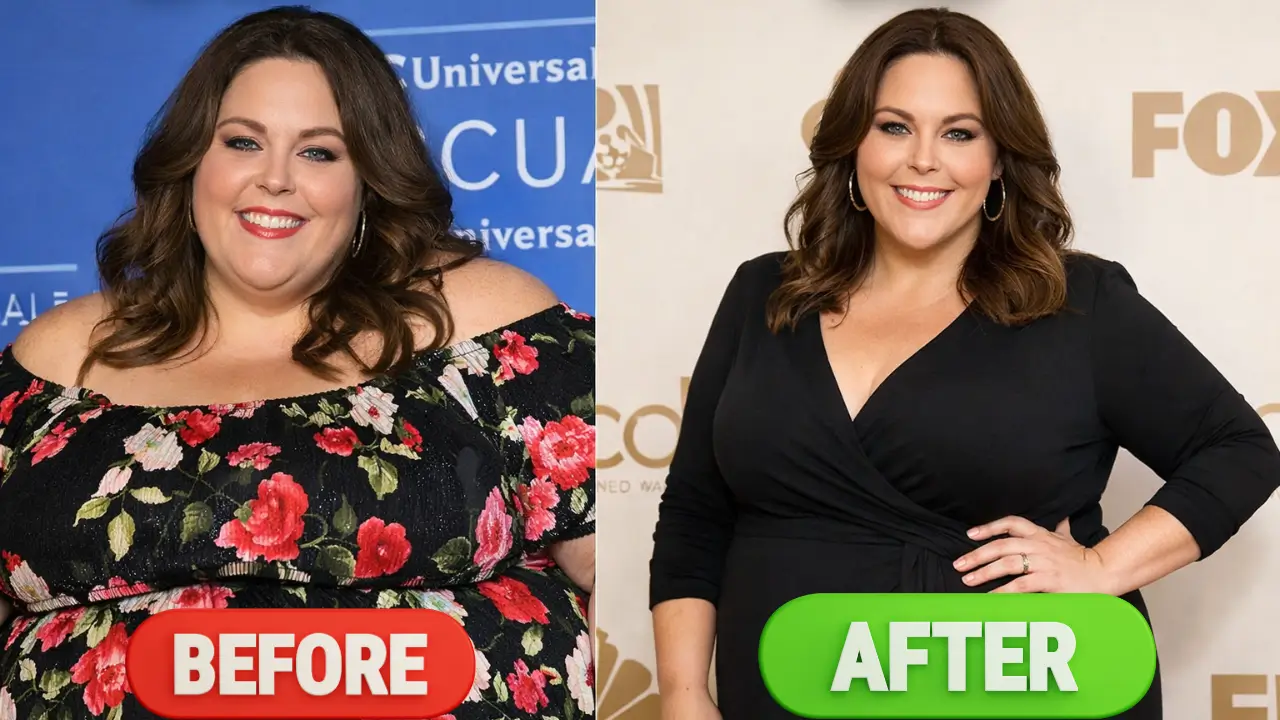
When consuming media regarding celebrity transformations, it is helpful for readers to maintain a critical perspective. Media outlets often sensationalize weight loss, using "before and after" framing to generate clicks. This framing often ignores the immense resources (private chefs, personal trainers, and significant time) that are often required for such changes—resources that are not accessible to the average person.
If you find yourself fixating on the size or weight of a public figure, it may be beneficial to assess the source of that interest. Is the goal to find a roadmap for your own health, or is it a byproduct of societal conditioning to judge bodies? If the former, focusing on evidence-based health practices—such as consulting with a registered dietitian or a primary care physician—is significantly more effective than tracking celebrity trends.
FAQ: Common Questions on Celebrity Wellness
Does Chrissy Metz have a specific diet plan she follows?
Chrissy Metz has not endorsed a specific, rigid diet plan. Instead, she has spoken about transitioning away from "diet culture" and focusing on intuitive eating and making choices that make her feel energized and healthy, rather than adhering to restrictive calorie-counting regimes.
Why do fans want to know the weight of actors?
Public curiosity regarding celebrity weight often stems from the parasocial relationships built through television. When a character’s journey involves weight loss, fans often project their own struggles onto the actor, hoping that a specific "answer" or "secret" will provide a solution to their own health hurdles.
Is there a standard way to measure "health" without using size?
Yes. Medical professionals recommend focusing on biomarkers like blood pressure, cholesterol levels, blood sugar stability, and resting heart rate. These provide a much more accurate picture of metabolic health than a dress size or the number on a scale.
How does Chrissy Metz handle critics of her body?
Metz has remained vocal about ignoring external noise. She often emphasizes that opinions from others regarding her body are a reflection of their own biases and insecurities, not a reflection of her value as a person or her validity as an actor.
Practical Steps for Prioritizing Your Own Health
If your interest in this topic stems from a personal journey toward improved health, consider shifting your focus from outward metrics to internal ones. Instead of focusing on "what size" someone is, consider these steps for your own personal development:
- Prioritize Professional Guidance: Consult with a doctor or a certified professional before beginning any major health or exercise program.
- Focus on Function: Identify what you want your body to be able to do—such as walking further, feeling more energetic, or sleeping better—rather than how you want it to look.
- Monitor Non-Scale Victories: Keep track of improvements in your daily life, such as increased stamina, better moods, or improved sleep quality.
- Practice Media Literacy: Be wary of advertisements or articles that promise "miracle" results or use extreme celebrity transformation stories to sell products.
- Cultivate Self-Compassion: Understand that wellness is a lifelong process with ebbs and flows. A single "size" is just a number on a garment label; it is not a measure of your worth, your dedication, or your health.