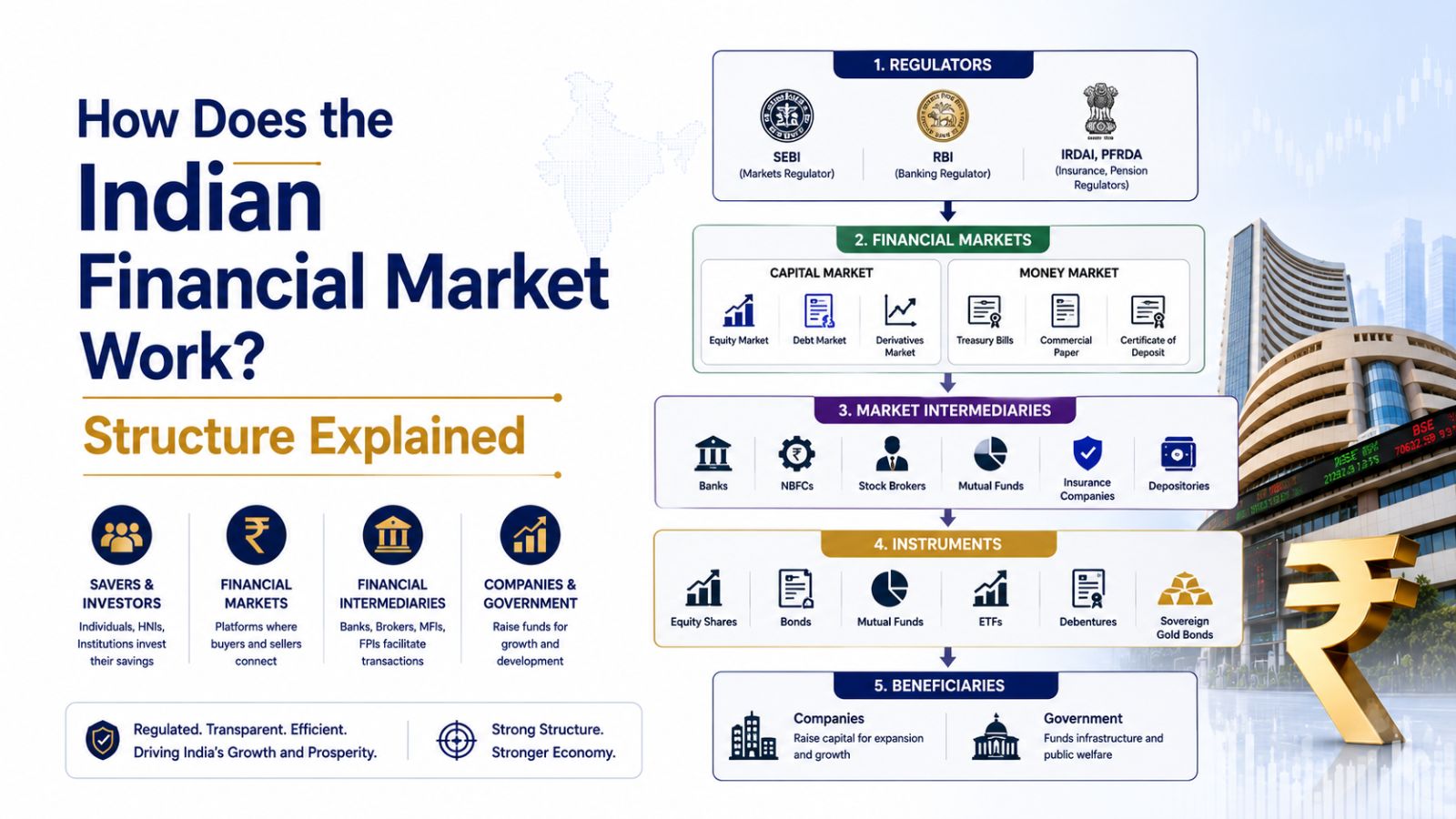
Financial markets in 2026 are defined by the convergence of high-interest-rate stabilization, the widespread integration of generative artificial intelligence in trade execution, and the maturation of decentralized finance (DeFi) regulatory frameworks. Market participants are shifting focus from rapid growth strategies toward capital efficiency, yield sustainability, and institutional-grade compliance protocols as central banks transition into a new cycle of monetary policy.
The Macroeconomic Landscape and Monetary Policy
As of 2026, the global macroeconomic environment has moved past the volatile inflationary spikes of the early 2020s into a period characterized by "higher for longer" structural baseline rates. Central banks, including the Federal Reserve and the European Central Bank, have largely completed their aggressive tightening cycles, focusing now on maintaining price stability while managing sovereign debt servicing costs.
For investors and corporate treasurers, this means the cost of capital has fundamentally repriced risk-taking. Speculative growth models that thrived in zero-interest-rate environments are being supplanted by business models prioritized by free cash flow and tangible operational margins. Markets are currently pricing in a moderate growth trajectory, closely monitoring the sensitivity of commercial real estate debt and corporate refinancing cycles which are reaching critical maturity thresholds this year.
Integration of Artificial Intelligence in Asset Management
AI is no longer an experimental feature in 2026; it is the infrastructure layer of global markets. Quantitative hedge funds and retail investment platforms have fully integrated large language models (LLMs) and predictive analytics to process unstructured data—ranging from satellite imagery of retail parking lots to sentiment analysis of global geopolitical filings—in real-time.
The impact on market efficiency is twofold. First, the speed of price discovery has increased, narrowing the spread of arbitrage opportunities that human traders previously exploited. Second, AI-driven risk management tools are now standard, allowing firms to simulate stress tests against thousands of historical market scenarios in seconds. However, this reliance introduces "algorithmic herding," where identical models react simultaneously to volatility, occasionally exacerbating short-term market swings. Investors must ensure their portfolios are diversified not just by asset class, but by the underlying logic of the algorithms that influence their trades.
Regulatory Evolution in Digital Assets and DeFi
The regulatory perimeter for digital assets has crystallized. By 2026, the "Wild West" era of decentralized finance has been largely replaced by structured oversight. Major jurisdictions have implemented comprehensive frameworks that require stablecoin issuers to maintain transparent, auditor-verified reserves and enforce strict Know Your Customer (KYC) and Anti-Money Laundering (AML) standards for entry into DeFi protocols.
Institutional adoption of tokenized real-world assets (RWAs)—such as government bonds, private credit, and commercial invoices—has moved from pilot programs to mainstream financial vehicles. These assets offer the transparency of blockchain technology with the legal security of traditional contracts. Participants in these markets are advised to prioritize platforms that demonstrate compliance with local jurisdictional standards, as the consolidation of the crypto-exchange landscape has favored institutions with robust legal standing.
Comparative Overview of Financial Market Drivers
The following table summarizes the primary factors influencing capital allocation and market sentiment as of 2026:
| Driver Category | Primary Focus in 2026 | Impact on Strategy |
|---|---|---|
| Monetary Policy | Debt Serviceability | Preference for high-quality, investment-grade fixed income. |
| AI Integration | Predictive Alpha | Shift toward algorithmic oversight and data-driven risk management. |
| Digital Assets | RWA Tokenization | Increased legitimacy and liquidity in decentralized markets. |
| Fiscal Stance | Geopolitical Reshoring | Focus on defense, energy independence, and local supply chain stocks. |
| Labor Markets | Automation Productivity | Preference for companies leveraging AI to expand margins. |
The Rise of Thematic and Impact Investing
Investors are increasingly moving away from broad market indices toward thematic portfolios that reflect long-term structural changes. The transition to sustainable energy, the reshoring of critical manufacturing, and the silver economy (services targeting the aging population) are the primary themes dominating market sentiment.
Unlike the early 2020s, "greenwashing" is now strictly mitigated by standardized global reporting requirements. Companies must provide verifiable data regarding their carbon footprint and supply chain ethics. This move toward transparency provides a clearer picture of long-term asset viability. Investors looking to participate in these sectors should focus on companies with clear paths to profitability rather than those relying solely on speculative ESG-based capital inflows.
Navigating Geopolitical and Supply Chain Fragility
Market volatility in 2026 is frequently tied to supply chain shifts and trade protectionism. The trend of "near-shoring"—moving manufacturing closer to end-consumer markets—is a dominant theme. While this creates localized economic stability, it also results in structurally higher costs for goods and services compared to the hyper-globalized supply chains of the previous decade.
Equity markets are reacting to these changes by rewarding companies that demonstrate supply chain resilience and vertical integration. Investors should monitor geopolitical stability indices when allocating capital to emerging markets, as the premium for risk in these regions has expanded significantly compared to domestic or developed-market alternatives.
Managing Risks in a High-Tech Market Environment
As market infrastructure becomes more complex, the risk profile for individual and institutional participants changes. Traditional portfolio diversification—the classic 60/40 model—has evolved to include non-correlated assets, such as private credit and commodities, to hedge against inflation and equity market downturns.
Key risks to manage in 2026 include:
- Systemic Algorithmic Risk: The potential for flash volatility caused by interconnected trading systems.
- Liquidity Mismatches: Investing in illiquid private assets while expecting daily liquidity, a common pitfall in high-yield credit funds.
- Cybersecurity Threats: The heightened risk of financial data breaches requiring robust encryption and authentication standards for all digital asset holdings.
Frequently Asked Questions
Is the 60/40 investment strategy still relevant in 2026?
The 60/40 model remains a foundational concept, but it has been modified. In the current interest rate environment, the "40" portion (bonds) has regained its role as a source of yield, unlike in the low-rate years. Most modern adaptations incorporate a 10-15% allocation to alternative assets like private credit or tokenized real-world assets to improve risk-adjusted returns.
How does AI affect daily retail trading?
AI tools now provide retail investors with institutional-level analysis, such as custom earnings call sentiment scoring and portfolio rebalancing alerts. While this levels the playing field, it also demands that retail traders avoid over-trading; the ability to act faster does not inherently translate to superior long-term performance.
Are digital assets considered stable enough for retirement portfolios?
Selected digital assets, specifically those backed by regulated stablecoins or tokenized sovereign bonds, are increasingly viewed as stable components of a diversified portfolio. However, speculative, non-productive crypto-assets remain high-risk and are generally not recommended for the core, conservative portion of retirement savings.
What is the primary cause of market volatility this year?
Market volatility in 2026 is primarily driven by the "refinancing wall"—the volume of corporate debt maturing that must be renegotiated at higher interest rates. Investors are closely tracking which companies have the cash flow to handle these higher borrowing costs and which may face insolvency.
Should I prioritize domestic or international stocks in the current climate?
Domestic investment has gained favor due to the focus on reshoring and geopolitical insulation. However, international diversification remains essential to capture growth in emerging technological hubs that are outpacing developed markets in specific sectors like mobile infrastructure and renewable energy adoption.
Strategic Next Actions for Market Participants
To effectively navigate the financial landscape in 2026, adopt a "verification-first" approach. Before committing capital to any new financial product or sector, prioritize the auditability of the underlying assets.
- Review Debt Maturity Schedules: Analyze the balance sheets of any individual equities held to ensure they have the liquidity to handle refinancing at current rates.
- Audit Digital Asset Exposure: Verify that all digital holdings are stored on platforms compliant with current jurisdictional regulations.
- Modernize Portfolio Diversification: Evaluate your allocation to include non-traditional assets like private credit or RWA-backed tokens if your risk tolerance allows.
- Monitor Macro-Indicators: Maintain a focus on employment data and corporate earnings growth as the primary signals for market health, rather than relying on short-term news sentiment or speculative trends.