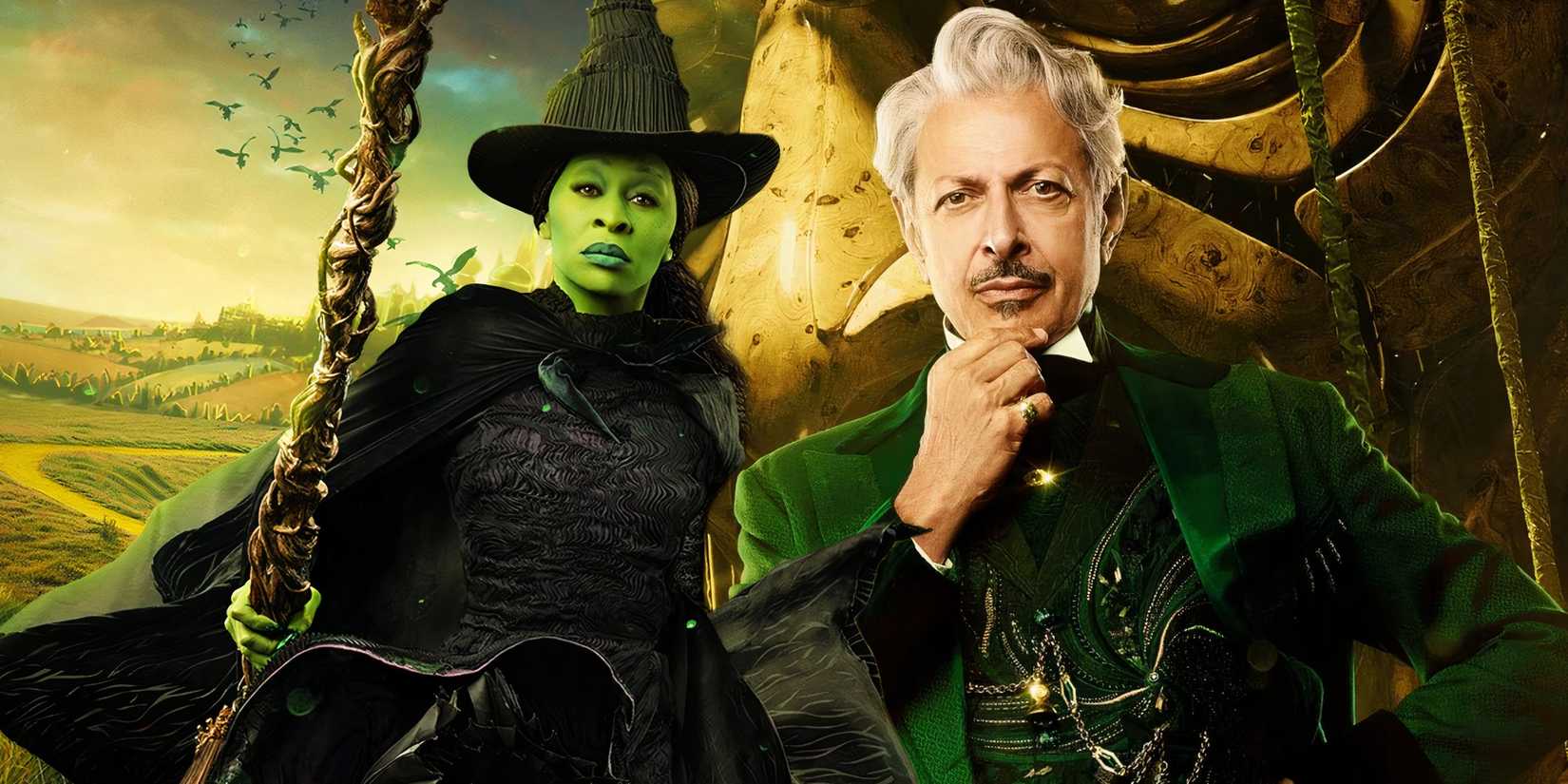
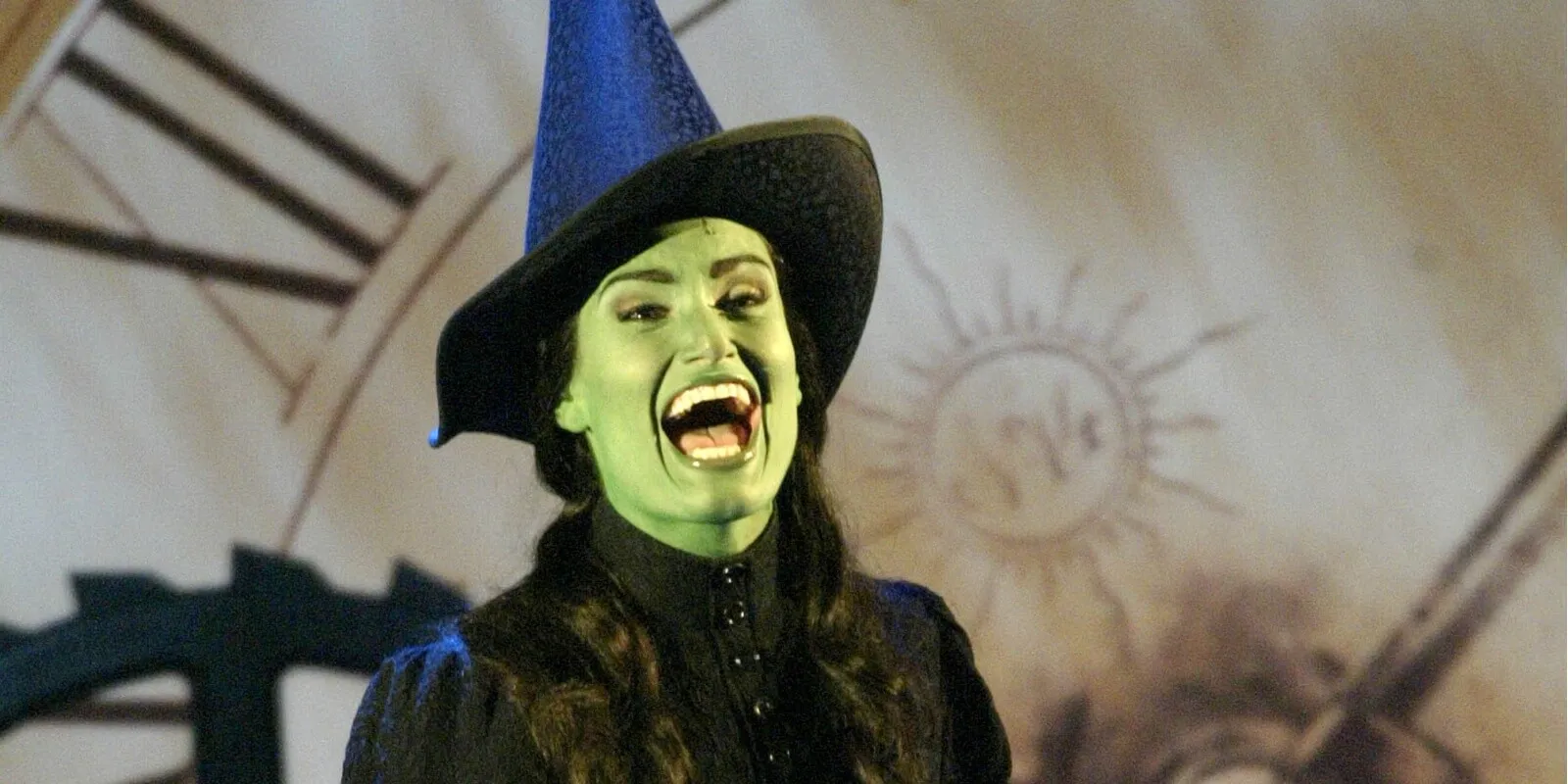
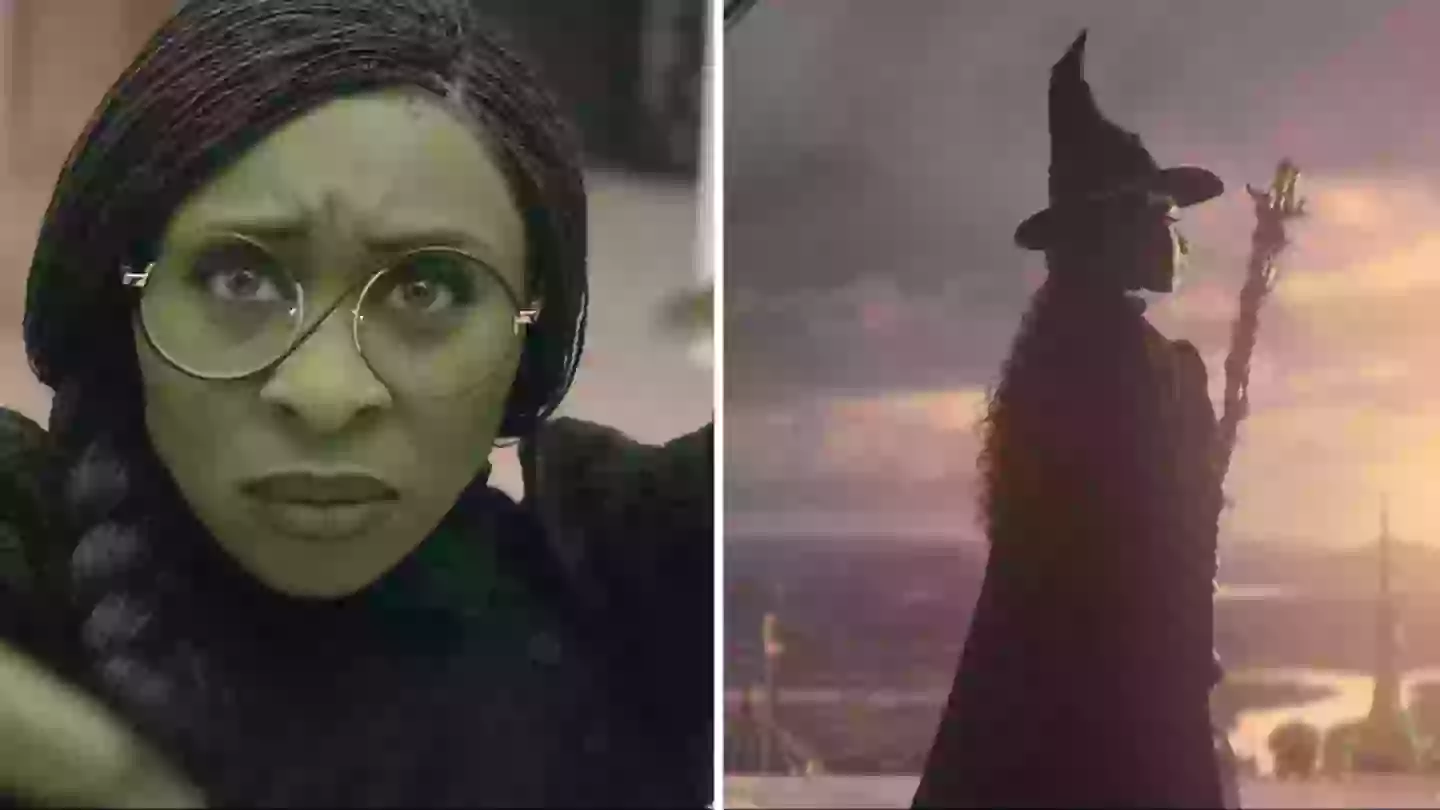
In the expanded universe of Oz, specifically within Gregory Maguire’s novel Wicked and its subsequent musical and film adaptations, Elphaba’s sister is named Nessarose Thropp. While she is known only as the Wicked Witch of the East in the original 1939 film, the Wicked narrative provides her with a name, a tragic backstory, and a complex relationship with her sister.
The character of the Wicked Witch of the East was originally a nameless plot device in L. Frank Baum’s 1900 novel, The Wonderful Wizard of Oz. Her primary function was to be crushed by Dorothy Gale’s house, providing the protagonist with the magical shoes necessary for her journey. However, contemporary audiences primarily recognize the character through the lens of Wicked, where Nessarose is established as a central, albeit tragic, figure in the history of Oz.
The Literary Origin: From Nameless Witch to Nessarose Thropp
To understand the identity of Elphaba's sister, one must first look at the evolution of Oz literature. When L. Frank Baum first published The Wonderful Wizard of Oz in 1900, he did not provide individual names for the Wicked Witches of the East or West. They were elemental forces of evil that ruled over the Munchkins and the Winkies, respectively. In the original text, the Wicked Witch of the East was a powerful sorceress who had kept the Munchkins in bondage for years. Her death was the catalyst for the entire story, but her identity remained a mystery.
It wasn't until 1995, with the publication of Gregory Maguire’s revisionist novel Wicked: The Life and Times of the Wicked Witch of the West, that the character received the name Nessarose. Maguire’s goal was to deconstruct the "villains" of Oz, providing them with internal lives, political motivations, and familial ties. By naming her Nessarose, Maguire transformed a footnote of a character into a fully realized person with a distinct personality and a physical disability that shaped her worldview.
In the context of the 2026 media landscape, where the Wicked film adaptations (released in 2024 and 2025) have revitalized global interest in these characters, Nessarose is firmly established in the public consciousness as Elphaba’s younger sister. Her name is often shortened to "Nessa" by Elphaba (affectionately called "Elphie"), emphasizing their close, though often strained, bond.
Nessarose in the Novel vs. The Broadway Musical
While the name Nessarose remains constant, her characterization varies significantly between the original 1995 novel and the 2003 Broadway musical. Understanding these differences is crucial for fans who may be confused by different interpretations of her "wickedness."
The Novel's Nessarose
In Maguire’s novel, Nessarose is born without arms. This physical difference is a source of immense shame for her father, the Governor of Munchkinland, who compensates by becoming overly protective and religious. Nessarose herself grows into a deeply pious and eventually fanatical individual. Her "wickedness" in the book is rooted in her religious zealotry and her cold, distant nature. She becomes the ruler of Munchkinland not out of a desire for power, but as a birthright that she uses to enforce strict moral codes.
The Musical's Nessarose
The Broadway musical, and by extension the 2024/2025 films, reimagines Nessarose as a character who uses a wheelchair due to a physical disability involving her legs. This version of the character is motivated primarily by a desperate need for love and a sense of inadequacy compared to her powerful, albeit social-outcast, sister. Her descent into "wickedness" is a slow burn fueled by her unrequited love for Boq, a Munchkin who only stays with her out of pity or magical coercion. When she eventually gains the ability to walk through Elphaba’s magic, her possessiveness over Boq turns into tyranny, leading her to strip the Munchkins of their rights to prevent Boq from leaving her.
The Tragic Transformation into the Wicked Witch of the East
The name Nessarose is inseparable from the title "The Wicked Witch of the East." In all versions of the Wicked story, her transformation into a "wicked" figure is portrayed as a tragedy of circumstances and poor choices.
Nessarose’s inheritance of the silver shoes (which become the ruby slippers in the movie) is a pivotal moment. In the musical, these shoes are a gift from her father, which Elphaba eventually enchants to allow Nessarose to walk. The irony is that the very magic intended to liberate her only serves to harden her heart. Once she can walk, she no longer feels she needs to be the "good" sister. She becomes the "Wicked Witch of the East" by enslaving the Munchkins—not because she hates them, but because she is terrified of being alone.
Her death remains one of the most famous moments in cinema history, but Wicked adds a layer of irony to it. In the 1939 film, the house landing on the witch is seen as a lucky accident. In the Wicked universe, Nessarose’s death is a devastating blow to Elphaba, serving as one of the primary reasons Elphaba is eventually branded "wicked" herself. Elphaba’s quest to retrieve her sister’s shoes is not about power; it is about reclaiming the last physical memory of her sister.
Distinguishing Nessarose from Other "Sisters" in Oz
Because the Oz franchise has been adapted numerous times, there is often confusion regarding the names of the witches. It is important to distinguish Nessarose from other characters who have been identified as the Wicked Witch of the East in different versions of the story.
| Adaptation | Name of the Sister (Witch of the East) | Physical Characteristic | Primary Motivation |
|---|---|---|---|
| The Wonderful Wizard of Oz (1900 Novel) | Nameless | Old, wrinkled, white hat | Enslaving Munchkins |
| The Wizard of Oz (1939 Film) | Nameless | Only seen as legs in striped stockings | Unknown (Plot device) |
| Wicked (Novel/Musical/2024 Film) | Nessarose Thropp | Armless (Novel) / Wheelchair (Musical) | Acceptance, Love, Religion |
| Oz the Great and Powerful (2013 Film) | Evanora | Elegant, wears green/black | Political power and manipulation |
| Emerald City (2017 TV Series) | Mistress of the Eastern Wood | Red-cloaked sorceress | Maintaining the status quo |
One of the most common points of confusion arises from the 2013 Disney film Oz the Great and Powerful. In that version, the Wicked Witch of the East is named Evanora (played by Rachel Weisz), and she is the sister of Theodora (the Wicked Witch of the West). However, this film is not part of the Wicked canon or the original L. Frank Baum timeline. For those following the story of Elphaba, the only name that matters is Nessarose.
The Significance of the Shoes: Silver vs. Ruby
The name Nessarose is also inextricably linked to the most famous footwear in history. Depending on which version of the story you are following, Nessarose’s shoes are either silver or ruby.
- The Silver Shoes: In the original L. Frank Baum books and Gregory Maguire’s Wicked novel, the shoes are silver. They represent a powerful source of ancient magic. In the novel Wicked, they are a gift from Nessarose's father, made of glass and infused with minerals. They are a symbol of her status as the "favorite" daughter.
- The Ruby Slippers: For the 1939 Technicolor film, the shoes were changed to ruby to pop against the Yellow Brick Road. In the Wicked musical and the recent films, the shoes are depicted as being enchanted by Elphaba. They turn red (or glow with a reddish hue) when the spell is cast to allow Nessarose to walk.
The shoes are more than just a fashion choice; they represent the burden of Nessarose's physical limitations and the tragedy of her eventual demise. When Dorothy "steals" the shoes from Nessarose's feet, she is unknowingly taking the only thing that gave the character independence.
Frequently Asked Questions
Does Nessarose have magical powers like Elphaba?
In the musical, Nessarose does not initially possess innate magical abilities like Elphaba. Her power is primarily political, inherited from her father as the Governor of Munchkinland. However, she does eventually learn to use Elphaba's spell book, the Grimmerie, with disastrous results. In the novel, her "magic" is more closely tied to her religious influence and the fear she commands.
Why is Nessarose called the Wicked Witch of the East?
She earns the title because of her tyrannical rule over the Munchkin people. In the musical, her obsession with keeping Boq by her side leads her to strip the Munchkins of their freedom, effectively enslaving them so that Boq cannot leave her territory. This cruelty is what leads the people of Oz to label her "Wicked."
Are Elphaba and Nessarose full sisters?
In Gregory Maguire’s novel, it is revealed that Elphaba and Nessarose have different fathers. Elphaba is the biological daughter of the Wizard of Oz (the result of an affair between the Wizard and Elphaba’s mother, Melena), while Nessarose is the biological daughter of Melena and her husband, Frexspar Thropp. This makes them half-sisters, a fact that adds to the tension and feeling of displacement Elphaba feels within her family.
Is Nessarose in the 2024 and 2025 Wicked movies?
Yes, Nessarose is a major character in the Wicked film adaptations. She is portrayed by actress Marissa Bode, who, like the character in the musical, is a wheelchair user. The films provide a high-definition look at her early life at Shiz University and her complicated dynamic with Elphaba and Glinda.
Next Steps for Oz Enthusiasts
If you are interested in exploring the deeper lore of Nessarose and the Thropp family, the best course of action is to read Gregory Maguire’s Wicked series, beginning with the first novel. For those who prefer a more visual and musical experience, attending a production of Wicked on Broadway or watching the 2024/2025 film adaptations provides a compelling look at the character.
Understanding the name and history of Nessarose changes how one views The Wizard of Oz. No longer is the "Witch under the house" just a faceless villain; she is a sister, a daughter, and a woman whose life was defined by both her disability and her desire for a place to belong.