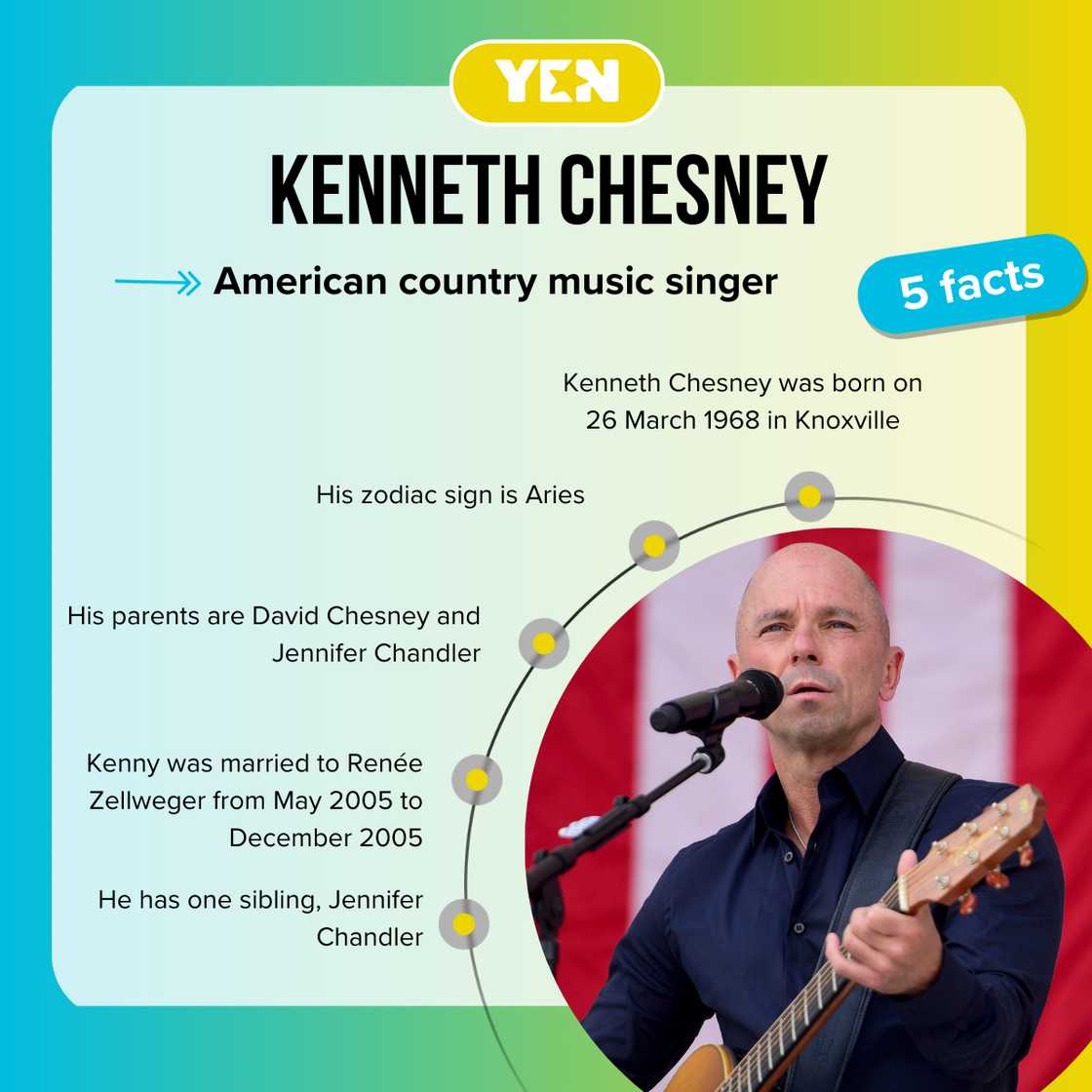
As of 2026, there is no public record or verified medical report indicating that country music superstar Kenny Chesney suffers from any chronic, life-threatening, or debilitating disease. Speculation regarding his health often stems from misinterpreted media appearances or the standard physical demands of high-energy live performances, but the artist has not disclosed any medical conditions requiring public attention.
Contextualizing Celebrity Health Speculation
In the entertainment industry, the absence of public information is frequently misinterpreted by fans and online observers. For public figures like Kenny Chesney, who has maintained an incredibly rigorous touring schedule for decades, any minor variation in appearance—such as changes in weight, fatigue after a long season of stadium shows, or shifts in public presence—can trigger social media rumors. It is common for the public to project health concerns onto performers based on visual cues that are, in reality, typical signs of professional exhaustion or simply natural aging.
Chesney has consistently prioritized physical fitness as a core component of his professional identity. His ability to perform for thousands of people while navigating high-intensity stadium tours requires significant cardiovascular health and muscular endurance. Because the public associates him with a high-performance lifestyle, any period of private downtime or reduction in public output is often incorrectly interpreted as an underlying medical issue.
The Impact of Rigorous Touring Schedules
The lifestyle of a professional touring musician is inherently taxing. By 2026, Kenny Chesney’s career spans over three decades, during which he has become known for his "No Shoes Nation" tours, which are characterized by relentless pacing and high-energy stage craft. Maintaining the physical stamina necessary to manage such a career path often leads to periods of rest and recovery.
Medical experts note that the exhaustion associated with long-term touring is a cumulative condition, not a specific disease. Symptoms often mistaken for illness include:
- Vocal Fatigue: Singers often require extended periods of silence or specialized treatment to manage vocal cord health after high-frequency touring.
- Physical Exhaustion: The sheer volume of travel, rehearsals, and performance hours leads to systemic fatigue that necessitates downtime.
- Nutritional Demands: Maintaining an athletic physique while adhering to a restrictive tour diet is physically difficult, and temporary shifts in weight are frequent occurrences in the life of a professional performer.
Verified Physical Fitness and Well-being
Kenny Chesney has frequently spoken in interviews about his commitment to a disciplined lifestyle, which includes a focus on clean eating, consistent strength training, and cardiovascular exercises. This focus is a strategy to mitigate the toll of his career, rather than a response to a diagnosed ailment. Unlike performers who suffer from chronic health conditions that they choose to disclose, Chesney has remained active and has not entered the public discourse regarding personal medical struggles.
When evaluating celebrity health claims, it is essential to distinguish between official statements from the artist’s management or public relations team and speculative discussions found on social media platforms. As of 2026, official channels associated with the artist have made no statements regarding a diagnosis or a chronic condition.
Comparative Analysis of Celebrity Health Transparency
The following table outlines how different categories of celebrity health discourse are typically managed in the media, helping to contextualize why public interest in Chesney’s health remains speculative rather than factual.
| Category | Disclosure Level | Typical Source of Information |
|---|---|---|
| Documented Chronic Illness | High (Public Statement) | Official press releases; Artist social media |
| Acute Injury/Surgery | High (Event-driven) | Post-op statements; Tour delay notifications |
| Professional Burnout | Moderate (Indirect) | Interview commentary; Hiatus announcements |
| Speculative Rumors | None | Social media forums; Tabloid headlines |
In the case of Kenny Chesney, there is zero evidence of the first two categories. Any discussion of his "health" falls entirely into the realm of speculation, which lacks the empirical foundation required to constitute a medical fact.
Understanding the Role of Media Scrutiny
The phenomenon of questioning a celebrity’s health is often a byproduct of the parasocial relationship fans develop with artists. Because fans feel a deep connection to the subject matter of an artist’s work, they may feel a sense of entitlement to the artist's private life. However, legal and ethical standards for medical privacy remain strict. Even if a celebrity were to face a health challenge, the timing and extent of that disclosure remain entirely at their discretion.
It is also important to note that the year 2026, while presenting advancements in health technology and diagnostic capabilities, does not change the fundamental right to medical confidentiality. Celebrities, like any other individuals, are protected by privacy laws that prevent medical institutions or insurers from disclosing personal health information. Without an explicit, signed release from the artist or an official representative, any claim that he suffers from a specific disease is unsubstantiated.
Distinguishing Between Aging and Illness
As artists mature, their physical appearance naturally changes. For fans who have followed an artist since their debut, these changes—graying hair, changes in skin texture, or slight fluctuations in muscle mass—can be jarring. This is often where rumors of "secret diseases" originate. When an artist looks different than they did in their twenties or thirties, the human tendency is to look for a clinical explanation. In reality, the aging process is a universal biological certainty, not a medical condition to be investigated or "diagnosed."
Frequently Asked Questions
Is there an official statement from Kenny Chesney regarding his health?
No. As of 2026, neither Kenny Chesney nor his management team has issued any statements regarding a diagnosis, chronic illness, or health struggle. All claims suggesting otherwise are currently unfounded.
Did Kenny Chesney ever retire due to health reasons?
No. Kenny Chesney has taken various breaks between touring cycles—a standard practice for high-profile musicians—but he has never announced a retirement or a health-related cessation of his professional activities.
Could his weight loss or physical changes indicate a disease?
Not necessarily. Physical changes in high-profile performers are often the result of shifts in training regimens, tour requirements, dietary adjustments, or natural aging. These variations are normal and do not imply an underlying medical condition without accompanying clinical evidence.
Why do rumors about his health persist?
Rumors often persist due to the intensity of celebrity culture, where fans and tabloid media speculate on the lives of public figures. When an artist is not constantly in the public eye, rumors often fill the void of information.
What should I believe regarding celebrity health news?
You should rely exclusively on verified news sources that cite official statements from the artist’s representatives or confirmed medical records released by the artist. Avoid relying on social media rumors, fan blogs, or unverified tabloid reports.
Taking Informed Action
If you are concerned about information you encounter online regarding the health of a public figure, the most responsible action is to verify the source of that information before sharing it. High-value information regarding an artist's career, upcoming tour dates, or personal updates will always be disseminated through official outlets, such as the artist’s verified website or reputable, established news organizations. If an update is not present on these official platforms, you can safely assume that the information is speculative and should be treated with skepticism. Always prioritize primary sources over secondary interpretations.