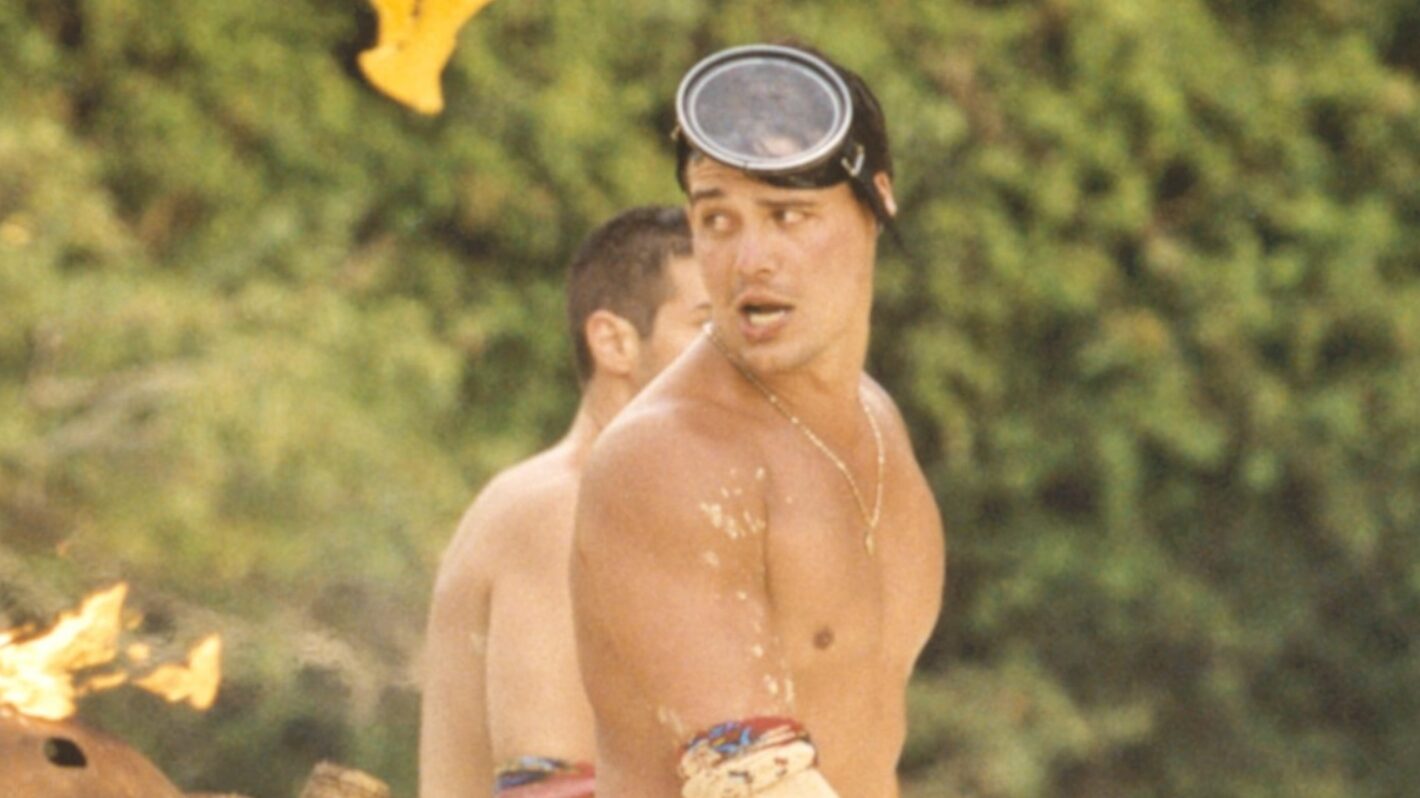
Rob Mariano, widely recognized by fans and the media as "Boston Rob," made his debut on Survivor: Marquesas, which served as the fourth season of the reality competition series. Airing in 2002, this season introduced viewers to a young, brash construction worker from Canton, Massachusetts, whose tactical gameplay and outspoken personality would eventually help define the evolution of the game’s strategic landscape.
The Context of Survivor: Marquesas
To understand Rob Mariano’s entry into the Survivor franchise, it is necessary to look at the state of the game in 2002. Survivor: Marquesas was filmed in the Nuku Hiva islands of French Polynesia. At the time, the show was still in its formative years, having only recently moved away from the initial "survivalist" focus of the first two seasons (Borneo and The Australian Outback) toward a more complex, social-strategy-driven format.
Rob was cast as a member of the Maraamu tribe. His arrival was marked by a distinct energy that separated him from the archetypes commonly seen in the earlier seasons. While many contestants in the early 2000s focused on maintaining the "noble" image of a Survivor player, Rob adopted a cynical, direct approach that prioritized game control and voting out perceived threats. This aggressive style of play, though nascent in Marquesas, eventually became his signature.
Gameplay and Strategic Development
During his time on the island, Rob was a central figure within the Maraamu tribe. His tenure in Marquesas is best remembered for his ability to identify power structures early and his willingness to challenge them. Even as a young contestant in his mid-twenties, he demonstrated an advanced understanding of the "numbers game"—the fundamental mechanic of Survivor where players must secure a majority of votes to eliminate opponents.
Despite his strategic awareness, Rob’s first appearance was not a victory. He was eliminated in 10th place, becoming the second member of the jury. His exit was the result of a tribal swap and a shift in the political landscape of the game. However, even in defeat, he garnered significant attention from the producers and the viewing audience. His direct, often inflammatory confessional interviews provided the show with high-quality narrative content, making him an immediate candidate for return appearances.
Impact of the First Season on His Legacy
The significance of Survivor: Marquesas in the broader history of the franchise cannot be overstated. It was the testing ground for the man who would go on to compete in a total of five seasons of the flagship show. The traits established in Marquesas—the "Boston" persona, the heavy reliance on intimidation, and the ability to dictate tribal dynamics—were refined and evolved throughout his later appearances.
Had Rob not been cast in this specific season, the archetypal "villain" or "strategic mastermind" role in Survivor might have looked very different. By introducing a player who was overtly playing to win rather than playing for the experience, the show signaled to future applicants that Survivor was a competitive game of social engineering.
Key Participation Metrics: The Early Years
When evaluating Rob’s participation across his early tenure, it is helpful to contrast his initial performance with the standard metrics of the game. Below is a comparison of his initial status as a newcomer compared to the broader expectations of the era.
| Metric | Survivor: Marquesas Status |
|---|---|
| Season Order | 4th Season |
| Tribe Origin | Maraamu |
| Finishing Position | 10th Place |
| Role in Season | Jury Member |
| Strategic Archetype | Aggressive Strategist |
| Primary Skillset | Social Manipulation and Challenge Competitiveness |
The Evolution of the "Boston Rob" Archetype
Following Marquesas, Rob’s reputation grew as he was brought back for Survivor: All-Stars (Season 8). This transition from a one-time player to a franchise icon highlights how Survivor treated its recurring contestants. The production team recognized that the personality quirks displayed in his first season—the arrogance, the humor, and the raw strategic ambition—were essential components of the show’s enduring success.
The transition also highlights a technical aspect of the show’s production: the recognition of "star power." Rob was one of the few contestants who understood that his value to the franchise lay in his ability to articulate his thought process for the cameras. This transparency in the confessionals allowed the audience to feel as though they were "in on the joke" or "in on the strategy," which deepened fan engagement significantly.
Challenges and Common Misconceptions
One common misconception among newer viewers is that Rob was a dominant force from his very first day in the game. In reality, Marquesas was a learning process. His elimination highlighted the risks of playing too hard, too early, without the necessary social capital to back up his aggressive moves. In later seasons, he famously learned to build "buddy systems"—a concept where he tightly controlled the movements and communications of his alliance members. This technical mastery of player control was absent in Marquesas, where he played a more reactive, albeit boisterous, game.
Another point of clarity regarding his history is the distinction between his playing style and the production environment of 2002. Technology, medical protocols, and the overall game design were significantly different compared to the highly optimized, high-speed games played in 2026. Understanding that his first season occurred in a "lo-fi" era of reality television helps explain why his gameplay felt fresh and unprecedented at the time, even if it might appear standard by the high-strategy benchmarks of modern Survivor.
Frequently Asked Questions
Did Rob Mariano win his first season of Survivor?
No, Rob Mariano did not win his first season. He placed 10th in Survivor: Marquesas. He was the second person to join the jury and did not make it to the Final Tribal Council during his debut appearance.
Why is he referred to as "Boston Rob"?
The moniker "Boston Rob" was a branding decision used to differentiate him from other contestants named Rob. Because he hailed from the Boston area and displayed a distinct regional accent and persona, the production staff and subsequent media coverage solidified the nickname, which he has retained throughout his television career.
How many times has Rob Mariano played Survivor?
Rob Mariano has appeared as a contestant on five separate seasons of the flagship Survivor series: Marquesas (Season 4), All-Stars (Season 8), Heroes vs. Villains (Season 20), Redemption Island (Season 22), and Winners at War (Season 40).
Did his performance in Marquesas affect his future casting?
Yes, his performance was instrumental in his casting for future seasons. Despite being eliminated before the final stages, his charisma, willingness to engage in conflict, and clear strategic intent made him an ideal "returning player" candidate for the show's producers, who were looking to build a recurring cast of memorable characters.
What was the biggest lesson he learned from his first season?
The primary lesson from Marquesas was the necessity of social insulation. Having been voted out for being a perceived threat, Rob utilized his subsequent seasons to build more robust social shields, ensuring that he held the power within his alliances rather than being a lone operator who could be easily targeted by a counter-alliance.
Next Steps for Fans and Researchers
For those interested in exploring the evolution of the game, watching Survivor: Marquesas in its entirety is highly recommended. It serves as a historical document of the game's shift toward the "modern era" of play. To better understand the technical progression of his strategy, viewers should watch his seasons in chronological order, specifically noting the changes in his alliance management and his interaction with the game's production tools, such as the Hidden Immunity Idol, which was not yet in existence during his first season. This historical perspective allows for a clearer appreciation of why he is considered a pivotal figure in the history of reality television competition.