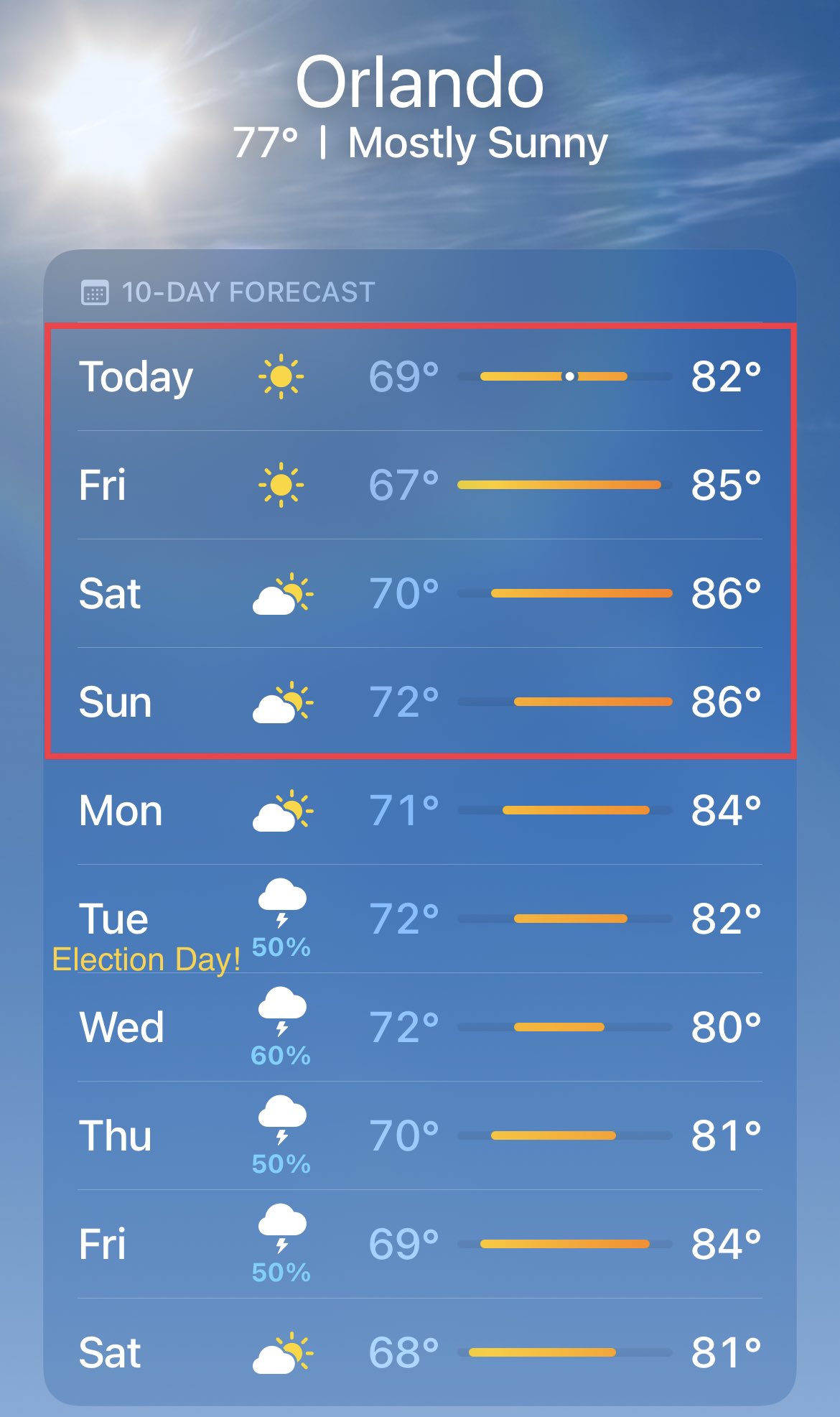
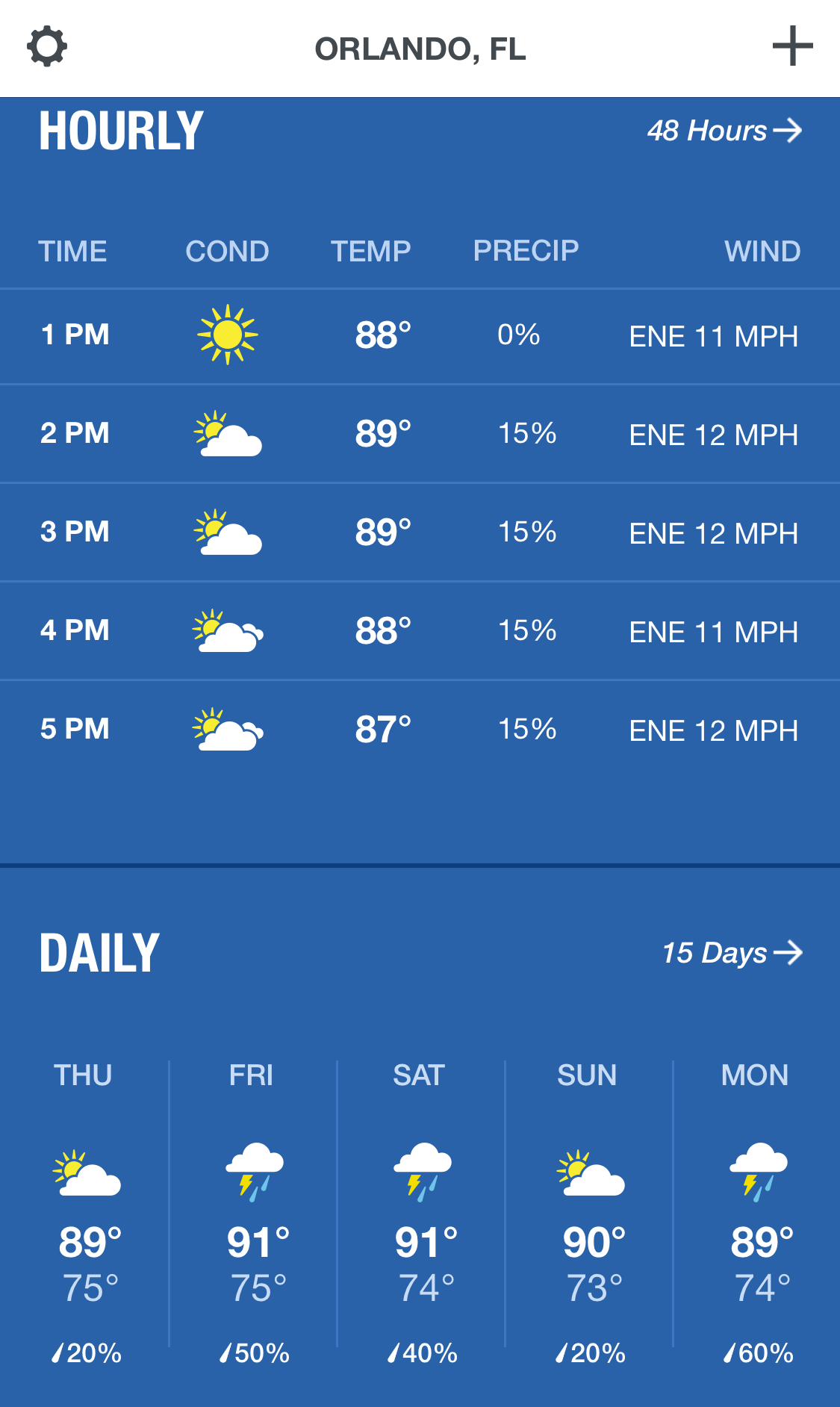
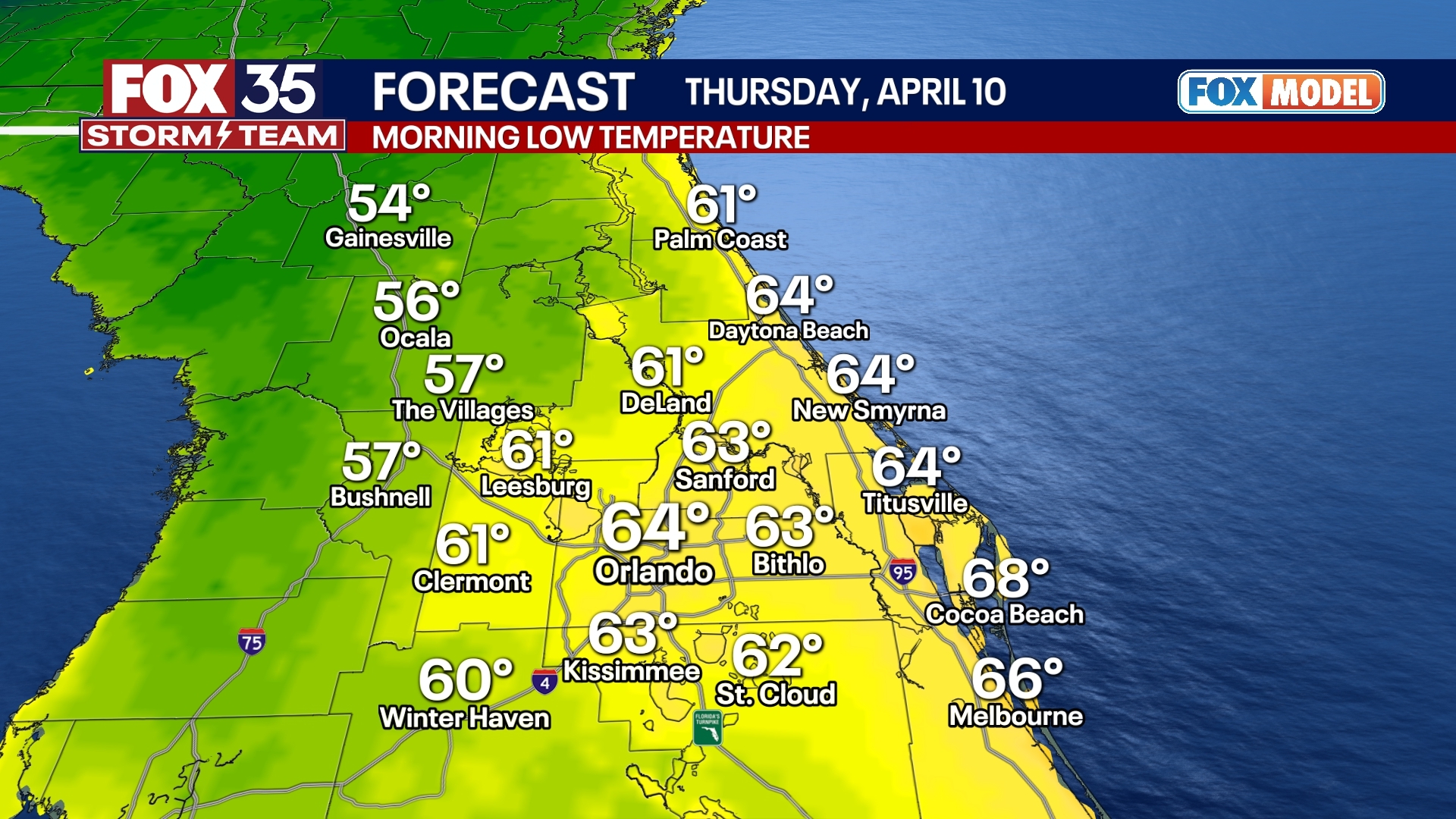
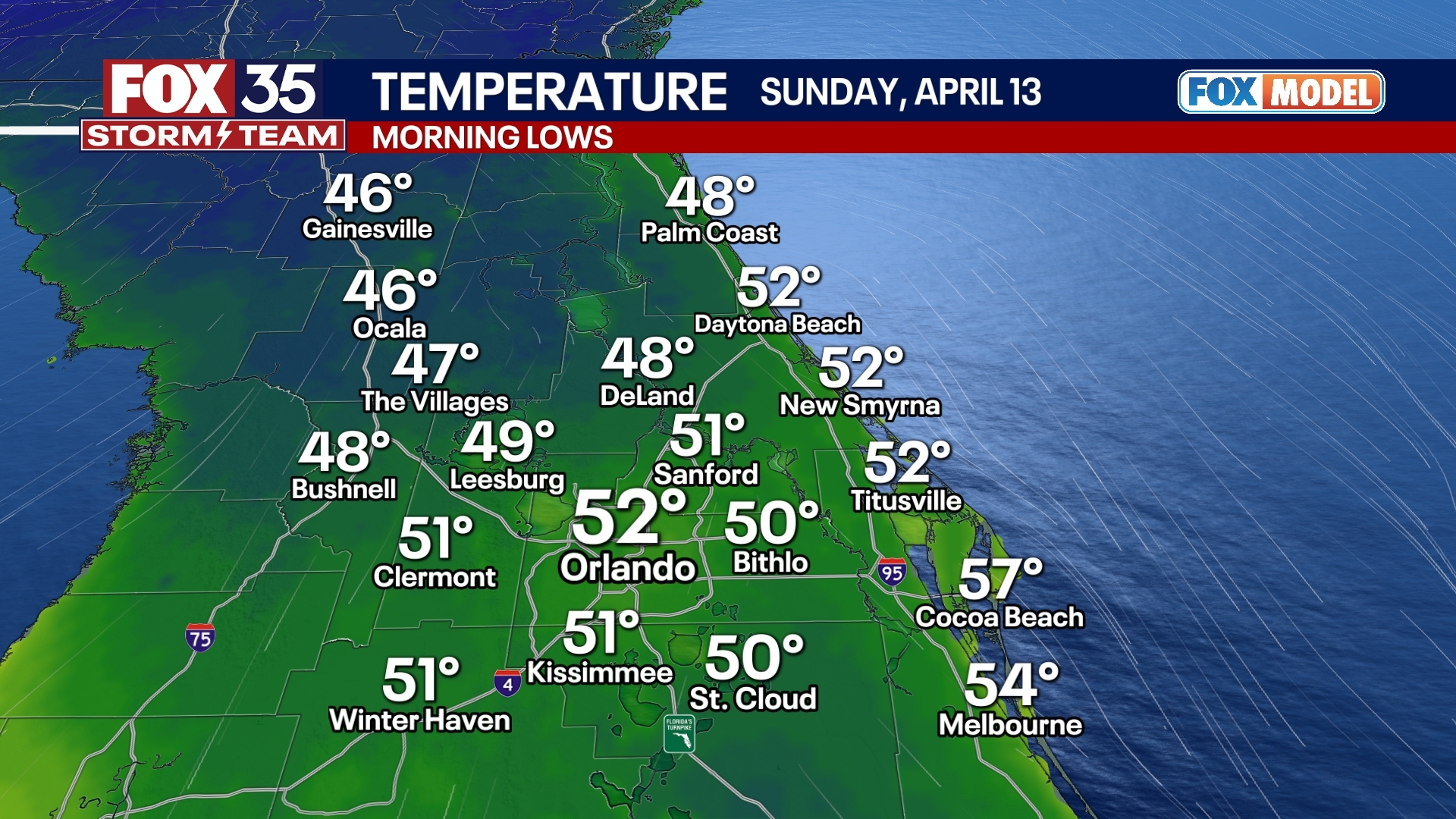
Planning a visit to the theme park capital of the world in 2026 requires more than just a glance at a daily high and low. Orlando’s unique geography—situated in the center of the Florida peninsula—creates a volatile subtropical environment where weather patterns can shift within minutes. While traditional seven-day forecasts provide high accuracy, a 20-day outlook serves as a strategic probabilistic tool for families planning Disney vacations, international travelers, and event coordinators managing outdoor conventions at the Orange County Convention Center.
Understanding the 2026 Orlando Meteorological Landscape
In 2026, Central Florida continues to experience the effects of shifting Atlantic multi-decadal oscillations, which influence the frequency of the "sea breeze convergence" effect. Unlike coastal cities, Orlando is subject to the collision of the Atlantic and Gulf of Mexico sea breezes. This convergence typically happens directly over the I-4 corridor, leading to intense, localized convective thunderstorms.
A 20-day forecast in Orlando is not a literal day-by-day guarantee but rather a trend analysis based on ensemble modeling. For 2026, meteorologists rely heavily on the European (ECMWF) and American (GFS) long-range models to identify "blocks" of weather. If the 20-day outlook shows a persistent ridge of high pressure over the Southeast, travelers can expect higher-than-average temperatures and lower humidity. Conversely, a trough indicates a period of instability, frequent afternoon showers, and potential cold fronts during the winter months.
2026 Seasonal Weather Expectations and 20-Day Averages
To effectively use a 20-day forecast, you must ground those predictions in the historical and projected data for 2026. Orlando weather is divided into two primary regimes: the "Wet Season" (June through September) and the "Dry Season" (October through May).
| Season/Month | Avg High (°F) | Avg Low (°F) | Humidity % | Typical 20-Day Rainfall Pattern |
|---|---|---|---|---|
| Winter (Jan-Feb 2026) | 71°F - 74°F | 49°F - 52°F | 55% | 2-3 significant frontal passages |
| Spring (Mar-May 2026) | 78°F - 88°F | 56°F - 66°F | 60% | Increasing convective activity |
| Summer (Jun-Aug 2026) | 91°F - 93°F | 73°F - 75°F | 78% | Daily afternoon thunderstorms (80% frequency) |
| Fall (Sep-Nov 2026) | 84°F - 90°F | 60°F - 72°F | 70% | Tropical moisture / Hurricane peak |
Strategic Forecasting Insight
The Reliability of Day 15-20 Predictions Forecasts extending beyond two weeks in Orlando are most useful for identifying temperature trends rather than specific precipitation timing. In 2026, if your 20-day outlook shows a "rain" icon every day in July, do not panic. This reflects the standard tropical cycle where rain occurs for 60 minutes in the afternoon, followed by clear skies.
The Humidity Factor (The "RealFeel") In 2026, the Heat Index remains the most critical metric for safety. An air temperature of 92°F with 80% humidity results in a "Feels Like" temperature of 105°F. Always prioritize the "Dew Point" reading on your 20-day outlook; any dew point above 70°F will feel oppressive for outdoor activities.
Analyzing the 2026 Hurricane Season Impacts
For those looking at a 20-day forecast between June 1st and November 30th, 2026, tropical activity is a mandatory consideration. Orlando’s inland location provides a buffer against the most catastrophic storm surges seen in coastal cities like Tampa or Miami, but wind and inland flooding remain significant risks.
When reviewing a long-range forecast during these months, pay attention to the "Tropical Outlook" sections provided by the National Hurricane Center (NHC). If a 20-day window shows a broad area of low pressure in the Caribbean, it may signal an increase in moisture for Orlando about 7 to 10 days later.
Strategic Theme Park Planning Based on Long-Range Data
A 20-day forecast allows you to optimize your itinerary for Walt Disney World, Universal Orlando Resort, or SeaWorld.
- Water Park Scheduling: Aim for the "front-loaded" days of a 20-day window where high-pressure systems are predicted. In 2026, water parks often reach capacity early on clear, hot days.
- Indoor Attractions vs. Outdoor Coasters: If the 14-to-20-day outlook suggests a period of instability, schedule your "Universal Studios Florida" days (which have more indoor queues and rides) during the predicted rainy windows, and save "Islands of Adventure" or "Animal Kingdom" for the clearer days.
- Lightning Protocols: Orlando is the lightning capital of North America. In 2026, park apps are integrated with real-time lightning detection. If the 20-day forecast indicates high moisture, expect outdoor attractions to close intermittently between 2:00 PM and 5:00 PM.
Comparing Forecasting Tools for the Orlando Region
Not all weather data is created equal. When monitoring the 2026 forecast, it is essential to distinguish between automated "bot" forecasts and human-augmented meteorological data.
| Provider | Strength | Best Used For | Accuracy Rating (1-20 Days) |
|---|---|---|---|
| National Weather Service (NWS) | Hyper-local data | Severe weather warnings and heat advisories | High (Days 1-7) |
| Local TV Affiliates (WESH, WFTV) | Local knowledge | Understanding sea breeze timing | High (Days 1-5) |
| AccuWeather / The Weather Channel | Long-range modeling | Identifying 20-day temperature trends | Moderate (Days 10-20) |
| NOAA Climate Prediction Center | Multi-week outlooks | Knowing if the month will be wetter/drier than average | High (Probabilistic) |
Technical Specification: The 2026 Heat Index and UV Safety
In 2026, UV radiation levels in Central Florida regularly hit "Extreme" (11+) on the index. When the 20-day forecast predicts "Clear" or "Mostly Sunny," the UV exposure can cause skin damage in as little as 15 minutes for fair-skinned individuals.
- Hydration Metrics: For every hour spent in an Orlando theme park during a "High Heat" 20-day window, a minimum of 16 ounces of electrolyte-balanced water is recommended.
- Surface Temperatures: During the peak 2026 summer months, asphalt temperatures in parking lots can exceed 140°F. Ensure footwear is appropriate for high-heat surfaces.
Step-by-Step Guide: How to Prepare Using a 20-Day Outlook
- Day 20 to 15 (The Trend Phase): Look for broad patterns. Is it a "warming trend" or a "cooling trend"? Do not buy specific gear yet, but start mental planning for indoor vs. outdoor days.
- Day 14 to 7 (The Preparation Phase): Identify if a tropical system or a major cold front is developing. This is the time to purchase high-quality ponchos (avoid the flimsy park versions) or cold-weather layers if a Florida "freeze" is predicted for early 2026.
- Day 6 to 3 (The Refinement Phase): The forecast is now 75-80% accurate. Finalize your park reservations. If the forecast shows a 60% chance of rain, pack your waterproof footwear.
- Day 2 to 1 (The Execution Phase): Check the "Hourly" forecast. In Orlando, the hourly is significantly more important than the daily. You can often find a 3-hour window of dry weather even on a "100% rain" day.
Expert Troubleshooting: When the Forecast "Lies"
A common frustration for visitors is when the 20-day forecast shows rain, but the sun is shining. In 2026, this is usually due to the "Scattered" vs. "Widespread" distinction.
- Scattered (Pop-up): Typical for Orlando. It might rain at Disney’s Magic Kingdom while Epcot (only a few miles away) remains perfectly dry.
- Widespread (Systemic): Usually caused by a tropical depression or a stalled cold front. These are the days to utilize indoor museums like the Orlando Science Center or the Dr. Phillips Center for the Performing Arts.
Frequently Asked Questions
How accurate is a 20-day weather forecast for Orlando in 2026? A 20-day forecast is highly accurate for predicting general temperature trends and large-scale weather patterns, but it cannot pinpoint the exact minute of rainfall weeks in advance. Travelers should use it as a strategic guide for temperature and overall moisture levels rather than a definitive schedule.
What is the best month to visit Orlando in 2026 for low rain and mild heat? Based on 2026 climate modeling, late March, April, and October offer the best balance of manageable humidity and low precipitation. These months avoid the peak summer heat and the unpredictable cold snaps of January and February.
Does it rain every day in Orlando during the summer? Statistically, in 2026, it rains approximately 70-80% of days between June and August. However, these are usually brief "convective" storms that last about an hour in the late afternoon, rarely ruining an entire day of activities.
What should I pack if the 20-day forecast shows temperatures in the 60s? Orlando "cold" feels different due to the humidity. If the 20-day outlook shows lows in the 50s or 60s, pack layers. A light jacket or hoodie is essential for mornings and evenings, as temperatures can drop rapidly once the sun sets.
Are there specific weather apps recommended for Orlando 2026 travel? Yes, use the "MyRadar" app for high-resolution lightning and rain tracking, and the "National Weather Service" mobile site for the most authoritative hazardous weather outlooks. Avoid generic world weather apps that do not account for Orlando's microclimates.
How do 2026 hurricane predictions affect the 20-day outlook? If a tropical system is detected, the 20-day forecast will shift to reflect increased wind speeds and higher "Precipitable Water" values. Always follow the National Hurricane Center’s "Cone of Uncertainty" rather than standard app icons during these events.
As you finalize your 2026 Orlando plans, remember that the weather is a dynamic component of the Florida experience. By utilizing the 20-day forecast as a probabilistic roadmap rather than a static script, you can ensure safety, comfort, and a much more efficient use of your time in the City Beautiful.