Valentine’s Day originated as a complex synthesis of the ancient Roman fertility festival Lupercalia and the commemoration of early Christian martyrs named Valentinus. While often dismissed as a modern commercial invention, its primary evolution into a celebration of romantic love was actually sparked by 14th-century medieval literature, specifically the works of Geoffrey Chaucer.
The Surprising Truth Behind the "Hallmark Holiday" Label
In 2026, many critics dismiss February 14th as a "Hallmark Holiday," a term used to suggest the event was manufactured by the greeting card industry to drive revenue. However, historical verification proves this narrative is factually incomplete. While the commercialization of the holiday reached its zenith in the late 20th and early 21st centuries, the core of the celebration has been evolving for nearly two millennia. The true "fun fact" regarding its origin is that for the first 1,000 years of its existence, Valentine’s Day had almost nothing to do with romance, flowers, or chocolate.
The transition from a somber religious feast to a day of "courtly love" is one of the most successful cultural rebrands in human history. To understand how we moved from ancient rituals involving animal sacrifice to the exchange of heart-shaped boxes, we must examine the intersection of Roman paganism, Catholic hagiography, and English poetry. This journey reveals that Valentine's Day is less a corporate invention and more a cultural palimpsest—a day where layers of history have been written, erased, and rewritten over time.
The Darker Roots: Lupercalia and the Roman Connection
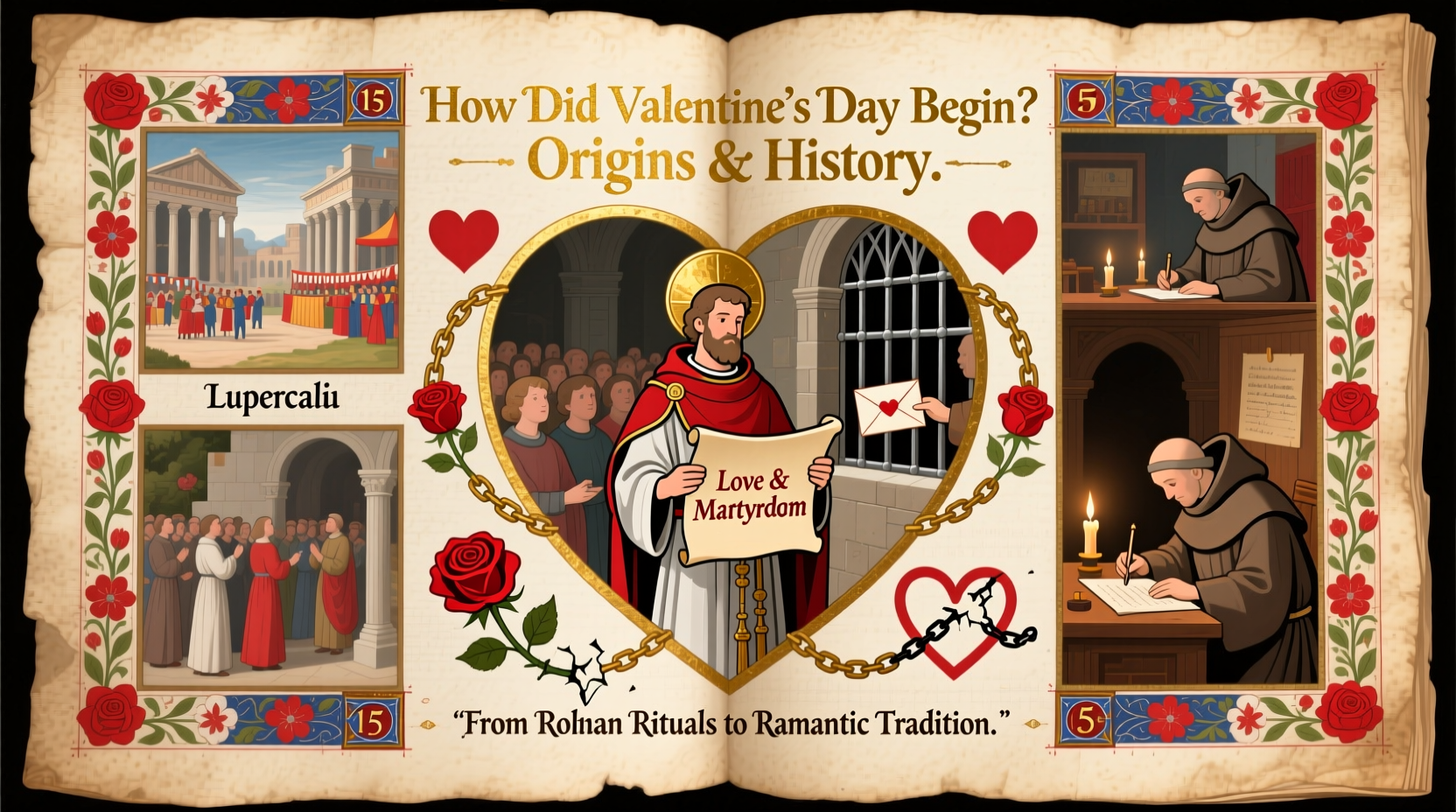
Before it was Valentine’s Day, mid-February was the time of Lupercalia, an ancient, pastoral Roman festival observed from February 13 to 15. The primary purpose of Lupercalia was to avert evil spirits and purify the city, thereby releasing health and fertility. Unlike the modern iteration of the holiday, Lupercalia was neither gentle nor particularly "romantic" by contemporary standards.
The festival was managed by a group of priests called the Luperci. The ritual began with the sacrifice of goats (for fertility) and a dog (for purification) at the Lupercal cave on the Palatine Hill, where Romans believed the founders Romulus and Remus were suckled by a she-wolf. The priests would then cut thongs—known as februa—from the hides of the sacrificed goats.
Armed with these leather strips, the Luperci would run around the base of the Palatine Hill, striking women who stood in their path. Historical records suggest that women welcomed these strikes, believing the ritual would ensure fertility and ease the pains of childbirth. It is from these strips of hide, the februa, that we derive the name for the month of February. The chaotic, visceral nature of Lupercalia stands in stark contrast to the refined aesthetics of modern-day Valentine's celebrations, yet the timing of the event provided the structural foundation for what was to come.
The Mystery of the Multiple Saint Valentines
The name "Valentine" belongs to at least two distinct historical figures—and possibly a third—who were martyred in the third century. The confusion surrounding their identities is so significant that in 1969, the Catholic Church removed the feast of Saint Valentine from the General Roman Calendar, though he remains a recognized saint.
Valentine of Rome
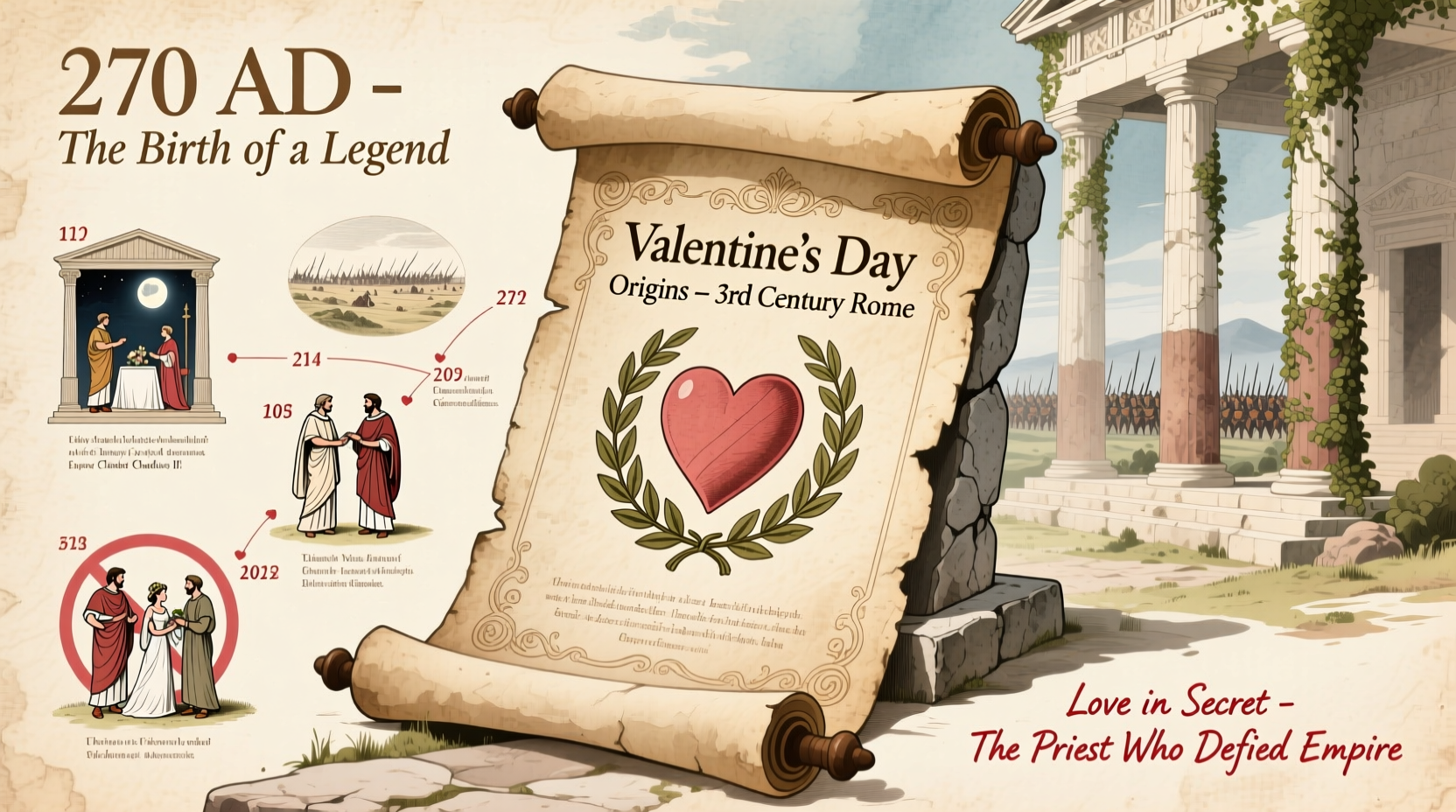
The most common legend involves a priest named Valentine who defied Emperor Claudius II (Claudius the Cruel). Claudius believed that single men made better soldiers than those with wives and families, leading him to outlaw marriage for young men. Valentine, recognizing the injustice, continued to perform marriages in secret for young lovers. When his actions were discovered, he was apprehended and executed on February 14, around 270 AD.
Valentine of Terni
The second figure is a bishop from Terni, Italy, who was also martyred by Claudius II near Rome. Some historians argue that these two men were actually the same person, with the details of their lives becoming fractured and exaggerated over centuries of oral tradition.
The Mythical Letter
One of the most persistent "verified" legends associated with these martyrs is the story of Valentine’s final message. While imprisoned, he supposedly tutored the blind daughter of his jailer, Asterius. Legend claims that through his faith, he restored her sight. Before his execution, he allegedly wrote her a letter signed "From your Valentine," a phrase that remains a staple of modern card-giving. While the historical evidence for this specific letter is thin, the narrative provided the necessary bridge between religious martyrdom and personal affection.
The Shift to Romance: Geoffrey Chaucer’s Influence
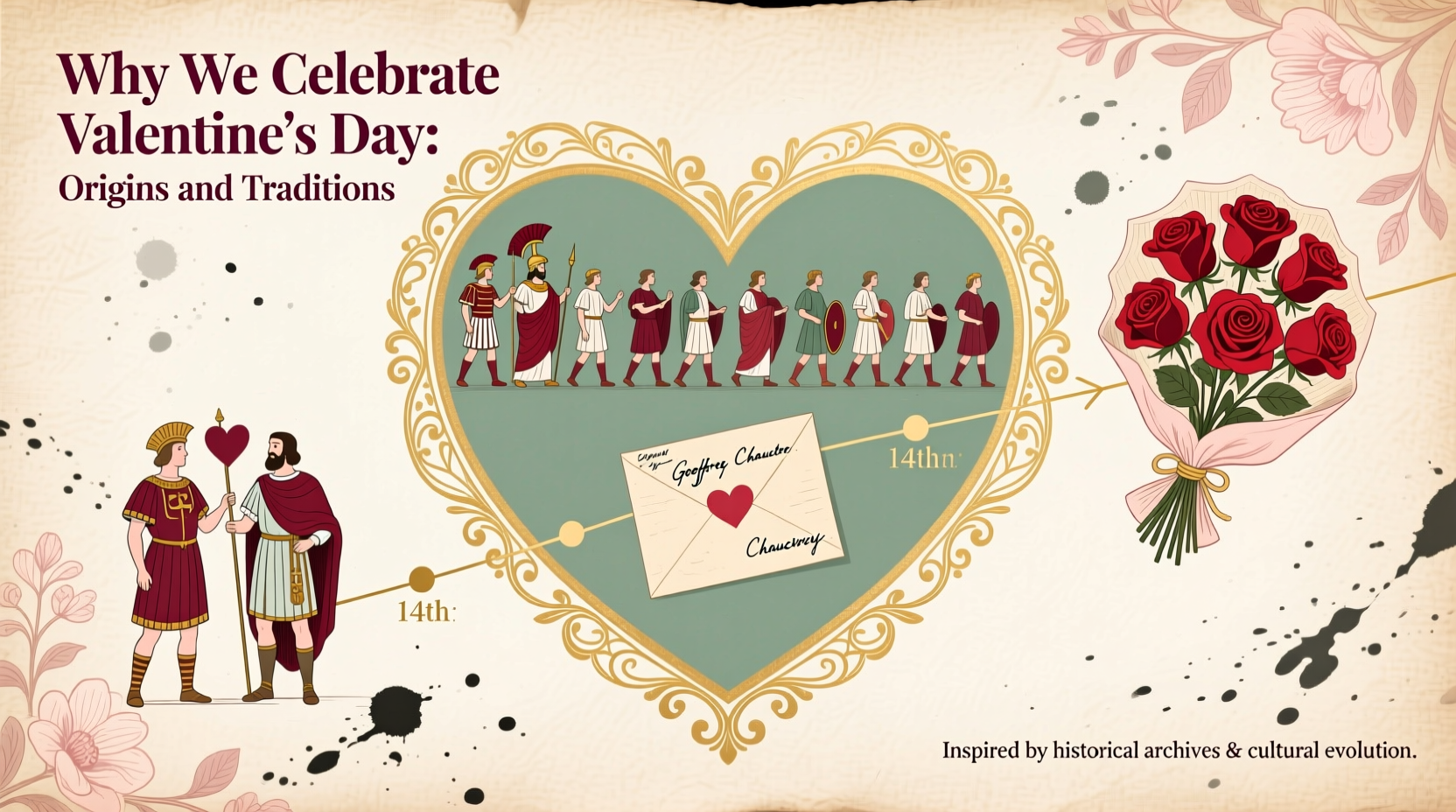
If the Romans provided the date and the Church provided the name, it was the English poet Geoffrey Chaucer who provided the romance. There is no verified record of Valentine’s Day being associated with romantic love prior to Chaucer’s 14th-century poem, Parliament of Fowls.
Written around 1382, the poem describes a gathering of birds who meet on "Seynt Valentynes day" to choose their mates. Chaucer wrote: "For this was on Saint Valentine’s Day, when every bird comes there to choose his mate."
Historians believe Chaucer may have invented the connection between the saint and romance entirely. In the 14th century, the concept of "courtly love"—a highly ritualized and often secretive form of admiration—was blossoming among the European nobility. Chaucer’s poetic link between the natural world (birds mating) and human affection transformed the day from a religious obligation into a secular celebration of partnership. Shortly after Chaucer, other poets like John Lydgate and even William Shakespeare (in Hamlet) began referencing Valentine’s Day as a time for lovers, cementing the holiday's new identity in the Western consciousness.
The Industrialization of Affection: Victorian Valentines
By the 18th and 19th centuries, the tradition of exchanging handmade notes had become widespread in England and the United States. However, it was the Industrial Revolution that transformed Valentine’s Day into the commercial powerhouse we recognize in 2026.
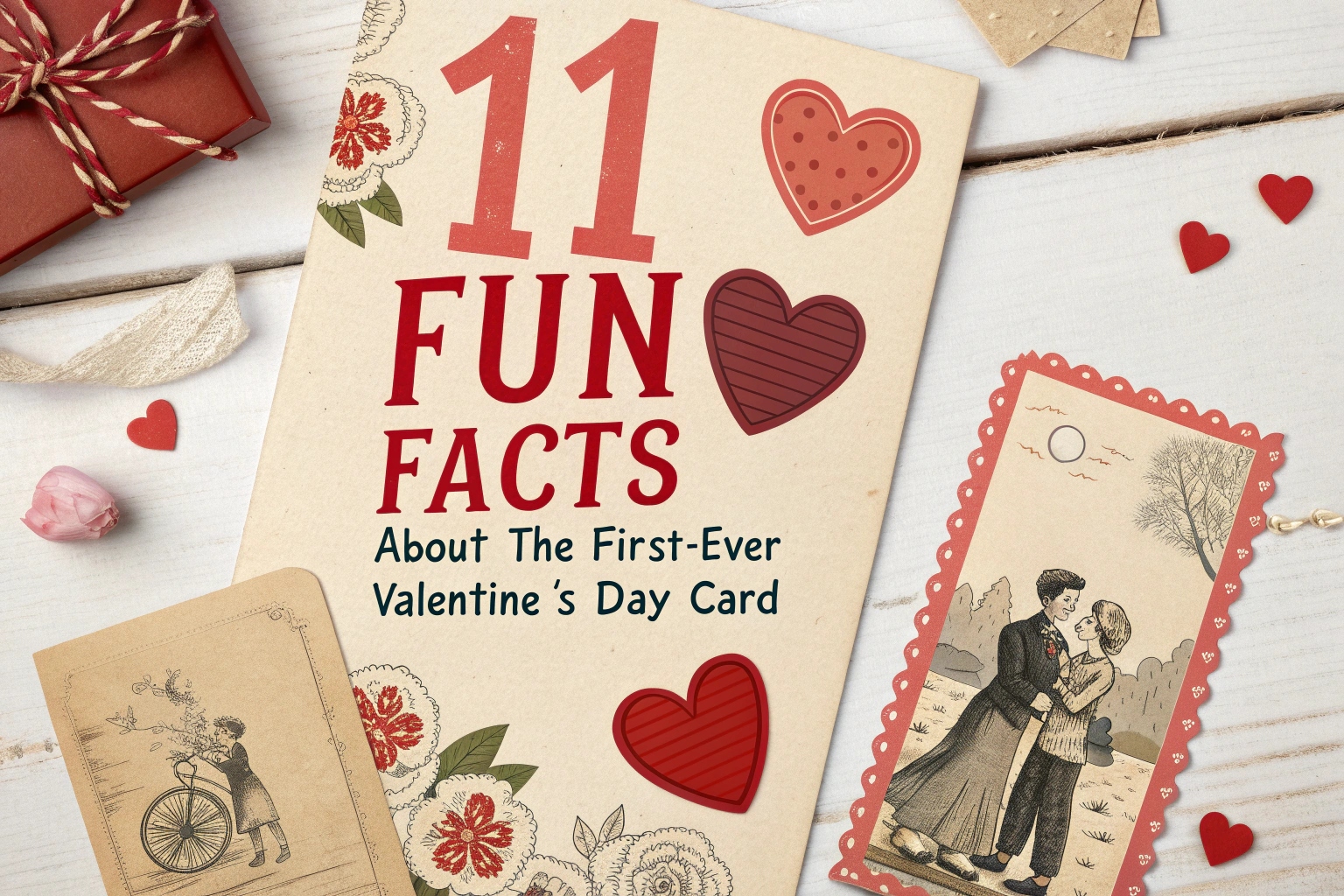
In the mid-19th century, Esther Howland, often called the "Mother of the Valentine," revolutionized the industry. Inspired by elaborate English lace valentines, she began mass-producing cards in Worcester, Massachusetts. Her cards were intricate, featuring real lace, ribbons, and "scrap" (colorful paper illustrations). Before Howland, valentines were often expensive or crudely handmade; her assembly-line approach made beautiful cards accessible to the growing middle class.
The late 1800s also saw the rise of the "Vinegar Valentine." These were anonymous, insulting cards sent to unwanted suitors, nosy neighbors, or harsh employers. They serve as a historical reminder that the holiday wasn't always about kindness; it was a day where the social rules of communication were temporarily suspended.
| Feature | Ancient Lupercalia | Medieval/Chaucerian Era | Modern Valentine's Day (2026) |
|---|---|---|---|
| Primary Focus | Purification & Fertility | Courtly Love & Nature | Romantic Love & Commercial Gifting |
| Common Rituals | Animal sacrifice, februa striking | Poetry, "choosing mates" | Dinners, jewelry, digital greetings |
| Key Symbol | The She-Wolf / Goat hide | Mating Birds | Hearts, Cupid, Red Roses |
| Participants | Roman citizens / Luperci | Nobility & Poets | Global population (all ages) |
| Tone | Chaotic / Visceral | Sophisticated / Literary | Emotional / Consumer-driven |
The Modern Significance of February 14th
As we navigate the mid-2020s, Valentine’s Day has expanded far beyond the "significant other" dynamic. The rise of "Galentine’s Day" (celebrating female friendships) and "Singles Awareness Day" reflects a broader cultural shift toward recognizing all forms of love and self-appreciation.
From a technical perspective, the holiday is now a major driver for the floral, jewelry, and confectionery industries. In the United States alone, spending typically exceeds $20 billion annually. However, the "fun fact" that remains most relevant is the holiday's resilience. Despite its origins in pagan blood rituals and its later life as a tool for poets and card manufacturers, it persists because it fulfills a basic human need: the formalized expression of affection in an increasingly digitized world.
Frequently Asked Questions
Was there ever a real person named Cupid?
No, Cupid is not a historical figure but a deity from Roman mythology. He is the son of Venus, the goddess of love, and Mars, the god of war. In Greek mythology, he was known as Eros. The modern depiction of Cupid as a chubby, winged infant is a departure from his classical portrayal as a lean, sometimes mischievous young man who used his arrows to manipulate the desires of gods and mortals alike.
Why are red roses the standard flower for Valentine's Day?
The tradition of giving red roses dates back to late 17th-century Sweden and the reign of King Charles II. During his travels to Persia, he learned the "language of flowers" (floriography), where different blooms carried specific meanings. Red roses were associated with the blood of Adonis and the goddess Aphrodite (Venus), symbolizing deep, immortal love. By the Victorian era, the red rose became the definitive floral shorthand for "I love you."
What is a "Vinegar Valentine"?
Popular in the 19th and early 20th centuries, Vinegar Valentines were the antithesis of the romantic card. They were cheap, one-cent postcards containing stinging poems and caricatures. They were used to reject suitors or insult acquaintances. Interestingly, the receiver often had to pay the postage upon delivery, adding financial "injury" to the emotional "insult."
Is Valentine's Day celebrated the same way globally?
No, traditions vary significantly. For example, in Japan and South Korea, it is traditionally the women who give chocolates to men on February 14th. Men return the favor one month later, on March 14th, known as "White Day," where they give gifts that are typically white in color, such as marshmallows or white jewelry. In countries like Wales, "Dydd Santes Dwynwen" is celebrated on January 25th as their specific day of love.
Why is the heart symbol shaped the way it is?
The modern heart symbol (♥) doesn't closely resemble a human heart. Some historians believe it was modeled after the seed of the Silphium plant, which was used in ancient times as a form of herbal contraceptive. Others suggest it was a stylized representation of ivy leaves (associated with fidelity) or specific parts of the female anatomy. It wasn't until the 14th and 15th centuries that the symbol became standard in European art to represent the human heart as the seat of emotion.
Verifying Your Celebration Strategy
To celebrate Valentine's Day authentically in 2026, consider moving beyond the purely commercial aspects and tapping into the historical depth of the holiday. Understanding that the day is a blend of Roman history, Christian legend, and English literature allows for a more nuanced appreciation of its traditions.
- Contextualize the Gifting: If you give a card, remember it follows a 600-year tradition started by poets like Chaucer and popularized by Esther Howland.
- Focus on Connection: Whether celebrating romantic love, platonic friendship, or family bonds, the core intent of the post-Lupercalia holiday is the strengthening of social ties.
- Acknowledge the Evolution: Recognizing that the holiday has shifted from animal sacrifices to "courtly love" to digital "likes" highlights how human expressions of affection adapt to the technology and social norms of the era.