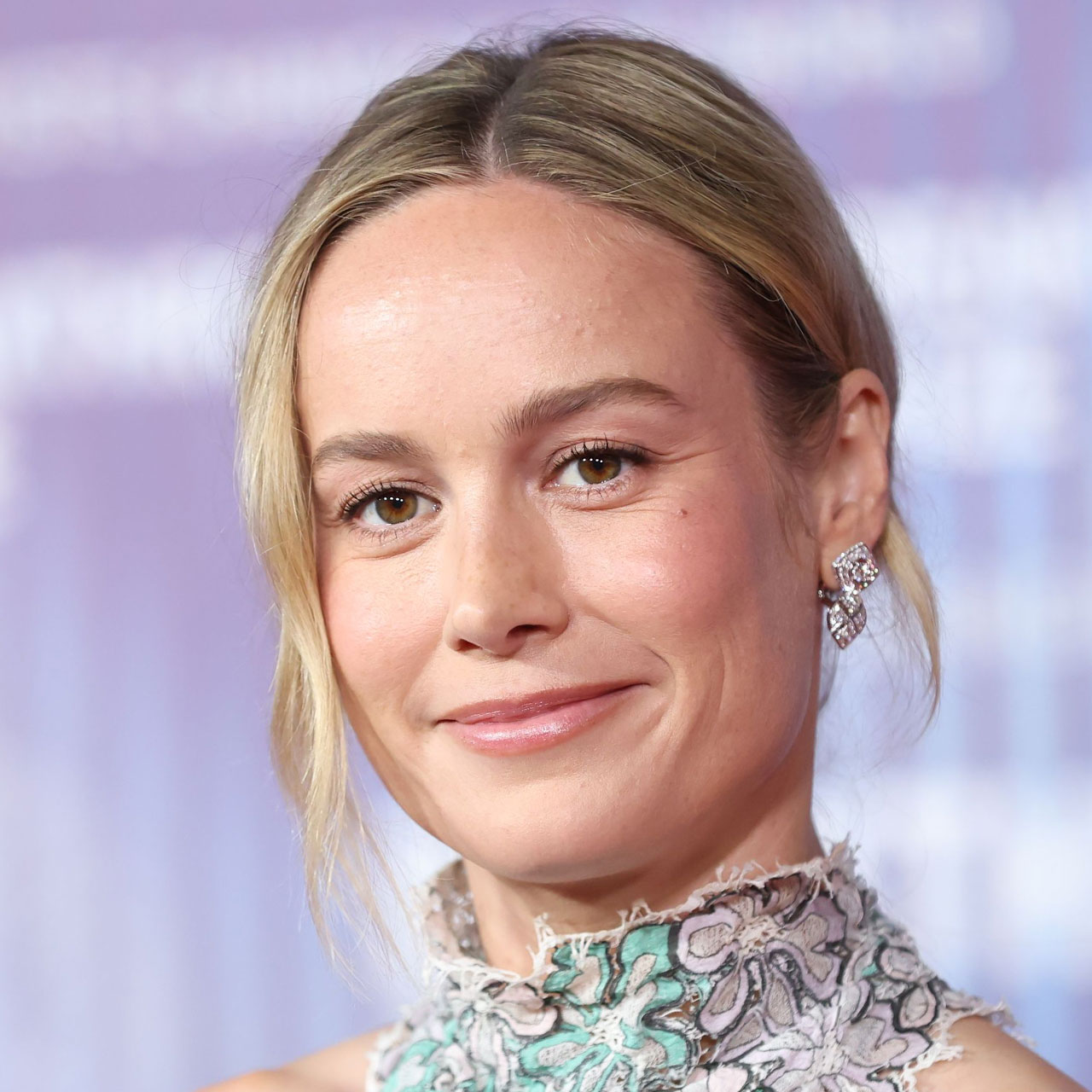
Alison Brie’s transition from the "girl next door" archetype to a fearless creator is punctuated by her striking buzz cut and a series of experimental film roles. By 2026, she has solidified her reputation not just as a versatile actress, but as a writer and producer who prioritizes creative autonomy over conventional Hollywood expectations.
The Evolution of an Aesthetic: More Than a Haircut
In recent years, the image of Alison Brie has undergone a radical transformation, most notably marked by the debut of her buzz cut for the psychological thriller Together. While a change in hairstyle is often dismissed as a superficial celebrity trend, for Brie, it served as a definitive break from the "ingenue" label that followed her early career. This aesthetic shift mirrors her professional trajectory—a deliberate shedding of the polished, approachable persona of Annie Edison in favor of something more visceral, raw, and unpredictable.
By 2026, the buzz cut has become a symbol of her mid-career "renaissance." It represented a refusal to be constrained by the male gaze or the restrictive beauty standards of traditional network television. This choice was not merely for a role; it was a statement of intent. In an industry that often pigeonholes actresses into specific "types" as they mature, Brie used her physical appearance to signal her entry into a more experimental phase of her career. This period has been defined by a preference for characters who are psychologically complex, often unlikable, and physically demanding, proving that her range extends far beyond the comedic timing that first made her a household name.
The "bold choices" mentioned in her career retrospective are not limited to her appearance. They include her transition into screenwriting and producing, where she has taken control of her narrative. By choosing projects that challenge her—and her audience—Brie has navigated the difficult transition from a television star to a respected figure in independent cinema. Her willingness to embrace the "weird" and the "uncomfortable" has ensured her longevity in an ever-evolving media landscape.
From Trudy to Ruth: The Foundation of Versatility
To understand Alison Brie’s current standing in 2026, one must look back at the foundational roles that established her dual capability in comedy and drama. Her concurrent runs on AMC’s Mad Men and NBC’s Community remain a masterclass in versatility. As Trudy Campbell, she portrayed the quintessential 1960s housewife with a blend of steely ambition and heartbreaking vulnerability. Simultaneously, as Annie Edison, she navigated the high-energy, meta-humor of a community college misfit.
The ability to inhabit such vastly different worlds at the same time is rare. Trudy was a study in societal constraints and the quiet power of women within those structures, while Annie was an exploration of youth, anxiety, and the desire for perfection. These roles provided Brie with a unique toolkit: the discipline of a prestige drama and the improvisational agility of a cult-hit sitcom. However, as successful as these shows were, they also created a "sweetheart" image that Brie would eventually feel the need to subvert.
The pivotal shift occurred with Netflix’s GLOW. Playing Ruth Wilder, an out-of-work actress who finds her calling in the world of women’s professional wrestling, Brie was forced to undergo a physical and mental overhaul. GLOW was the bridge between her early television career and her later experimental work. It demanded a level of athleticism and "ugliness"—in the form of sweat, bruises, and 80s spandex—that stripped away the polished veneer of her previous characters. It was here that Brie first realized the power of transforming her body for a role, a precursor to the bold aesthetic choices she would make in the 2020s.
The Creator Era: Writing and Producing for Autonomy
The most significant development in Alison Brie’s career post-2020 has been her emergence as a formidable screenwriter and producer. Recognizing that the roles she truly craved were not always being offered, she began creating them herself. This shift began with Horse Girl (2020), a surrealist psychological drama that she co-wrote and produced. The film was a departure from anything she had done before, dealing with themes of mental illness, alien abduction, and social isolation.
By 2026, her collaborations with directors like Jeff Baena and her husband, Dave Franco, have produced a body of work that is distinctly "Brie-esque." These projects, including Spin Me Round and Somebody I Used to Know, often blend genres—mixing romantic comedy tropes with psychological tension or absurdist humor. As a producer, she has focused on mid-budget independent films that prioritize character studies over mass-market appeal.
| Project Title | Role(s) | Creative Significance |
|---|---|---|
| Mad Men | Actress (Trudy Campbell) | Established dramatic range and period-piece capability. |
| Community | Actress (Annie Edison) | Demonstrated comedic timing and "ingenue" appeal. |
| GLOW | Actress (Ruth Wilder) | Introduced physical transformation and character grit. |
| Horse Girl | Writer, Producer, Lead | First major foray into surrealist drama and creative control. |
| Together | Lead Actress | The "Buzz Cut" role; a peak in psychological intensity. |
| Somebody I Used to Know | Writer, Lead | Refined the "modern adult" narrative in independent film. |
This "Creator Era" has allowed Brie to explore the nuances of female adulthood—the regrets, the sexual complexities, and the existential dread that are often sanitized in mainstream media. Her work as a writer reveals a fascination with the internal lives of women who are struggling to reconcile their public personas with their private anxieties. This intellectual depth is what truly lies "beyond the buzz cut."
Navigating Genre Boundaries and Performance Art
One of the hallmarks of Alison Brie’s career in 2026 is her refusal to stick to a single genre. She has successfully navigated the space between high-concept horror, voice acting, and traditional drama. Her work in BoJack Horseman as Diane Nguyen is often cited by critics as one of the most nuanced portrayals of depression and third-wave feminism in modern media. Although a voice role, it required a level of emotional labor that informed her live-action performances.
Her foray into horror and thrillers, particularly the project that necessitated her buzz cut, showed a willingness to engage with the "unpleasant." In these roles, she often plays women pushed to their absolute limits, stripping away the comfort of the viewer. This is a form of performance art; she is not just playing a character but testing the boundaries of her own empathy and physical endurance.
The bold choices she makes are frequently rooted in a desire to deconstruct her own image. By taking on roles that are visually or emotionally jarring, she forces the audience to look past the "Alison Brie" they think they know. This strategy has been highly effective in 2026, as she is now viewed as an actress who can anchor a major studio production while remaining a darling of the independent film circuit.
The Physicality of Performance and the GLOW Legacy
The legacy of GLOW cannot be overstated when discussing Brie’s evolution. It was the first time her physical form became a central part of her storytelling. The training required for the show—heavy lifting, wrestling choreography, and endurance work—changed her relationship with her body. She has frequently noted in interviews that GLOW made her feel powerful in a way that traditional "pretty" roles never did.
This newfound physical confidence directly influenced her decision to embrace the buzz cut and other "bold" physical transformations. In 2026, we see the ripple effects of this in her choice of roles that require high levels of physicality or a complete lack of vanity. She has become an advocate for "functional fitness" in the industry, moving away from the aesthetic-only requirements often placed on women in Hollywood.
Furthermore, GLOW fostered a sense of female community and collaboration that she has carried into her production company. Her sets are known for being inclusive and focused on the well-being of the cast and crew, a direct reflection of the supportive environment she experienced during her time as a "Gorgeous Lady of Wrestling." This holistic approach to her career—combining physical discipline, creative control, and ethical production—is what defines her legacy today.
Common Questions About Alison Brie’s Career Evolution
Why did Alison Brie get a buzz cut?
Alison Brie originally shaved her head for her role in the psychological thriller Together. Beyond the requirements of the script, she has stated that the change was a liberating experience that allowed her to detach from her long-standing "girl next door" image and embrace more intense, character-driven roles.
Is Alison Brie still doing comedy in 2026?
Yes, but her approach to comedy has evolved. While she still engages in humorous projects, she now leans toward "dark comedy" or absurdist humor that she often co-writes. She moves fluidly between genres, ensuring that her comedic work has a layer of psychological depth or social commentary.
What is Alison Brie’s most significant role as a producer?
Horse Girl (2020) remains her most significant milestone as a producer and writer. It was the project that proved she could successfully transition from being a performer to a creative visionary, handling complex themes like mental health and reality-bending narratives that were a major departure from her previous work.
How has Alison Brie’s relationship with Dave Franco impacted her career?
Brie and Franco have formed a prolific creative partnership. They have collaborated on multiple films, such as The Rental, The Disaster Artist, and Somebody I Used to Know. Their partnership is characterized by a shared interest in independent filmmaking and genre-blending stories, allowing Brie a safe space to experiment with bold creative choices.
Does she plan to return to television?
In 2026, Brie remains open to television, particularly limited series that offer the depth of a feature film with the character development time of a series. Having come from the world of prestige TV (Mad Men) and cult comedy (Community), she views the medium as a powerful tool for storytelling, provided the creative vision is strong.
Expanding Your Engagement with Brie’s Work
For those looking to understand the full scope of Alison Brie’s career in 2026, the best approach is to view her work chronologically, starting with her breakout television roles and ending with her self-produced independent films. Watching GLOW back-to-back with Horse Girl provides the clearest picture of her transformation from a disciplined performer to an avant-garde creator.
To truly appreciate the "bold choices" she has made, look for the smaller, independent projects where she serves as a writer or producer. These films offer a window into her personal creative interests and her desire to challenge the status quo of female representation in cinema. Engaging with her voice work in BoJack Horseman is also essential, as it captures the intellectual and emotional complexity that she brings to all her subsequent live-action roles. By 2026, Alison Brie has proven that she is much more than the characters we first fell in love with; she is a dynamic force in the industry who continues to redefine what it means to be a "leading lady."