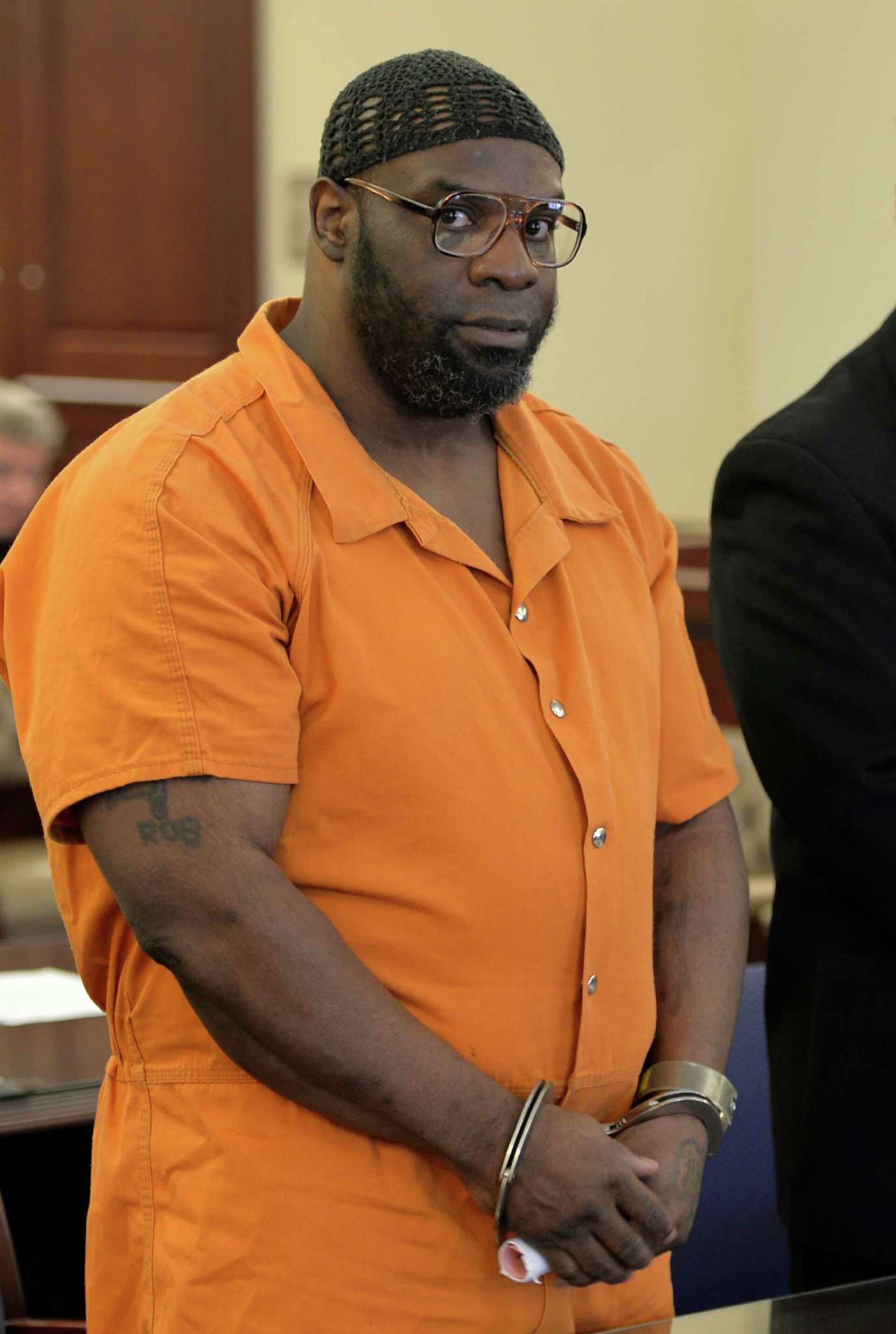
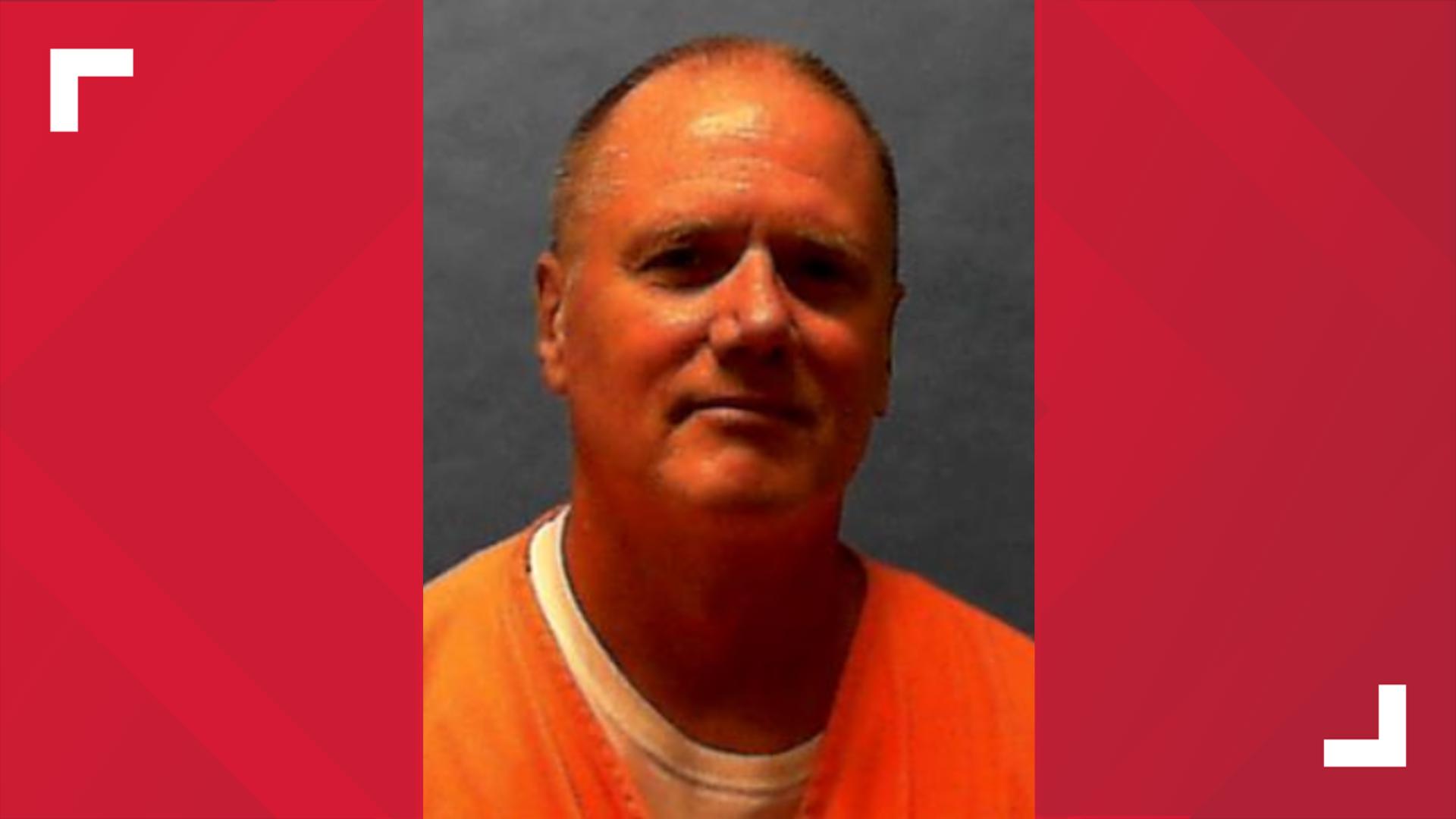
The man responsible for the 2018 murders of his pregnant wife and two young daughters is Christopher Lee Watts. On August 13, 2018, in Frederick, Colorado, Watts strangled his 34-year-old wife, Shanann, and subsequently smothered their daughters, Bella (4) and Celeste (3). He is currently serving five consecutive life sentences without the possibility of parole at the Dodge Correctional Institution in Wisconsin.
Context and Background: The Watts Family Dynamics
To understand the verified facts of the case, one must examine the state of the Watts household leading up to August 2018. Christopher Watts and Shanann Cathcart Watts moved to Colorado from North Carolina in 2013. By 2018, the couple lived in a large home in Frederick, a suburb north of Denver. Shanann was a successful promoter for the multi-level marketing company Le-Vel, selling "Thrive" wellness products, while Christopher worked as an operator for Anadarko Petroleum.
Despite the polished image presented on Shanann’s prolific social media accounts, the family faced significant financial and emotional stressors. They had filed for Chapter 7 bankruptcy in 2015, and by mid-2018, they were reportedly facing a civil lawsuit from their homeowners' association. However, the primary catalyst for the tragedy was Christopher’s secret extramarital affair with a co-worker, Nichol Kessinger. Evidence later recovered from digital forensics showed that Christopher was actively seeking a "fresh start" and had begun to view his family as an obstacle to his new relationship.
In the weeks preceding the murders, Shanann spent several weeks in North Carolina with her daughters. During this time, Christopher’s behavior shifted dramatically. He became emotionally distant, a change that Shanann documented in numerous text messages to friends and to Christopher himself, expressing her confusion and desire to save their marriage. Unbeknownst to her, Christopher was spending significant time with Kessinger, researching vacations and future living arrangements.
Timeline of the Crimes: August 13, 2018
The events of August 13, 2018, began when Shanann returned home from a business trip in Arizona around 2:00 a.m., dropped off by a friend and colleague, Nickole Atkinson. What happened inside the home between 2:00 a.m. and 5:00 a.m. was initially the subject of conflicting stories from Christopher, but his later confessions provided a definitive, albeit horrific, account.
According to the verified investigation by the Colorado Bureau of Investigation (CBI) and the FBI, Christopher engaged in a confrontation with Shanann after she returned. He initially claimed she had threatened to keep the children from him, which led him to "snap." However, forensic evidence and his 2019 interview from prison clarified that the murders were premeditated. He strangled Shanann in their bed while their daughters were asleep in nearby rooms.
Following Shanann’s death, Christopher loaded her body into the back of his work truck. His daughters, Bella and Celeste, woke up during this process. In a detail that shocked investigators, Christopher drove his daughters, alongside their mother’s body, to a remote Anadarko Petroleum site known as Cervi 319. There, he smothered the two girls—first Celeste, then Bella—using a blue blanket. He disposed of the girls' bodies in two separate crude oil tanks and buried Shanann in a shallow grave nearby.
The Investigation and the Discovery of Deception
The case transitioned from a missing persons report to a homicide investigation within 48 hours. The alarm was first raised by Nickole Atkinson, who became concerned when Shanann missed a doctor’s appointment and didn't answer her phone later that morning. When police arrived for a welfare check, Christopher met them at the house, appearing calm but seemingly unconcerned.
The initial investigation focused on several key pieces of evidence:
- Neighbor’s Surveillance Footage: A neighbor, Nate Trinastich, provided security footage showing Christopher backing his truck into the garage at 5:27 a.m. and loading items—footage that contradicted Christopher’s claim that Shanann had left with the girls while he was at work.
- Digital Forensics: Investigators recovered deleted search histories and communication logs from Christopher’s phone, revealing his affair and his searches regarding the "feeling" of love for someone new.
- The Polygraph Test: On August 15, 2018, Christopher agreed to a polygraph test administered by CBI Agent Tammy Lee. He failed the test significantly, showing a "deception indicated" score.
Under intense questioning following the failed polygraph, Christopher requested to speak to his father. During this conversation, which was monitored by police, he admitted to killing Shanann, but falsely claimed that he did so because he saw Shanann strangling the children on the baby monitor. This "partial confession" allowed investigators to secure the location of the bodies. Once the girls were found in the oil tanks—a location no grieving father would likely use if he were innocent of their deaths—the narrative of Shanann as the aggressor collapsed.
Psychological Profile: The Anatomy of a Family Annihilator
The Christopher Watts case is frequently cited by criminologists as a textbook example of a "Family Annihilator." Unlike many mass murderers who act out of public grievance, family annihilators are typically men who appear to be "normal" or "stable" members of the community before committing an act of domestic extreme violence.
Psychologists who have reviewed the case, including those interviewed for various documentaries and judicial reviews, note several traits in Watts:
- Covert Narcissism: Watts was often described as "nice" and "passive." This passivity masked a deep-seated inability to handle conflict. Instead of navigating a difficult divorce, he chose to "delete" his current life to avoid the social stigma of failure and the financial burden of child support.
- Lack of Empathy: The method of disposal—placing his daughters in oil tanks—demonstrated a profound detachment from the humanity of his victims. He viewed them as objects to be discarded rather than family members.
- The "Fresh Start" Delusion: Watts believed that by removing his family, he could seamlessly transition into a new life with Kessinger. This represents a catastrophic failure of reality testing and a high degree of compartmentalization.
As of 2026, the psychological data derived from his interviews continues to be used in training law enforcement to recognize "red flag" behaviors in domestic dispute calls, even when no history of physical violence is present.
Legal Proceedings and Sentencing
On November 6, 2018, Christopher Watts pleaded guilty to nine counts: five counts of first-degree murder (including two additional counts for victims under 12), one count of unlawful termination of a pregnancy, and three counts of tampering with a deceased human body. By pleading guilty, Watts avoided the death penalty, which was still legal in Colorado at the time (though later abolished in 2020).
The sentencing hearing on November 19, 2018, featured emotional impact statements from Shanann’s family, the Rzuceks. Judge Marcelo Kopcow described the case as the "most inhumane and vicious crime" he had ever presided over.
| Charge Category | Count | Sentence |
|---|---|---|
| First-Degree Murder (Shanann) | 1 | Life without parole |
| First-Degree Murder (Bella) | 1 | Life without parole (Consecutive) |
| First-Degree Murder (Celeste) | 1 | Life without parole (Consecutive) |
| Murder of a Child <12 (Position of Trust) | 2 | Life without parole (Consecutive) |
| Unlawful Termination of Pregnancy | 1 | 48 Years |
| Tampering with a Deceased Body | 3 | 12 Years per count |
The "consecutive" nature of the sentences ensures that Christopher Watts will never be eligible for release. In late 2018, he was moved from Colorado to Wisconsin due to security concerns and the high profile of the case within the Colorado prison system.
Lasting Impact: Shanann’s Law and Domestic Violence Awareness
The legacy of the Watts case extends beyond the courtroom. In the years following the tragedy, the case became a focal point for legislative change and public awareness regarding domestic homicide.
One of the most significant developments was the increased push for "fetal homicide" laws in various jurisdictions. While Colorado already had the "Unlawful Termination of a Pregnancy" statute, the Watts case highlighted the necessity of recognizing the unborn as distinct victims in violent crimes. Furthermore, the case prompted a national conversation on "lethality assessments" in domestic situations. It proved that the absence of prior physical abuse does not rule out the risk of a lethal escalation, especially during periods of separation or pregnancy—two high-risk windows for domestic homicide.
The Rzucek family has since dedicated much of their time to advocating against cyberbullying and the harassment of victims' families, which they experienced in the aftermath of the murders. Their efforts have helped shape how social media platforms and law enforcement handle the digital privacy of crime victims.
Frequently Asked Questions
Why did Chris Watts kill his family instead of getting a divorce?
Based on his confessions and psychological evaluations, Watts felt a divorce would be too socially and financially damaging. He was obsessed with his public image and his new relationship with Nichol Kessinger. He viewed his wife and children as "anchors" preventing him from the new life he desired, and he lacked the emotional tools to navigate a standard legal separation.
Did the mistress, Nichol Kessinger, have any involvement?
The Weld County District Attorney’s Office and the CBI conducted an extensive investigation into Kessinger. While her relationship with Watts was the motive for his crimes, investigators found no evidence that she participated in or had prior knowledge of the murders. She cooperated with police and has since entered witness protection or changed her identity.
Where is Chris Watts now in 2026?
Christopher Watts is incarcerated at the Dodge Correctional Institution in Waupun, Wisconsin. He was moved there from Colorado in December 2018 for his own safety and has remained there since. He spends much of his time in a maximum-security setting, with limited contact with the general population.
What happened to the Watts house in Frederick?
The house sat vacant for several years due to the stigma of the crimes and the complex legal liens against it. It was eventually sold at auction and later purchased by a private buyer who performed significant renovations. The neighborhood remains a site of occasional interest for true-crime tourists, though local residents and law enforcement discourage this.
Was Chris Watts on drugs or medication at the time of the murders?
Toxicology reports and evidence from the home indicated that Watts was using "Thrive" patches and supplements, which contain high levels of caffeine and other stimulants. While some have speculated these influenced his state of mind, there is no scientific or legal evidence to suggest they caused or excused his violent actions.
Resources for Domestic Violence Prevention
The Christopher Watts case serves as a somber reminder of the hidden dangers within domestic relationships. If you or someone you know is experiencing emotional abuse, controlling behavior, or fears for their safety, immediate resources are available. Recognizing the "red flags"—such as sudden emotional withdrawal, financial control, or intense secretiveness—is the first step in seeking help.
For those in the United States, the National Domestic Violence Hotline provides 24/7 support at 1-800-799-SAFE (7233). For international readers, local law enforcement agencies and domestic abuse charities offer confidential planning and protection services. Accessing these services early can provide the necessary intervention to prevent domestic escalation.