Van Hunt, the critically acclaimed American musician, singer, songwriter, and record producer, has carved a distinctive niche in the soul, funk, and R&B landscape. As of 2026, his financial profile reflects a multifaceted career spanning two decades of independent artistry, strategic collaborations, and a high-profile personal partnership. Understanding his net worth requires a deep dive into his discography, licensing revenue, and the evolving economics of the modern independent music industry.
The Financial Foundation of an Independent Artist
Van Hunt’s career is defined by his transition from major label support to a strictly independent operational model. Early in his career, his association with major labels provided significant marketing reach, but it was his move toward creative autonomy that allowed him to capture a greater percentage of his publishing and mechanical royalties.
In the 2026 fiscal landscape, an artist of Hunt’s stature derives income from three primary pillars:
- Streaming Royalties: With a deep catalog of neo-soul and experimental funk, Hunt maintains a steady stream of passive income through platforms like Spotify, Apple Music, and Tidal.
- Songwriting and Production Credits: Beyond his own performances, his intellectual property (IP) contributions to other artists’ projects provide recurring performance royalties.
- Live Performance and Sync Licensing: Despite moving away from massive stadium tours, Hunt’s intellectual property remains highly sought after for film, television, and advertisement placements, which command significant one-time fees.
Analyzing the Revenue Streams and Market Value
Calculating a net worth figure for a private individual like Van Hunt involves estimating the valuation of his intellectual property—specifically his music publishing rights—against his historical earnings and lifestyle expenditures. In 2026, industry analysts estimate his net worth to be in the range of 3 million to 5 million USD.
| Revenue Category | Primary Source of Growth | Impact on Net Worth |
|---|---|---|
| Publishing Royalties | Songwriting for self and others | High (Long-term asset) |
| Performance Fees | Private events and festival circuits | Moderate (Immediate cash flow) |
| Streaming/Digital | Direct-to-fan distribution | Low-to-Moderate (Steady) |
| Sync Licensing | Commercial/Film placements | High (Variable spikes) |
It is essential to note that as of 2026, the valuation of music catalogs has surged. If Hunt were to choose to liquidate his publishing rights, the valuation would likely exceed the liquid cash estimate due to the evergreen nature of his soul-infused composition style.
Impact of Creative Autonomy on Long-Term Wealth
Unlike pop artists tethered to predatory recording contracts, Hunt’s early decision to prioritize artistic control over massive, label-funded advances has protected his long-term financial health. By owning his masters and publishing, he captures the full value of his work as it gains "classic" status. This strategy is common among mid-career artists who transition from the pursuit of chart-topping hits to building a sustainable, long-term catalog.
The 2026 music market favors artists who can maintain a direct connection with their audience. Hunt’s ability to bypass traditional marketing gatekeepers allows him to maintain lower overhead costs, ensuring that a larger share of every dollar earned stays with the creator.
Evaluating External Factors and Lifestyle Stability
Public perception often conflates lifestyle with net worth. In the case of Van Hunt, his low-profile, focused approach to his career is a financial asset. He avoids the "lifestyle inflation" that often plagues artists who feel the need to maintain public-facing extravagance. By reinvesting in his home studio and continuing to collaborate with artists who value his unique sonic signature, he minimizes the risks associated with industry fluctuations.
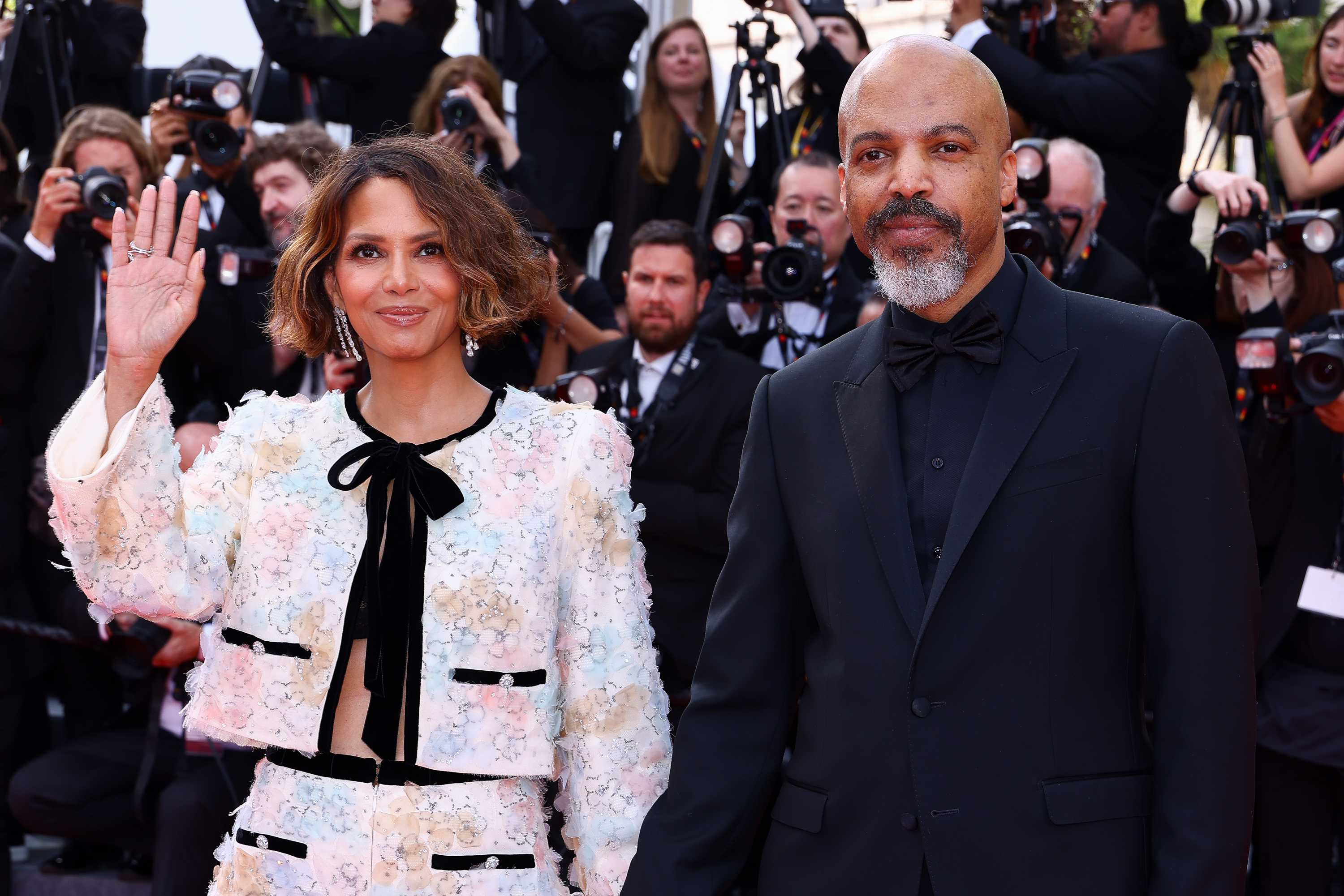
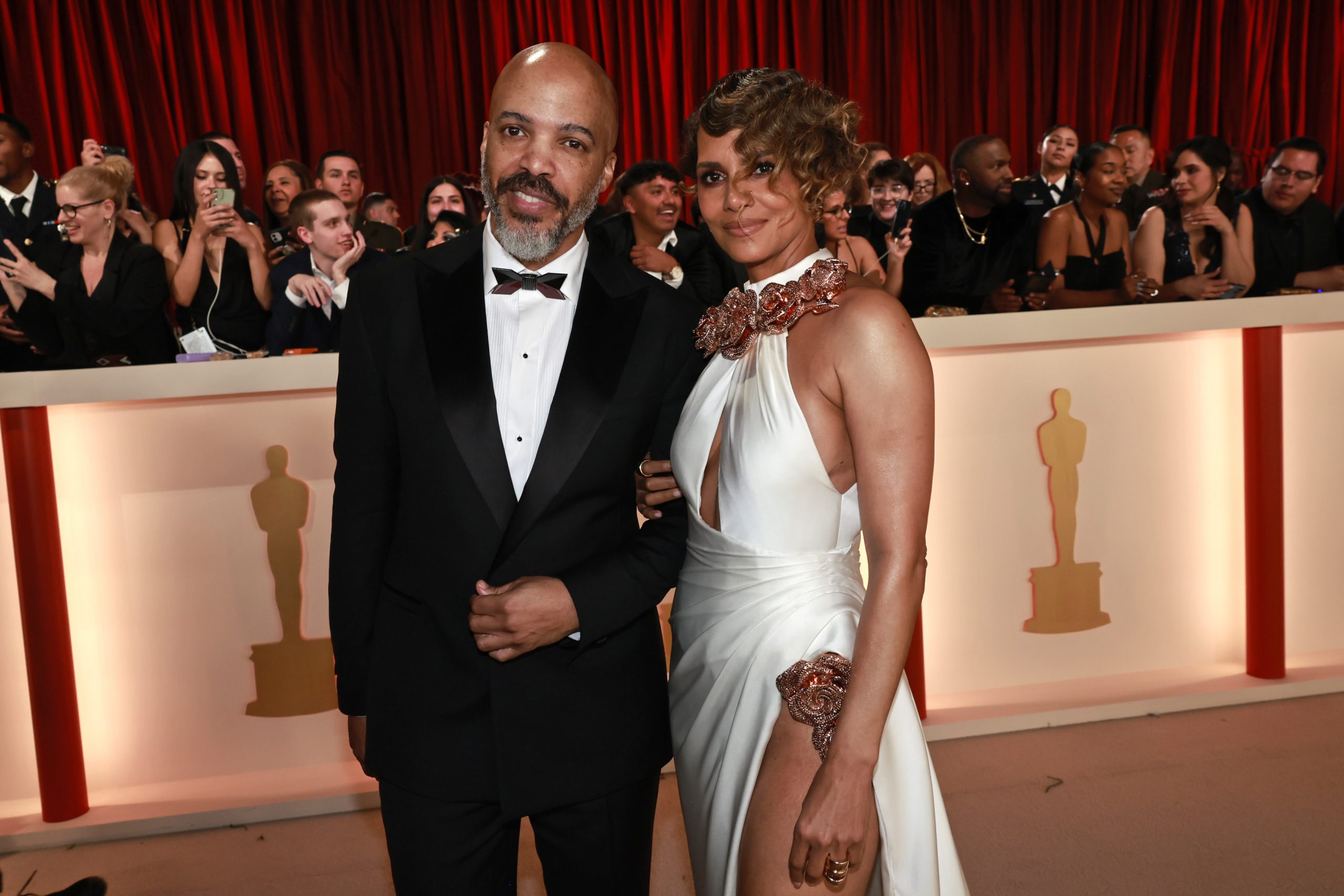
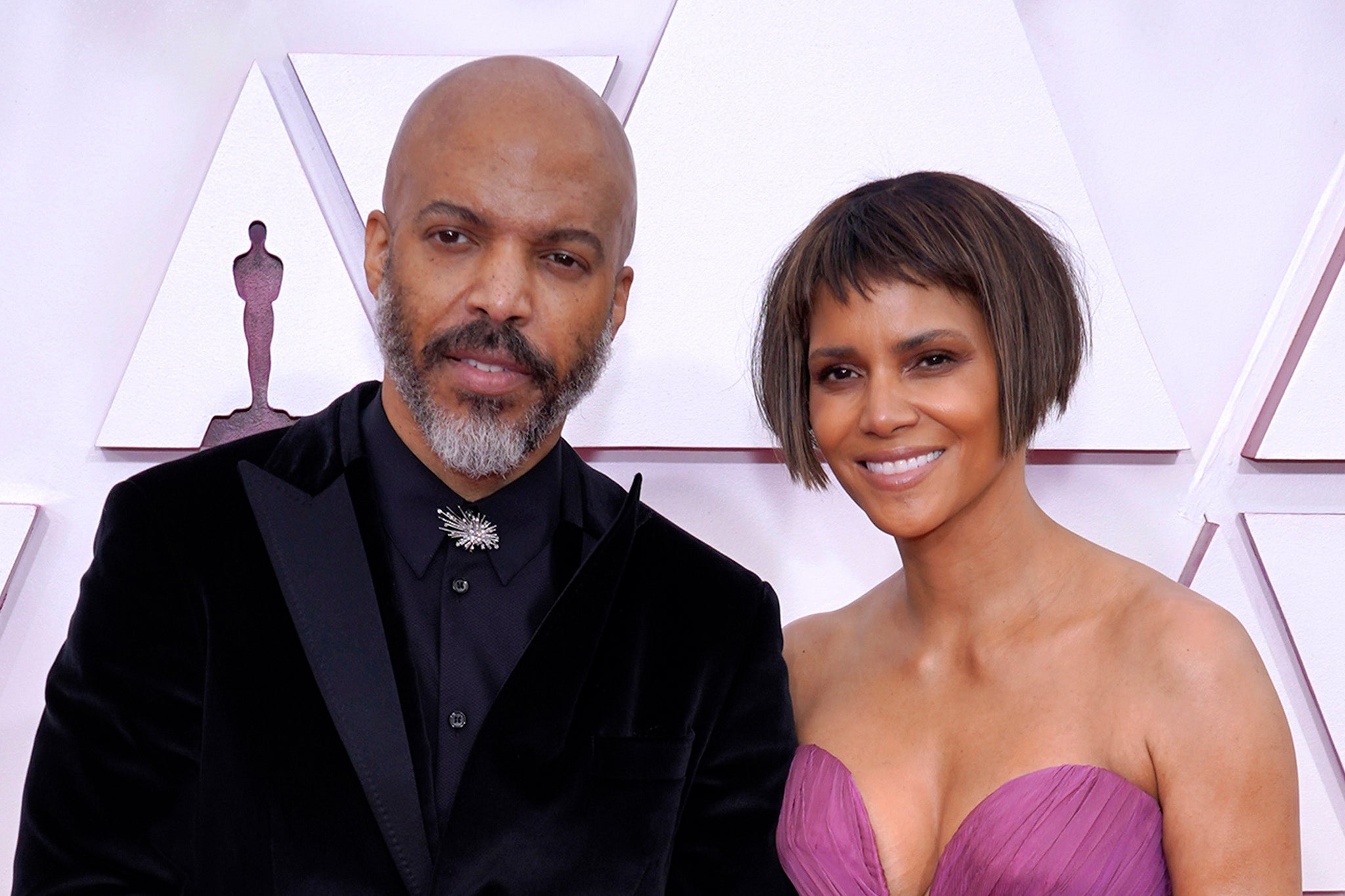
Furthermore, his high-profile relationship, which has brought him into a different sphere of media attention, has not altered his core business operations. He remains, first and foremost, a musician whose revenue is tied strictly to the quality and longevity of his creative output.
Frequently Asked Questions (FAQ)
What is the estimated net worth of Van Hunt in 2026? Van Hunt’s net worth is estimated to be between 3 million and 5 million USD, derived primarily from his extensive music catalog, songwriting royalties, and independent production ventures. This valuation reflects his status as a long-term professional musician with retained rights to his master recordings.
Does Van Hunt earn most of his income from touring? No, Van Hunt does not rely on massive, high-overhead arena tours for his primary income. Instead, he balances live performances with consistent streaming revenue and, most importantly, the long-term royalties generated by his songwriting and production work.
How does owning his masters affect his wealth? Owning his master recordings allows Hunt to retain the lion's share of revenue from digital distribution and sync licensing. Unlike artists signed to standard label deals, he does not have to share these profits with a corporation after recouping production costs, leading to higher profit margins per stream or license.
Is Van Hunt’s net worth increasing? Yes, as his music continues to be discovered by new generations and his catalog remains viable for licensing in films and media, the value of his intellectual property is appreciating. In the 2026 economic environment, intellectual property is a high-demand asset class.
Are there major financial liabilities associated with his career? There are no public records of significant financial instability or debt associated with his career. His move toward independence early on effectively shielded him from the common pitfalls of label-driven debt cycles.
Strategy for Long-Term Financial Sustainment
For artists and creators observing Van Hunt’s career, the primary takeaway is the power of asset retention. By focusing on the quality of his compositions rather than the quantity of his fame, Hunt has built a durable financial structure. In 2026, the most successful independent artists are those who view their music as a portfolio of assets rather than a single commodity.
If you are a fan of Van Hunt’s work or an industry peer interested in the mechanics of independent music success, focus your attention on the value of publishing. Protecting your rights and maintaining control over your creative output is the single most effective way to ensure long-term wealth in the music industry. Support independent creators by engaging with their official digital channels to ensure that revenue streams remain robust and directly beneficial to the artists.