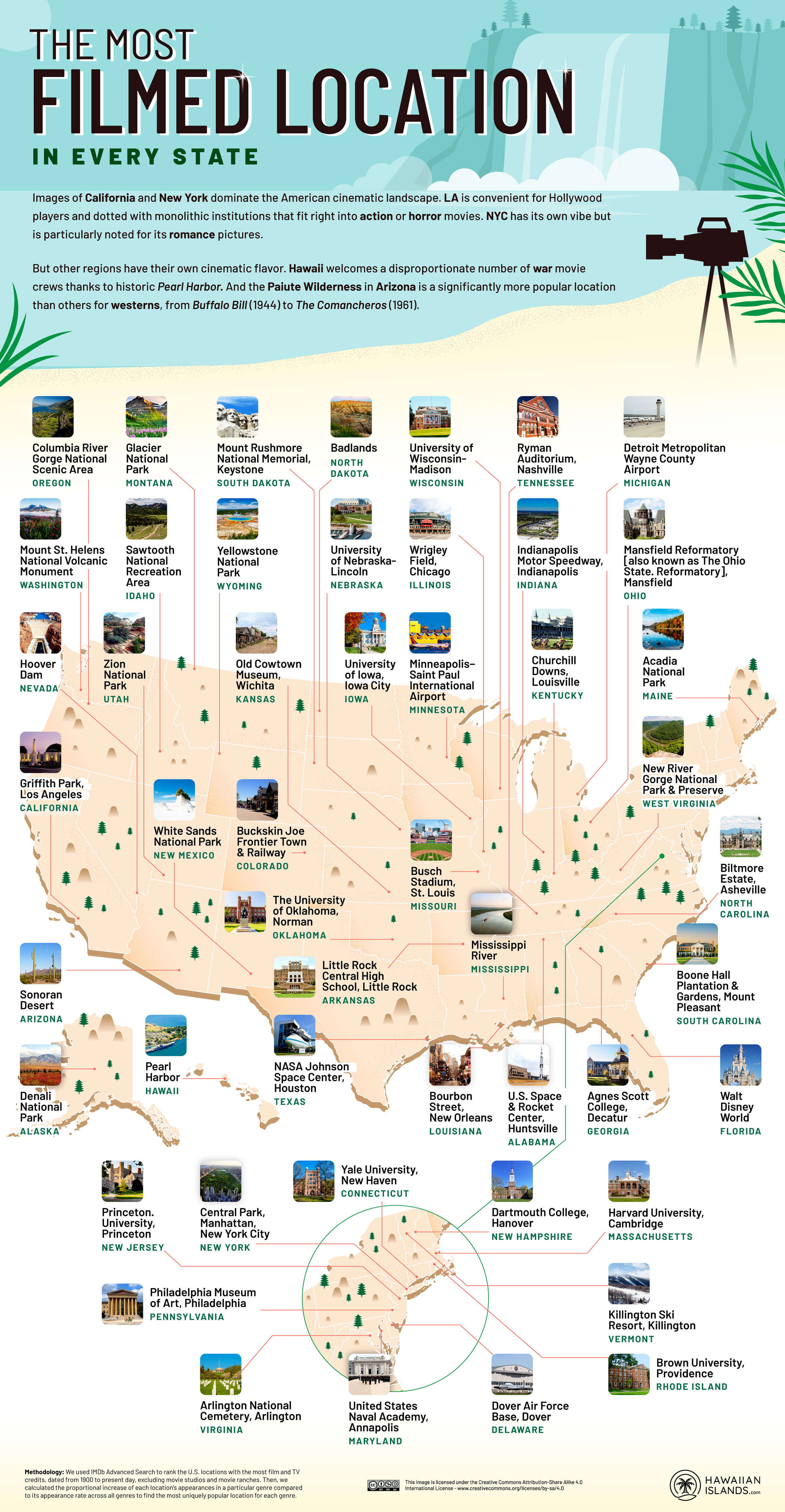
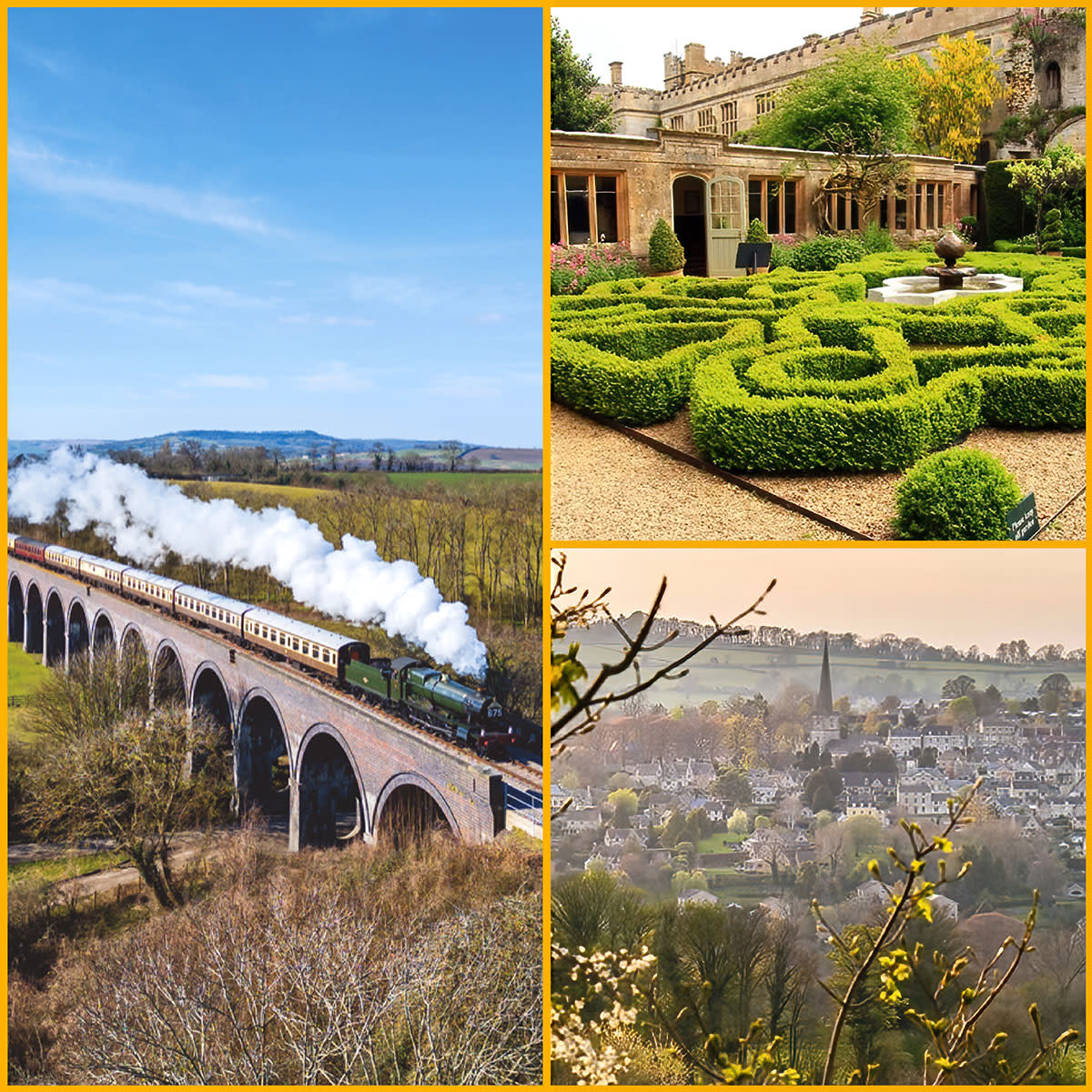
TV filming locations represent the intersection of creative production and physical geography, serving as the real-world settings that bring fictional narratives to life. Whether a production utilizes iconic landmarks, historic estates, or obscure urban corridors, these sites function as critical production assets that require logistical coordination, legal permitting, and strategic scouting to serve as authentic visual storytelling environments.
The Role of Location Scouting in Television Production
Location scouting is the professional process of identifying, evaluating, and securing sites that meet the aesthetic and technical requirements of a script. A location manager serves as the primary liaison between the production company and the property owners or local authorities. Their objective is to find a balance between the director’s creative vision and the practical constraints of a shooting schedule.
When evaluating a potential site, teams prioritize accessibility for heavy equipment, lighting requirements, and proximity to production infrastructure. Furthermore, the logistical footprint—how many crew members, vehicles, and generators will be on-site—dictates whether a location is viable. In urban settings, this often necessitates the closure of public streets or the coordination with local municipal offices to ensure compliance with noise ordinances and pedestrian safety regulations.
Legal Requirements and Permitting Processes
Securing a filming location is rarely as simple as arriving with cameras. Most jurisdictions require formal filming permits, especially for public spaces or historical sites. These permits protect the production company from liability and ensure that the community is not unduly disrupted.
The permitting process typically requires a detailed insurance policy covering general liability, which indemnifies the property owner against damages that may occur during the shoot. For high-profile productions, municipalities may require a security deposit or a site restoration bond. This ensures that if a location is damaged—such as floors being scratched by camera dollies or walls scuffed by lighting rigs—the production company provides funds for restoration. In 2026, many production hubs have streamlined these processes through digital portals, allowing for real-time tracking of permit status and instant access to fee schedules.
Distinguishing Between Interior Sets and On-Location Shooting
Modern television production frequently blends on-location shooting with controlled studio environments. Understanding the distinction is essential for those researching where specific scenes were filmed. While many exteriors are shot on location to provide authentic architectural context, interiors are often filmed on soundstages to allow for modular wall movement, ceiling lighting rigs, and soundproofing.
The "practical location" is defined as any real-world building, house, or park used for filming. By contrast, a "studio set" is an artificial environment constructed within a facility. Often, a production may film the exterior of a real-world mansion in a specific city but film the interior scenes hundreds of miles away in a studio, using set dressing to match the visual style of the exterior. Discerning viewers or researchers must look for "location continuity," which refers to the seamless transition between these two types of environments.
Comparing On-Location and Studio Production Factors
The following table outlines the fundamental differences between utilizing a practical location versus a controlled studio set.
| Feature | Practical Location | Studio/Soundstage |
|---|---|---|
| Authenticity | High; inherent textures and details | Variable; requires skilled set design |
| Cost | Daily location fees + logistical support | Studio rental + construction materials |
| Control | Limited by weather and ambient noise | Full control over lighting and acoustics |
| Access | Often restricted by owners or public use | Controlled; exclusive access for crew |
| Maintenance | Restoration required post-production | Designed for rapid construction/deconstruction |
Logistical Challenges and Site Mitigation
When a production team selects a location, they must conduct a "technical scout." This involves the lead members of each department—lighting, sound, camera, and art—inspecting the site to identify potential bottlenecks. For example, a location might look perfect on camera, but if the building’s power capacity cannot support the draw of modern LED lighting rigs, the production must bring in industrial-grade portable generators.
Environmental and historical mitigation is another significant factor. If a filming crew works in a protected historical site, they are often subject to strict limitations regarding the use of tape on walls, the placement of heavy equipment on delicate flooring, and the interaction with public visitors. Many locations also require an "on-site monitor," an individual paid by the property owner to ensure that the crew adheres to all safety and preservation guidelines throughout the filming window.
Common Misconceptions Regarding Filming Locations
One of the most frequent misconceptions is that a location is "the" site where all scenes were filmed. In reality, modern shows frequently use "doubling." For instance, a series set in a specific city may film only the establishing shots (the exterior city views) in that location, while the remainder of the series is filmed in a jurisdiction with more favorable tax incentives or larger studio facilities.
These tax incentives, often managed by regional film commissions, play a massive role in where a series is filmed. A location that is technically ideal might be rejected if the regional government does not offer a competitive rebate on production expenditures. Consequently, audiences often mistake the visual setting of a show for the geographic reality of its production hub.
Frequently Asked Questions
How can I verify if a specific building is a real filming location?
You can verify a location by checking the production’s official credits, press releases, or by visiting the website of the relevant regional film commission. Many film commissions maintain databases of notable local projects filmed in their jurisdiction, providing a reliable record for researchers.
What insurance is typically required for professional filming?
Most location owners and municipalities require a Certificate of Insurance (COI) that includes General Liability coverage, often with a minimum of $1 million per occurrence. Depending on the size of the production and the value of the property, additional coverage for property damage, equipment, and workers' compensation is usually mandatory.
Why do TV shows use different locations for the same "house"?
Productions often separate exteriors and interiors for logistical and financial reasons. An exterior may be used to establish the "character" of a home in a specific neighborhood, while the interior is filmed on a set to allow for camera placement, lighting, and sound control that would be impossible in a cramped or non-production-ready residential space.
Are public parks always free to film in?
No, most public parks require a permit and a fee, even for small crews. Local municipal departments manage these bookings to prevent overcrowding and ensure that the park remains accessible to the public. Fees are generally structured based on the number of crew members and the duration of the shoot.
How does weather affect location feasibility?
Weather is a primary risk factor for on-location shooting. Production teams must have "weather cover," which is a pre-arranged alternative site or an adjustment to the shooting schedule to account for rain, extreme heat, or high winds. Locations are rarely chosen without a contingency plan for inclement conditions.
Next Steps for Site Identification and Research
If you are researching a specific filming location, start by consulting the production’s "Behind the Scenes" content or official social media channels, which often highlight the unique geography of their sets. For professionals looking to use a specific site for their own work, the first step is to contact the local municipal film office or regional film commission. They provide the most accurate information regarding current permit requirements, local ordinances, and the necessary administrative steps for securing a location for a project. Always confirm the current accessibility of a site, as many private properties change ownership or internal policies regarding filming usage year over year.