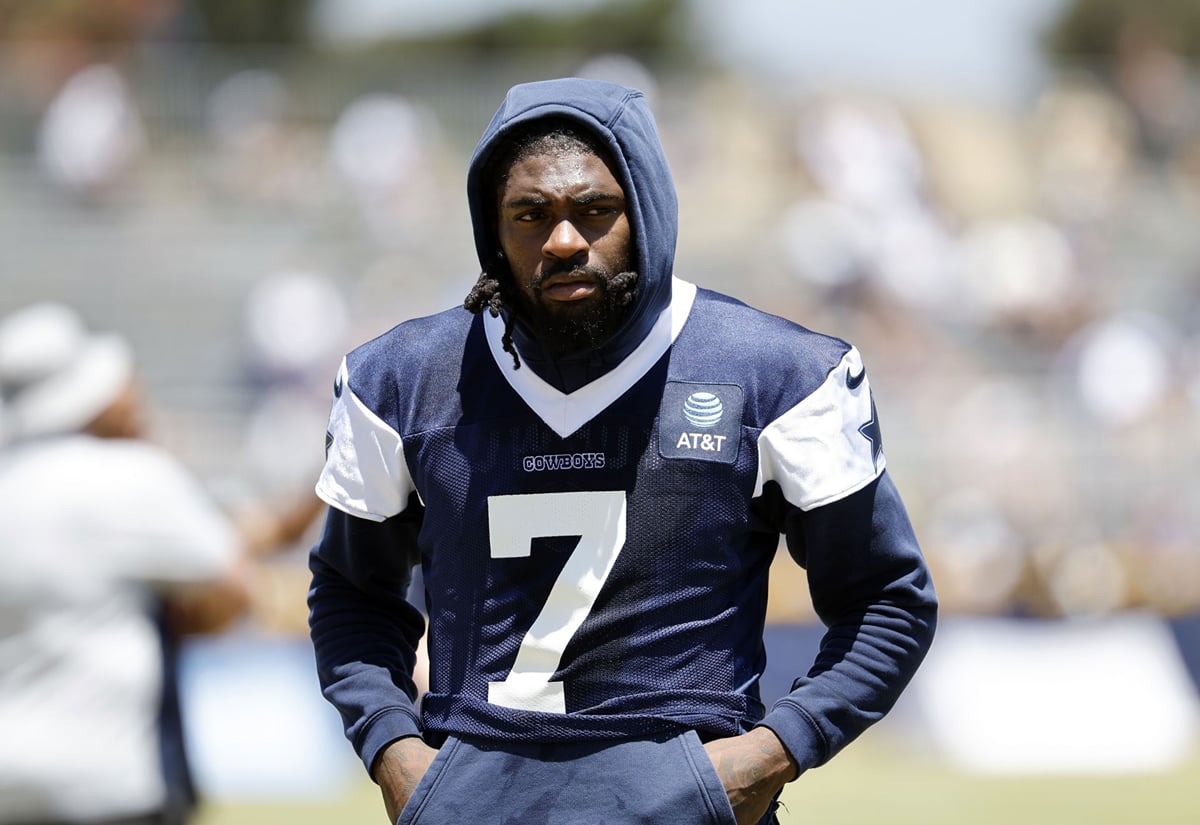
Trevon Diggs currently plays under a five-year, $97 million contract extension signed with the Dallas Cowboys in July 2023. This agreement includes $42.3 million in total guarantees and an average annual value of $19.4 million. The structure is designed to balance the team’s salary cap management with Diggs’ status as a premier cornerback in the NFL.
Understanding the Financial Framework
The contract signed by Trevon Diggs represents a significant investment by the Dallas Cowboys organization. In the context of NFL contracts, a "total value" figure often includes incentives or non-guaranteed base salaries that may not be fully realized depending on performance or team roster moves. For Diggs, the $97 million headline figure serves as the maximum potential payout over the life of the deal, provided he remains with the team and meets specific availability requirements.
The "guaranteed money" is the most critical component for a professional athlete. With $42.3 million guaranteed at signing, Diggs secured a substantial financial floor. This figure typically consists of his signing bonus and portions of his base salary for the initial years of the contract. This structure protects the player against injury or performance-related releases, while providing the organization with flexibility in how they distribute cap hits across the five-year term.
Salary Cap Impact and Team Strategy
NFL teams, including the Dallas Cowboys, operate under a strict "salary cap" system. This cap limits the total amount a team can spend on player salaries in a single league year. To manage this, contracts are often structured with a mix of base salary, per-game roster bonuses, and prorated signing bonuses.
By spreading the signing bonus over the duration of the contract, the team can minimize the "cap hit" in the early years. This is a common strategy employed by front offices to clear immediate space for other roster needs while ensuring their top-tier talent, like Diggs, is retained under a long-term agreement. As of 2026, the specific cap hits for Diggs are dictated by the original amortization schedule set in 2023, adjusted by any subsequent restructures the team may have performed to manipulate cash flow.
Contract Breakdown and Structure Components
When examining a contract of this magnitude, one must look at the specific mechanisms that define how and when the player is paid. The following table illustrates the standard components found in a high-value NFL cornerback contract:
| Component | Description | Financial Impact |
|---|---|---|
| Signing Bonus | Paid upfront upon signing | Prorated over the life of the contract |
| Base Salary | The guaranteed annual compensation | Increases annually or stays fixed by year |
| Roster Bonus | Earned for being on the active roster | Typically paid on specific calendar dates |
| Workout Bonus | Compensation for attending offseason programs | Paid annually upon completion of requirements |
| Guaranteed Total | Money protected from injury/release | Fully binding at the time of signing |
The Role of Performance Incentives
Beyond the guaranteed salary, elite players often have "not likely to be earned" (NLTBE) and "likely to be earned" (LTBE) incentives. While the core of Diggs' contract is salary-based, NFL contracts frequently include clauses tied to Pro Bowl selections, All-Pro honors, or reaching specific interception thresholds.
These incentives serve a dual purpose. For the player, they offer additional earning potential for exceeding expectations. For the team, they allow for flexible compensation that only counts against the salary cap if the performance goals are achieved or if the team has sufficient space to absorb the costs. Understanding these variables is essential for fans and analysts trying to project the long-term viability of the contract on the team's balance sheet.
Comparison to Market Standards
In the modern NFL landscape, the market for cornerbacks has fluctuated significantly. Since 2023, the annual average value (AAV) for top-tier defensive backs has continued to climb. Diggs' $19.4 million AAV places him among the upper echelon of the secondary position groups.
When evaluating whether a contract is "team-friendly" or "player-friendly," experts often compare the AAV to the percentage of the total salary cap it occupies. A contract that takes up 8-10% of a team’s available cap space is generally considered fair market value for a franchise cornerstone. Because Diggs is a primary playmaker known for his high interception volume, his compensation reflects the premium that NFL general managers place on ball-hawking cornerbacks who can disrupt opposing passing games.
Frequently Asked Questions
How is Trevon Diggs’ signing bonus handled regarding the salary cap?
The signing bonus is fully paid to the player immediately, but for salary cap purposes, the NFL allows teams to spread the cost over the length of the contract, up to five years. This "proration" helps teams lower the immediate impact on the yearly cap, allowing them to remain compliant while still paying the player their full bonus upfront.
Can the Dallas Cowboys cut Trevon Diggs before the contract ends?
The team technically holds the right to release any player, but the financial consequences depend on the "dead money" remaining on the contract. Because Diggs has a significant portion of his contract guaranteed, cutting him would result in a substantial "dead cap" charge—money that counts against the team's cap even if the player is no longer on the roster—making an early release financially prohibitive for the team.
What happens to the contract if Trevon Diggs is traded?
If Diggs were to be traded, the acquiring team would assume the remaining base salary obligations. However, the unamortized portion of his original signing bonus would typically remain with the Dallas Cowboys as a dead money charge, unless the contract includes specific provisions regarding bonus acceleration upon a change of team.
Does the contract contain injury protections?
Yes. The $42.3 million in guarantees serves as the primary injury protection. If Diggs suffers an injury that prevents him from playing, he remains entitled to the guaranteed payments as specified in the terms of the deal. This is standard in NFL contracts to ensure that players are not left without income due to the inherent physical risks of the sport.
Next Steps for Financial Monitoring
For those tracking the financial health of the Dallas Cowboys, the next critical phase involves monitoring the team’s annual cap reports. As the 2026 season progresses, the front office will decide whether to restructure existing contracts to create space for future acquisitions. Followers should look for official announcements from the team or league filings regarding any amendments to the original terms of Diggs' agreement, as these filings are the only legally binding records of changes to his compensation structure.