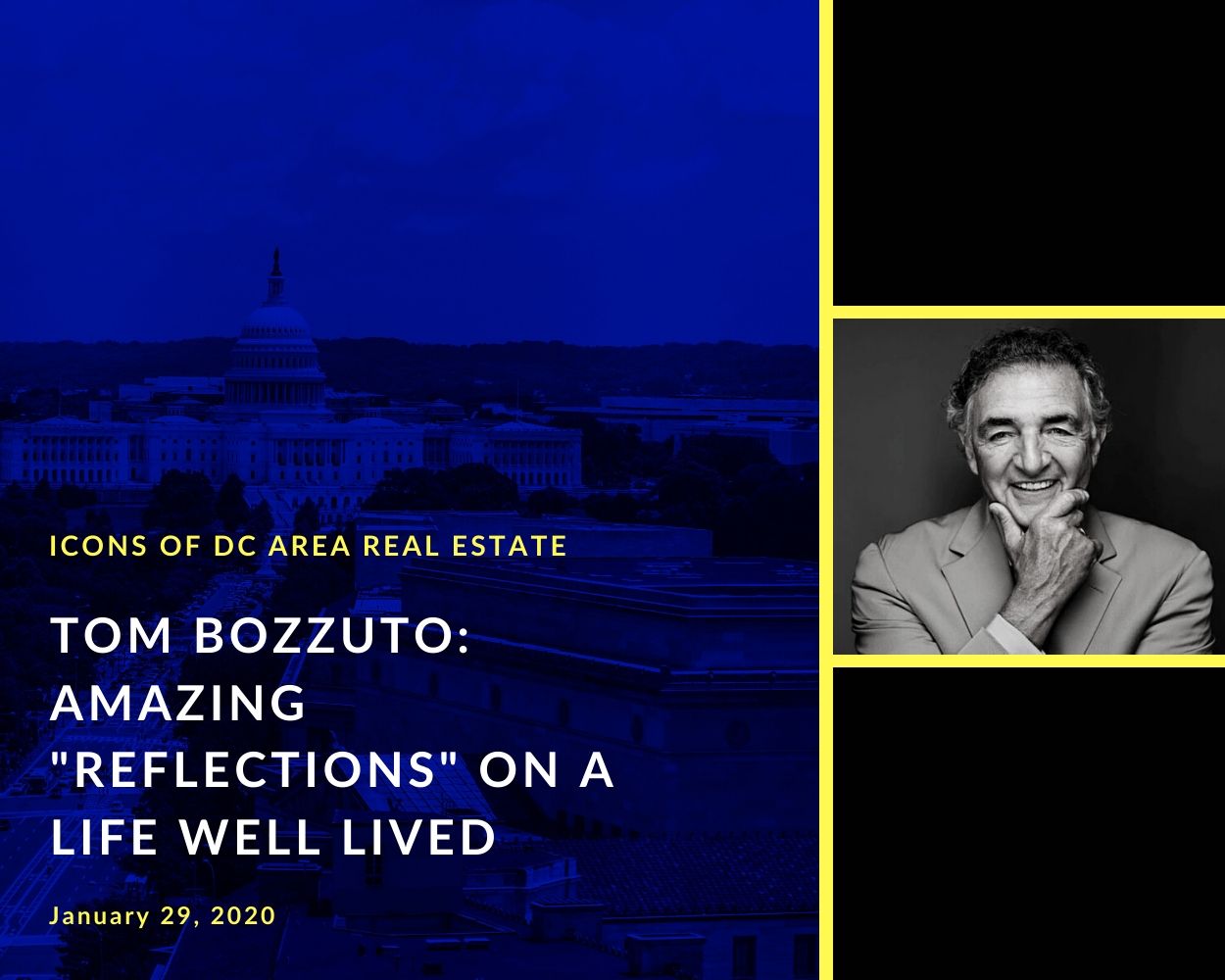
Tom Bozzuto is widely recognized in the United States as a prominent figure in the multifamily real estate sector, primarily known for his role as the co-founder and former Chairman of The Bozzuto Group. His career has focused on the development, management, and construction of apartment communities, emphasizing the intersection of high-quality urban design and customer-centric property management.
The Foundation and Evolution of The Bozzuto Group
The Bozzuto Group was established in 1988, marking the beginning of a significant transformation in how residential rental properties were conceptualized in the Mid-Atlantic region and beyond. Tom Bozzuto, alongside his co-founders, sought to bridge the gap between institutional-grade development and the personalized service typically associated with luxury hospitality. By focusing on a "culture of care," the company differentiated itself in a competitive market by prioritizing the resident experience throughout the lifecycle of a property—from site acquisition and architectural design to day-to-day management.
Throughout the 1990s and early 2000s, the company expanded its footprint by securing partnerships with pension funds, insurance companies, and private equity investors. Tom Bozzuto’s leadership philosophy centered on the idea that housing is not merely an asset class but a service-oriented business. This approach allowed the firm to weather various economic cycles by maintaining high occupancy rates and fostering brand loyalty among tenants, which became a cornerstone of their operational strategy.
Strategic Focus in Multifamily Development
Tom Bozzuto’s influence on the industry is best understood through his commitment to placemaking. Rather than focusing solely on unit count, his development projects often emphasize neighborhood integration, sustainable building practices, and the inclusion of diverse amenities that cater to modern urban lifestyles. This "human-scale" approach to large-scale residential construction has influenced industry standards for mixed-use developments.
By integrating retail spaces with residential units, his firm helped revitalize urban corridors that were previously underutilized. These projects require a complex coordination of zoning navigation, community relations, and intricate financing structures. Tom Bozzuto’s ability to manage these multi-stakeholder relationships solidified his reputation as a pragmatic developer who understands the long-term impacts of residential density on city planning.
Industry Leadership and Corporate Governance
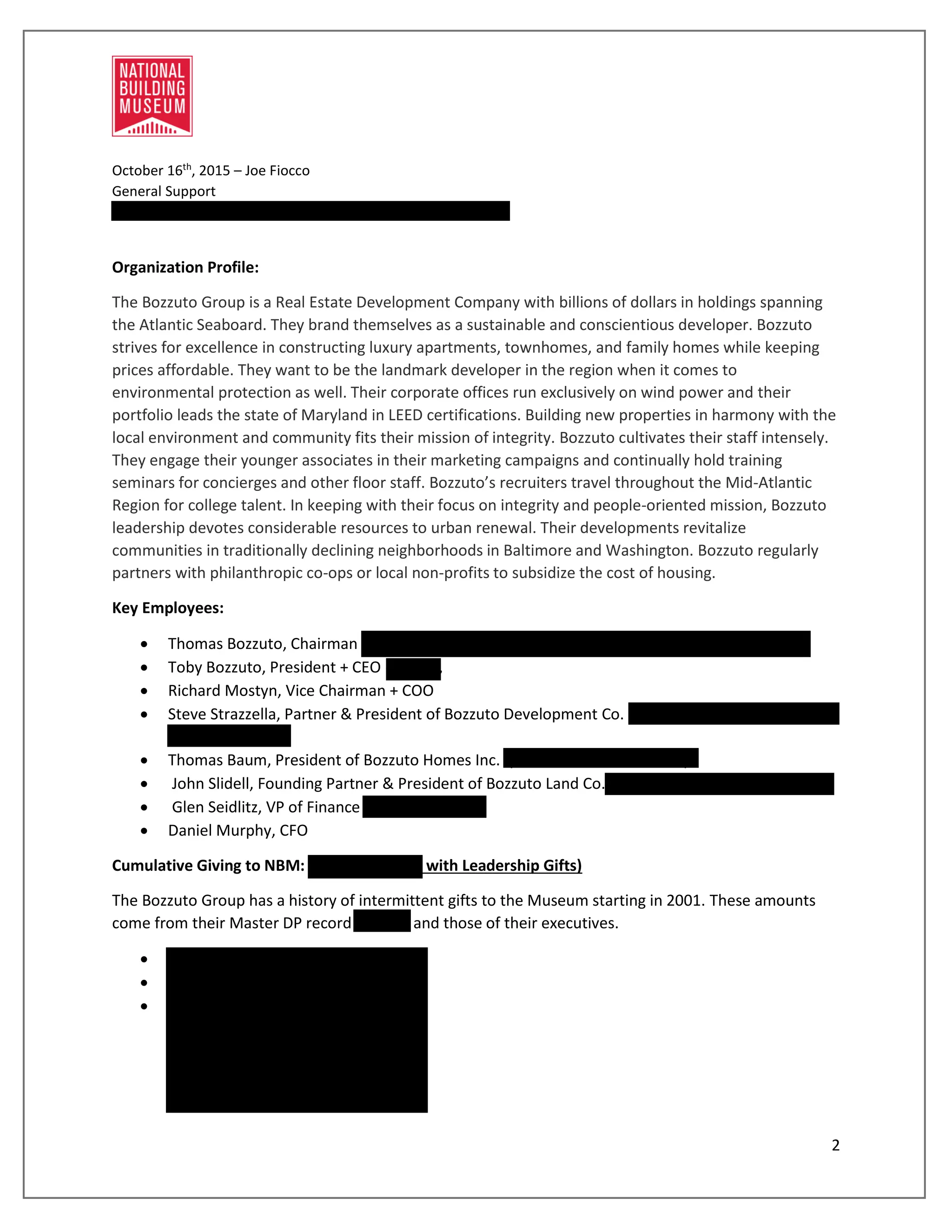
Beyond his direct operational role, Tom Bozzuto has played a significant part in industry advocacy. He has served in leadership capacities for various real estate trade organizations, including the National Multifamily Housing Council (NMHC). His involvement in these groups has been instrumental in shaping industry responses to housing affordability challenges and regulatory shifts.
His governance style transitioned toward the end of his active tenure, leading to the appointment of his son, Toby Bozzuto, as CEO in 2015. This transition signaled a commitment to organizational continuity and the preservation of the company’s core values. Despite the change in daily leadership, Tom Bozzuto remained a pivotal influence as Chairman, ensuring that the firm’s commitment to architectural rigor and operational excellence remained intact as the portfolio grew to encompass thousands of units across the United States.
Comparing Development Philosophies
The following table highlights the core distinctions in the development approach pioneered by Tom Bozzuto compared to traditional speculative residential development models.
| Feature | Bozzuto Model | Traditional Speculative Model |
|---|---|---|
| Primary Goal | Long-term asset value and retention | Rapid exit and transactional profit |
| Design Focus | Hospitality-influenced, resident-centric | Cost-per-square-foot efficiency |
| Market Segment | Mid-to-high-end urban/suburban mixed-use | Varies; often commodity-focused |
| Management | Integrated (in-house lifecycle) | Often outsourced to third parties |
| Community Impact | High focus on placemaking and integration | Minimal focus beyond property lines |
Navigating Market Cycles in Real Estate
One of the defining characteristics of Tom Bozzuto’s tenure was the strategic navigation of economic volatility. The multifamily industry is notoriously sensitive to interest rates, credit availability, and localized employment trends. His approach involved a disciplined adherence to capitalization structures that prevented over-leverage, a common pitfall in residential development.
By maintaining a robust property management division, the firm created a counter-cyclical hedge. Even when new development activity slowed during broader economic downturns, the management of existing assets provided consistent cash flow. This operational stability allowed the firm to be prepared for "distressed cycle" opportunities, where they could acquire and reposition underperforming properties during market recoveries. This level of operational foresight remains a masterclass in risk management for those involved in real estate investment.
Frequently Asked Questions
What is the current status of Tom Bozzuto within his company?
As of 2026, Tom Bozzuto serves as the Chairman Emeritus of The Bozzuto Group. Having stepped back from the daily operational duties of the CEO position, he provides strategic oversight and mentorship, leaving the day-to-day management to the established executive team.
How did the firm approach property management differently than its peers?
The firm pioneered a hospitality-first approach to apartment management. Instead of treating residents as transactional tenants, the company invested heavily in staff training, resident events, and rapid-response maintenance, which historically resulted in higher-than-average renewal rates and lower customer acquisition costs.
Did Tom Bozzuto focus primarily on affordable housing or luxury units?
The firm’s portfolio is diverse. While they are best known for high-end urban apartment communities, their development projects have frequently included affordable housing components as part of public-private partnerships and municipal inclusionary zoning requirements, demonstrating an ability to work across various price points.
What are the main qualifications for partnering with a firm like this?
Partnerships with major development firms typically require significant institutional capital, proven experience in regional land use laws, and alignment on long-term investment horizons. For smaller investors, direct partnership is rare, as these firms usually operate via large-scale private equity or institutional investment funds.
How has the firm addressed environmental sustainability in its recent projects?
The firm has shifted toward integrating LEED (Leadership in Energy and Environmental Design) certification standards and smart-building technologies into their new developments. This includes investments in energy-efficient HVAC systems, greywater recycling, and high-performance building envelopes to reduce operational costs and satisfy modern ESG (Environmental, Social, and Governance) investor mandates.
Next Steps for Real Estate Professionals
For those seeking to emulate the organizational structure or development successes associated with the Bozzuto model, the focus should remain on vertical integration. The most practical next step is to evaluate whether a firm has the capacity to internalize property management and construction services. By controlling both the construction quality and the eventual resident experience, developers can capture a greater portion of the asset’s lifecycle value. Professionals should prioritize building long-term relationships with municipal planning boards and institutional capital partners to ensure the necessary leverage for complex, mixed-use projects.