Navigating the financial obligations of vehicle ownership transfers in the Lone Star State requires an understanding of state fees, local surcharges, and regional tax implications. When purchasing, gifting, or inheriting a vehicle, calculating the exact texas title transfer cost involves more than just a single standard processing fee. The Texas Department of Motor Vehicles (TxDMV) oversees these transactions, but final out-of-pocket expenses vary depending on vehicle type, purchase price, and county-specific registration policies.
Complete Breakdown Of Standard Texas Title Transfer Fees
The baseline cost to transfer a vehicle title in Texas is structured around administrative processing fees established by the state legislature. As of 2026, the standard application fee for a certificate of title remains uniform across all 254 counties, but additional statutory costs consistently accompany the transaction.
- Standard Certificate of Title Fee: The baseline administrative charge for processing a title application is $28.00 or $33.00, depending on whether the county participates in specific local option electronic filing systems.
- Local County Automation Fees: Most major metropolitan counties add a local automation or processing fee ranging from $1.00 to $5.00 to support county tax assessor-collector data systems.
- Lien Recording Fee: If you are financing the vehicle or placing a lienholder on the new title, an additional $28.00 fee applies to record the security interest.
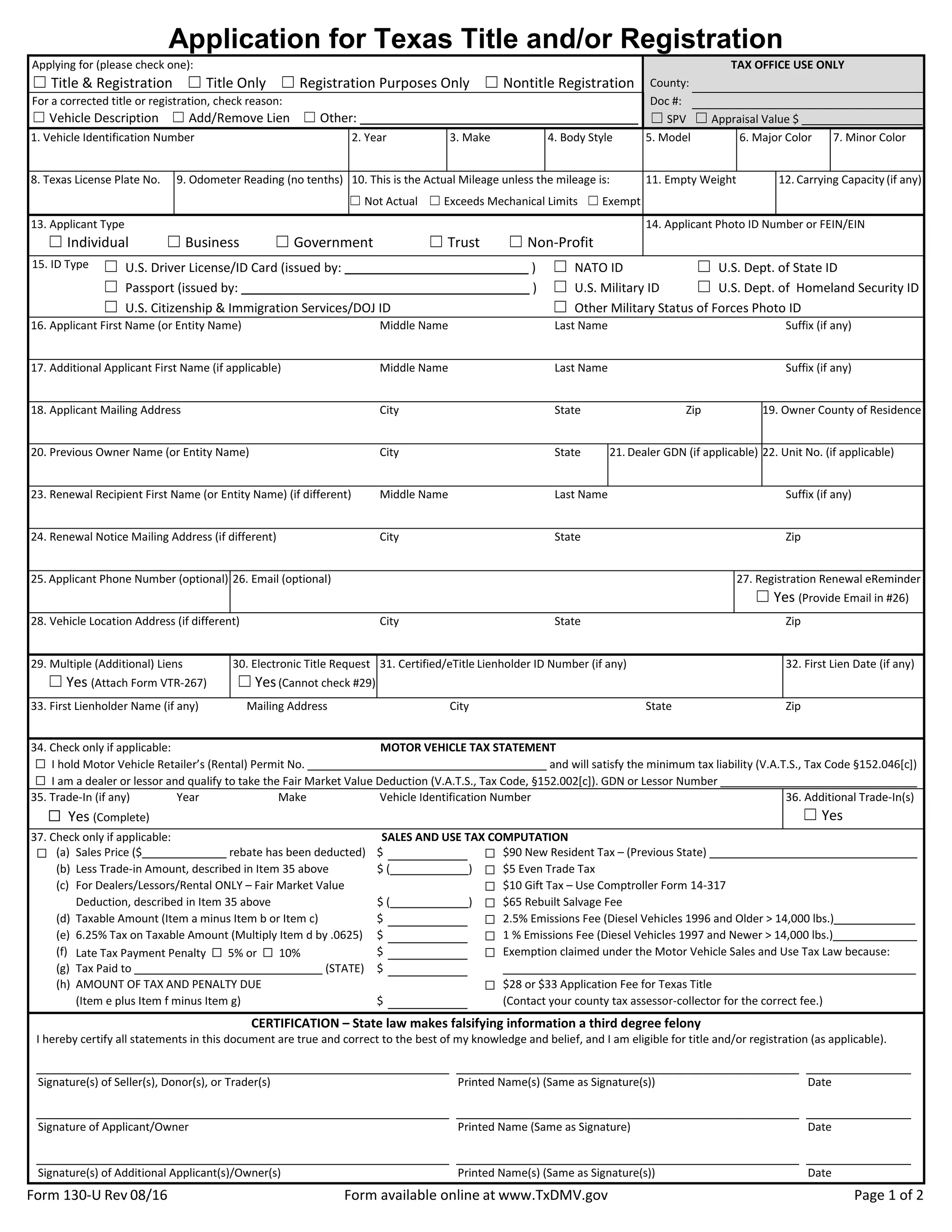
- Late Transfer Penalty: Submitting your Application for Texas Title and/or Registration (Form 130-U) later than 30 calendar days from the date of sale incurs a $25 penalty. This penalty increases by $25 for every subsequent 30-day period the paperwork is delayed, up to a maximum cap of $200.
Understanding Motor Vehicle Sales And Use Tax Implications
While the administrative title fee is a modest fixed cost, the most substantial financial obligation during a vehicle transfer is the motor vehicle sales tax or use tax. The state of Texas levies a 6.25% tax on the purchase price or the Standard Presumptive Value (SPV), whichever is higher.
Standard Presumptive Value And Private Sales
When purchasing a vehicle from a private party, buyers cannot simply report an artificially low purchase price to evade taxes. The TxDMV utilizes the SPV system, which calculates the private-party transaction value based on national database valuations.
- If you purchase a vehicle for $5,000, but the SPV database values the same make, model, and condition at $8,000, you will be taxed on the $8,000 SPV unless you qualify for an exemption or successfully dispute the valuation via a certified appraisal.
- Vehicles purchased through licensed dealerships are taxed directly on the actual purchase price listed on the bill of sale.
- Gifted vehicles between eligible family members (such as spouses, parents, children, siblings, or grandparents) are generally exempt from the standard 6.25% sales tax, instead qualifying for a flat $10 gift tax.
Step-By-Step Procedure For Completing A Texas Title Transfer
Executing a smooth transfer demands careful preparation of documentation to avoid costly delays at the county tax office. Whether you visit a Travis County office in Austin, a Harris County tax office in Houston, or local branches in Dallas, Tarrant, or Bexar counties, the required workflow remains standardized.
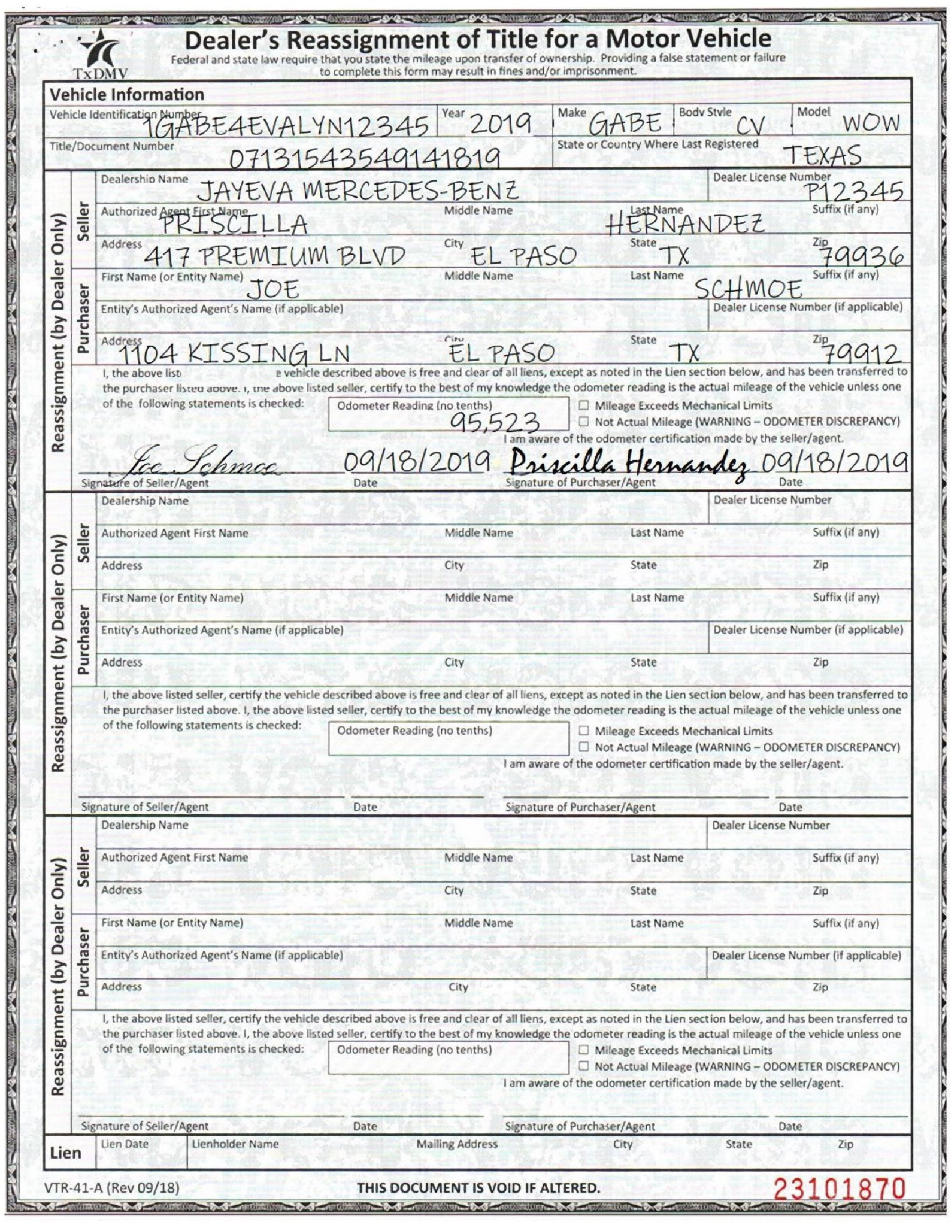
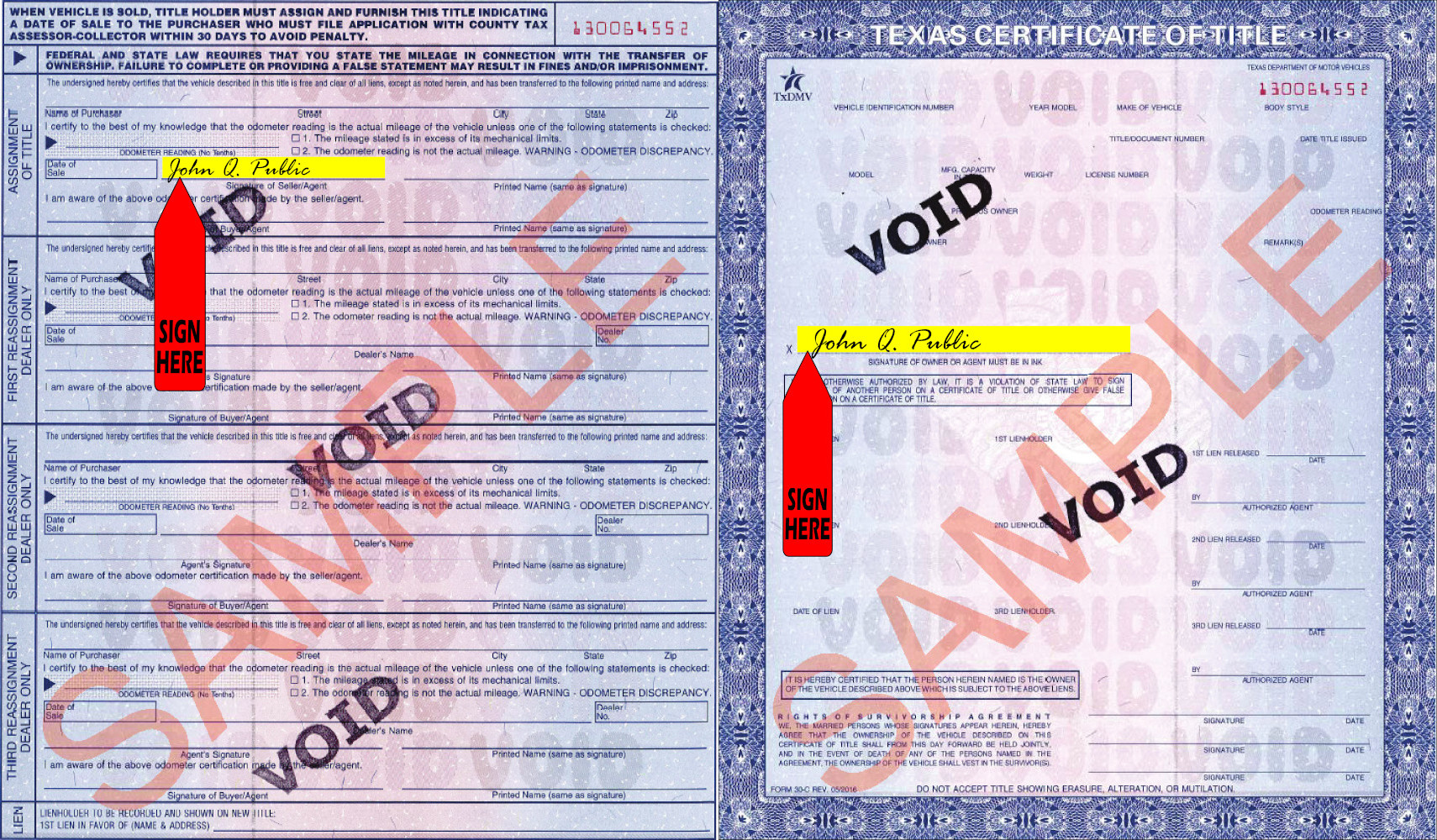
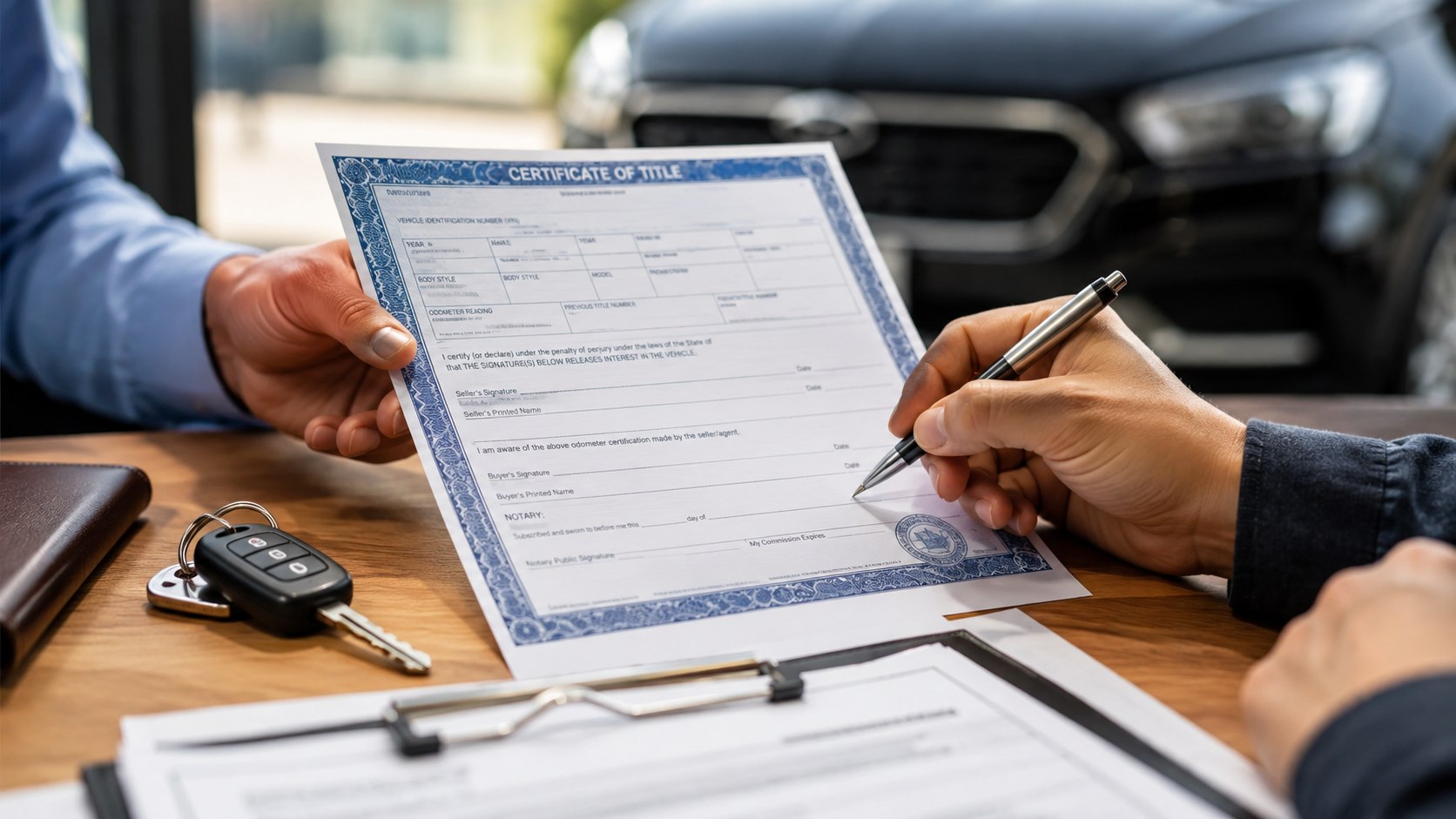
- Secure Signed Documentation: Ensure the seller signs the back of the current Texas title or out-of-state title, explicitly filling in the odometer reading, purchase price, and buyer information.
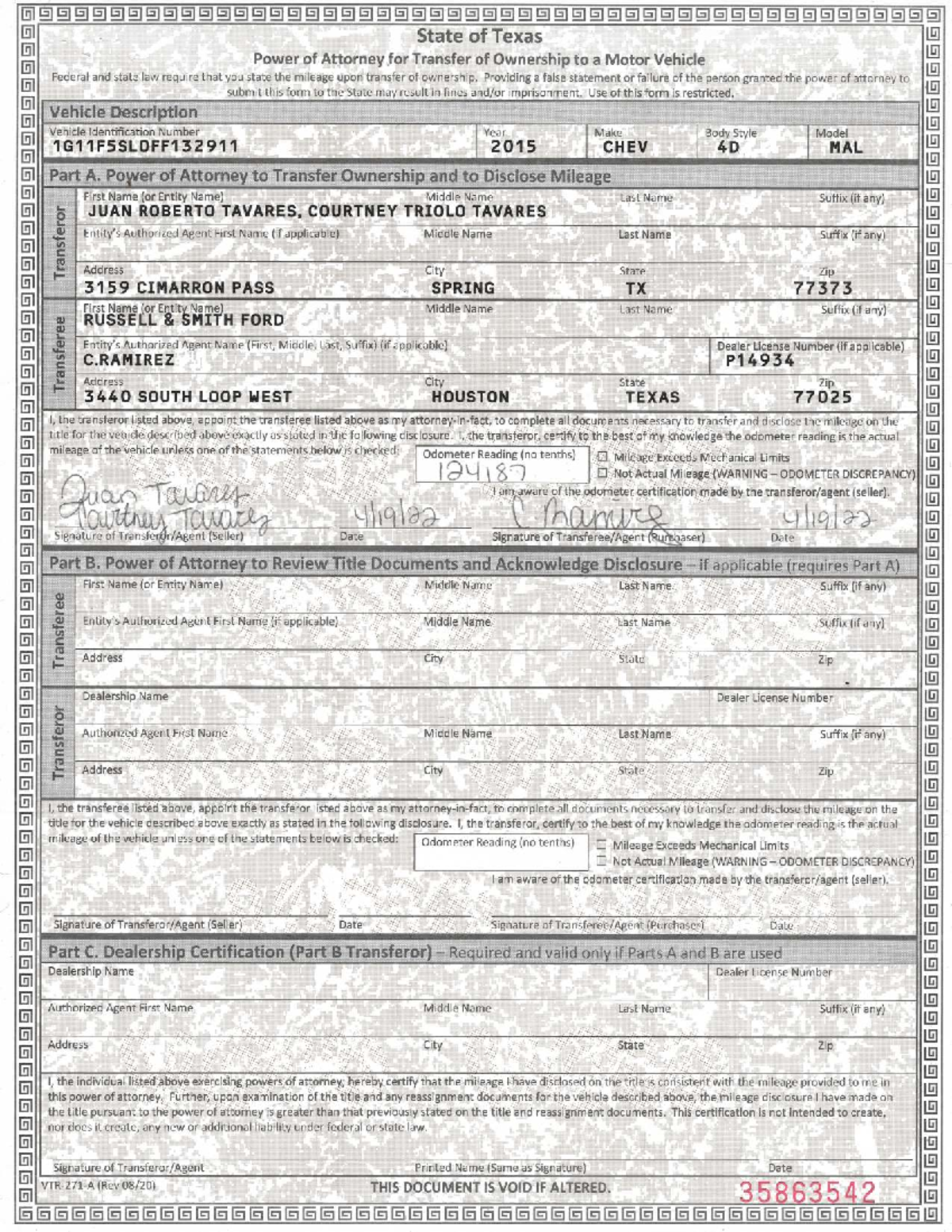
- Complete Form 130-U: Fill out the Application for Texas Title and/or Registration accurately. Both the buyer and seller must sign this document, or separate power of attorney documentation must be provided.
- Obtain Passing Vehicle Inspection: Unless the vehicle is exempt, secure a passing vehicle safety and emissions inspection from a certified Texas inspection station within 90 days prior to registration.
- Provide Proof of Financial Responsibility: Bring a valid Texas auto insurance card matching the vehicle identification number (VIN) and the name of the new owner.
- Submit Payment at the County Tax Office: Take all physical documents, identification, and payment for fees and taxes to your local county tax assessor-collector office.
Cost Comparison Across Common Vehicle Transfer Scenarios
The total financial outlay shifts significantly based on the nature of the transaction. The following matrix illustrates typical cost profiles across different transfer types.
| Transfer Scenario | Administrative Title Fee | Sales/Use Tax Basis | Additional Potential Costs |
|---|---|---|---|
| Private Purchase ($10k Value) | $33.00 | 6.25% of Purchase Price or SPV ($625.00) | $28 Lien Fee (if financed), Registration Fees |
| Dealer Purchase | $33.00 | 6.25% of Purchase Price (Handled by Dealer) | Dealer Document Fees, Registration Fees |
| Family Gift Transfer | $33.00 | Flat $10.00 Gift Tax (Eligible Relatives Only) | Standard Registration Fees |
| Inherited Vehicle Transfer | $33.00 | Exempt (With Probated Will or Affidavit) | Local County Processing Fees |
| Out-of-State Transfer | $33.00 | New Resident Tax ($90 flat) or 6.25% Difference | $185 New Resident Inspection/Fee |
Pros And Cons Of Using Title Services Versus Direct County Filing
Vehicle owners frequently weigh the convenience of third-party title services against the cost-efficiency of direct county tax office processing.
- Direct County Filing Pros: Guarantees the lowest possible texas title transfer cost without intermediary markup fees; ensures direct processing through official state databases.
- Direct County Filing Cons: Often requires in-person waiting times or restricted appointment windows; processing delays occur if paperwork contains minor errors.
- Third-Party Title Service Pros: Expedited handling, extended business hours, and professional document review to prevent rejections.
- Third-Party Title Service Cons: Substantial service convenience fees added on top of statutory state fees; limited recourse if third-party runners mishandle sensitive ownership documents.
Frequently Asked Questions Regarding Texas Title Transfers
How much does a standard Texas title transfer cost in total?
The base state fee is $33.00, but the total out-of-pocket cost typically includes a 6.25% motor vehicle sales tax, local automation fees, and registration costs. For a private sale vehicle valued at $10,000, total fees and taxes will generally range between $650 and $750.
What happens if I miss the 30-day transfer deadline in Texas?
Failing to submit your title transfer application within 30 calendar days of the purchase date triggers a mandatory $25 late penalty. This penalty increases by an additional $25 for every subsequent 30-day period, reaching a maximum ceiling of $200.
Can I transfer a vehicle title online in Texas?
The state of Texas does not currently allow standard private-party title transfers to be completed fully online without visiting a county tax office or utilizing a licensed state title service provider. Dealerships, however, process electronic title and registration filings directly through state systems on behalf of buyers.
Is sales tax charged on gifted vehicles between family members?
Vehicles received as gifts from eligible family members are exempt from the standard 6.25% motor vehicle sales tax. Instead, recipients pay a nominal $10 gift tax, provided the transfer is accompanied by a properly executed affidavit of motor vehicle gift transfer.
What documents are required to transfer an out-of-state title to Texas?
You must present the original out-of-state title, a completed Form 130-U, a passing Texas vehicle inspection report, proof of Texas auto insurance, and valid government-issued photo identification. New residents must also pay a $90 new resident tax if registering a vehicle previously registered in another state.
Streamlining Your Vehicle Ownership Transition
Mastering the financial requirements of transferring a vehicle title prevents unexpected expenses at the county tax office. Double-check your bill of sale, verify current SPV valuations, and ensure all insurance and inspection documents are ready before submission. To finalize your transaction smoothly, gather your completed Form 130-U, original title paperwork, and payment methods accepted by your local Texas county tax assessor-collector office today.