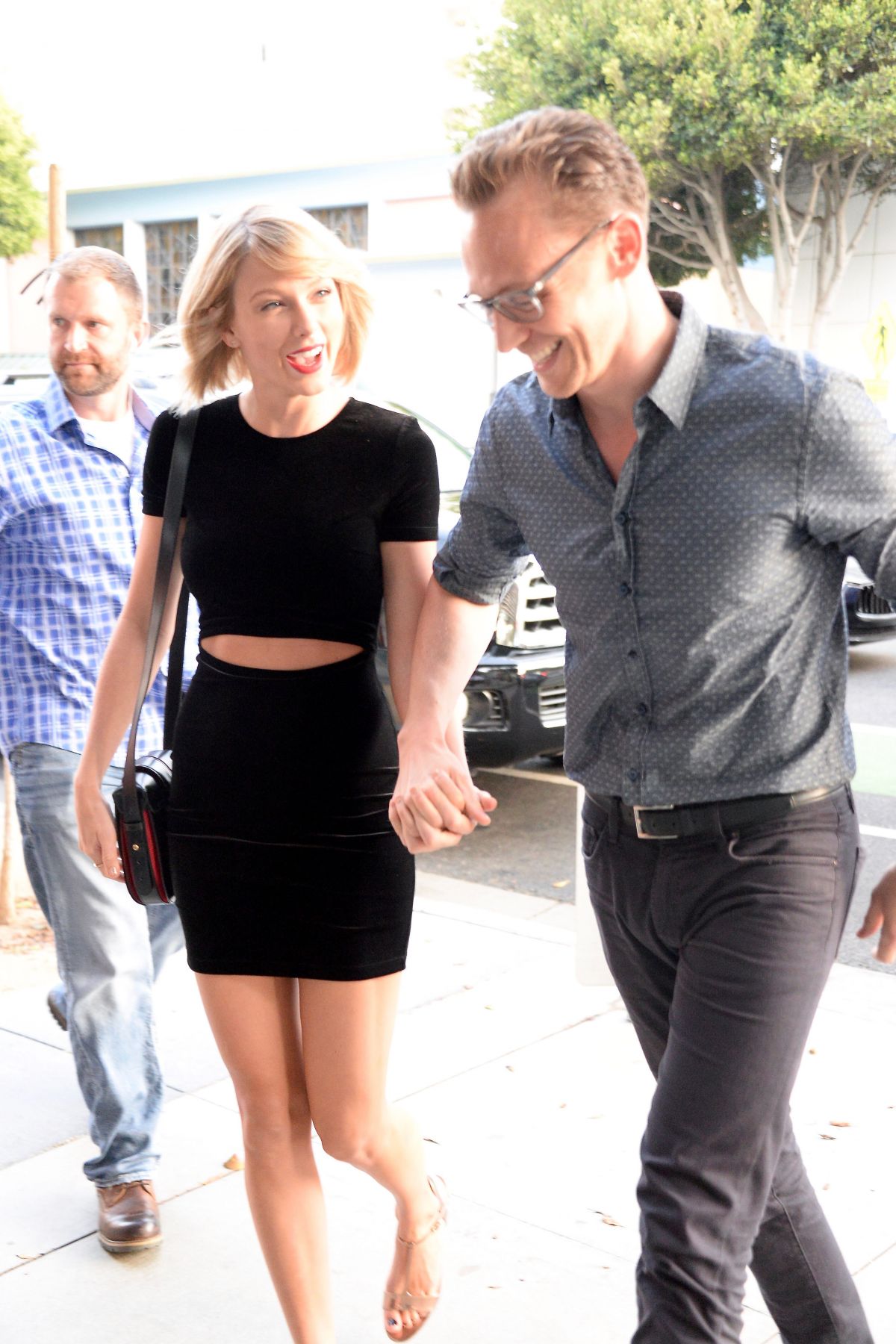
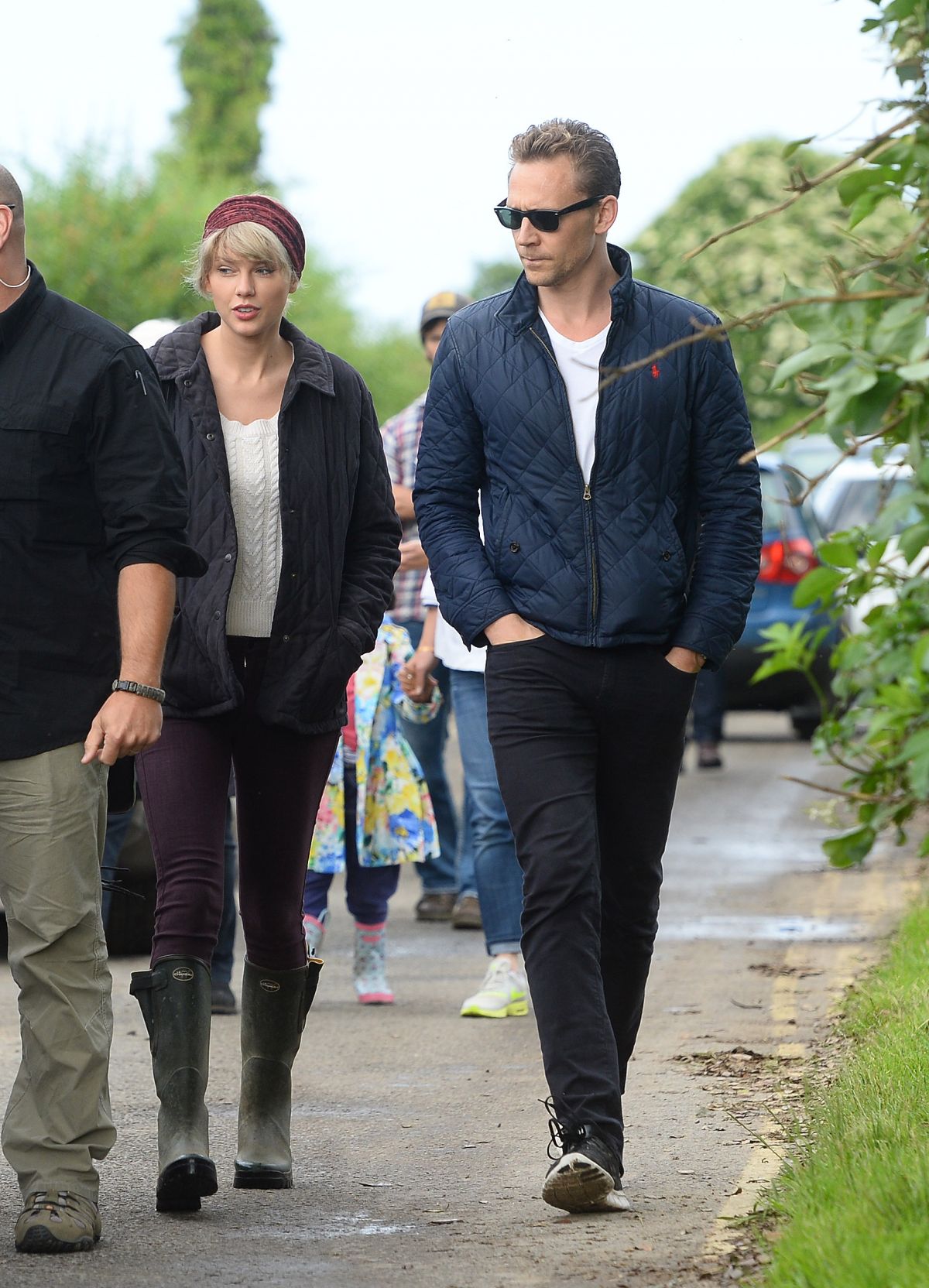
The public relationship between Taylor Swift and Tom Hiddleston, which spanned the summer of 2016, remains a notable case study in celebrity media coverage and the intersection of personal branding with high-profile public appearances. Characterized by frequent sightings and intense global attention, their interaction at the 2016 Met Gala and subsequent travel established a media narrative that shaped the discourse around celebrity privacy and publicity during that era.
The 2016 Met Gala as a Cultural Catalyst
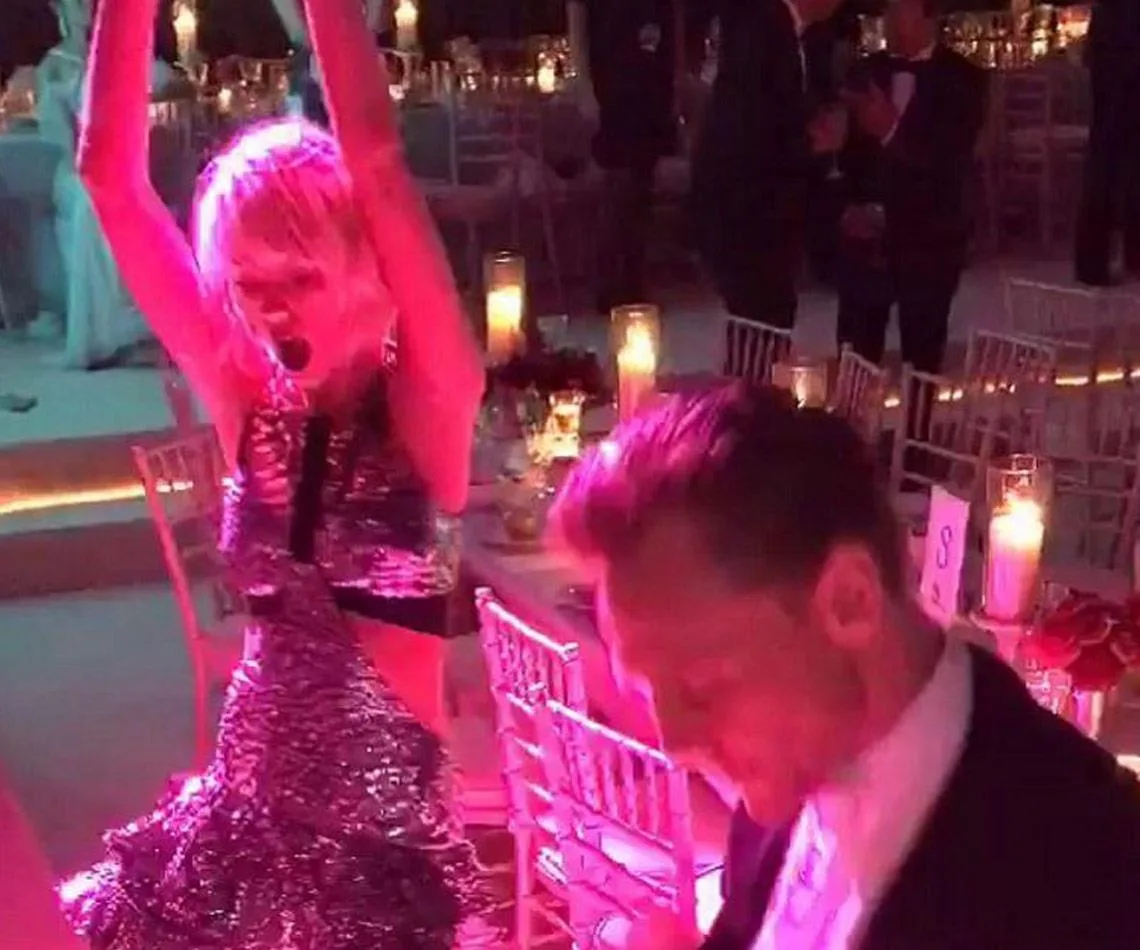
The most cited instance of the pair’s interaction occurred at the 2016 Met Gala, held at the Metropolitan Museum of Art in New York City. At the time, Swift was a co-chair of the event. A video of Swift and Hiddleston dancing together at the gala went viral, serving as a primary point of interest for entertainment news outlets.
From an analytical perspective, this moment functioned as the public inception of their dynamic. In the context of the event’s "Manus x Machina: Fashion in an Age of Technology" theme, the interaction was widely dissected by fashion and entertainment publications. Because the event was a high-security, invitation-only gala, the availability of amateur footage—specifically the video of them dancing—provided the public with a perceived "behind-the-scenes" look that usually remains shielded from mainstream coverage. This set a precedent for the subsequent months, where their public appearances were frequently documented by paparazzi and social media users, transforming mundane events into significant media stories.
Analyzing the Media Coverage Lifecycle
The media cycle following the Met Gala was characterized by a rapid transition from entertainment journalism to mainstream cultural discourse. Throughout the summer of 2016, the pair engaged in several highly visible public appearances, including travel to locations in the United Kingdom, Italy, and Australia.
Media coverage during this period can be broken down into three distinct phases:
- The Speculative Phase: Initial coverage focused on the veracity of the relationship, fueled by the Met Gala appearance.
- The High-Visibility Phase: This involved consistent documentation of their travel and public outings. The frequency of these reports led to questions regarding the nature of celebrity publicity and the extent to which public figures manage their own media narrative.
- The Interpretive Phase: As the relationship concluded, the media focused on the "Hiddleswift" phenomenon as a reflection of how the public consumes celebrity narratives. The coverage shifted from "what they did" to "what it meant" for the celebrity landscape.
This evolution illustrates the "celebrity news cycle," where public figures’ movements are categorized as significant events, often necessitating a response from their respective public relations teams to manage the influx of information.
Comparison of Media Documentation Trends
The following table highlights the nature of public appearances and the corresponding media response style observed during the 2016 period.
| Type of Appearance | Nature of Coverage | Primary Media Channel |
|---|---|---|
| Gala/Formal Event | Speculative & Aesthetic | Print & Social Media |
| International Travel | Investigative & Paparazzi | Tabloid/Entertainment |
| Public Outings/Dinners | Lifestyle & Brand Analysis | Digital News Aggregators |
| Professional Appearances | Industry-Focused | Trade Publications |
The distinction between these categories is important. Whereas formal events were covered for their aesthetic and social value, informal public outings were frequently analyzed through the lens of brand perception. This shift underscored the transition from traditional paparazzi reporting to a digital-first model where every appearance is parsed for potential symbolic meaning.
The Dynamics of Public Visibility
The visibility of Taylor Swift and Tom Hiddleston raised ongoing discussions regarding the "publicness" of celebrity life. For high-profile figures, the decision to appear in public—whether at a high-fashion event or a casual local cafe—is often viewed through the lens of strategic communication.
In 2016, the intensity of this coverage was amplified by the rise of mobile-first social media reporting. Unlike previous decades where celebrity coverage was largely restricted to monthly magazines or structured press releases, the mid-2010s saw the emergence of "real-time" reporting. Every public interaction was subjected to immediate online scrutiny, which in turn changed how celebrities navigated their public appearances. Maintaining privacy while remaining active in public spaces became a primary operational challenge for both parties, as any movement became a verifiable data point for media outlets.
Impact on Future Celebrity Media Relations
The media coverage surrounding this period served as a turning point for how public figures approach digital exposure. The backlash and intense scrutiny that followed many of the pair’s public appearances highlighted the risks associated with excessive visibility. Consequently, many celebrities in the years since 2016 have adopted more cautious strategies regarding their public interactions, often opting to shield private life from public view to maintain control over their professional branding.
For media outlets, the lesson was equally impactful. The demand for granular details regarding every public move shifted the revenue models for many entertainment websites, incentivizing the production of high-frequency, low-latency content. This environment necessitated a more rigorous verification process for editors, as the speed of reporting often outpaced the verification of the events themselves.
Frequently Asked Questions
What was the specific significance of the 2016 Met Gala dance?
The dance between Taylor Swift and Tom Hiddleston acted as a cultural catalyst. It was the first widely circulated, non-posed interaction that confirmed a shift in their professional relationship for the general public, triggering a wave of speculative news cycles.
How did the media verify their appearances during this time?
Media verification relied on a combination of professional paparazzi photography, eyewitness reports from social media, and, in rare instances, official statements from publicists. Because they were often in public spaces, visual confirmation was the standard requirement for reporting.
Why is this period considered a shift in celebrity media coverage?
It marked a transition toward "real-time" celebrity surveillance where the public expected instantaneous updates on public figures. This shifted the burden of proof for news outlets and altered how celebrities managed their public image in the digital age.
How do publicists manage high-profile appearances today?
Following the trends established in the mid-2010s, publicists now prioritize "curated visibility." This involves balancing professional necessity (attending events) with strict boundary setting to prevent the exhaustion of the celebrity’s personal brand through excessive, unmanaged coverage.
Recommended Next Actions for Media Analysts
To further understand the trajectory of celebrity media coverage, observers should focus on the transition from traditional press-release-based news to modern social-monitoring journalism. Analyzing how digital archives document these events provides a clearer picture of how public opinion is manufactured and sustained. Readers interested in the history of this era should cross-reference verified tabloid reports with official event logs from 2016 to differentiate between genuine documentation and speculative narrative building.