Memorializing a deceased father through body art is a profound personal journey that combines grief, remembrance, and artistic expression. As the cultural acceptance of commemorative tattoos continues to evolve in 2026, more individuals are turning to permanent ink to honor their late fathers, transforming personal loss into a lasting visual tribute. This comprehensive guide explores how to conceptualize a memorial piece, choose the right style and placement, collaborate with a professional artist, and care for your skin during the healing process.
Understanding the Emotional and Symbolic Weight of Memorial Body Art
Choosing to get a tattoo after a father passes away serves as a physical anchor for emotional processing. Unlike temporary memorials, a tattoo becomes a permanent part of your physical self, symbolizing that while your father is gone, his influence remains embedded in your life.
When beginning the design process, it is essential to look beyond cliché imagery and focus on personal resonance. A successful memorial design captures the essence of your relationship, his personality, his passions, or the specific memories you shared. Whether you prefer minimalist line work or elaborate hyper-realism, the primary goal is emotional authenticity.
Common Conceptual Frameworks for Father Memorials
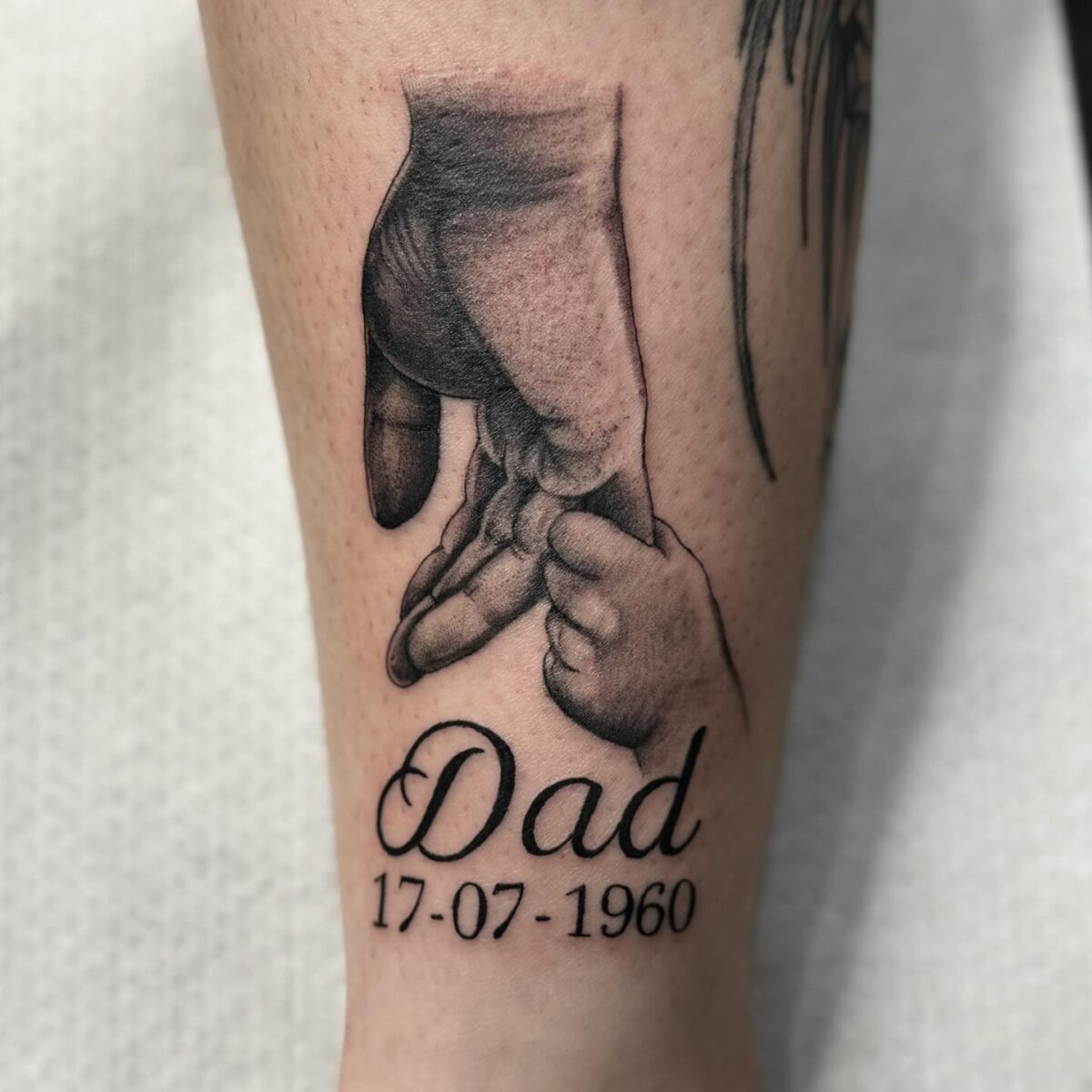
- Direct Portraiture and Likeness: Realistic portraits or silhouette outlines based on cherished photographs from his youth or later years.
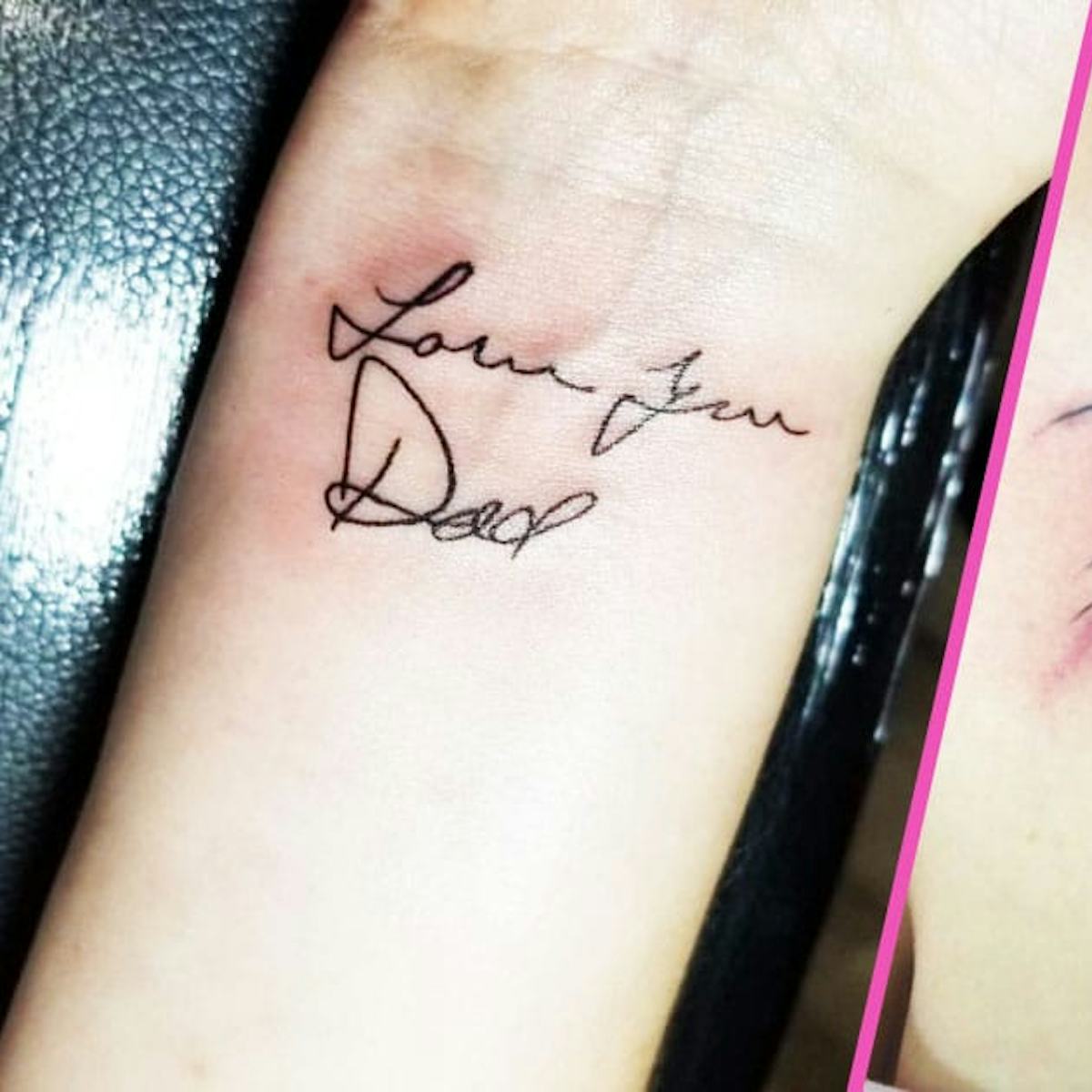
- Handwriting and Signature Preservation: Lifting actual handwriting from greeting cards, legal documents, or notes to replicate his authentic script.
- Hobby and Profession Symbols: Incorporating tools, musical instruments, favorite fishing lures, or classic car models that defined his daily life.
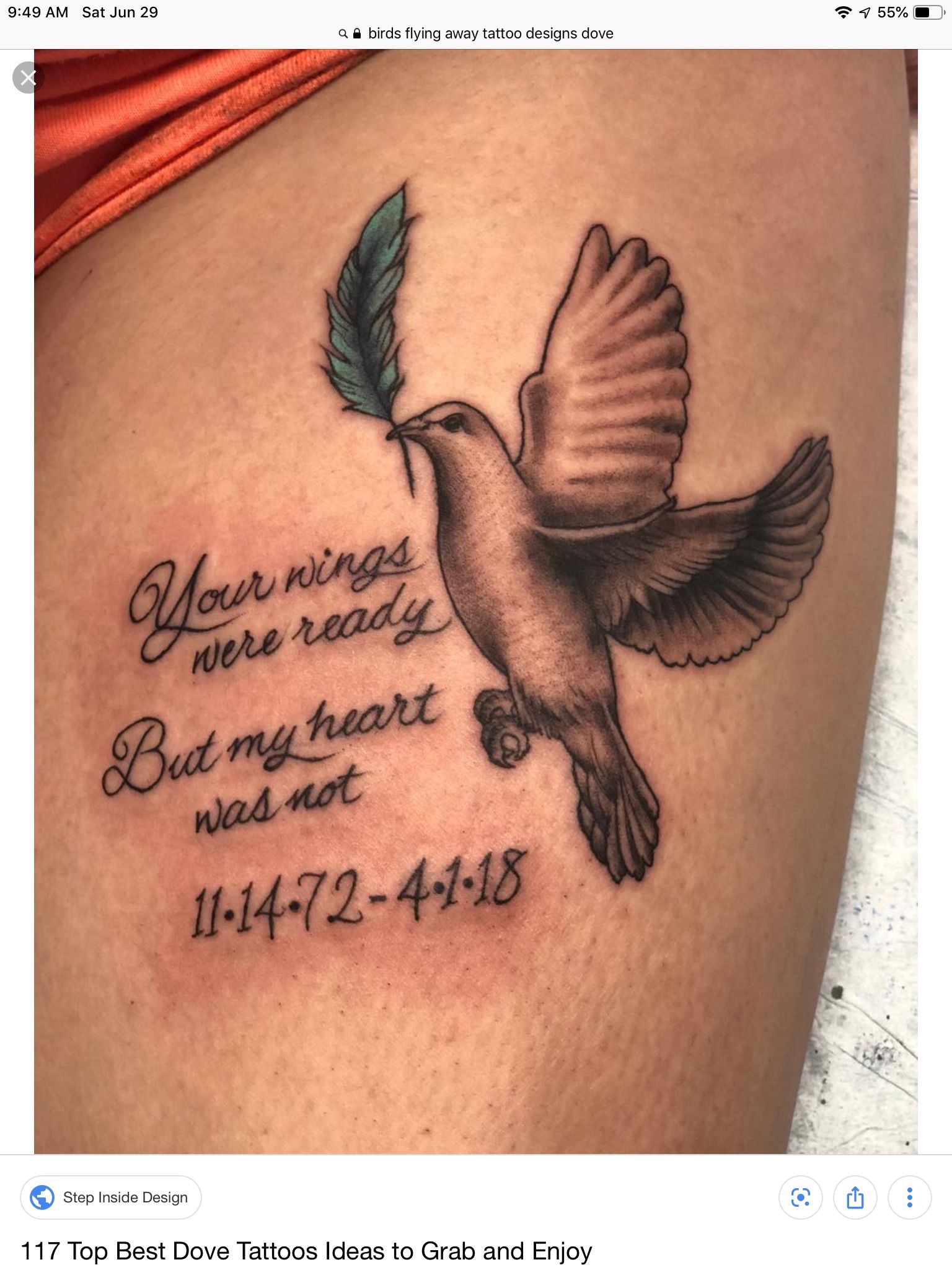
- Nature and Animal Metaphors: Using elements like soaring eagles, deep-rooted oak trees, compasses, or specific constellations to represent guidance and protection.
Selecting the Ideal Style and Technical Approach
The longevity and aesthetic success of a memorial tattoo depend heavily on choosing an artistic style that matches your vision and skin type. Tattoo artistry has advanced significantly, offering diverse techniques tailored to capture subtle emotional nuances.
| Tattoo Style | Best Suited For | Maintenance Requirements | | :--- | :--- | :--- | | **Fine Line / Micro-Realism** | Delicate handwriting, subtle flora, minimalist portraits | High (may require touch-ups over time due to fine needles) | | **Traditional / Neo-Traditional** | Bold anchors, nautical themes, vibrant commemorative banners | Low to Moderate (thick outlines hold ink exceptionally well) | | **Black and Grey Realism** | Detailed portraits, lifelike objects, dramatic shadow play | Moderate (requires sun protection to preserve mid-tones) | | **Abstract / Watercolor** | Emotional splashes of color, non-traditional symbolic shapes | Moderate (colors can fade faster with excessive UV exposure) | > **Technical Selection Note:** Always consult with a specialist artist whose portfolio demonstrates proven expertise in the specific style you select, particularly when attempting portrait work or delicate handwriting replication.
Collaborating with a Professional Tattoo Artist
Translating grief into a permanent visual medium requires clear communication and deep trust between you and your tattoo artist. Preparing for the consultation involves gathering all relevant reference materials, such as clear photographs, old letters, and specific objects that represent your father.
Steps to Prepare for Your Design Consultation
- Gather High-Resolution References: Provide multiple clear photos if you are requesting a portrait, or high-scan images of his handwriting to ensure the artist captures every authentic stroke and serif.
- Define Your Placement Goals: Consider whether you want the tattoo to be visible to you throughout the day for comfort, or tucked away in a private location for personal reflection.
- Discuss Aging and Skin Mechanics: Ask your artist how the design will age over the next decade, especially if you choose fine-line script or highly detailed micro-realism on areas prone to stretching.
- Establish the Emotional Tone: Share brief context about your father with the artist. Understanding who he was helps the creator infuse the right energy and respect into the final stencil.
Strategic Placement Options and Ergonomic Considerations
Where you place your memorial tattoo often depends on the type of interaction you want to have with the memory. Some prefer locations that offer daily visual comfort, while others choose discreet spots for intimate remembrance.
- Inner Forearm or Wrist: Excellent for handwriting scripts or small minimalist symbols, allowing you to glance down and see his words whenever you need grounding.
- Left Chest (Over the Heart): A traditional and deeply symbolic placement for portraits, lockets, or significant dates, keeping his memory physically close to your heartbeat.
- Upper Back or Shoulder Blade: Ideal for large-scale commemorative pieces, offering a wide canvas for elaborate scenery, portraits, or wildlife symbolism.
- Ribcage or Torso: Suited for deeply personal phrases or private tributes that you prefer to keep covered during everyday social interactions.
Comparing Commemorative Options: Tattoos vs. Traditional Memorials
Deciding how to honor a deceased parent involves weighing various memorial mediums. The table below compares tattoos against other common forms of remembrance.
| Memorial Medium | Permanence | Personalization | Financial Investment | Emotional Impact |
|---|---|---|---|---|
| Memorial Tattoo | Permanent (Lifetime) | Extremely High | Moderate to High (One-time) | High (Physical integration of grief) |
| Custom Urn / Jewelry | Permanent | Moderate | Moderate to High | High (Carried or displayed at home) |
| Memorial Tree Planting | Long-term (Decades) | Moderate | Low to Moderate | Moderate (Symbol of growing life) |
| Charitable Donation in His Name | Temporary to Permanent | Low to Moderate | Flexible | Moderate (Legacy-focused) |
Decision Framework: Many individuals choose to combine a memorial tattoo with another tribute, such as wearing a piece of jewelry containing a portion of ashes alongside their new ink.
Professional Aftercare and Healing Guidelines
Proper aftercare is non-negotiable for ensuring your memorial tattoo heals cleanly without ink loss, blurring, or infection. Because grief can sometimes drain your physical energy, make sure to prioritize self-care while your skin heals.
- Keep It Clean: Wash the tattoo gently with lukewarm water and mild, unscented antibacterial soap 2 to 3 times daily during the initial healing phase.
- Moisturize Sparingly: Apply a thin layer of recommended tattoo ointment or fragrance-free lotion to keep the skin hydrated without suffocating the fresh ink.
- Avoid Submersion: Refrain from soaking the tattoo in bathtubs, swimming pools, or natural bodies of water for at least three to four weeks.
- Protect from UV Rays: Once healed, always apply high-SPF sunscreen to prevent fading, keeping the lines sharp and the contrast vibrant for years to come.
Frequently Asked Questions
What are the best ideas for a tattoo when a father dies?
Popular ideas include his actual handwriting lifted from a greeting card, a minimalist portrait, a hobby-related symbol like fishing gear or a vintage tool, or his birth and passing dates paired with a meaningful floral element. The best concept is one that directly reflects your unique bond and personal memories with him.
How can I use my father's actual handwriting for a tattoo?
Scan or take a high-resolution photograph of your father's handwriting from a card, letter, or legal document and bring it directly to your tattoo artist. Skilled artists can use stencils to trace his exact letters, preserving every unique loop, slant, and imperfection for an authentic look.
Where is the best place to put a memorial tattoo for a parent?
The best placement depends on whether you want a private or visible tribute; the inner wrist and forearm allow you to see the tattoo easily for comfort, while the chest over the heart or the shoulder blade offers a more traditional and intimate setting.
Does getting a memorial tattoo help with the grieving process?
Many people find that the ritual of planning, sitting for, and caring for a memorial tattoo provides a healthy psychological outlet during bereavement. It creates a tangible focal point for honoring love, processing loss, and carrying their memory forward into the future.
How long does a memorial tattoo take to heal completely?
The surface skin typically heals within two to three weeks, but the deeper layers of skin can take up to six to eight weeks to fully regenerate. Following your artist's specific aftercare instructions during this window is vital to ensure the longevity of the artwork.
Can I include ashes in my father's memorial tattoo?
While specialized memorial tattoo inks infused with cremated ashes exist, many professional studios and health experts advise against direct ink-ash mixtures due to potential skin irritation and regulatory uncertainties. Instead, many choose traditional high-quality ink while keeping the ashes safely preserved in a commemorative pendant or urn.
Honor your father's lasting legacy by taking your time with the design phase, consulting with an experienced professional artist, and committing to proper aftercare to ensure your tribute remains vibrant and meaningful for a lifetime.