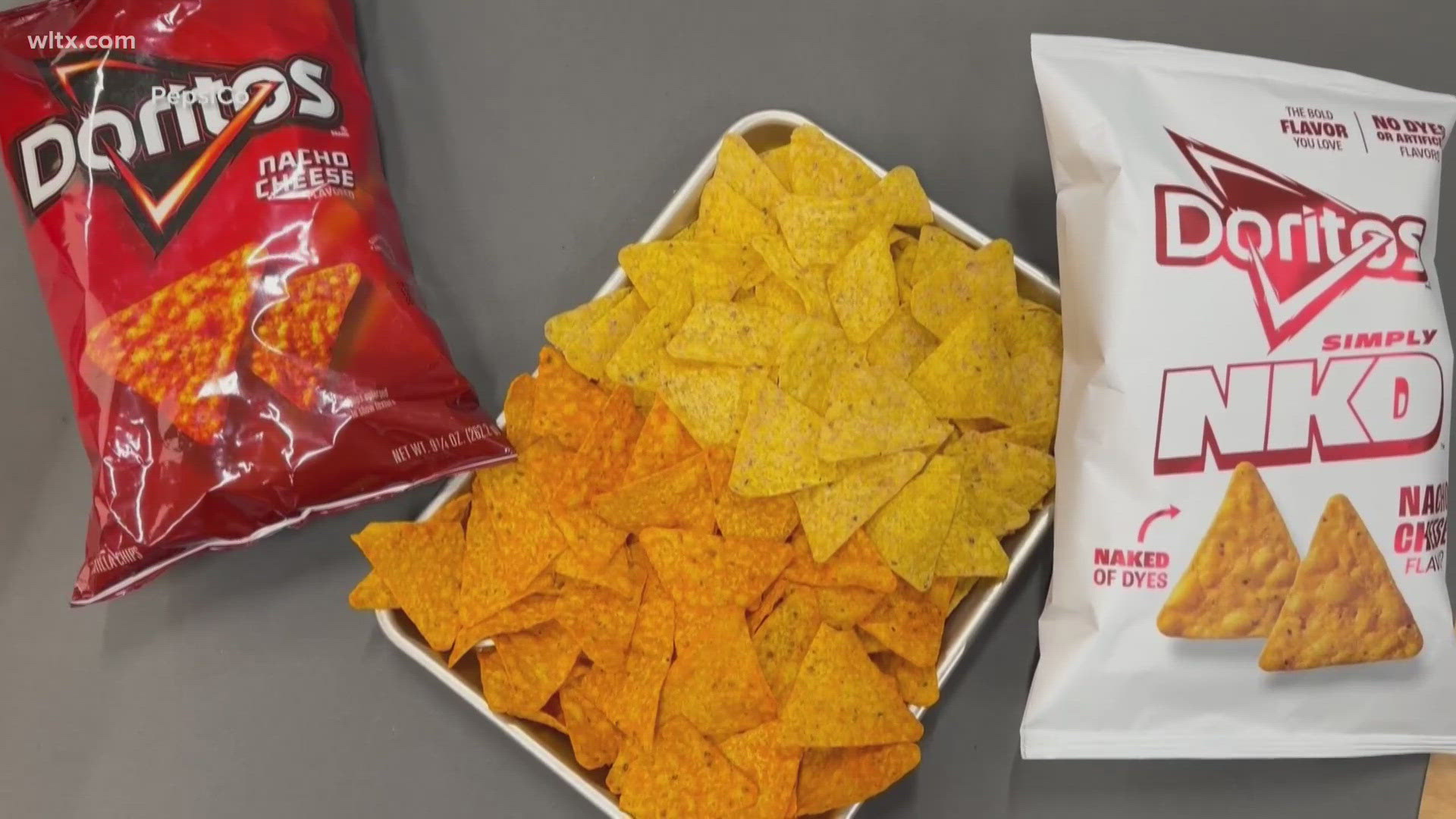
As of 2026, the transition of the Doritos product line to a dye-free formulation has moved from a niche "organic" alternative to a standard practice for several of its most popular flavors. Frito-Lay has largely replaced synthetic colorants like Red 40, Yellow 5, and Yellow 6 with natural alternatives such as paprika extract, turmeric, and beet juice in response to both consumer demand and tightening state regulations. This shift ensures that the iconic snack maintains its visual identity while adhering to modern "clean label" standards across the North American market.
For decades, the vibrant neon orange of Nacho Cheese and the bold red accents of various spicy flavors were synonymous with the Doritos brand. However, the landscape of the snack food industry has undergone a radical transformation. This status clarifier outlines the current availability, ingredient changes, and regulatory context of the dye-free Doritos transition as it stands in 2026.
The Evolution of the Dye-Free Initiative
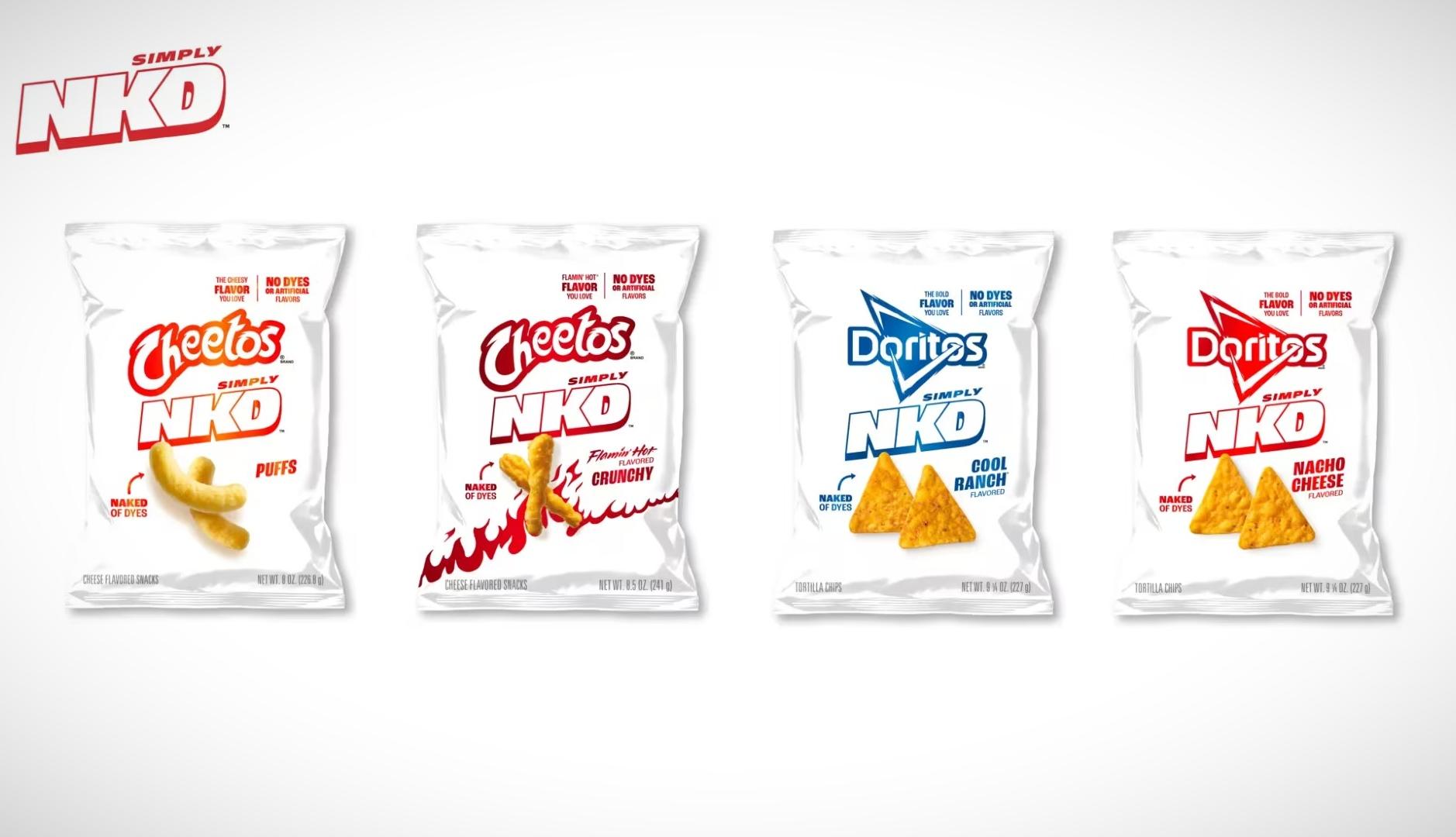
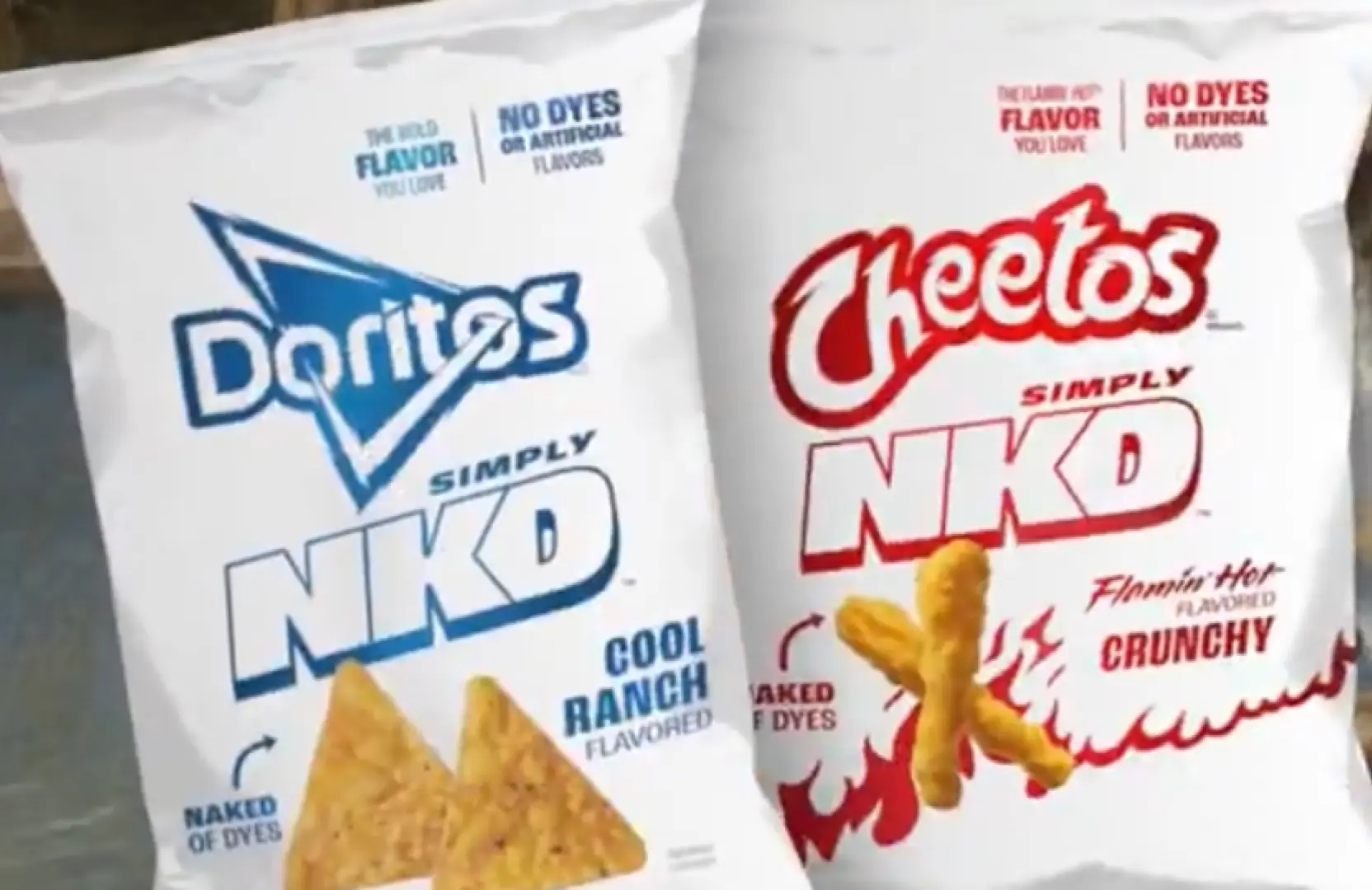
The movement toward dye-free Doritos began in earnest as a response to the growing "Clean Label" movement of the early 2020s. Initially, Frito-Lay addressed this demand through the "Simply" line—a sub-brand that used organic corn and avoided all synthetic ingredients. However, the high price point and limited distribution of the Simply line meant that the vast majority of consumers were still consuming synthetic dyes.
Between 2024 and 2025, Frito-Lay initiated a massive logistical overhaul of its core product line. The primary goal was to remove artificial colors from the standard "Red Bag" Nacho Cheese and "Blue Bag" Cool Ranch varieties without altering the flavor profile that consumers have expected since the brand's inception in 1964. By 2026, this transition has been largely completed for the flagship products in the United States and Canada, following similar successful transitions in the European Union market where such dyes have long required warning labels.
This change was not merely a marketing choice; it was a strategic necessity. With several states introducing legislation to ban certain food additives, the manufacturer chose to unify its formula to ensure nationwide distribution remained seamless. This "one-formula" approach allows for greater supply chain efficiency and avoids the need for regional-specific packaging regarding ingredient warnings.
Identifying the New Formula: Ingredient Breakdown
To understand the "new" Doritos, one must look closely at the ingredient deck. The primary concern for many consumers is the removal of the "Big Three" synthetic dyes: Red 40 (Allura Red AC), Yellow 5 (Tartrazine), and Yellow 6 (Sunset Yellow FCF). These petroleum-derived colorants were prized for their stability and brightness but have been the subject of intense scrutiny regarding their impact on child behavior and general health.
In the 2026 dye-free formulations, Frito-Lay utilizes a sophisticated blend of botanical extracts to replicate the classic Doritos glow. The following ingredients are now the standard for color:
- Paprika Extract (Capsanthin): This is the workhorse of the new Nacho Cheese formula. It provides the deep orange-red hue and contributes a very mild, smoky undertone that complements the existing spice blend.
- Annatto: Derived from the seeds of the achiote tree, annatto provides a yellow-orange tint that has been used in cheesemaking for centuries. It is the primary replacement for Yellow 5 and Yellow 6 in the cheese seasoning.
- Turmeric: Used sparingly to avoid its potent flavor, turmeric provides the bright yellow highlights necessary to give the chips their multi-dimensional look.
- Beet Juice/Radish Extract: These are frequently used in the "Flamin' Hot" varieties to achieve the intense crimson color that was previously dependent on high concentrations of Red 40.
While the coloring agents have changed, the base ingredients—corn, vegetable oil (corn, canola, and/or sunflower oil), and the proprietary spice blends—remain largely unchanged. This preservation of the base formula is why most consumers report no discernable difference in taste.
Regulatory Drivers and the California Food Safety Act
The shift toward dye-free snacks was accelerated significantly by the California Food Safety Act, which set a precedent for state-level regulation of food additives. Although the initial bill focused on additives like Brominated Vegetable Oil and Red Dye No. 3, it opened the floodgates for further scrutiny of all synthetic dyes.
In 2026, the regulatory environment is characterized by a "de facto" national standard set by the most restrictive states. Rather than manufacturing a "dye-version" for some states and a "clean-version" for others, PepsiCo (Frito-Lay's parent company) opted for a universal rollout. This decision was influenced by the Center for Science in the Public Interest (CSPI), which has long advocated for the removal of synthetic dyes due to their link to hyperactivity in sensitive children.
Furthermore, the U.S. Food and Drug Administration (FDA) has faced increasing pressure to re-evaluate the "Generally Recognized as Safe" (GRAS) status of synthetic dyes. While the FDA maintains that these dyes are safe for the general population, the snack industry has moved proactively to avoid potential future labeling requirements similar to those in the UK, where foods containing certain dyes must state: "May have an adverse effect on activity and attention in children."
Taste, Texture, and Consumer Feedback
A common concern when a major food brand changes its formula is the "New Coke" effect—the fear that the product will lose its essential character. However, colorants are generally flavor-neutral in the small quantities required for snacks. The technical challenge for Frito-Lay's food scientists was not the taste, but the visual psychology of the chip.
In the early stages of the dye-free rollout, some consumers noted that the chips looked "duller" or more "natural." By 2026, extraction technology has improved to the point where the difference is nearly imperceptible to the naked eye under standard grocery store lighting. The texture remains the same crunchy, toasted corn base that has defined the brand for sixty years.
Feedback from consumer focus groups in 2026 indicates a high level of acceptance. Most parents express relief that they no longer have to choose between a beloved snack and a desire to avoid synthetic additives. The "nacho dust" still clings to the fingers, though the resulting stain is often easier to wash off, as natural pigments like paprika don't bind to skin proteins as aggressively as synthetic Red 40.
Comparison of Original vs. 2026 Dye-Free Formulations
The following table compares the key components of the classic Nacho Cheese Doritos (pre-transition) with the standard 2026 dye-free version found on shelves today.
| Feature | Original Formula (Pre-Transition) | Dye-Free Formula (2026 Standard) |
|---|---|---|
| Primary Colorants | Red 40, Yellow 5, Yellow 6 | Paprika Extract, Annatto, Turmeric |
| Visual Appearance | Fluorescent, uniform neon orange | Warm, multi-tonal earthy orange |
| Flavor Profile | Sharp cheddar, garlic, onion | Sharp cheddar, garlic, onion (No change) |
| Staining Potential | High (synthetic dyes bind to surfaces) | Moderate (natural oils may still stain) |
| Regulatory Status | Allowed (with warnings in some regions) | Universally compliant (Global standard) |
| Price Point | Standard MSRP | Standard MSRP (Price parity achieved) |
| Packaging Label | "Artificial Colors" listed | "Colors from Natural Sources" |
How to Verify Dye-Free Status in Store
Despite the broad transition, consumers should still know how to verify the status of a specific bag, as older inventory or specialized international imports may still contain legacy ingredients. As of 2026, Frito-Lay has adopted a clearer labeling system to help shoppers make informed choices.
- Check the "No Artificial Colors" Seal: Most new production runs feature a small circular icon on the front or back of the bag indicating that no synthetic dyes were used.
- Read the End of the Ingredient List: Synthetic dyes are always listed by their specific name and number (e.g., "Red 40 Lake"). In the dye-free version, you will see "Extractives of Paprika" or "Annatto" instead.
- Identify the Line: If you are in a region where the transition is still ongoing, look for the "Simply" brand or the "Organic" line, which are guaranteed to be dye-free regardless of the core product status.
- Batch Date Recognition: For standard Nacho Cheese bags, any product manufactured after the third quarter of 2025 is almost certainly part of the dye-free rollout.
Frequently Asked Questions
Are all Doritos flavors now dye-free in 2026?
The core flavors, including Nacho Cheese, Cool Ranch, and Spicy Sweet Chili, have fully transitioned to dye-free formulas. Some limited-edition promotional flavors or "extreme" spicy variants may still use synthetic dyes in specific international markets, but the mainstream North American lineup is now dye-free.
Does the removal of dye change the calorie count or nutrition?
No, the removal of synthetic dyes does not materially change the caloric, fat, or sodium content of the chips. The natural extracts used for coloring are present in such minute quantities that they do not add nutritional value or calories.
Is the "Simply Doritos" line still available?
Yes, the "Simply" line continues to exist as a premium option. While the core Doritos are now dye-free, the Simply line goes further by using organic corn and avoiding other non-organic additives, appealing to a more health-conscious demographic.
Are these chips safer for children with ADHD?
Many parents and some researchers, such as those associated with the Feingold Association, suggest that removing synthetic dyes can help manage hyperactivity in sensitive children. While the 2026 dye-free chips eliminate these specific triggers, parents should still consider the high sodium and processed nature of the snack.
Why do some chips still look very red if there is no Red 40?
Advances in botanical extraction allow food scientists to concentrate pigments from radishes, beets, and purple sweet potatoes. These "coloring foods" provide an intense red hue that rivals synthetic dyes without the associated regulatory baggage.
Are natural dyes more expensive for the consumer?
Initially, natural colorants were more expensive to source and stabilize. However, by 2026, the scale of production for Frito-Lay has allowed them to reach price parity. The cost of a bag of dye-free Doritos is consistent with the historical pricing of the original formula, adjusted for general inflation.
Final Guidance for Consumers
The transition to dye-free Doritos represents a significant milestone in the snack food industry's response to health concerns and regulatory shifts. For the average consumer in 2026, this means that the "Standard Red Bag" is now a "Clean Label" product by historical standards.
If you are a consumer who previously avoided Doritos due to synthetic dye sensitivity, you can now return to the brand with greater confidence. However, it is always recommended to perform a quick scan of the ingredient list on the back of the bag, particularly when purchasing from non-traditional retailers or "clearance" outlets that might stock older inventory. For those in California or New York, the local mandates ensure that the products on your shelves are among the first to have met these rigorous dye-free standards. Moving forward, the industry trend suggests that synthetic dyes will soon be the exception rather than the rule in the global snack market.