Finding and publishing notices in New Jersey's prominent publication requires an understanding of digital archives, submission portals, and verification standards. The Star Ledger remains a cornerstone of local record-keeping, community history, and family announcements throughout Essex County and the greater Newark metropolitan area. Whether you are researching historical records from decades past or seeking to honor a recently departed loved one in 2026, understanding the mechanics of these notices ensures accurate documentation and seamless archiving.
Evolution of Memorial Notices and Digital Archives in 2026
The methodology for publishing and searching memorial notices has transitioned from traditional print-only layouts to integrated digital ecosystems. The Star Ledger operates primarily through modern syndication networks, partnering with platforms like Legacy.com to host expansive searchable databases.
- Digital Permanence: Online listings now feature permanent guestbooks, photo galleries, and social media integration, allowing distant relatives to pay respects.
- Indexed Searchability: Advanced search filters allow users to sort records by publication date, maiden name, county of residence, and specific keywords.
- Cross-Platform Syndication: Notices submitted to the publication often automatically populate regional digital hubs, maximizing reach across New Jersey communities.
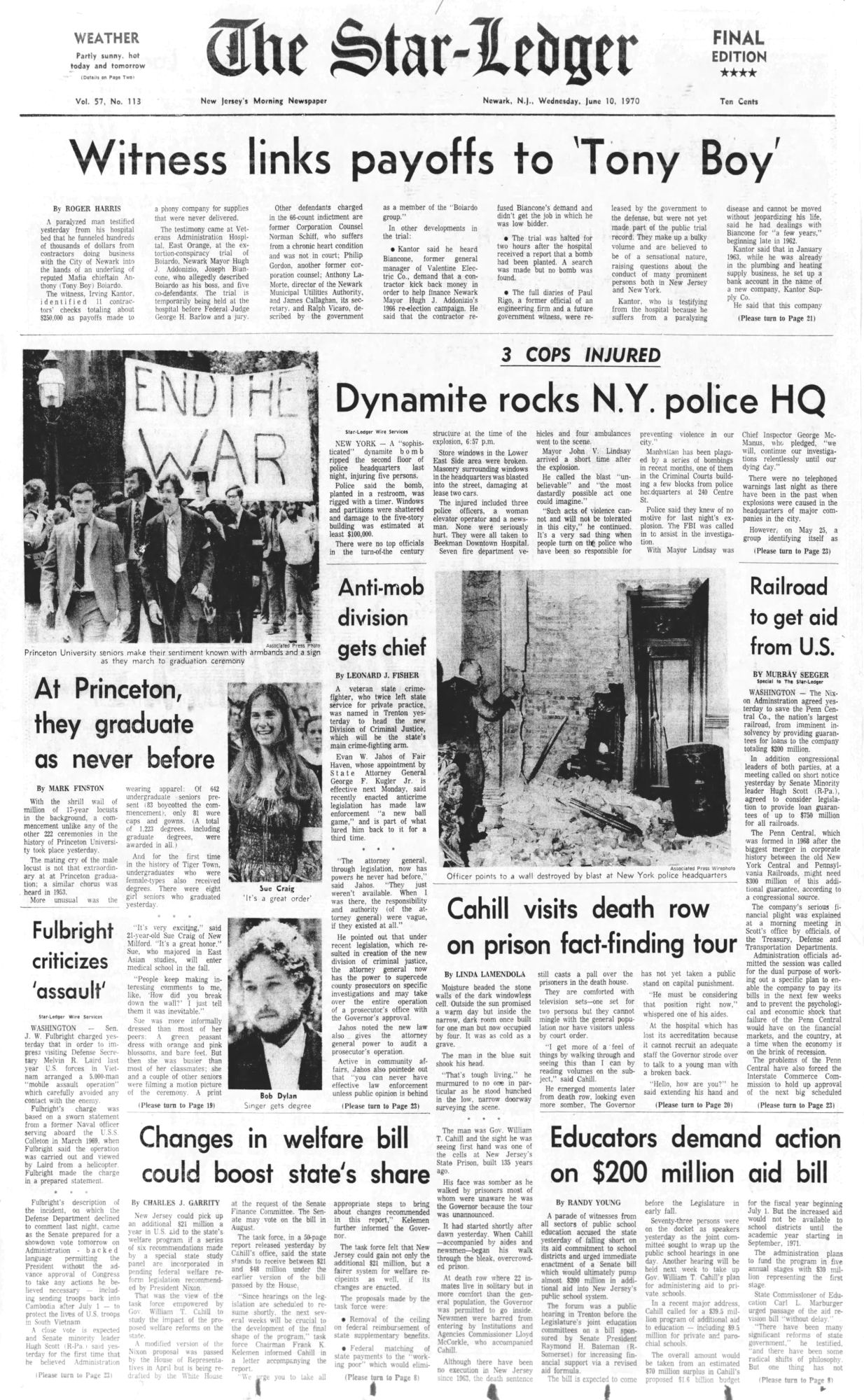
Archival Continuity Note Historical records predating the digital shift require specialized microfilm or digitized library archives housed within regional institutions such as the Newark Public Library or the New Jersey State Library, ensuring that genealogical research remains uninterrupted regardless of the publication year.
Step-by-Step Submission Guide for Families and Funeral Directors
Submitting a notice requires adherence to specific formatting guidelines, verification protocols, and submission deadlines. Ensuring accuracy during the drafting phase prevents costly typographical errors in vital historical records.
- Coordinate with Your Funeral Director: Most funeral homes maintain direct enterprise portals with the publication, streamlining the drafting, verification, and payment processes on behalf of the family.
- Draft the Notice Content: Clearly state the full legal name, age, city of residence, date of passing, and immediate surviving family members. Avoid vague descriptions and double-check all biographical dates.
- Select Formatting and Visual Elements: Decide whether to include a standard text block, an enhanced display with a photograph, or a multi-day run schedule. Standardize image resolution to at least 300 DPI for print clarity.
- Specify Service Details: Provide exact times, venue names, full street addresses for visitation, religious ceremonies, and interment or cremation arrangements.
- Review and Approve Proofs: Examine the digital proof sent by the advertising desk. Verify spelling for names of surviving relatives, military units, and charitable organizations designated for memorial contributions.
- Submit and Process Payment: Finalize billing through secure portal links provided by the publication's advertising department prior to the daily cutoff deadline.
Comparative Overview of Notice Formats and Distribution Channels
Choosing the correct format depends on your target audience, budget, and desired longevity in public archives. The following breakdown contrasts standard options available to families and estate executors.
| Notice Tier | Print Placement | Digital Archive Duration | Media Inclusion | Pricing & Verification Level |
|---|---|---|---|---|
| Standard Text Notice | Line-by-line classified format | Standard digital hosting (Legacy.com) | Text only (no photos) | Base cost; verified via funeral home or direct ID. |
| Enhanced Memorial Display | Boxed display with custom layout | Extended digital hosting + guestbook | Single photograph included | Moderate cost; requires high-res image upload. |
| Comprehensive Tribute Package | Multi-day front/regional section | Permanent archive + interactive timeline | Multiple photos + video link | Premium cost; direct editorial assistance provided. |
Navigating Historical Searches and Genealogy Research
Locating older records within the publication's archives involves navigating specific database structures and utilizing precise search modifiers. Genealogists and legal researchers frequently rely on these notices for probate verification, lineage tracking, and historical documentation.
- Utilize Exact String Matching: Enclose full names in quotation marks to narrow down extensive search results when researching common surnames in Essex, Morris, or Union counties.
- Cross-Reference Vital Statistics: Always verify dates found in newspaper records against official New Jersey vital statistics, including state-level birth, marriage, and death registries.
- Leverage Library Subscriptions: Local public libraries and academic institutions across New Jersey often provide free patron access to premium historical newspaper databases that would otherwise require paid individual subscriptions.
Frequently Asked Questions
How do I submit an obituary directly to the publication?
Families can submit notices directly through the online submission portal managed in partnership with Legacy.com, though coordinating through a licensed funeral director is strongly recommended to ensure compliance with formatting and deadline rules. Funeral directors utilize dedicated enterprise software that minimizes errors and expedites publication approvals.
What is the daily submission deadline for publication?
Deadlines typically fall in the afternoon prior to the desired publication date, though exact cutoffs vary depending on whether the notice is scheduled for a weekday or Sunday edition. It is critical to submit drafts early to allow time for editorial review and payment processing.
Can I include a photograph in a digital notice?
Yes, high-resolution photographs are standard options for enhanced notices and can be uploaded directly through the submission portal. Ensure the image is clear, uncompressed, and properly oriented before finalizing the upload.
How do I correct an error in a published notice?
Contact the publication's classified advertising or obituary desk immediately upon discovering an error to discuss correction policies for subsequent editions. While digital updates can often be made instantaneously, print corrections may require a supplementary insertion.
Are historical records from decades past available online?
Many historical records are searchable through digitized newspaper archives, local library microfilm collections, and specialized genealogical websites. If an online record is missing, contacting the local reference library or the publication's archive department can yield physical or digital copies.
What information is legally required in a standard notice?
While there are few strict legal mandates dictating newspaper notice content, standard practice requires the full legal name of the deceased, date of passing, and essential service or memorial information. Families should balance personal privacy with the need to inform acquaintances and creditors.
Conclusion and Next Steps
Publishing or searching for a memorial notice requires careful attention to detail, adherence to established submission workflows, and utilization of official digital platforms. Whether you are preserving a family legacy, conducting genealogical research, or managing estate notifications, leveraging verified channels ensures historical accuracy. For immediate assistance with submissions, consult your local funeral director or access the official digital portal directly to begin drafting your notice.