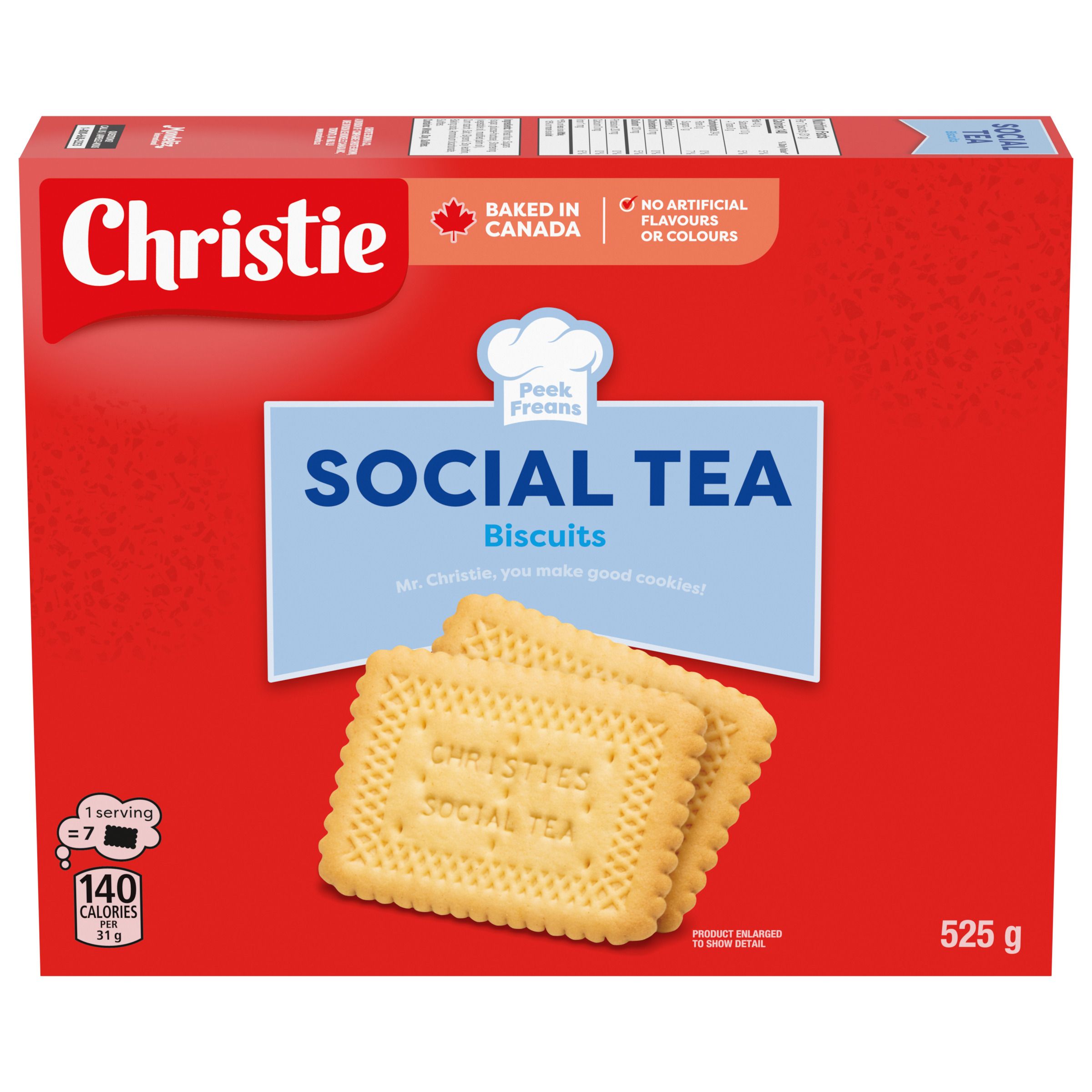
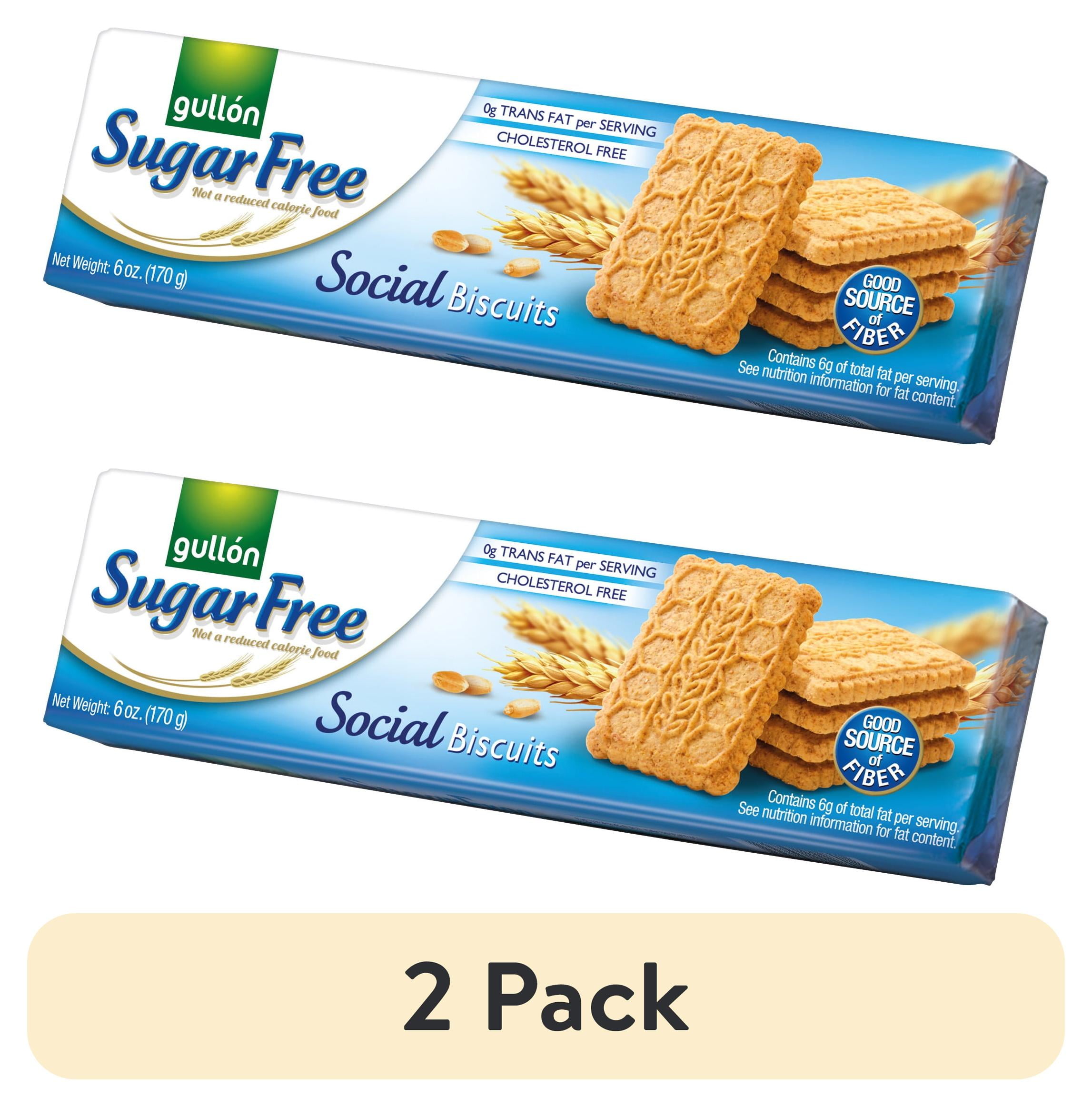
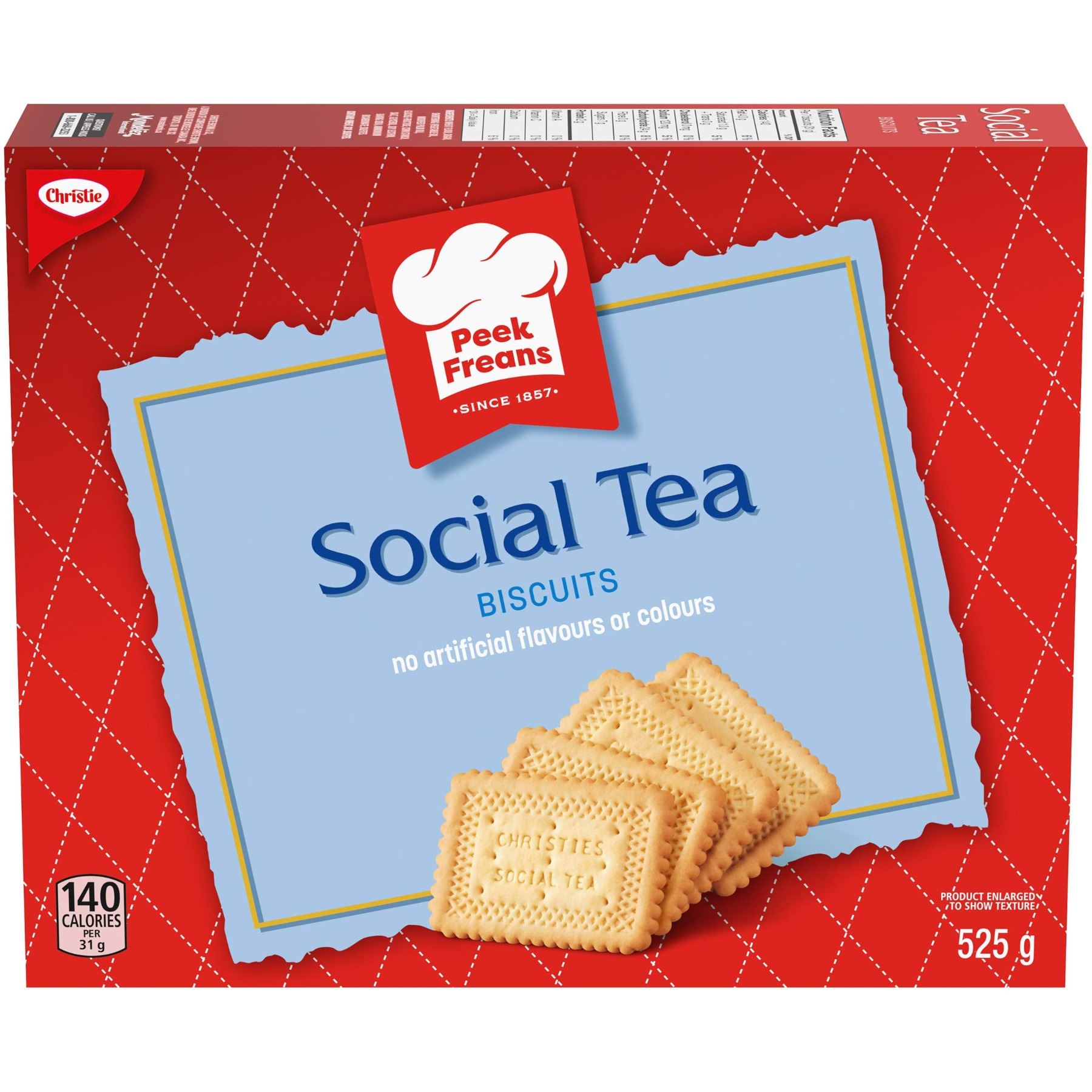
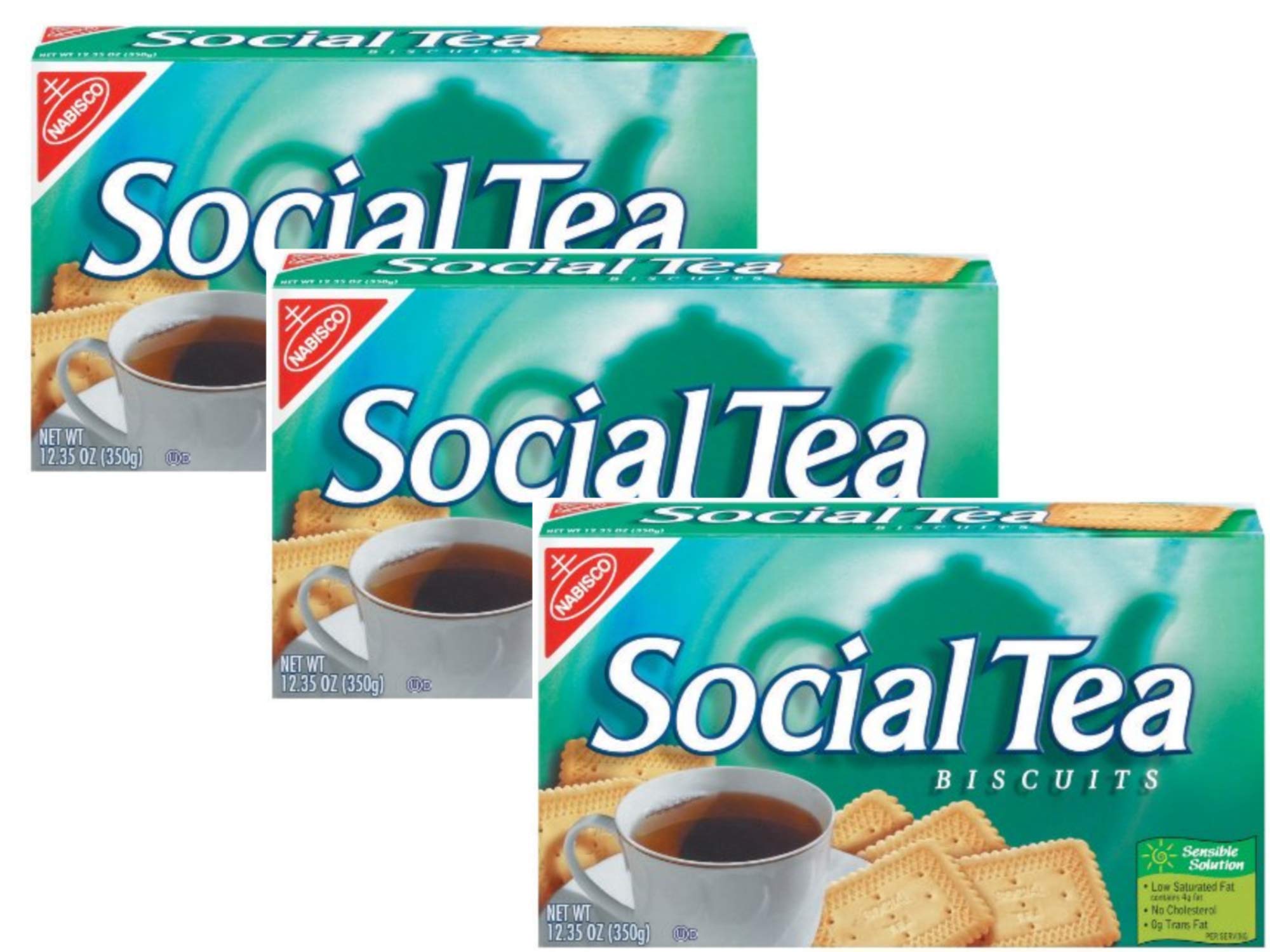
The inquiry regarding the availability of Social Tea biscuits stems from shifting supply chain logistics and corporate consolidation within the snack food industry as of 2026. This article clarifies that while specific legacy brands like Nabisco Social Tea have faced intermittent regional stock shortages and brand portfolio restructuring, the product category remains active under various regional and private-label manufacturers.
The Evolution of the Social Tea Biscuit Market in 2026
The market for Social Tea biscuits has undergone significant transformation over the last eighteen months. As consumer preferences tilt toward cleaner ingredient labels and reduced sugar profiles, major manufacturers have re-evaluated their legacy portfolios. In 2026, the term "discontinued" often refers to a specific stock-keeping unit (SKU) or a change in regional distribution agreements rather than the global cessation of the product.
Large-scale commercial bakeries have prioritized high-velocity snack items, leading to the optimization of production lines. If you are struggling to locate your preferred Social Tea brand at your local grocer, it is likely due to a shift in retail shelf-space allocation rather than an official global discontinuation of the biscuit style itself. Many retailers are currently replacing legacy big-box names with premium, store-branded alternatives that utilize similar, if not identical, proprietary recipes.
Supply Chain Dynamics and Regional Availability
The availability of these biscuits in 2026 is heavily dictated by supply chain regionalization. Major snack conglomerates have moved toward localized distribution hubs to mitigate the transportation costs associated with fragile baked goods.
Supply Chain Factors Affecting Availability
Retailer Strategic Realignments National grocery chains are currently streamlining their inventory to favor brands with higher turnover rates. This often results in the removal of niche legacy products like specific Social Tea variants, even when demand remains steady among loyal demographics.
Production Optimization Protocols Manufacturing plants have transitioned to high-efficiency automated lines in 2026. This technical pivot necessitates the discontinuation of certain packaging formats (such as larger family-size boxes) in favor of standardized, single-serve, or optimized small-format packaging to maximize shipping volume.
Identifying Authentic Substitutes for Discontinued Lines
When a specific brand of Social Tea is no longer available in your region, it is essential to identify products that maintain the integrity of the original formulation. The standard Social Tea profile is defined by a specific wheat-to-sugar ratio and a distinct, light-bodied texture designed for dipping.
The following table compares the structural characteristics of surviving market participants as of Q3 2026.
| Brand Variant | Primary Flour Base | Sugar Density (per 30g) | Texture Profile | Market Status |
|---|---|---|---|---|
| Classic Heritage Social | Enriched Wheat | 5g | Crisp/Light | Limited Distribution |
| Euro-Style Tea Biscuit | Fine Wheat | 4g | Dense/Snap | Widely Available |
| Private Label Premium | Enriched Wheat | 6g | Consistent | Widely Available |
| Artisan Small-Batch | Unbleached Flour | 3g | Crumbly | Specialized Markets |
Technical Specifications: The Anatomy of a Social Tea Biscuit
From a food science perspective, the Social Tea biscuit is categorized as a semi-sweet, low-fat cracker. Its manufacturing process involves a specific lamination technique that creates the characteristic layering, allowing the biscuit to withstand brief immersion in hot liquids without immediate structural failure.
In 2026, food safety regulations have pushed for the removal of certain artificial preservatives and hydrogenated oils previously found in older formulations. This "clean label" transition is a primary reason why some legacy versions were deemed "discontinued"—it was often more cost-effective for manufacturers to retire an old brand name than to reformulate it to meet the updated 2026 health and safety standards.
Troubleshooting Your Search: Why Can't You Find Them?
If you are experiencing difficulty securing your preferred Social Tea biscuits, perform the following steps to verify local availability:
- Check Inventory Management Systems: Utilize your local grocery chain's mobile application to check stock levels by SKU rather than by store aisle. 2026 retail systems are highly accurate regarding real-time store inventory.
- Review Regional Import Status: Many "discontinued" Social Tea products are actually imported goods. Check if your region has experienced a change in international trade agreements or import tariffs that may have halted the flow of these specific products.
- Contact Corporate Relations: Most major food distributors maintain a 2026-compliant consumer affairs portal. Provide the UPC (Universal Product Code) from an old package to confirm if that specific item has been discontinued or merely moved to a different distributor.
- Explore Online Marketplace Aggregators: If a product is discontinued by brick-and-mortar stores, it is often picked up by specialized online retailers who cater to legacy item enthusiasts.
Frequently Asked Questions (FAQ)
1. Are all Social Tea biscuits officially discontinued in 2026? No, Social Tea biscuits as a product category are not discontinued; however, specific legacy brand names may have ceased production or limited their distribution to specific regions. You will find that many identical recipes remain available under store-brand labels or alternative manufacturers.
2. Why did my local grocery store stop carrying Social Tea? Retailers perform quarterly space-management audits to ensure that high-velocity items occupy premium shelf space. If a specific brand of Social Tea fails to meet target profit margins per square foot in 2026, it is often removed to make room for newer, higher-turnover snack categories.
3. Is the recipe for Social Tea different now compared to previous years? Yes, most manufacturers have updated their ingredients lists throughout 2026 to comply with current health standards, which includes the reduction of trans fats and synthetic additives. This reformulation can lead to slight variations in taste and texture compared to versions produced in earlier decades.
4. Can I buy Social Tea biscuits from international sources? If a specific favorite brand has been discontinued domestically, it is often still produced in international markets. Using an e-commerce platform that offers cross-border shipping is a common workaround for enthusiasts seeking legacy formulations that no longer exist in local retail environments.
5. Are there healthy alternatives that match the Social Tea profile? Yes, several 2026-marketed health-conscious brands produce "tea-time" biscuits using ancient grains or low-glycemic sweeteners. These alternatives generally offer a similar texture and dunking capability while adhering to more modern nutritional guidelines.
Strategies for Finding Future Stock
As we move through 2026, the best approach for securing these items is to diversify your procurement sources. Reliance on a single brand or a single physical retailer is the most common cause of frustration. Monitor manufacturer websites for product locators, and do not hesitate to ask store managers about "special order" possibilities for items that are not technically discontinued but are no longer part of the standard warehouse rotation.
For those committed to the specific experience of a classic Social Tea biscuit, focus your search on imported European or South Asian food distributors, as these markets often maintain a higher demand for traditional biscuit varieties than the North American market currently supports.