The compromise of Social Security numbers (SSNs) through public records leaks and third-party data broker breaches has exposed sensitive personal information belonging to hundreds of millions of individuals. Stolen Social Security numbers allow threat actors to commit financial identity theft, open fraudulent credit lines, hijack government benefits, and file illicit tax returns. Protecting your identity requires taking defensive measures such as freezing credit reports, securing online government accounts, and monitoring financial files.
Anatomy of Recent Social Security Data Breaches
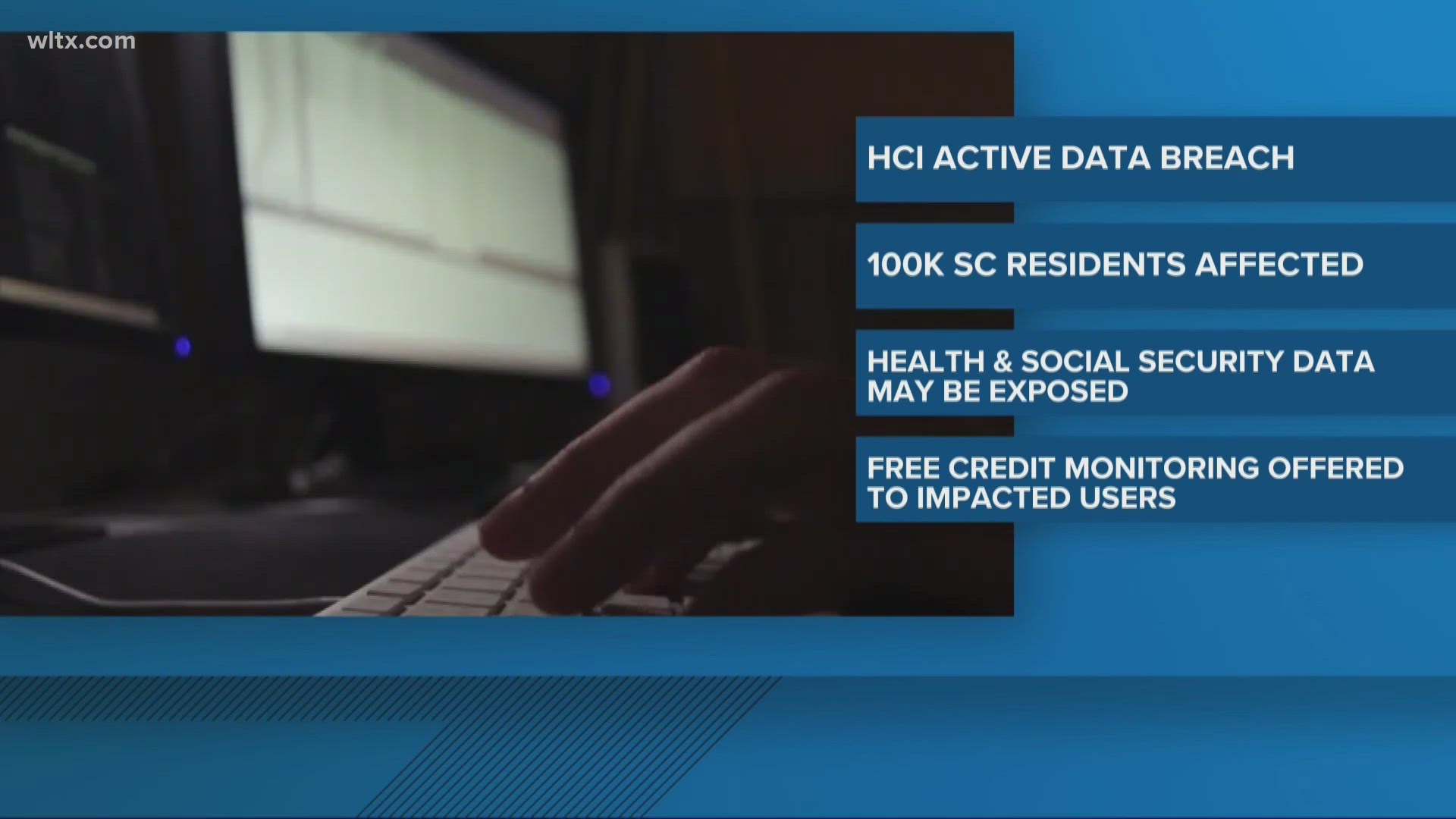
Data security incidents involving Social Security numbers have escalated dramatically in scale due to cyberattacks on centralized data aggregators, background check firms, and third-party service providers. Rather than breaching individual bank accounts or localized databases, threat actors target large repository organizations that accumulate decades of public records, credit header data, and employment background checks.
A primary example occurred when background check provider National Public Data (operated by Jerico Pictures Inc.) suffered an extensive compromise that leaked billions of records—including full names, addresses, phone numbers, and unencrypted Social Security numbers—onto dark web hacking forums. Incidents like these illustrate how data scraped from public records or purchased from legal entities can end up exposed in cybercrime ecosystems. Additionally, zero-day vulnerabilities in enterprise file-transfer software, such as the MOVEit Transfer exploits, have breached dozens of public agencies, educational institutions, and financial providers, exposing millions of active SSN records simultaneously.
Typical Data Exposure Lifecycle
- Data Aggregator / Background Firm
- Cyberattack / Dark Web Broker Forum Dump
- Automated Impact:
- Synthetic Identity Creation
- Fraudulent Tax Refund Claims
- Unauthorized Credit Account Applications
Unlike credit card numbers, which financial institutions can rapidly cancel and reissue, a Social Security number serves as an immutable primary identifier across federal agencies, tax authorities, healthcare networks, and credit bureaus. Once a Social Security number is leaked, it remains permanently available in criminal databases, meaning the risk of fraud does not diminish over time.
Financial and Personal Impact of an Exposed Social Security Number
When cybercriminals obtain a valid Social Security number paired with personal details like full names and legal addresses, they can execute several forms of identity fraud. Understanding these attack vectors is essential for taking effective countermeasures.
Exposed Social Security Number Impact Vectors
- Financial Fraud
- New loans
- Account takeovers
- Tax & Benefits
- Refund theft
- Benefit diversion
- Synthetic Fraud
- Blended profiles
- Ghost credit
Financial Identity Theft and Unauthorized Credit
Criminals use compromised SSNs to apply for credit cards, personal loans, vehicle financing, and store credit lines. Because many online lenders rely on automated verification procedures, bad actors with access to stolen personal details can bypass preliminary identity checks, leaving victims with damaged credit scores and collection notices for debts they never incurred.
Synthetic Identity Fraud
Synthetic identity fraud occurs when bad actors combine a legitimate, stolen Social Security number—often belonging to a minor, an elderly individual, or a deceased person—with fabricated names, birth dates, and addresses. This creates a "ghost" profile that can be used to establish line-of-credit histories over months or years before maxing out limits and vanishing, leaving the rightful SSN owner with a tangled web of disputed credit files.
Tax-Related Identity Theft
Tax identity theft occurs when an unauthorized user files a fraudulent income tax return early in the tax season using a victim's SSN to claim an improper refund. Victims typically discover the compromise only when the Internal Revenue Service (IRS) rejects their legitimate electronic tax return, citing a duplicate filing for that Social Security number.
Government Benefits Theft
Exposed SSNs enable fraudsters to open unauthorized online accounts with state workforce agencies or the Social Security Administration (SSA). By hijacking these access portals, criminals can divert legitimate unemployment insurance payouts, disability disbursements, or monthly retirement benefits into fraudulent bank accounts.
Medical Identity Theft
If a stolen SSN is combined with health insurance details, unauthorized individuals can obtain prescription drugs, receive medical treatment, or submit fraudulent insurance claims. This creates inaccurate medical records and erroneous billing histories that can compromise both personal finances and medical care.
How to Verify If Your Social Security Record Has Been Compromised
Discovering whether your Social Security number has been compromised requires checking dark web repositories, reviewing official credit files, and inspecting government benefit portals.
Comprehensive Audit Checklist
- Check Dark Web Exposure: Review identity theft monitoring services for leaks.
- Review Credit Reports: Pull Equifax, Experian, TransUnion via AnnualCreditReport.com.
- Audit SSA Earnings History: Log in to my Social Security at SSA.gov.
- Inspect IRS Mailings: Watch for notices CP01A, CP501, or rejected e-files.
- Verify Bank Statements: Watch for micro-deposits or unapproved hard inquiries.
- Check Dark Web Exposure Portals: Reputable cybersecurity firms and consumer credit tools maintain databases of leaked credential dumps. Reviewing these portals can confirm if your email, address, or SSN appeared in known corporate breaches.
- Pull Official Credit Reports: Review your credit reports across all three nationwide credit reporting agencies—Equifax, Experian, and TransUnion. Under federal law, consumers can access free weekly credit reports through AnnualCreditReport.com. Look for unauthorized hard credit inquiries, unknown addresses, or unrecognized accounts.
- Inspect Your Social Security Statement: Create and log into your personal account at SSA.gov. Examine your recorded earnings history to ensure no unauthorized employer is reporting income under your SSN, and verify that benefit payment destinations remain unchanged.
- Watch for Official IRS Communications: Pay attention to mail from the IRS. Receiving a notice indicating multiple tax returns were filed, or an IRS Notice CP01A containing an Identity Protection PIN (IP PIN) you did not request, serves as an immediate indicator of SSN compromise.
Essential Protective Measures: Freezes, Alerts, and Portal Controls
Securing an exposed Social Security number requires taking proactive steps to restrict access to your credit files and government accounts.
Credit Freeze vs. Fraud Alert Access
- Credit Freeze (Strict Access Block)
- Lenders attempting to access Credit Bureau Database are denied access.
- Requires PIN/Passcode lift by consumer to allow access.
- Fraud Alert (Verification Protocol Required)
- Lenders attempting to access Credit Bureau Database require call verification.
- Lender must contact consumer directly before issuing new credit.
Placing Security Freezes Across Credit Bureaus
A security freeze (or credit freeze) is the most effective defensive tool available to consumers. Under the Economic Growth, Regulatory Relief, and Consumer Protection Act, placing, temporarily lifting, and permanently removing credit freezes is completely free by law.
A credit freeze blocks potential creditors from accessing your credit report, preventing bad actors from opening new lines of credit in your name even if they possess your full SSN. You must freeze your file individually with each of the three major bureaus:
- Equifax: Freeze online via the Equifax Consumer Service Center or call 1-800-685-1111.
- Experian: Freeze online via the Experian Freeze Center or call 1-888-397-3742.
- TransUnion: Freeze online via TransUnion Credit Freeze or call 1-888-909-8872.
Implementing Fraud Alerts
If you prefer not to freeze your credit files entirely, you can place an initial one-year fraud alert on your credit profile by contacting any one of the three major bureaus; that bureau is legally required to notify the other two. A fraud alert instructs potential creditors to take extra steps to verify your identity—such as calling you directly—before extending new credit. Victims of documented identity theft can request an extended fraud alert, which lasts for seven years.
Securing Your "my Social Security" Account
To prevent cybercriminals from creating an online account under your name, register your official account at SSA.gov before a bad actor does. Protect the account using strong, unique passphrases and robust multi-factor authentication (MFA) powered by modern identity verification platforms such as Login.gov or ID.me. Modern authentication rules require authentication apps or hardware security keys rather than basic SMS text messages, which are susceptible to SIM-swapping attacks.
Comparison of Identity Protection Options
Selecting the appropriate protective tools depends on whether you are actively applying for new credit or recovering from an established breach.
| Security Measure | Primary Protection Function | Federal Legal Cost | Setup Effort | Impact on Daily Credit Usage |
|---|---|---|---|---|
| Security Freeze | Completely blocks access to credit reports for new credit applications. | Free nationwide | Moderate (Requires separate setups at Equifax, Experian, TransUnion) | High (Must temporarily "unfreeze" before applying for loans, cards, or utilities) |
| Initial Fraud Alert | Requires lenders to verify applicant identity before opening accounts. | Free nationwide | Low (Contacting one bureau automatically alerts all three) | Low (Lenders perform identity checks; does not block inquiry access) |
| Extended Fraud Alert | Long-term identity verification requirement for confirmed victims (7 years). | Free nationwide | Low-Moderate (Requires an official identity theft report) | Low-Moderate (Requires identity verification on file for 7 years) |
| SSA Account Lock | Secures online Social Security portal against unauthorized account creation. | Free | Low (Created directly on SSA.gov via Login.gov / ID.me) | None for daily credit; secures retirement and benefit records |
| Paid Credit Monitoring | Sends alerts regarding new inquiries, web leaks, and score changes. | Variable ($10–$30/mo) | Low (Single-provider enrollment) | Passive monitoring; does not block unauthorized credit access on its own |
Navigating Tax and Government Benefits Identity Theft
If bad actors use your Social Security number to commit tax fraud or steal government benefits, specialized recovery protocols established by federal regulatory agencies must be executed.
Tax & Benefit Recovery Steps
- File FTC Complaint: Report incident at IdentityTheft.gov to create official plan.
- Submit IRS Form 14039: Complete Identity Theft Affidavit for rejected tax filings.
- Request IP PIN: Opt into the IRS Identity Protection PIN program.
Responding to Tax-Related Identity Fraud
When an electronic tax return is rejected due to a duplicate SSN filing:
- Complete IRS Form 14039 (Identity Theft Affidavit).
- Attach Form 14039 to your paper tax return, along with proof of identity (such as a passport or driver's license), and mail it to the designated IRS processing center according to official IRS instructions.
- Opt into the IRS Identity Protection PIN (IP PIN) program. An IP PIN is a six-digit number assigned to eligible taxpayers to prevent the misuse of their SSN on fraudulent federal income tax returns. Once enrolled, the IRS rejects any electronic tax return submitted without the active IP PIN.
Reporting Social Security and Benefits Fraud
If you suspect someone is misusing your SSN to obtain employment or divert Social Security payments, submit an official report to the SSA Office of the Inspector General (OIG). You should also file an identity theft report through the Federal Trade Commission at IdentityTheft.gov. An official FTC identity theft report provides legal documentation to present to creditors, law enforcement agencies, and debt collectors when disputing fraudulent accounts.
Guidelines and recovery assistance regarding consumer credit rights are available through the Consumer Financial Protection Bureau.
Frequently Asked Questions
Can I get a new Social Security number if mine was exposed in a breach?
The Social Security Administration strictly limits the issuance of new Social Security numbers. The SSA will not assign a new SSN simply because your number was leaked in a data breach. To qualify for a new SSN, you must provide evidence of ongoing, severe identity theft where someone is actively using your number, and show that traditional mitigation steps—such as freezing credit and disputing fraudulent accounts—have failed to stop the misuse.
Is a credit freeze completely free by law?
Yes. Federal legislation mandates that freezing and unfreezing your credit reports at Equifax, Experian, and TransUnion is completely free for all consumers. Be cautious of commercial websites attempting to charge fees for credit protection services or bundling paid monitoring products with standard security freezes.
How do I know if someone is using my SSN for employment?
You can spot unauthorized employment usage by reviewing your annual earnings history on your "my Social Security" account at SSA.gov or reviewing your W-2 records during tax filing. If your statement reflects earnings from an employer you never worked for, a bad actor may be using your SSN for employment clearance.
Does locking my online Social Security account prevent all benefit fraud?
Securing your online SSA account prevents unauthorized individuals from creating a portal profile in your name, modifying direct deposit banking information, or claiming online retirement benefits. However, it does not prevent someone from attempting fraudulent paper filings, which is why placing credit freezes and monitoring IRS tax status remain critical secondary protections.
How long does stolen SSN data stay active on the dark web?
Exposed Social Security numbers remain on the dark web indefinitely. Unlike compromised passwords or payment card numbers, an SSN cannot be altered quickly. Criminal aggregators continuously re-package, sell, and cross-reference old data leaks with new breaches, making continuous, long-term credit monitoring and security freezes necessary.
Strategic Action Plan for Long-Term Security
To protect your identity and financial profile against ongoing Social Security data exposures, implement the following action plan:
- Place Security Freezes Immediately: Contact Equifax, Experian, and TransUnion online to freeze your credit files. Keep your secure authentication PINs or login credentials in a safe place so you can temporarily unfreeze your files when applying for legitimate credit.
- Claim and Protect Government Accounts: Register your personal account at SSA.gov using Login.gov or ID.me with multi-factor authentication (MFA). Create an IRS online account to monitor your federal tax filing status.
- Enroll in the IRS IP PIN Program: Prevent tax-related identity theft by opting into the IRS IP PIN program to secure all future federal tax filings against unauthorized submissions.
- Schedule Periodic Credit Reviews: Request and audit your free annual credit reports from AnnualCreditReport.com to verify that no unknown inquiries, secondary addresses, or fraudulent accounts have appeared.
- Document and Report Incidents Promptly: If you detect unauthorized activity, document all correspondence, file an identity theft report at IdentityTheft.gov, and notify the relevant financial institutions immediately.