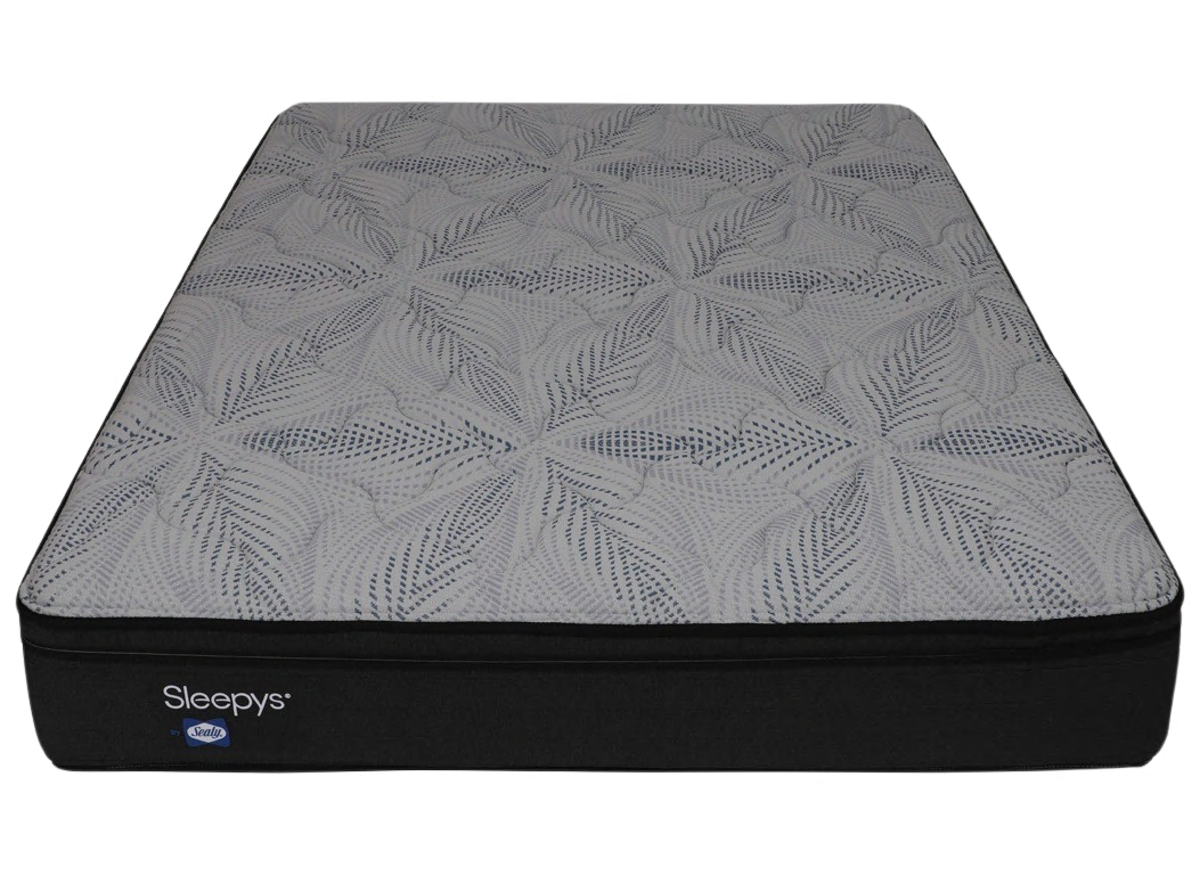
Determining if a Sleepy’s mattress is a good purchase in 2026 requires understanding its evolution from an independent retail brand to an integrated private-label offering under the Mattress Firm banner. While Sleepy's mattresses are positioned as budget-friendly, value-oriented solutions, their performance, durability, and consumer satisfaction vary significantly based on the specific manufacturing tier of the model chosen.
The Evolution of the Sleepy’s Brand Identity
To evaluate whether a Sleepy’s mattress is "good," one must first clarify what the brand represents today. Historically, Sleepy’s was a massive independent retail chain. Following its acquisition by Mattress Firm in 2015, the name was repurposed as a primary house brand. In the current retail landscape, "Sleepy’s" does not refer to a single factory or uniform construction standard. Instead, it functions as an umbrella for a variety of private-label mattresses manufactured by various industry partners under the Mattress Firm specification.
Because these models are proprietary to the retailer, they do not carry the same brand recognition as legacy manufacturers like Sealy, Serta, or Tempur-Pedic. This creates a unique challenge for consumers: because the models are specific to the retailer, it is difficult to cross-reference them with third-party testing databases that often focus on nationally distributed models. To determine value, buyers must look at the specific material composition, coil count, and foam density—the technical "DNA" of the mattress—rather than the brand name alone.
Analyzing Consumer Sentiment and Performance
Current consumer reports and secondary market data for 2026 indicate a bifurcated experience with the Sleepy’s line. Positive feedback consistently highlights the accessible entry-level price points, which make these mattresses highly attractive for guest rooms, bunk beds, or shoppers on a strict budget. The ease of access, combined with the retailer’s established return policies and delivery infrastructure, provides a level of consumer protection that unproven online-only "bed-in-a-box" brands may lack.
However, criticism typically centers on long-term durability. Because these models are often engineered to meet aggressive price targets, they frequently utilize lower-density foams and thinner gauge coils compared to premium tier offerings. Over a five-to-seven-year period, some users report "body impressions" or sagging, particularly in the center third of the mattress. For a guest bedroom or a temporary housing situation, this may be acceptable, but for a primary sleep surface for adults or heavier individuals, the cost-benefit analysis shifts. The "goodness" of the mattress is therefore relative to the expected lifespan of the investment.
Understanding Pricing Data and Market Positioning
The pricing strategy for Sleepy’s is highly competitive, often serving as the "good" or "better" option in a "good-better-best" tiered sales approach at Mattress Firm stores. In 2026, the pricing is heavily influenced by promotional cycles. Because Sleepy’s is a private label, the retailer has more margin flexibility, allowing for frequent sales, bundle discounts with adjustable bases, and "doorbuster" pricing that is difficult for independent retailers to match.
The following table provides a generalized comparison of how Sleepy’s models typically align with common consumer needs:
| Model Tier | Typical Material Focus | Best Use Case | Expected Longevity |
|---|---|---|---|
| Entry-Level | Basic Innerspring/Polyfoam | Guest Room / Youth | 3–5 Years |
| Mid-Range | Memory Foam Hybrid | Primary Sleep (Budget) | 5–7 Years |
| Premium Sleepy's | Pocketed Coil / Cooling Gel | Guest or Primary | 7–9 Years |
Note: Longevity estimates are based on industry standards for material grades within these price segments and may vary based on user weight and base support.
Technical Considerations: What to Inspect Before Buying
When shopping for a Sleepy’s mattress, ignore the marketing "fluff" and focus on the technical specifications. If you are browsing in a showroom, ask the representative for the foam density (measured in pounds per cubic foot) and the coil gauge (measured in millimeters or gauge numbers). A lower coil gauge (e.g., 13 or 14) generally indicates a firmer, more durable spring, while a higher foam density (1.8 pcf or higher for polyfoam) indicates better resistance to sagging.
Common mistakes include prioritizing the "plushness" or "cooling feel" of the top layer, which often wears out long before the support core. If you find the mattress feels comfortable initially, verify the base layer. If the mattress has a very thin, lightweight base, it is likely designed for occasional use. Always test the edge support by sitting on the side of the bed; if the perimeter collapses easily, the mattress is likely using lower-quality edge-support materials, which can contribute to the "rolling off the bed" feeling over time.
Navigating Warranty and Return Policies
One of the primary benefits of choosing a retail-branded mattress like Sleepy’s is the administrative support behind the product. Mattress Firm’s return and exchange policies are generally more standardized than those of smaller, independent manufacturers. However, warranties for private-label mattresses are often restricted.
Most warranties will not cover "normal wear and tear," which is defined in the industry as impressions less than 1.5 inches deep. This is a critical distinction for the consumer. If your Sleepy’s mattress develops a significant sag, the warranty claim process will require you to provide proof of adequate support (e.g., a proper bed frame with center support legs). Without this, your claim is almost certain to be denied. Before purchasing, verify the specific warranty terms for the exact model you are considering, as these can change by SKU.
FAQ: Common Questions About Sleepy’s Mattresses
Is a Sleepy’s mattress worth the cost compared to name-brand competitors?
Yes, if your primary goal is cost-minimization. Sleepy’s mattresses are often hundreds of dollars cheaper than comparable models from legacy brands because they lack the high advertising overhead and brand-licensing fees. However, if you are looking for long-term comfort and advanced structural support for daily use, name-brand competitors often use more robust materials that justify their higher price points through longevity.
Can I find Sleepy’s mattress reviews on major independent testing sites?
You will rarely find professional, lab-grade reviews for specific Sleepy’s models on major independent consumer advocacy sites. This is because these models are exclusive to one retailer. These sites focus on products available to all retailers to ensure a fair comparison. Rely instead on verified user reviews on the retailer's own site, filtering for the most recent six months to ensure you are reading about the current build quality.
Does the "Sleepy’s" label imply a specific manufacturing quality?
No, the label indicates the brand, not the factory. Sleepy’s mattresses are commissioned by Mattress Firm from various manufacturers. As a result, the quality is not uniform. You may find one Sleepy’s model that features high-end pocketed coils and another that is a basic continuous-coil unit. Always examine the specific construction features of the model you are interested in rather than relying on the brand reputation.
How can I ensure my Sleepy’s mattress lasts as long as possible?
To extend the life of your mattress, use a high-quality mattress protector to prevent moisture and skin oil from degrading the foam layers. Use a foundation or adjustable base that meets the manufacturer’s requirements. Rotate the mattress (if it is a one-sided model) every six months to prevent uneven compression. Proper base support is the single most important factor in preventing premature sagging.
Next Steps for the Smart Buyer
If you have decided that a Sleepy’s mattress aligns with your budget and needs, your next step is to conduct a "showroom audit." Visit the store with a clear understanding of your preferred sleep position—side, back, or stomach. Spend at least 15 minutes lying on the mattress in your natural position. Do not rush; the goal is to identify if the support core keeps your spine neutral.
Ask the salesperson specifically: "Who is the contract manufacturer for this specific model?" While they may not always disclose the factory, their willingness to answer provides insight into the transparency of the product. Finally, check the current promotional calendar. Because these are private-label products, they are frequently discounted during holiday weekends. Purchasing during these windows can provide significantly better value, often allowing you to step up to a higher-tier Sleepy’s model for the same price as an entry-level version.