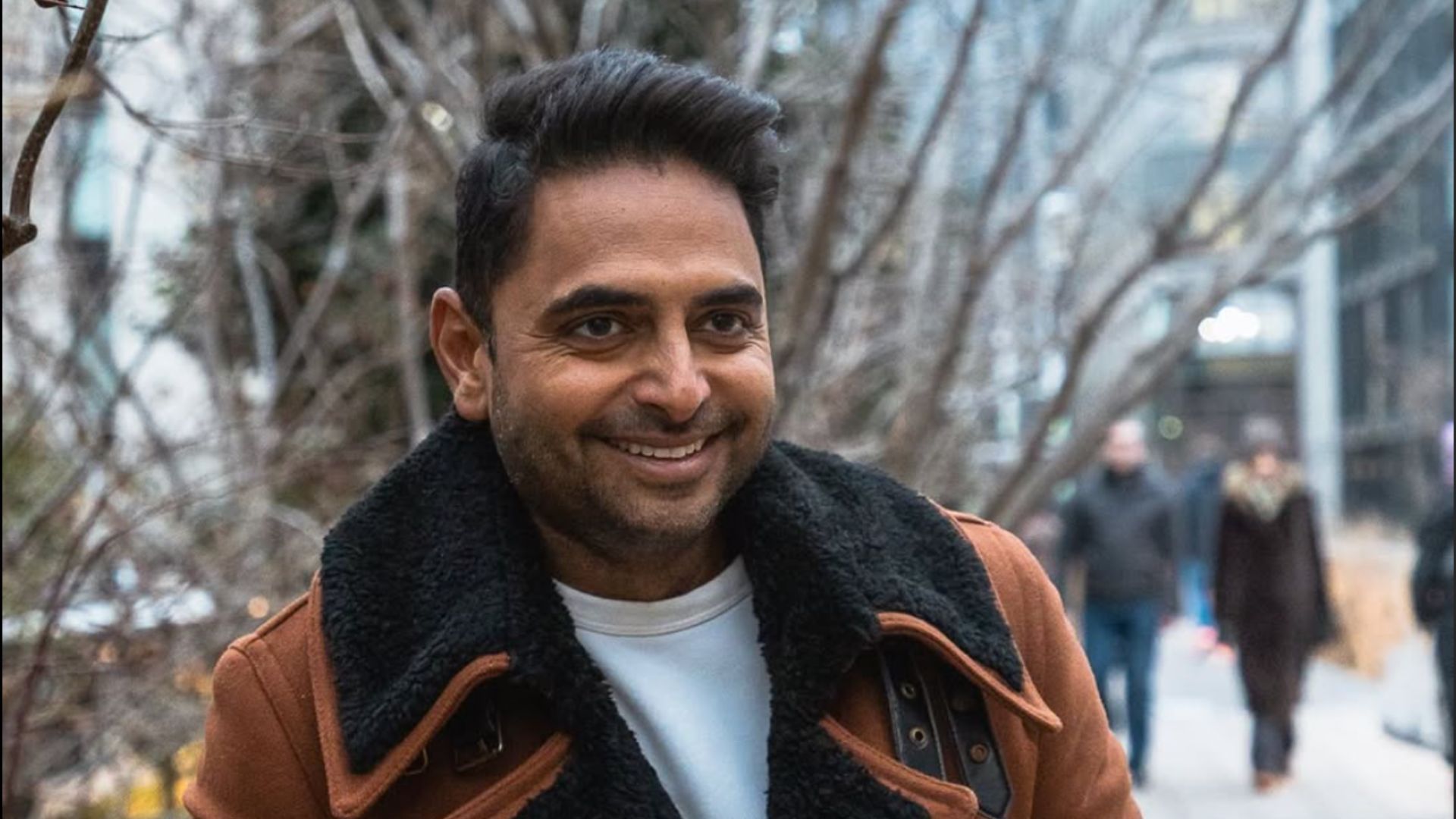
As of 2026, Rohan Oza remains one of the most influential "Brand Builders" in the global consumer packaged goods (CPG) space, maintaining an estimated net worth of $200 million. His investment profile is defined by high-profile exits, including the multi-billion dollar sales of Vitaminwater and Bai Brands, and a strategic Shark Tank portfolio focused on disruptive lifestyle products.
Rohan Oza’s trajectory from a corporate executive at Coca-Cola to a world-renowned venture capitalist and Shark Tank "Guest Shark" offers a blueprint for modern brand scaling. Unlike many investors who focus purely on software or financial metrics, Oza’s expertise lies in the "celebrity equity" model—marrying high-quality consumer products with massive cultural influencers. This profile examines his financial standing, his methodology on Shark Tank, and the status of his most significant portfolio companies as of 2026.
The Brand Builder’s Philosophy: The "Holy Trinity" of CPG
Rohan Oza’s investment strategy is rarely about the product alone. He utilizes what industry insiders often call the "Brand Builder’s Trinity": a superior product, a passionate founder, and a clear path to celebrity-driven cultural relevance. By the time Oza joined Shark Tank as a guest shark in Season 9, he had already perfected this formula.
The core of his philosophy involves identifying "white space" in the retail market—categories that are stagnant or dominated by legacy brands that have lost touch with younger demographics. Oza looks for "better-for-you" alternatives that do not sacrifice taste or aesthetic appeal. In his view, a brand is not just a logo; it is a lifestyle choice. This mindset has led him to prioritize investments in the beverage, snack, and wellness sectors, where brand loyalty and repeat purchases drive the highest valuations.
Furthermore, Oza is a pioneer of using celebrity partnerships not just for endorsements, but for equity. This model, which he famously applied to Vitaminwater with 50 Cent and Bai with Justin Timberlake, ensures that the influencer has "skin in the game," leading to more authentic marketing and faster scaling.
Estimated Net Worth and Primary Wealth Drivers
As we evaluate his financial standing in 2026, Rohan Oza’s net worth is estimated at approximately $200 million. While this figure is impressive, it is the liquidity and the scale of his historical exits that truly define his financial power. Most of his wealth was generated through "home run" exits in the beverage industry before his television career reached its peak.
The Glacéau (Vitaminwater) Exit
Oza’s most significant wealth-generating event was the acquisition of Glacéau (the parent company of Vitaminwater and Smartwater) by The Coca-Cola Company in 2007 for $4.1 billion. As the Chief Marketing Officer and a key stakeholder, Oza’s share of this deal established his reputation and provided the capital necessary for his subsequent venture capital career.
The Bai Brands Acquisition
A decade later, Oza repeated this success with Bai Brands. After identifying the low-calorie antioxidant infusion beverage early on and helping steer its marketing strategy, the company was sold to Dr Pepper Snapple Group in 2017 for $1.7 billion. These two deals alone represent nearly $6 billion in total enterprise value created under his guidance, placing him in an elite tier of CPG investors.
Shark Tank Tenure: Selection Criteria and Impact
Rohan Oza’s presence on Shark Tank has provided a specialized perspective that differs from the tech-heavy focus of Mark Cuban or the royalty-centric approach of Kevin O'Leary. When Oza sits in the chair, he is specifically looking for "the next big thing" in the grocery aisle.
His selection criteria on the show typically involve:
- Retail Readiness: Is the packaging "popping" off the shelf?
- Taste Profile: In the CPG world, the first sale is marketing, but the second sale is taste. Oza often refuses to invest if the product flavor doesn't meet his high standards.
- Founder Hustle: He prefers founders who have already secured some level of regional distribution, proving that the product has "legs" in the real world.
- Scalability via Influence: He evaluates whether the brand can be paired with a celebrity or athlete to achieve national recognition quickly.
Major Portfolio Companies and Strategic Assets
Oza’s portfolio, managed largely through his venture firm, Cavu Venture Partners (which he co-founded), includes some of the most recognizable names in the modern pantry. The following table highlights the status and impact of his most significant investments as of 2026.
| Company | Category | Status/Milestone (2026 Perspective) | Primary Value Driver |
|---|---|---|---|
| Vitaminwater | Beverage | Acquired by Coca-Cola ($4.1B) | First-mover in "enhanced water" |
| Bai Brands | Beverage | Acquired by Dr Pepper Snapple ($1.7B) | Low-calorie, high-flavor profile |
| Popchips | Snacks | Mature Market Leader | Innovative "popped" technology |
| Vital Proteins | Supplements | Majority Stake by Nestlé Health Science | Collagen category dominance |
| Health-Ade | Beverage | National Distribution Powerhouse | Artisanal kombucha at scale |
| Chef's Cut | Food | Category Disruptor | Premium, chef-crafted jerky |
| Jackson's Honest | Snacks (Shark Tank) | Expanded Retail Presence | Health-conscious snack alternative |
Deep Dive: Popchips and the Snack Revolution
Popchips represents one of Oza’s most enduring successes in the snack space. By using heat and pressure instead of deep-frying, Popchips tapped into the "permissible indulgence" trend. Oza’s involvement led to massive celebrity tie-ins (including Ashton Kutcher and Katy Perry), which transformed a simple snack into a cultural phenomenon. In 2026, Popchips remains a staple in the healthy-snacking aisle, serving as a case study for his marketing prowess.
Deep Dive: Health-Ade Kombucha
Health-Ade is another example of Oza’s ability to spot a niche trend (fermented beverages) and bring it into the mainstream. Through Cavu Venture Partners, Oza provided the capital and marketing strategy to move Health-Ade from farmers' markets to major retailers like Target and Whole Foods. The brand’s focus on glass-bottle packaging and organic ingredients aligns perfectly with the premium "Brand Builder" aesthetic.
Investment Strategy for Emerging CPG Founders
For entrepreneurs looking to emulate Oza’s success or pitch to his firm, the strategy in 2026 has shifted toward sustainability and "functional" benefits. Oza has publicly noted that "organic" is no longer a differentiator; it is a prerequisite. To capture his attention today, a brand must offer a functional benefit—such as cognitive enhancement (nootropics), gut health (probiotics), or extreme sustainability (upcycled ingredients).
He also emphasizes the importance of Omnichannel Presence. A brand cannot survive on Direct-to-Consumer (DTC) sales alone due to rising customer acquisition costs. Oza looks for brands that can dominate digitally while maintaining the margins necessary to survive the "slotting fees" and distribution costs of physical retail.
Analysis of Recent Shark Tank Deals
In recent seasons leading up to 2026, Oza has been more selective, often looking for products that solve modern environmental concerns. His Shark Tank deals often involve a "handshake" that includes a complete rebranding of the packaging. He frequently notes that founders spend too much time on the "science" and not enough on the "story." His value-add is often seen in the immediate six months post-show, where he utilizes his network to get products into national chains like CVS, Kroger, and Costco.
His investment in Jackson’s Honest (sweet potato chips made with coconut oil) remains one of his most cited Shark Tank success stories. He helped the founders refine their message from a complex health story to a simple, flavor-first snack brand, leading to significant retail expansion and a successful exit path.
Expert Guidance for Pitching "Brand Builder" Investors
If you are a founder in the CPG space, navigating an investment from a profile like Rohan Oza requires more than a good spreadsheet. You must demonstrate a "Category-Defining" potential.
- Protect Your Margins: High-growth CPG requires significant capital for marketing. If your gross margins are below 40-50%, scaling will be nearly impossible.
- Visual Identity is Non-Negotiable: In an era of Instagram and TikTok, your product must be "photogenic." Oza often says that the "bottle is the billboard."
- Prove the Velocity: Investors like Oza want to see "velocity"—how many units move off the shelf per store per week. High velocity is the only way to prove to a Shark that consumers actually want the product after the initial marketing hype wears off.
- Know Your Distribution Map: Have a clear plan for moving from regional "proof of concept" to national distribution. Understand the role of brokers and distributors (like UNFI or KeHE) in your growth.
Frequently Asked Questions
What is Rohan Oza’s most successful investment?
His most successful investment in terms of total exit value was Glacéau (Vitaminwater), which sold for $4.1 billion. However, Bai Brands is often considered his most "efficient" build, reaching a $1.7 billion exit in a relatively short timeframe through highly targeted celebrity marketing.
Does Rohan Oza still invest in Shark Tank companies?
Yes, as of 2026, Rohan Oza continues to appear as a guest shark. While he is not a "permanent" shark like Kevin O'Leary or Barbara Corcoran, he frequently returns to the show specifically for episodes featuring consumer products, food, and beverage innovations.
What is Cavu Venture Partners?
Cavu Venture Partners is the investment firm co-founded by Rohan Oza, Brett Thomas, and Ken Sadowsky. The firm focuses specifically on high-growth consumer brands. It provides not just capital, but "brand-building" services, including marketing strategy, packaging design, and distribution consulting.
How can I pitch a product to Rohan Oza?
While he is difficult to reach directly, Oza is most active through Cavu Venture Partners. Founders typically need a warm introduction or a significant track record of retail sales to get a meeting. Appearing on Shark Tank remains the most direct way to get his personal attention.
What industries does Rohan Oza avoid?
Oza generally avoids "heavy tech," software-as-a-service (SaaS), and industrial manufacturing. He sticks to his "circle of competence," which is anything that a consumer can touch, taste, smell, or wear. He rarely invests in products that require complex consumer education or have a long sales cycle.
Next Steps for Brand Growth
For entrepreneurs and investors following Rohan Oza’s model, the next logical step is to audit your brand's "shelf presence." In the 2026 retail environment, the competition for consumer attention is fiercer than ever. If your product does not clearly communicate its "Why" within three seconds of a consumer seeing it, it is likely to fail. Focus on refining your brand story, securing your supply chain, and identifying a "cultural hook" that can propel your product from a local favorite to a national household name.