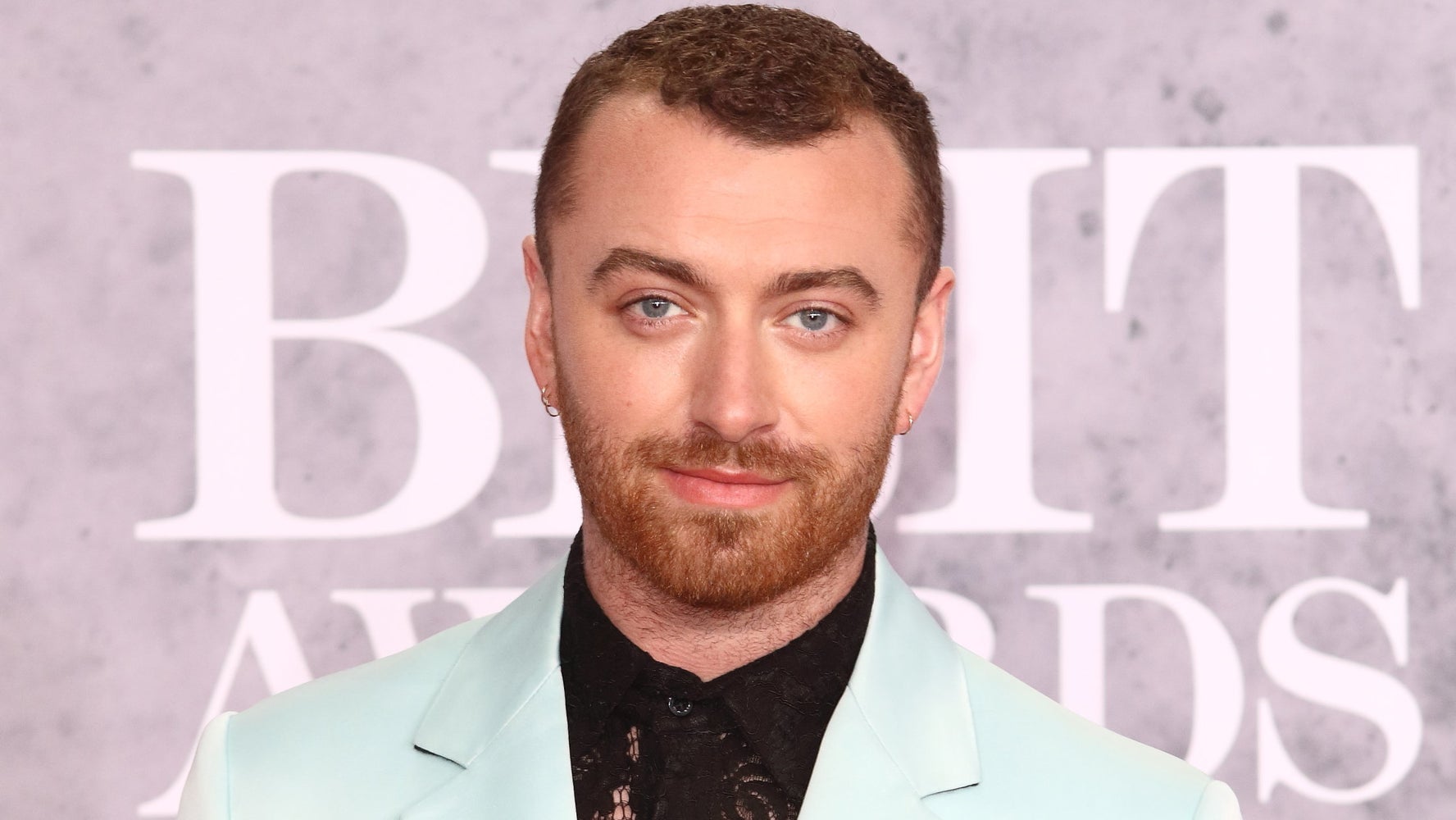
Sam Smith identifies as non-binary and uses they/them pronouns. They publicly announced this shift in identity in September 2019, stating that after a lifetime of being at "war" with their gender, they decided to embrace their authentic self. This decision has significantly influenced their musical direction and public persona.
As of 2026, Sam Smith stands as one of the most visible non-binary figures in global pop culture. Their journey from a soulful ballad singer to a provocative, gender-fluid pop icon has sparked international conversations regarding gender expression, pronoun usage, and the evolution of the music industry. To understand the current status of Sam Smith’s identity and its professional ramifications, one must examine the timeline of their public statements, the specific language they use, and the transformative effect this honesty has had on their artistic output.
The Evolution of Sam Smith’s Gender Identity
The trajectory of Sam Smith’s public identity has been one of gradual disclosure and deepening self-awareness. While the singer first came out as gay in 2014—just as their debut album In the Lonely Hour was reaching global acclaim—it would take several more years for them to articulate a more complex understanding of their gender.
In early 2019, Smith began speaking more openly about their relationship with masculinity and femininity. During an interview with Jameela Jamil on the I Weigh series, Smith described themselves as "genderqueer" and "non-binary." They explained that they felt "just as much a woman as I am a man." This revelation was a precursor to the formal announcement regarding their pronouns that followed later that year.
By September 2019, Smith used social media to clarify their identity to the world. They wrote, "I’ve decided I am changing my pronouns to THEY/THEM... after a lifetime of being at war with my gender I’ve decided to embrace myself for who I am, inside and out." This moment marked a definitive turning point. It wasn't merely a personal change; it was a public declaration that required the media, the music industry, and their global fanbase to adapt to a new linguistic and social reality.
Key Public Statements and Documentation
The clarity of Sam Smith’s identity is grounded in specific, documented statements that have remained consistent over the years. These statements provide the "why" behind their transition and address the common misconceptions regarding non-binary identities.
The "I Weigh" Interview (March 2019)
In this landmark conversation, Smith discussed the concept of being "non-binary" or "genderqueer" long before many mainstream audiences were familiar with the terms. They described a feeling of being "somewhere in between" the traditional gender binary. This interview was crucial because it linked Smith’s identity to their physical self-image, discussing how body weight and appearance played into their feelings of gender dysmorphia.
The Pronoun Announcement (September 2019)
The official shift to they/them pronouns was articulated via a series of Instagram and Twitter posts. Smith acknowledged the fear associated with the announcement, noting that they were "scared to death" because they cared too much about what people thought. However, they also emphasized that they were at a stage where they felt "at peace" enough to be honest. This statement served as a formal request to the press and the public to respect their identity, even if people "made mistakes" along the way.
The "Gloria" Era Commentary (2023–2024)
Following the release of their fourth studio album, Gloria, and the chart-topping success of "Unholy," Smith spoke frequently about the joy and liberation they found through their identity. In interviews with British GQ and Rolling Stone, Smith noted that for a long time, they had been making music that was "safe" and "palatable." By 2023, they felt they had finally matched their sonic output with their internal reality, describing Gloria as a "queer celebration."
Quantifying the Artistic and Professional Impact
The decision to come out as non-binary did more than change Smith’s pronouns; it fundamentally altered their career trajectory. We can observe this impact through several lenses: commercial performance, critical reception, and the stylistic shift in their performances.
Musical Style and Narrative Shift
Smith’s early career was defined by "sad soul" ballads like "Stay With Me" and "I’m Not the Only One." These songs were largely gender-neutral in their lyrics but were marketed within the framework of a traditional male crooner. Post-2019, Smith’s music began to incorporate more dance-pop, hyper-pop, and club influences. The lyrics became more explicitly queer, exploring themes of desire, self-acceptance, and defiance against traditional norms.
Commercial Trajectory
There was initial speculation that coming out as non-binary might alienate Smith’s core audience. However, the data suggests otherwise. While some traditional radio markets showed resistance, the 2022–2023 "Unholy" era was a massive commercial success, reaching number one on the Billboard Hot 100 and winning a Grammy Award for Best Pop Duo/Group Performance. This proved that there was a massive global appetite for unapologetic queer expression in mainstream pop.
Live Performance and Visual Identity
In their world tours throughout 2023 and 2024, Smith embraced a radical visual identity. Costumes designed by high-fashion houses like Valentino and Vivienne Westwood featured corsetry, heels, and avant-garde gender-fluid designs. This was a stark departure from the suits and coats of their early career. In 2026, this remains the standard for Smith’s public appearances, where fashion is used as a primary tool for gender expression.
Timeline of Significant Milestones
The following table outlines the key dates and events that have defined Sam Smith’s journey and the subsequent impact on their professional standing.
| Year | Event/Milestone | Impact/Significance |
|---|---|---|
| 2014 | Coming out as Gay | Established Smith as a prominent LGBTQ+ figure early in their career. |
| 2019 | Non-Binary Declaration | Formally adopted they/them pronouns and challenged industry norms. |
| 2020 | Love Goes Release | An album bridging the gap between their old sound and their new identity. |
| 2022 | "Unholy" Release | First non-binary solo artist to reach #1 on the Billboard Hot 100. |
| 2023 | Grammy Win | Validated the "Gloria" era's artistic direction on the industry’s biggest stage. |
| 2024 | Global "Gloria" Tour | Demonstrated the massive commercial viability of gender-fluid performance art. |
| 2026 | Legacy Status | Positioned as a mentor and pioneer for younger non-binary and trans artists. |
Industry Reception and Cultural Backlash
It would be inaccurate to suggest that Smith’s journey has been universally embraced without friction. Their visibility as a non-binary person has made them a frequent target for "culture war" commentary, particularly in the UK and US media.
The Brit Awards Gender Neutrality Debate
Smith was a vocal proponent for the Brit Awards to move toward gender-neutral categories. When the awards eventually merged "Best Male" and "Best Female" into "Artist of the Year," Smith was both praised for sparking the change and criticized when the subsequent nominations lacked female representation in certain years. This highlighted the complexities of institutional change in the music industry.
Conservative Media Scrutiny
During the 2023 Grammy performance of "Unholy" and subsequent tour dates, Smith faced significant backlash from conservative commentators who labeled their performance "satanic" or "inappropriate." Smith’s response to this has generally been one of resilience and silence, allowing the art to speak for itself. This friction has, in many ways, solidified their status as a subversive figure in pop music, a role they seem to have embraced as part of their "Gloria" era.
Support from the LGBTQ+ Community
Conversely, the impact on the LGBTQ+ community has been overwhelmingly positive. By existing at the top of the charts as an out non-binary person, Smith has provided a blueprint for authentic living. They have frequently been cited by younger artists as a source of inspiration for refusing to "tone down" their queerness for the sake of mainstream palatability.
Representation and Long-term Cultural Legacy
As we look at the music landscape in 2026, the "Sam Smith effect" is visible in the way major labels now handle gender identity. Before Smith, the industry often pressured artists to maintain a level of ambiguity to protect sales. Smith’s success proved that an artist can be specific, queer, and non-binary while still selling out arenas and topping streaming charts.
Their legacy is not just the music they have created, but the linguistic space they have carved out. The widespread adoption of they/them pronouns in music journalism and award ceremonies can be traced, in large part, to the global conversation sparked by Smith’s 2019 announcement. They have forced a traditional industry to update its protocols, from how contracts are written to how gendered awards are structured.
Furthermore, Smith has used their platform to support organizations like the Trevor Project and GLAAD, ensuring that their career impact extends into the realm of advocacy and social support for LGBTQ+ youth.
Frequently Asked Questions
When did Sam Smith officially change their pronouns?
Sam Smith officially announced their change to they/them pronouns in September 2019 via a social media post. This followed several months of public reflection on their non-binary and genderqueer identity in various interviews, most notably on Jameela Jamil's "I Weigh" series.
What is the difference between Sam Smith being gay and being non-binary?
Being gay refers to sexual orientation (who one is attracted to), whereas being non-binary refers to gender identity (who one is). Sam Smith came out as gay in 2014 and later identified as non-binary in 2019, explaining that while their attraction remains the same, their internal sense of gender does not fit strictly into the categories of "man" or "woman."
How did the album "Gloria" reflect Sam Smith's gender identity?
The album Gloria (2023) was described by Smith as their "liberation" record. Unlike previous albums that focused on unrequited love and heartbreak from a more traditional perspective, Gloria explored themes of queer joy, self-expression, and sexual freedom. The visual aesthetics of the era, including the "Unholy" music video, featured gender-fluid fashion and trans/non-binary performers.
Has Sam Smith’s identity affected their record sales?
While there was some polarized reaction in conservative markets, the overall commercial impact has been positive. "Unholy" became one of the biggest hits of Smith’s career, reaching #1 in multiple countries. Their ability to headline global tours in 2024 and 2025 demonstrates that their core audience has grown and diversified since they came out as non-binary.
Did Sam Smith change their name?
No, Sam Smith has not changed their name. They continue to go by Sam Smith, which they have noted is a name they feel comfortable with, as it is relatively gender-neutral in its common usage, despite the historical associations of the name "Samuel."
Guidance for Engaging with Sam Smith’s Work
For those looking to understand Sam Smith’s career in its current context, it is recommended to view their discography as a chronological narrative of self-discovery. Starting with In the Lonely Hour provides the foundation of their vocal prowess, while Gloria and subsequent 2025-2026 singles represent the full realization of their identity.
When discussing Smith in academic, journalistic, or social contexts, using they/them pronouns is the standard for accuracy and respect. The shift in Smith’s career serves as a case study for the evolution of the "celebrity" in the 21st century—moving away from a curated, static image toward a dynamic, honest, and evolving persona that reflects the complexities of human identity.