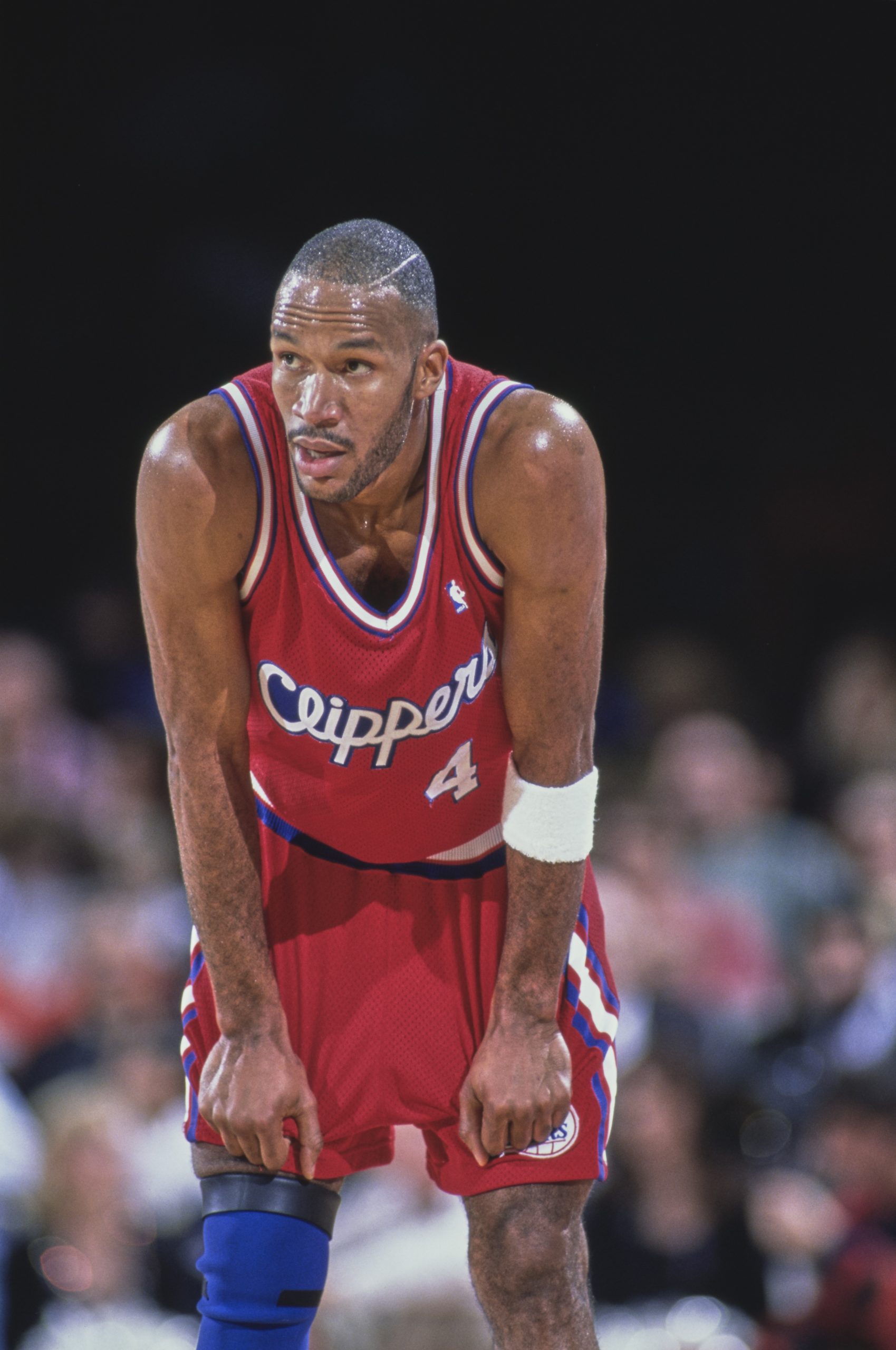
Ron O’Neal was an American actor, director, and screenwriter best known for his iconic portrayal of Youngblood Priest in the 1972 film Super Fly. His career transitioned from the stages of Cleveland’s Karamu House to Hollywood stardom, leaving a permanent mark on the Blaxploitation genre and American cinematic history.
The Formative Years and Theatrical Foundation
Born on September 1, 1937, in Utica, New York, and raised in Cleveland, Ohio, Ron O’Neal’s journey to becoming a cultural icon was rooted in a rigorous theatrical education. Before he ever stepped in front of a film camera, O’Neal was a dedicated student of the craft. He spent nearly a decade at the Karamu House in Cleveland, which is recognized as the oldest African American producing theater in the United States.
At Karamu House, O’Neal didn’t just act; he immersed himself in the technical and emotional depths of classical and contemporary drama. This period was essential for his development, as it provided him with a repertoire that many of his later cinematic contemporaries lacked. His move to New York City in the mid-1960s was a natural progression. There, he worked as an acting teacher and appeared in various off-Broadway productions. His performance in the 1969 play No Place to Be Somebody earned him critical acclaim, including an Obie Award and a Theatre World Award. This theatrical pedigree is a vital part of his public record, distinguishing him as a "thespian first" rather than just a movie star.
The Super Fly Phenomenon and Career Trajectory
In 1972, Ron O’Neal’s career reached its zenith with the release of Super Fly. Directed by Gordon Parks Jr., the film became a cornerstone of the Blaxploitation era. O’Neal’s portrayal of Youngblood Priest—a cocaine dealer looking to make one last big score before "getting out of the game"—was revolutionary. Unlike many characters of the time, Priest was characterized by his intelligence, sartorial elegance, and a deep-seated desire for agency in a system designed to suppress him.
The film was an unprecedented financial success, grossing millions against a modest budget. However, the career of Ron O’Neal following this success provides a nuanced study of the Hollywood system. While Super Fly made him a household name, it also led to significant typecasting. O’Neal directed and starred in the sequel, Super Fly T.N.T. (1973), but the film failed to recapture the lightning-in-a-bottle success of the original.
Throughout the late 1970s and 1980s, O’Neal maintained a steady career through character roles in both film and television. He appeared in notable projects such as:
- The Final Comedown (1972): A radical political drama.
- When a Stranger Calls (1979): A classic psychological thriller.
- Red Dawn (1984): Where he played a Cuban officer, demonstrating his range beyond urban dramas.
- Original Gangstas (1996): A film that brought together several icons of the 70s urban cinema.
Analyzing Ron O’Neal’s Net Worth and Financial Legacy
Discussing the net worth of a figure like Ron O’Neal requires looking at the era in which he worked. In 2026, looking back at his financial footprint, it is clear that O’Neal’s wealth was reflective of a successful working actor of the late 20th century rather than the astronomical sums seen by modern blockbusters stars.
At the time of his passing in January 2004, Ron O’Neal’s estimated net worth was approximately $500,000 to $1.5 million. This valuation accounts for his film salaries, directorial fees, and ongoing residuals. It is important to note that during the 1970s, many actors in independent or "genre" films did not receive the lucrative "back-end" profit participation deals that are standard for A-list stars today.
His financial legacy was also impacted by his work in television. Guest appearances on shows like The Equalizer, Hill Street Blues, and Living Single provided consistent income and bolstered his pension through the Screen Actors Guild (SAG). While he was never "Hollywood wealthy" by the standards of his Super Fly character, he maintained a dignified and stable lifestyle focused on his craft and his community.
Accessing and Understanding the Public Record
For researchers and fans looking for verified information, the public record for Ron O’Neal encompasses his vital statistics, professional registrations, and legal filings. In the United States, public records for deceased individuals become more accessible over time, providing a factual basis for their life stories.
- Vital Records: Ron O’Neal’s birth and death records are part of the public archive. He died on January 14, 2004, in Los Angeles, California, after a battle with pancreatic cancer. His death certificate confirms these details and provides insight into his final residence.
- Marriage and Family Records: Public records show his marriage to Carol Tillery Banks in 1973 (later divorced in 1980) and his subsequent marriage to Ora Reed in 1993, who remained his wife until his death.
- Property and Probate: As a long-time resident of Los Angeles, property records associated with O’Neal can be found through the Los Angeles County Registrar-Recorder/County Clerk. These records offer a glimpse into his real estate holdings, which often form the bulk of a legacy actor’s estate.
- Professional Archives: The Internet Movie Database (IMDb) and the Academy of Motion Picture Arts and Sciences maintain professional records of his credits and contributions to the industry.
| Record Type | Availability | Primary Source |
|---|---|---|
| Birth Record | Restricted/Historical | New York State Dept. of Health |
| Death Record | Public | California Dept. of Public Health |
| Filmography | Public | IMDb / AFI Catalog |
| Professional Awards | Public | Obie Awards / Theatre World |
| Probate Records | Public | Los Angeles County Superior Court |
The Enduring Cultural Impact of "Priest"
The career of Ron O’Neal cannot be measured solely in dollars or record counts. His impact was sociocultural. Super Fly was one of the few films of the era that was financed primarily by Black businessmen, making it a landmark in independent Black cinema. O’Neal’s performance challenged the "Uncle Tom" and "Buck" stereotypes that had plagued Black actors for decades.
In the decades since his peak, his career has been re-evaluated by film historians. In the current 2026 landscape, O’Neal is viewed as a pioneer who navigated the treacherous waters of a Hollywood that was often unwilling to see him as anything other than a "pusher." His ability to bring humanity, conflict, and sophistication to his roles is why his films continue to be studied in university cinema programs and celebrated at retrospective festivals.
Professional Challenges and the "Blaxploitation" Label
One of the most profound aspects of O'Neal's career record was his complicated relationship with the term "Blaxploitation." While the genre gave him his biggest platform, he often spoke out about the limitations it placed on Black artists. He lamented that while white actors could play gangsters and be hailed as heroes, Black actors playing similar roles were often accused of poisoning the community.
This tension is visible in his career choices post-1975. He sought out roles that allowed him to use his classical training, such as playing the title role in Othello on stage. However, the public record shows that the shadow of Youngblood Priest was long. This struggle for artistic freedom is a recurring theme in his interviews and remains a relevant topic in discussions about representation in media today.
Frequently Asked Questions
What was Ron O’Neal’s most famous role?
Ron O’Neal is most famous for playing the character "Youngblood Priest" in the 1972 film Super Fly. The role was iconic for its fashion, the Curtis Mayfield soundtrack, and O’Neal’s intense, multifaceted performance. It remains a definitive piece of 1970s American cinema.
How did Ron O’Neal die?
Ron O’Neal died on January 14, 2004, at the age of 66. The cause of death was pancreatic cancer. He passed away in Los Angeles on the same day that the soundtrack for Super Fly was being celebrated with a special edition release, highlighting the enduring nature of his most famous work.
Was Ron O’Neal a trained actor?
Yes, Ron O’Neal was a highly trained stage actor. He spent many years honing his craft at the Karamu House in Cleveland and later in the New York theater scene. His classical training allowed him to bring a level of depth and gravitas to his film roles that set him apart from other action stars of the era.
How much was Ron O’Neal worth at the time of his death?
At the time of his death in 2004, his net worth was estimated to be between $500,000 and $1.5 million. This was composed of his earnings from a long career in film and television, as well as residuals and his estate's assets.
Did Ron O’Neal direct any films?
Yes, Ron O’Neal directed the 1973 sequel to his breakout hit, titled Super Fly T.N.T.. He also had a significant hand in the creative direction of many of his stage performances and was known for his deep understanding of the technical aspects of filmmaking and theater production.
Verifying Legacy Information and Next Steps
For those conducting academic research or professional biography work on Ron O’Neal, the best course of action is to consult official repositories. The Margaret Herrick Library at the Academy of Motion Picture Arts and Sciences holds extensive files on actors of the 1970s, including press kits and original reviews of O'Neal's work.
Additionally, checking the Library of Congress for copyright registrations and the Screen Actors Guild (SAGAFTRA) for historical member data can provide a more granular look at his professional timeline. Ron O’Neal’s life remains a powerful example of how a dedicated artist can define an era, even while fighting against the very labels that made them famous.