A rodent plague refers to a massive, rapid explosion in rodent populations—typically mice or rats—that causes significant agricultural damage and poses severe public health risks. Historically and medically, the term also describes the transmission of the Yersinia pestis bacterium from rodents to humans via fleas, leading to outbreaks of bubonic, septicemic, or pneumonic plague.
The phenomenon of a rodent plague is a complex intersection of ecology, biology, and epidemiology. Whether it manifests as a "mouse plague" devastating grain belts or a localized outbreak of rodent-borne disease, the impact on human infrastructure and health is profound. Understanding the triggers for these events, the specific pathogens involved, and the most effective mitigation strategies is essential for modern pest management and public safety in 2026.
The Biological and Ecological Triggers of Rodent Outbreaks
Rodent plagues do not occur at random; they are usually the result of specific environmental "perfect storms." Most pest rodents, particularly the house mouse (Mus musculus) and various rat species (Rattus genus), follow an r-selection reproductive strategy. This means they are capable of producing large numbers of offspring in a very short period when conditions are favorable.
In many agricultural regions, the primary trigger for a rodent plague is a high-rainfall event following a period of prolonged drought. This sequence creates an abundance of food—often referred to as the "green bridge"—where lush vegetation and high grain yields provide the caloric surplus necessary for rapid breeding. A single pair of mice can theoretically produce up to 500 offspring in a single season under ideal conditions, as females can become pregnant as early as six weeks of age and give birth to a new litter every 21 days.
Secondary factors include the removal of natural predators and changes in farming practices. For instance, "no-till" or "minimum-till" farming, while beneficial for soil health and moisture retention, leaves rodent burrows undisturbed and provides a constant cover of stubble that protects them from birds of prey. When these ecological variables align, the population moves from a chronic level to an acute plague state, leading to millions of individuals per hectare.
Historical and Medical Context: The Role of Yersinia pestis
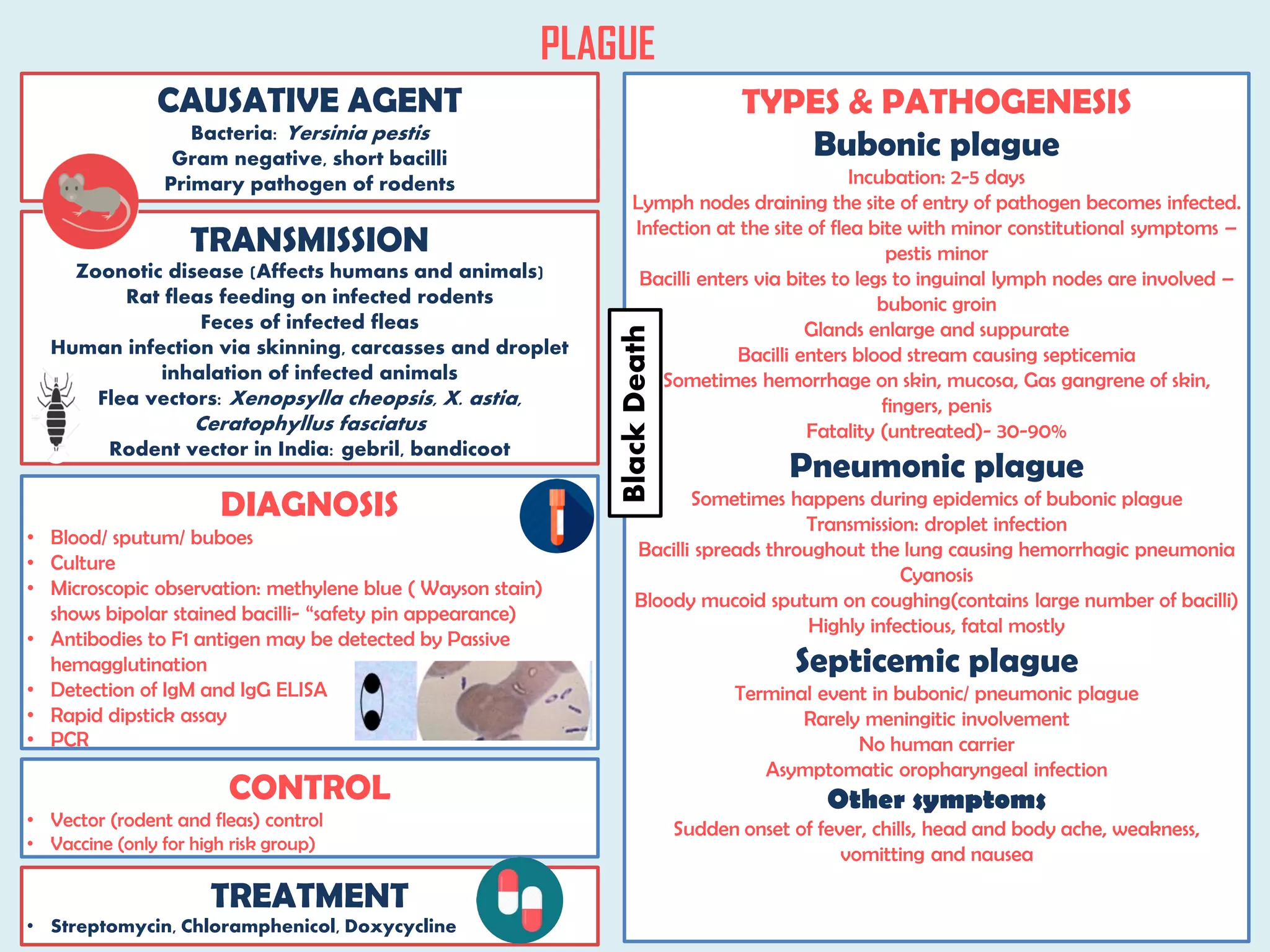
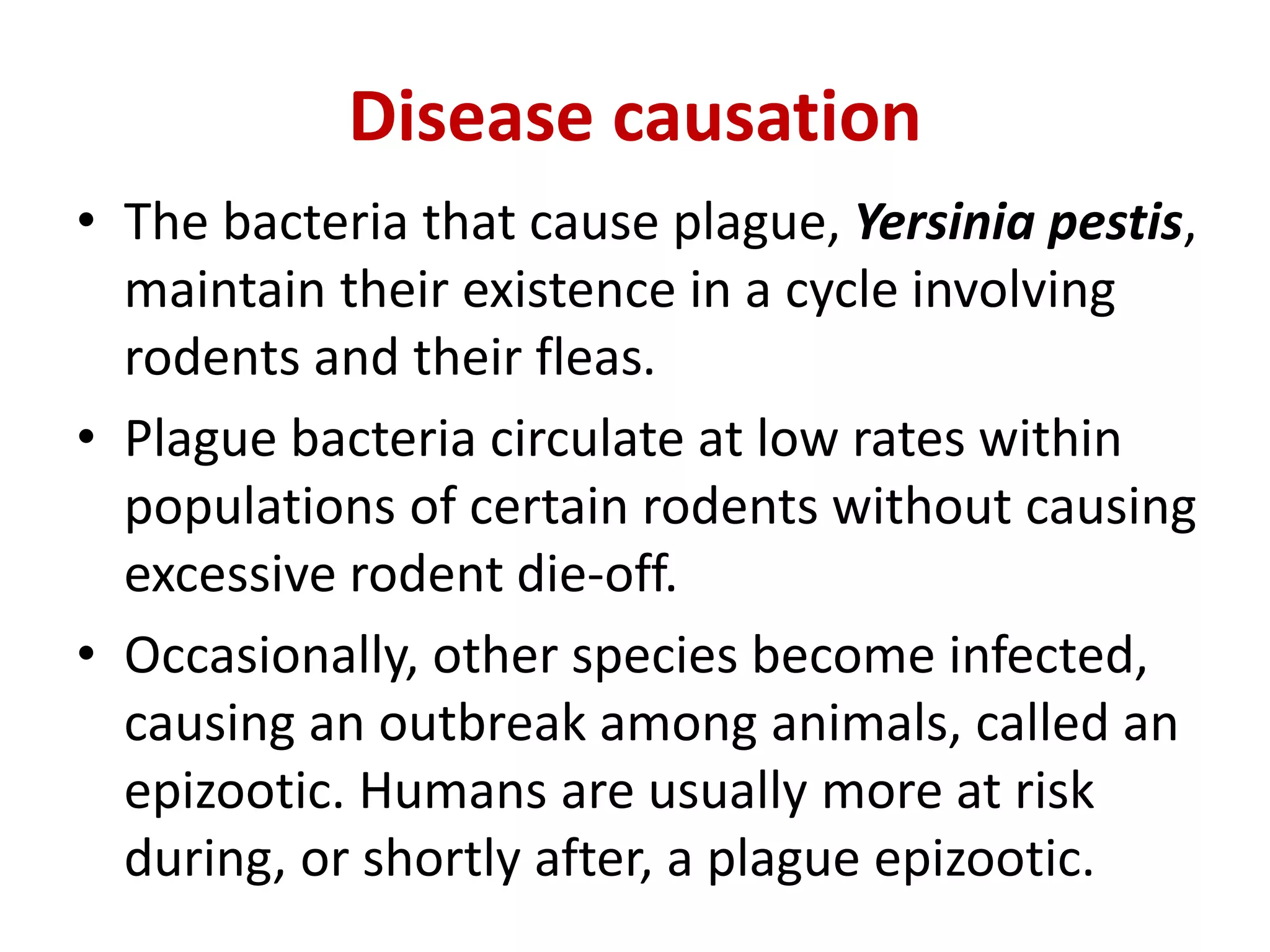
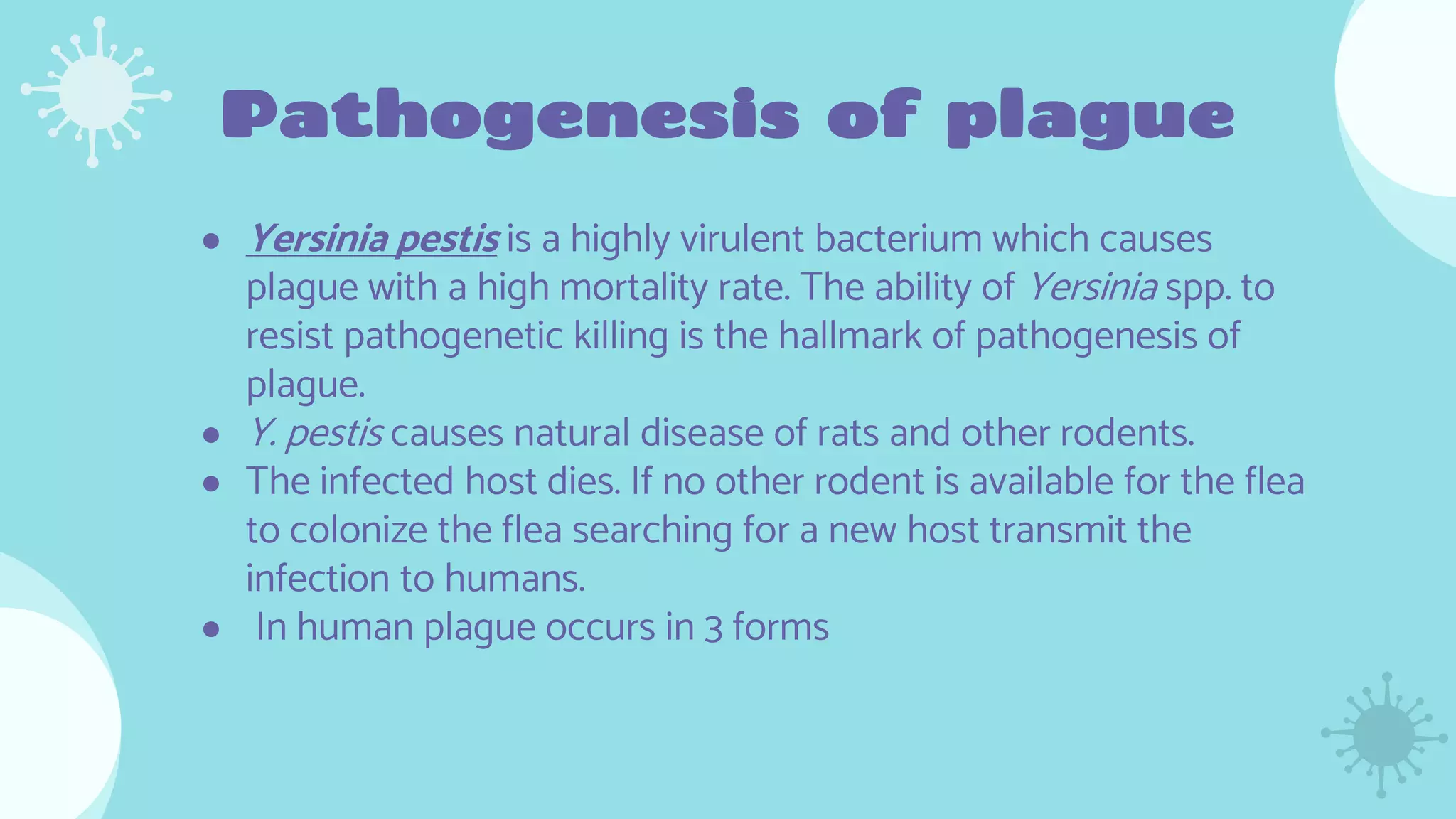
While many modern "rodent plagues" are discussed in terms of agricultural loss, the term is inextricably linked to the disease caused by the bacterium Yersinia pestis. This pathogen is naturally circuited among wild rodents in "foci" or endemic areas across the globe, including parts of Central Asia, Africa, and the Southwestern United States.
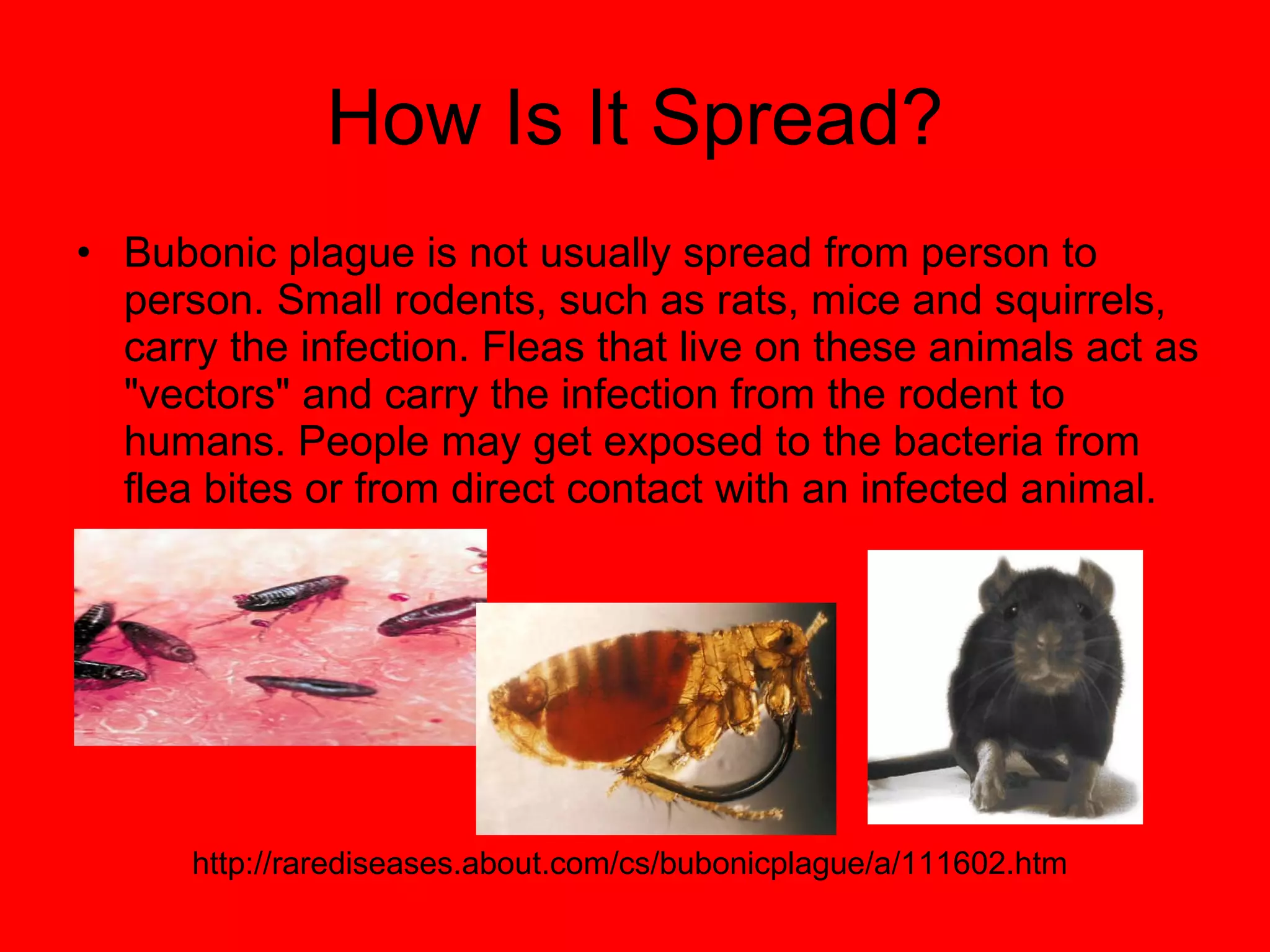
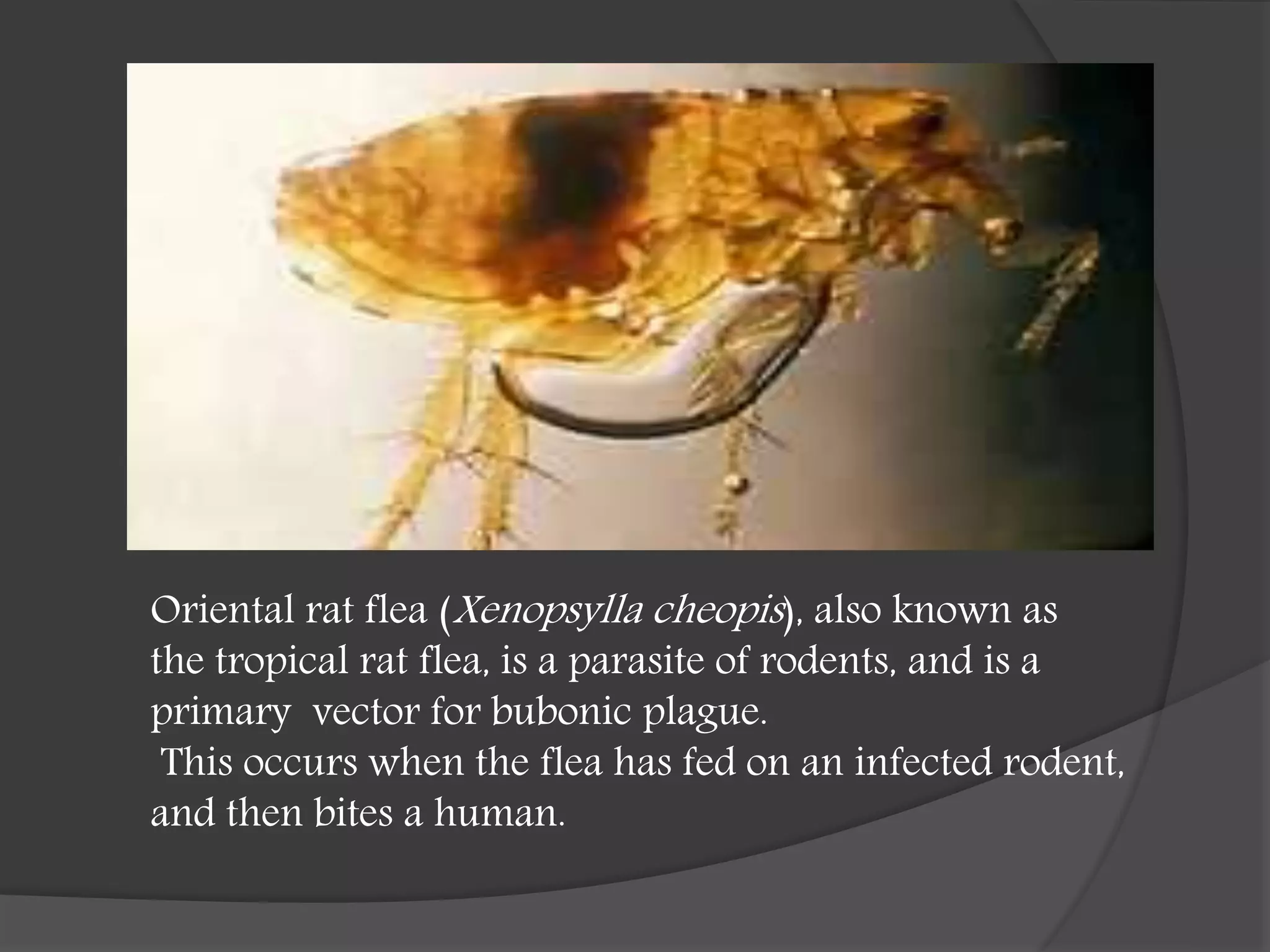
The transition from a rodent-based infection to a human epidemic typically occurs through the bite of an infected flea, most notably the Oriental rat flea (Xenopsylla cheopis). When a rodent host dies from the plague, the fleas seek new warm-blooded hosts, frequently jumping to humans in proximity.
There are three primary clinical forms of the plague associated with rodent vectors:
- Bubonic Plague: The most common form, characterized by swollen, painful lymph nodes called "buboes." It results from an infected flea bite.
- Septicemic Plague: Occurs when the bacteria multiply in the bloodstream. This can happen from a flea bite or from handling an infected animal. It often causes skin and other tissues to turn black and die (necrosis), particularly on fingers, toes, and the nose.
- Pneumonic Plague: The most virulent and dangerous form. It occurs when the bacteria infect the lungs. This form is uniquely dangerous because it can be spread from person to person through respiratory droplets, potentially causing an outbreak independent of the original rodent vector.
Economic and Agricultural Impact of Rodent Plagues
The economic toll of a rodent plague is multi-faceted, affecting primary production, storage, and infrastructure. In major agricultural hubs, a mouse plague can result in the total loss of winter crops before they are even harvested. Rodents consume the seeds in the ground, bark the stems of maturing plants, and foul the grain that survives.
Beyond the fields, the impact extends to:
- Storage Contamination: Rodents infiltrate silos and grain bunkers. A single mouse can contaminate vastly more food than it eats through droppings, urine, and hair, rendering entire shipments unfit for human consumption.
- Infrastructure Damage: Rodents have a physiological need to gnaw to keep their ever-growing incisors sharp. This leads to the destruction of electrical wiring in tractors, harvesters, and irrigation controllers, often resulting in expensive repairs and fire hazards.
- Livestock Stress: In intensive farming environments like piggeries or poultry sheds, massive rodent populations compete for feed and cause significant stress to the livestock, which can lead to reduced growth rates and secondary infections.
Zoonotic Diseases Beyond the Plague
While Yersinia pestis is the most famous pathogen associated with these animals, a rodent plague brings a variety of other health risks. In 2026, health authorities remain vigilant regarding several other zoonotic diseases that flourish during population surges.
Leptospirosis
Leptospirosis is caused by bacteria of the genus Leptospira. It is transmitted through the urine of infected rodents. During a plague, the sheer volume of urine in the environment increases the risk of the bacteria leaching into water sources or contaminating surfaces. Humans are infected through contact with skin abrasions or mucous membranes. If untreated, it can lead to kidney damage, meningitis, or liver failure.
Hantavirus Pulmonary Syndrome (HPS)
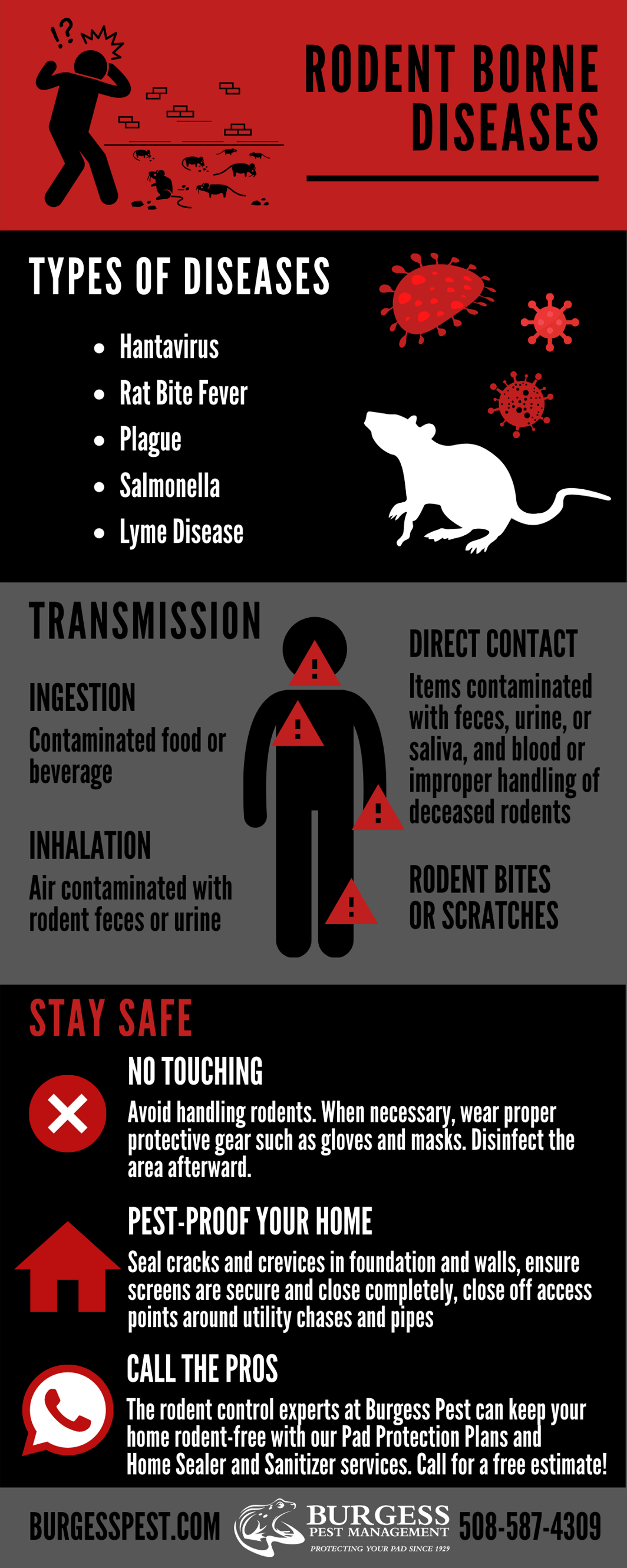
Hantaviruses are carried by specific species of rodents, such as the deer mouse in North America. The virus is shed in droppings, urine, and saliva. The primary risk to humans occurs when these materials are disturbed—for example, during the cleaning of a shed or barn—and the virus becomes aerosolized. Inhaling these particles can lead to HPS, a severe and sometimes fatal respiratory disease.
Salmonellosis
Rodents are frequent carriers of Salmonella. As they move across food preparation surfaces or through grain storage areas, they spread the bacteria via their feces. This remains one of the most common ways rodent plagues affect urban populations, leading to widespread foodborne illness outbreaks.
Comparison of Major Rodent-Borne Pathogens
The following table summarizes the primary diseases associated with rodent outbreaks, their transmission methods, and their typical severity.
| Disease | Pathogen Type | Primary Vector/Source | Transmission to Humans | Severity/Risk |
|---|---|---|---|---|
| Bubonic Plague | Bacterium (Y. pestis) | Rat Fleas | Flea bites, contact with tissue | High; fatal if untreated |
| Leptospirosis | Bacterium (Leptospira) | Rodent Urine | Contaminated water/soil | Moderate to High |
| Hantavirus (HPS) | Virus (Hantaviridae) | Droppings/Saliva | Inhalation of aerosols | Very High |
| Salmonellosis | Bacterium (Salmonella) | Feces | Ingestion of contaminated food | Moderate |
| Rat-Bite Fever | Bacterium (S. moniliformis) | Saliva/Mucus | Bites, scratches, or ingestion | Moderate |
Management and Prevention: Integrated Pest Management (IPM)
Controlling a rodent plague requires more than just reactive baiting. An Integrated Pest Management (IPM) approach is necessary to reduce populations effectively while minimizing environmental damage. By 2026, these strategies have become more sophisticated, utilizing predictive modeling and targeted delivery systems.
Monitoring and Early Warning
Early intervention is the most effective way to prevent a population "explosion." Farmers and health officials use "mouse chew cards"—pieces of paper soaked in linseed oil—to monitor activity levels. High consumption rates on these cards indicate that a population surge is imminent. Satellite imagery and weather data are also used to predict outbreaks based on vegetation growth patterns.
Chemical Controls (Rodenticides)
Chemical control remains a cornerstone of plague management. These generally fall into two categories:
- Acute Toxins: Such as Zinc Phosphide. These are used for broadacre baiting because they work quickly and do not persist in the environment, reducing the risk of secondary poisoning to predators like owls and hawks.
- Anticoagulants: These are typically used in and around buildings. They prevent the blood from clotting, leading to internal hemorrhaging. However, due to concerns regarding secondary poisoning and the development of resistance, their use is increasingly regulated and targeted.
Habitat Modification and Proofing
To prevent rodents from establishing a foothold in human dwellings or storage areas, physical barriers are essential. This includes:
- Sealing Entry Points: Mice can fit through gaps as small as 6mm (the size of a pencil). Using steel wool or metal flashing to block holes is a primary defense.
- Sanitation: Removing "harborage" (piles of wood, tall grass, or rubbish) near buildings reduces nesting sites. Ensuring that animal feed and human food are stored in rodent-proof containers limits the available energy for breeding.
What to Do During an Active Rodent Plague
If you find yourself in an area experiencing a rodent population surge, specific safety protocols should be followed to minimize health and property risks.
- Avoid Dry Sweeping: Never sweep or vacuum areas with heavy rodent droppings, as this can aerosolize viruses like Hantavirus. Instead, use a disinfectant or a bleach solution to wet the area down before cleaning with a damp cloth or mop.
- Personal Protective Equipment (PPE): When cleaning infested areas, wear gloves and a high-quality mask (N95 or better) to prevent inhalation of dust and pathogens.
- Secure Infrastructure: Check electrical boxes and vehicle engine bays regularly. Rodents are attracted to the warmth of engines and the soy-based coatings often used on modern wiring.
- Professional Consultation: If an infestation exceeds basic trapping capabilities, consult a licensed pest control operator who has access to industrial-grade baits and specialized delivery equipment.
Frequently Asked Questions
Can the "Black Death" happen again in 2026?
While the Yersinia pestis bacterium still exists in wild rodent populations, a pandemic on the scale of the historical Black Death is highly unlikely. Modern sanitation, flea control, and the effectiveness of antibiotics like streptomycin and doxycycline mean that most cases are caught and treated early. However, localized outbreaks still occur, and pneumonic plague remains a serious public health concern due to its potential for rapid transmission.
Why do some years have more rodents than others?
Rodent populations are heavily influenced by the "bottom-up" availability of food and "top-down" pressure from predators. Most plagues follow an unusually high rainfall season that produces an abundance of seeds and vegetation. If this follows a drought that has thinned out predator populations (like snakes and raptors), the rodents can breed without significant checks on their numbers.
Are natural deterrents like peppermint oil effective during a plague?
While peppermint oil or ultrasonic devices may have a mild repellent effect in a small, enclosed space with a low population, they are entirely ineffective during a rodent plague. When millions of rodents are competing for food and nesting space, the biological drive to survive and reproduce far outweighs the minor irritation caused by scents or sounds.
Is it safe to eat food that a mouse has nibbled on?
No. You should discard any food that shows signs of rodent contact. Rodents carry a wide array of pathogens in their saliva and on their fur. Even if you cut off the "nibbled" part, the item may be contaminated with urine or bacteria that are invisible to the eye, such as Salmonella or Leptospira.
How long does a rodent plague typically last?
A rodent plague usually lasts until one of three things happens: the food supply is exhausted, a mass disease event occurs within the rodent population (often a virus that spreads quickly in crowded conditions), or a change in weather (such as a severe frost or flood) kills off the juveniles. Most acute plagues last between 6 and 18 months.
Next Actions for Risk Mitigation
To effectively manage the risks associated with a rodent plague, individuals and agricultural managers should prioritize biosecurity and monitoring. Begin by conducting a thorough audit of all grain and food storage areas to ensure they are structurally sound and rodent-proof. Implement a consistent monitoring program using chew cards or motion-activated cameras to detect population increases before they reach a crisis point. If you are in a high-risk region, maintain a stock of approved baits and PPE, and ensure that all staff or family members are trained in safe cleaning protocols to prevent zoonotic disease transmission.