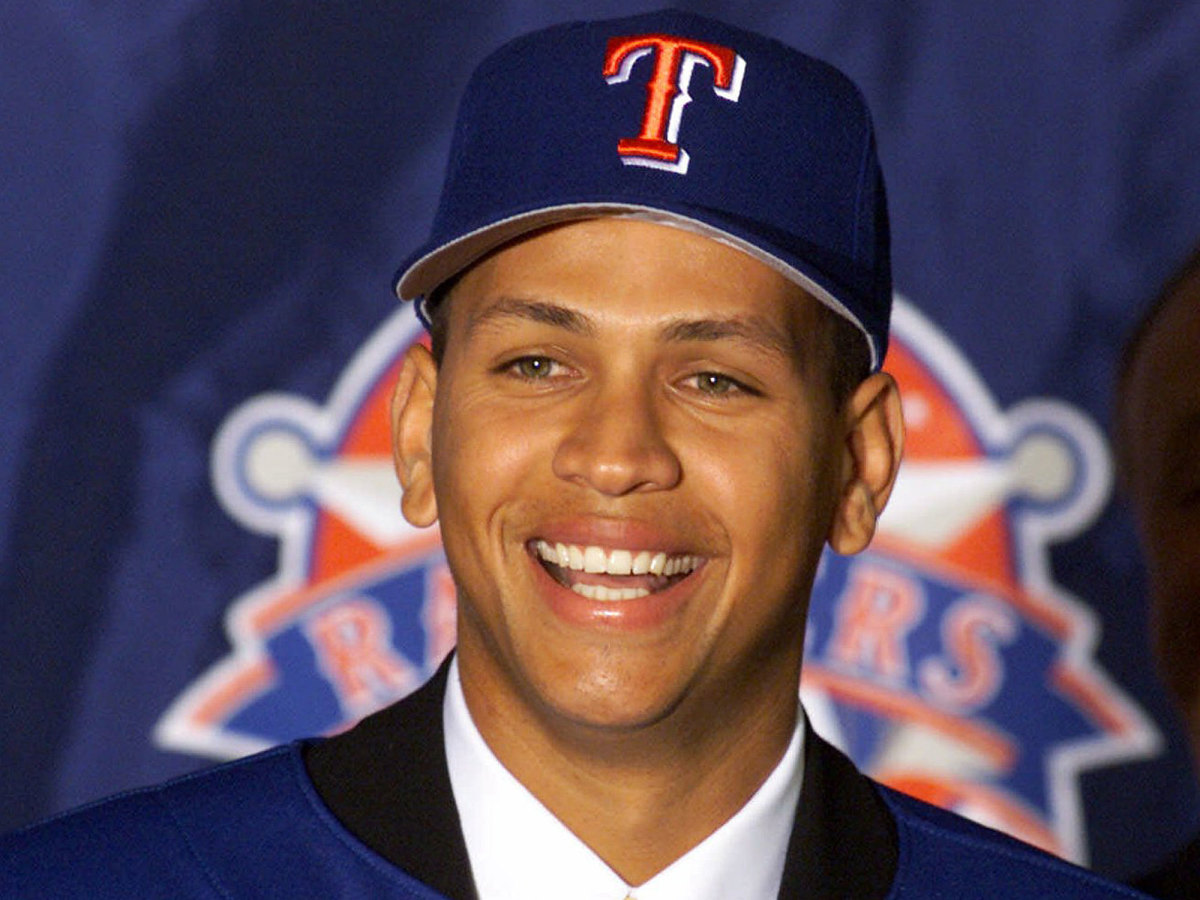
Alex Rodriguez, widely known by his nickname "A-Rod," is of Dominican ethnicity. Born in Washington Heights, Manhattan, to Dominican immigrant parents Victor Rodriguez and Lourdes Navarro, Rodriguez possesses a rich Dominican-American cultural background. His early life involved moving between New York, Santo Domingo, and Miami, deeply shaping his personal identity, professional baseball career, and post-sports business ventures.
The Cultural Roots of Alex Rodriguez: Dominican Heritage and Family Background
Understanding the ethnicity and cultural identity of Alex Rodriguez requires examining his family's origin story. Both of his parents, Victor Rodriguez and Lourdes Navarro, were born and raised in the Dominican Republic before emigrating to the United States in search of economic opportunity.
Rodriguez was born on July 27, 1975, in Washington Heights, a neighborhood in Upper Manhattan famously known as the epicenter of New York City’s Dominican community. Washington Heights provided an environment steeped in Dominican culture, language, music, and traditions. However, when Alex was just four years old, his parents decided to move the family back to Santo Domingo, the capital of the Dominican Republic.
Living in Santo Domingo from ages four to eight exposed Rodriguez directly to his ancestral homeland. In the Dominican Republic, baseball—locally referred to as pelota—is more than a sport; it is a central pillar of national identity and daily life. During these formative years, young Alex developed a passion for the game while surrounded by extended family, Spanish-language commentary, and local baseball culture.
His father, Victor, had previously played baseball in the Dominican Republic, which further connected Alex to the sport. Although his parents separated when Alex was nine years old after the family relocated to Florida, the Dominican values of perseverance, extended family support, and cultural pride remained core elements of his upbringing.
From Santo Domingo to Miami: The Formative Geographic Journey
After their four-year stay in Santo Domingo, the Rodriguez family returned to the United States, settling in Miami, Florida—specifically in the Kendall and Westchester areas. South Florida’s vibrant multicultural landscape provided a natural bridge between Rodriguez’s Dominican heritage and American youth culture.
Following his parents' separation, Alex was raised primarily by his mother, Lourdes, alongside his half-siblings Joe, Susy, and Victor M. Lourdes worked multiple jobs—including working as a secretary during the day and serving food as a waitress at night—to support the household and fund Alex's developing athletic talents. Rodriguez has frequently cited his mother's work ethic as the primary inspiration behind his relentless drive on the field and in business.
Manhattan (Washington Heights) ➔ Santo Domingo (Dominican Republic) ➔ Miami (Florida) [Birthplace / Dominican Hub] [Cultural Immersion / Ages 4-8] [High School / Athletic Rise]
In Miami, Rodriguez attended Westminster Christian School, where he established himself as one of the top high school baseball prospects in the United States. Despite his rapid rise through American amateur sports systems, his household remained distinctly Dominican:
- Spanish was spoken regularly at home.
- Traditional Dominican cuisine was a staple of daily family meals.
- Strong ties were maintained with relatives living in Santo Domingo.
This dual cultural experience created a blend of American athletic training and Dominican cultural grounding, a foundation that defined his public identity throughout his 22-season Major League Baseball (MLB) career.
Alex Rodriguez’s Heritage at a Glance: Key Demographic and Cultural Milestones
The following table summarizes the demographic, geographic, and cultural aspects of Alex Rodriguez’s background:
| Category | Detail / Description |
|---|---|
| Ethnic Identity | Dominican-American (Hispanic / Latino) |
| Paternal Lineage | Father: Victor Rodriguez (Dominican Republic) |
| Maternal Lineage | Mother: Lourdes Navarro (Dominican Republic) |
| Birthplace | Washington Heights, Manhattan, New York City, USA |
| Ancestral Homeland Exposure | Lived in Santo Domingo, Dominican Republic (Ages 4–8) |
| Primary Childhood Hometown | Miami, Florida, USA |
| Primary Languages Spoken | English and Spanish (Bilingual) |
| WBC International Representation | Team USA (2006); Committed to Team Dominican Republic (2009) |
| Key Cultural Hub affiliations | Washington Heights (NYC), Santo Domingo (DR), Miami (FL) |
Dual Identity in Professional Sports: Representing Dominican and American Roots
Navigating a dual cultural identity is a common experience for first-generation Americans, and Rodriguez’s professional career frequently put this dynamic on public display. As one of the most visible Hispanic athletes in global sports history, his representation choices drew significant attention from fans in both the United States and the Dominican Republic.
The 2006 and 2009 World Baseball Classic Decisions
The complexity of Rodriguez’s dual heritage emerged prominently during the inaugural World Baseball Classic (WBC) in 2006. Under international tournament rules, athletes eligible for multiple nationalities can select which country to represent.
Initially, Rodriguez faced a difficult decision between playing for Team USA (his country of birth) or Team Dominican Republic (his ancestral homeland). In 2006, he ultimately selected Team USA after careful deliberation, a choice that sparked intense debate among Dominican fans who hoped to see him lineup alongside fellow Dominican superstars like David Ortiz, Pedro Martínez, and Vladimir Guerrero.
Acknowledging his deep connection to his parents' homeland, Rodriguez later committed to represent Team Dominican Republic in the 2009 World Baseball Classic. Although an hip injury and subsequent surgery forced him to withdraw from the tournament prior to competition, his commitment underscored his lifelong pride in his Dominican roots.
Impact on Hispanic Representation in Major League Baseball
Throughout his career with the Seattle Mariners, Texas Rangers, and New York Yankees, Rodriguez served as a high-profile representative of the growing Hispanic footprint in professional sports. He reached historical milestones—including hitting 696 home runs and winning three American League Most Valuable Player (MVP) awards—as part of a generation of Dominican-heritage players who reshaped the landscape of American baseball.
He frequently used his platform to highlight the talent pipeline coming out of the Dominican Republic, emphasizing the need for investment in youth academies and educational infrastructure in Caribbean nations.
Philanthropy and Business Leadership: Connecting Heritage to Purpose
Following his retirement from professional baseball in 2016, Rodriguez shifted his primary focus to business through his investment firm, A-Rod Corp, while expanding his philanthropic efforts targeting Dominican and Latino communities.
Supporting Youth and Education in Miami and the Dominican Republic
Rodriguez’s philanthropic initiatives focus heavily on providing educational and athletic opportunities to underserved youth, particularly in communities similar to the ones in which he grew up:
- Boys & Girls Clubs of Miami-Dade: Having attended the club as a child, Rodriguez donated millions of dollars to construct state-of-the-art educational and baseball facilities for local Miami youth, many of whom come from Dominican and Central American immigrant families.
- Dominican Educational Initiatives: Through personal contributions and foundation grants, Rodriguez has funded educational supplies, school renovations, and youth sports programs in Santo Domingo and rural regions of the Dominican Republic.
- University Scholarships: He established scholarship programs targeting first-generation college students, emphasizing access to higher education for minority youth.
Latino Executive Representation in North American Sports Ownership
In 2021, Rodriguez, alongside business partner Marc Lore, initiated the purchase of the NBA’s Minnesota Timberwolves and WNBA’s Minnesota Lynx. This transaction placed him among an elite group of Latino owners in major North American professional sports.
Rodriguez has publicly stated that increasing executive representation for people of Hispanic and Dominican origin is one of his core business goals. By transitioning from elite athlete to major sports franchise owner, he has established a precedent for post-retirement career paths among Latino professional athletes.
Navigating Hispanic Identity in Modern Sports Broadcasting
In his media career as a lead studio analyst for major television networks—including FOX Sports and ESPN—Rodriguez routinely speaks on the global nature of baseball and the importance of Hispanic leadership in front offices.
His bilingual abilities allow him to conduct interviews directly with Spanish-speaking players, bridging communication gaps between international stars and English-speaking media outlets. This dual-language accessibility highlights the ongoing cultural transformation of North American professional sports, where Latino heritage plays a central role in both on-field performance and broadcast coverage.
Frequently Asked Questions
What is Alex Rodriguez's ethnicity?
Alex Rodriguez is of Dominican ethnicity. He is a first-generation Dominican-American, born in New York City to parents who immigrated to the United States from the Dominican Republic.
Where were Alex Rodriguez's parents born?
Both of Alex Rodriguez’s parents, Victor Rodriguez and Lourdes Navarro, were born and raised in the Dominican Republic before moving to the United States.
Did Alex Rodriguez grow up in the Dominican Republic?
Yes, Rodriguez lived in Santo Domingo, the capital of the Dominican Republic, from ages four to eight. He then returned to the United States and spent the remainder of his youth in Miami, Florida.
Does Alex Rodriguez speak Spanish?
Yes, Rodriguez is bilingual and speaks both English and Spanish fluently. Spanish was the primary language spoken in his home during his childhood.
What sports team does Alex Rodriguez co-own?
Alex Rodriguez is a co-owner of the NBA’s Minnesota Timberwolves and the WNBA’s Minnesota Lynx, making him one of the few high-profile Latino owners in major North American professional sports leagues.
Key Takeaways on Alex Rodriguez’s Background and Heritage
Alex Rodriguez’s background reflects a classic dual-cultural experience common to many Dominican-Americans of his generation. Born in Washington Heights, shaped by childhood years in Santo Domingo, and raised in Miami, his identity combines deep respect for his Dominican roots with active engagement in American business and sports culture.
For fans, researchers, and sports historians, recognizing A-Rod's Dominican ethnicity offers essential context for his historical athletic career, his ongoing philanthropic focus in Caribbean and South Florida communities, and his work expanding Hispanic executive leadership across professional sports.