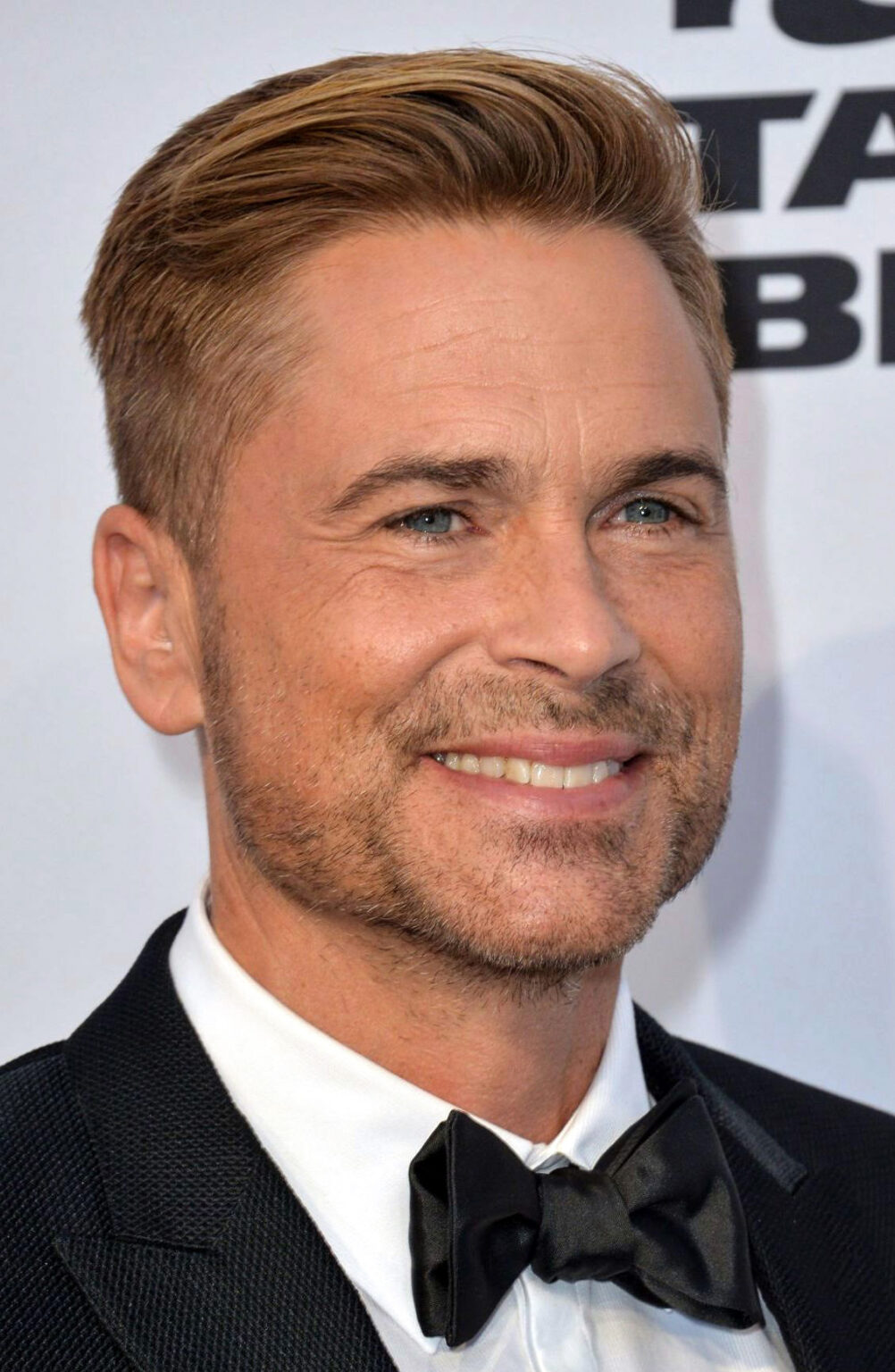
Achieving the Rob Lowe look involves maintaining a versatile, medium-length scissor cut that balances professional structure with natural texture. This style focuses on a tapered nape and sides, combined with a slightly longer, layered top that allows for versatile styling options ranging from a polished side part to a casual, textured finish.
Understanding the Foundation of the Rob Lowe Aesthetic
The Rob Lowe haircut has remained a benchmark in men's grooming for decades because it prioritizes hair health and structural proportion over fleeting trends. Unlike high-contrast fades or disconnected undercuts, the Rob Lowe style relies on traditional scissor-over-comb techniques. This approach ensures that the hair transitions smoothly from the sides to the crown, preventing the harsh lines that can make a haircut appear dated or overly aggressive.
At its core, this style is designed to frame the face. The perimeter is kept tidy, usually following the natural hairline around the ears and neck, which provides a clean, executive appearance. The length on top is the defining feature; it is typically cut long enough to provide volume but short enough to remain manageable without excessive product usage. Because this style emphasizes natural movement, it works exceptionally well for men with straight to slightly wavy hair textures, as these hair types naturally hold the layered structure required to achieve the look.
Essential Components of the Cut
To successfully replicate this style, you must communicate specific technical requirements to your barber or stylist. Avoid requesting a "fade," as this will remove the necessary bulk and blending that characterizes Lowe’s aesthetic. Instead, request a "tapered neck and sides" and emphasize the importance of "scissor-over-comb" work.
The top section should be cut into layers. Layering is critical because it removes weight from the ends of the hair, allowing the strands to stack and create the illusion of fullness. For the fringe, a length that reaches the upper bridge of the nose is standard, allowing it to be swept back or parted to the side. The transition between the top and the sides—known as the "transition zone"—must be blended rather than disconnected. This blending ensures that the hair appears to grow naturally, a hallmark of the sophisticated, low-maintenance look associated with Lowe.
Comparison of Grooming Techniques for Mature Styles
Choosing the right approach depends heavily on your specific hair density and current length. The following table compares the Rob Lowe style against other common professional haircuts to help you determine if it aligns with your grooming goals.
| Feature | Rob Lowe Style | Classic Ivy League | Modern Fade |
|---|---|---|---|
| Side Technique | Scissor-over-comb | Tapered clippers | Faded to skin |
| Top Length | Medium-Long | Short | Variable |
| Maintenance | Every 4–6 weeks | Every 2–3 weeks | Every 1–2 weeks |
| Styling Time | 3–5 minutes | 1–2 minutes | 5+ minutes |
| Primary Vibe | Professional/Casual | Conservative | Edgy/Modern |
Product Selection and Maintenance
Maintaining the Rob Lowe look in 2026 requires a shift toward products that offer hold without compromising the hair's natural appearance. Heavy gels or high-shine pomades that create a "wet" look are generally avoided in favor of matte clays, light-hold creams, or grooming pastes. These products provide the necessary control to keep the hair in place while maintaining a soft, touchable texture.
Apply a small amount of product to damp, towel-dried hair to establish the direction of the style. Using a high-quality blow dryer on a low-heat setting, lift the hair at the roots to build volume. If you prefer a more natural look, allow the hair to air dry after applying a light sea salt spray or texturizing cream. Because this haircut relies on subtle layers, keeping the ends healthy is essential. Regular appointments—ideally every four to six weeks—are necessary to prevent split ends from ruining the silhouette of the cut.
Adapting the Look for Different Hair Types
While the Rob Lowe aesthetic is often associated with a specific hair density, it can be adapted for various hair types with minor technical adjustments. For men with finer hair, the cut should feature shorter, more aggressive layering on the top to create a "bunching" effect, which makes the hair appear thicker. Conversely, for men with coarse or thick hair, the stylist should utilize thinning shears or point-cutting techniques to remove excess bulk, preventing the hair from appearing "poofy" or unruly.
If your hair has a natural wave, you are in an ideal position to pull off this style, as the wave naturally reinforces the texture of the cut. Simply use a curl-defining cream instead of a heavy wax to accentuate the movement in the hair. For those with very straight hair, adding a light texturizing powder at the roots can provide the grip needed to prevent the hair from lying flat against the scalp.
Frequently Asked Questions
How do I describe this haircut to my barber?
Ask for a "classic medium-length scissor cut" with a "natural, tapered neckline." Emphasize that you want to maintain length on top for styling versatility and request "blended sides" using scissor-over-comb techniques rather than clippers. Bringing a reference photo of the specific look you prefer is the most effective way to eliminate ambiguity.
What is the best product for achieving the "Rob Lowe" style?
Use a low-shine, medium-hold styling cream or a matte hair clay. These products provide enough structure to keep the hair in place while maintaining a natural, non-greasy finish. Avoid high-gloss gels, which can make the hair look thin or overly groomed in a way that deviates from the intentional, effortless aesthetic of this style.
How often should I get my hair cut to maintain this look?
To maintain the precise shape of this cut, visit your barber every four to six weeks. While the style is forgiving because it does not rely on a short fade, the "tapered" sides will eventually lose their clean appearance as they grow out. Frequent, minor trims are better for this style than infrequent, significant cuts.
Can this haircut work with thinning hair?
Yes, this style can be adapted for thinning hair by keeping the top slightly shorter and utilizing more textured layers. The lack of harsh, shaved sides helps prevent an obvious contrast between the scalp and the hair, which can often make thinning appear more pronounced. Consult your barber about using "texturizing" techniques to create more movement and volume.
Will this style work for formal and casual settings?
The versatility of this cut is its greatest strength. Because the cut is inherently polished, it transitions seamlessly from formal business environments to casual weekend settings. By changing how you style the top—using a side part for formal occasions and a more windswept, textured look for casual outings—you can adapt the haircut to any social context without needing a change in the length itself.
Next Steps for Your Consultation
When booking your next appointment, request a consultation with your barber or stylist to assess your hair density and growth patterns. Ask them to confirm if your hair’s texture can support the layered length required for this look. If your hair is currently shorter, develop a plan for the transition phase, which may involve keeping the top long while periodically cleaning up the neck and ears. Consistent, professional grooming is the most important factor in sustaining this classic look, so find a practitioner who specializes in traditional scissor work and trust their adjustments based on your specific facial shape.