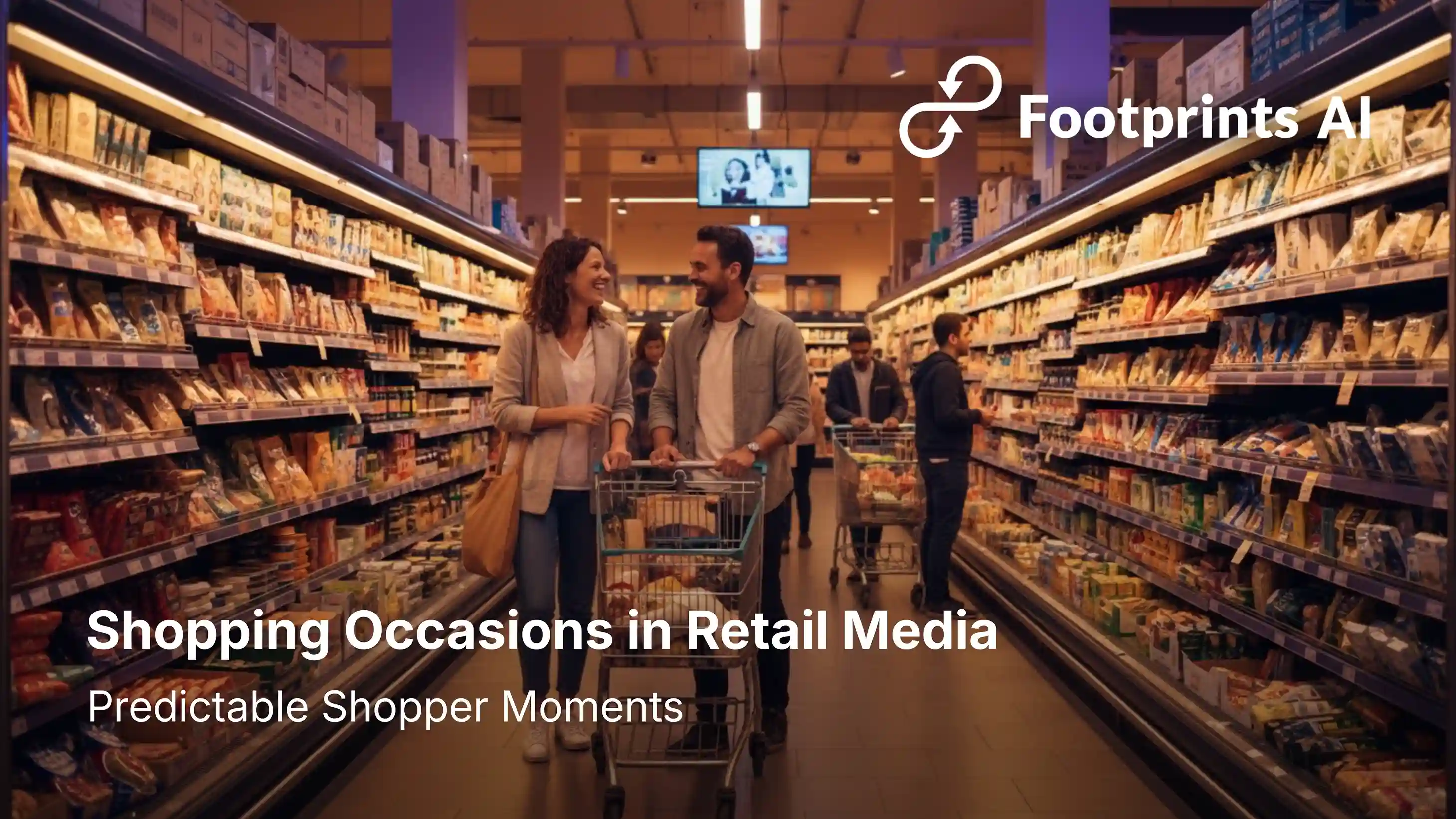
Retail shopping encompasses the entire spectrum of purchasing goods and services from vendors, ranging from brick-and-mortar storefronts and boutiques to digital e-commerce platforms. Effective shopping requires navigating product availability, pricing fluctuations, return policies, and consumer protection laws to ensure a secure transaction and high-quality acquisition for the end user.
The Evolution of the Retail Ecosystem
The landscape of retail shopping has undergone a profound transformation as of 2026. While the traditional physical store remains a primary destination for immediate needs and sensory product evaluation, the digital marketplace has integrated advanced logistics and personalization technologies. This dual-channel environment requires consumers to understand how to leverage both physical inspection and digital convenience.
Modern retail is categorized into several distinct sectors. Specialized retailers focus on specific product niches, such as electronics or apparel, providing deeper expertise and curated inventories. Conversely, department stores and big-box retailers offer a broad range of goods, prioritizing convenience and competitive pricing through bulk procurement. Understanding these distinctions helps shoppers identify where to source specific items based on their requirements for quality, price, and post-purchase support.
Evaluating Product Value and Cost
One of the most critical aspects of retail shopping is the accurate assessment of value beyond the sticker price. In an era of dynamic pricing—where digital costs can shift based on demand or browsing behavior—consumers must employ methodical comparison strategies.
When evaluating a purchase, consider the Total Cost of Ownership (TCO). This includes not only the initial purchase price but also the costs associated with maintenance, required consumables, and potential repair services. For high-value items like home appliances or consumer electronics, investigating the manufacturer’s warranty and the availability of authorized service centers is essential.
Comparison Table: Retail Shopping Channels
| Channel | Advantages | Best For | Typical Limitations |
|---|---|---|---|
| Physical Stores | Immediate possession, sensory testing | Apparel, fresh goods, large furniture | Limited inventory, travel time |
| Direct-to-Consumer | Lower costs, brand support | Specialized niche items | Potential shipping delays |
| Online Marketplaces | Vast variety, user reviews | Commodity goods, electronics | Verification of seller legitimacy |
| Outlet/Discount | Significantly lower prices | Past-season goods, bulk items | Final sale policies, irregular stock |
Navigating Consumer Protections and Returns
Retail shopping involves a legal relationship between the buyer and the seller. In most jurisdictions, statutory rights provide basic protections, such as the guarantee that goods must be of satisfactory quality and fit for their intended purpose. However, individual store policies often supplement these base requirements with more generous return windows or exchange programs.
Before completing a transaction, verify the following:
- Return Window: Determine how many days you have to return the item.
- Restocking Fees: Check if high-value items, particularly electronics, carry a penalty for returns.
- Proof of Purchase: Retain digital receipts or physical invoices; in 2026, many retailers utilize cloud-based receipt tracking via customer accounts to simplify this process.
- Exclusions: Be aware that items like undergarments, software with broken seals, or clearance stock are frequently exempt from standard return policies.
If a product fails to perform as advertised, the primary step is to contact the retailer’s customer service department. If the retailer is unresponsive or the product has a latent defect, reference the manufacturer’s warranty information. Keep detailed records of all correspondence, including reference numbers and the names of representatives, to assist in dispute resolution.
Digital Security in the Retail Environment
As digital transactions become standard, security remains paramount. Retailers use complex payment gateways to process transactions, yet consumers are still responsible for basic data hygiene. Never store payment information on public or shared devices, and prioritize the use of secure payment methods, such as credit cards or encrypted digital wallets, which often provide additional layers of fraud protection compared to direct debit transactions.
When shopping at new or unfamiliar online retailers, verify their site security by looking for the padlock icon in the browser address bar, which indicates an active SSL (Secure Sockets Layer) certificate. Furthermore, research the company’s reputation through independent consumer protection agencies or third-party review platforms to ensure the business operates with transparency.
Avoiding Common Retail Pitfalls
Even seasoned shoppers can fall prey to common traps designed to increase impulse spending. One such practice is the use of "psychological pricing," where items are marked just below a round number (e.g., $99.99 instead of $100.00) to create the perception of a better deal.
To mitigate these pressures:
- Maintain a Shopping List: Stick to pre-defined needs to avoid unnecessary purchases.
- Review Unit Pricing: Ignore the total price momentarily and look for the price per ounce, pound, or unit. This is the most accurate way to compare similar products from different brands.
- Monitor Seasonal Cycles: Recognize that certain categories, such as clothing or home decor, follow predictable markdown schedules based on end-of-season inventory clearance.
Frequently Asked Questions
How can I ensure I am getting the best price for an item?
Start by checking at least three different retailers to establish a baseline price. Use historical price trackers if available to determine if the current discount is genuine or if the price was artificially inflated before a sale.
Are extended warranties worth the cost?
Extended warranties are generally cost-effective only for high-complexity items prone to wear, such as premium laptops or major kitchen appliances. For low-cost items, the administrative burden and the likelihood of the warranty exceeding the item’s value make them poor investments.
What should I do if my online order never arrives?
Contact the retailer immediately to request a status update or proof of delivery. If the retailer cannot provide evidence of successful delivery, notify your credit card issuer to initiate a chargeback for goods not received.
Is it safer to shop with a credit card or a debit card?
Credit cards are safer because they generally carry lower liability for fraudulent charges and separate your personal cash funds from the transaction, allowing you time to dispute charges before the payment is finalized.
How do I handle a dispute with a retailer?
Document everything. Start by requesting a formal review from the store manager. If that fails, contact your credit card company or bank to file a dispute, providing all documentation, including receipts, photos of defects, and logs of your attempts to contact the retailer.
Recommendations for Informed Purchasing
To optimize your retail experience, adopt a "Verify First" methodology. Before purchasing any significant asset, verify the seller's legitimacy, confirm the return policy in writing, and compare the unit price across at least two competing vendors. By treating every purchase as a strategic transaction rather than an emotional activity, you secure not only the best market price but also the peace of mind that comes with knowing your consumer rights are protected. For ongoing retail needs, consider creating a dedicated email address for receipt management and store communications to maintain a clean record of your purchasing history.