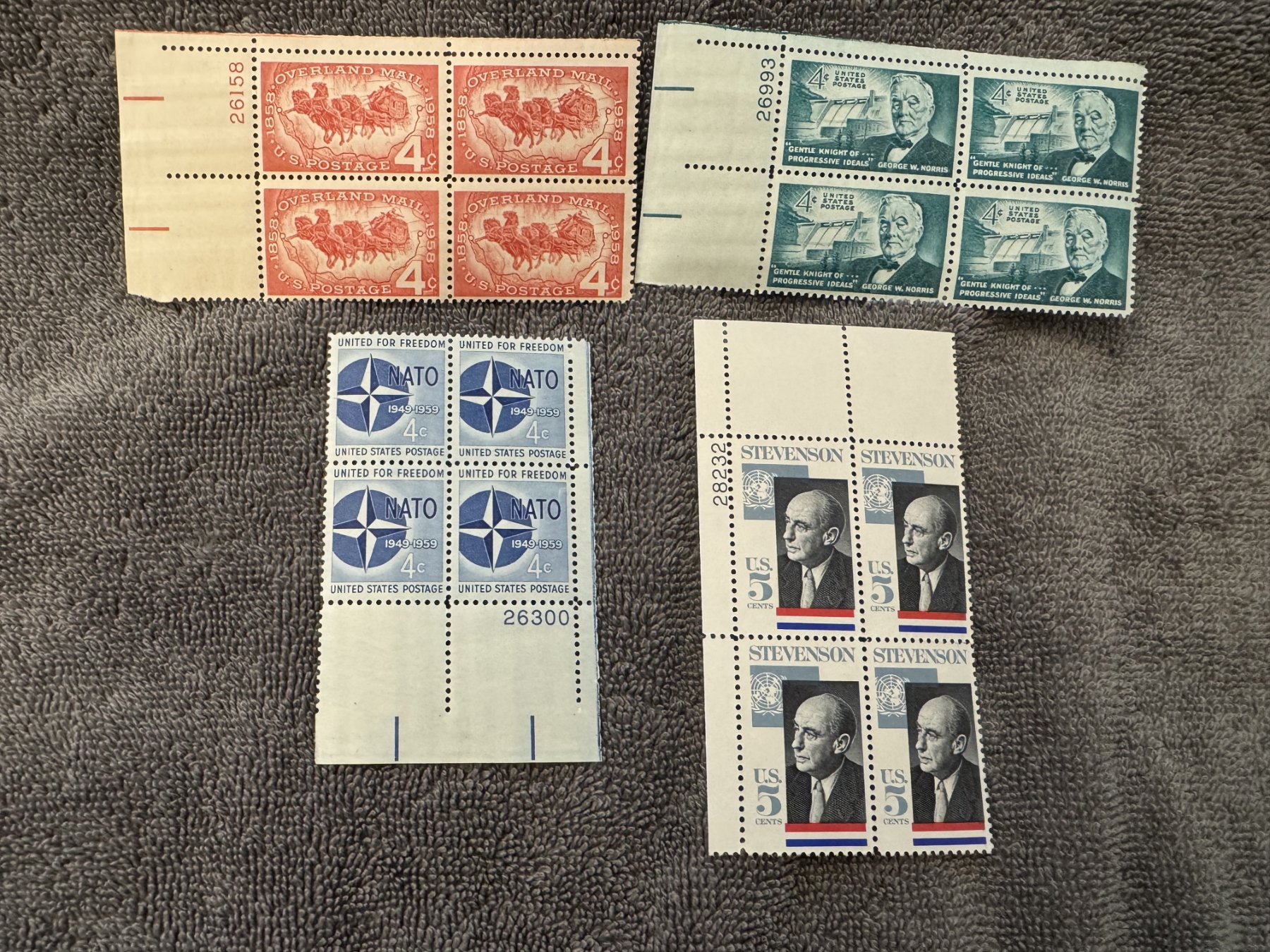
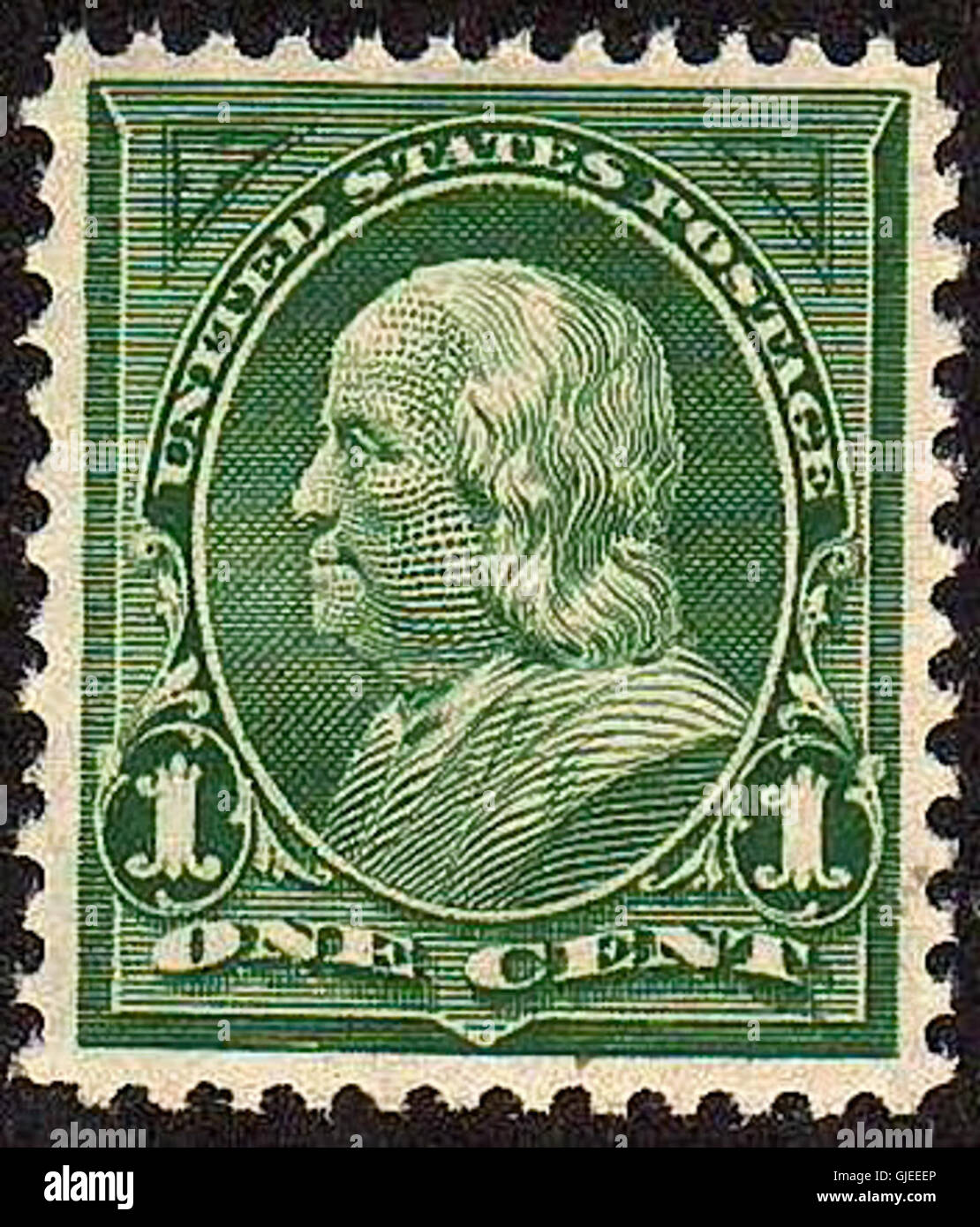
The philatelic landscape in 2026 continues to experience robust demand for rare United States stamps, driven by sophisticated digital authentication tools, shifting generational collector pools, and an increasing appreciation for postal history as a tangible alternative asset. Whether you have inherited a glassine envelope of nineteenth-century issues or are actively curating a specialized collection of twentieth-century airmail errors, understanding the nuances of centering, gum condition, cancellations, and provenance is critical. This comprehensive guide explores the structural mechanics of valuing rare U.S. stamps, the rigorous authentication processes required in 2026, and the primary market forces shaping the hobby today.
Structural Mechanics of Stamp Valuation
Evaluating the market value of rare United States stamps extends far beyond glancing at a catalog price. In 2026, the philatelic community relies on a multi-variable matrix that weighs technical specifications against aesthetic preservation. Catalog values listed in standard references like the Scott Catalogue generally represent retail asking prices for sound, average examples, whereas realized prices at major auction houses often fluctuate based on specific physical attributes.
Physical preservation remains the absolute driver of monetary value. Collectors and institutional buyers examine specimens under high magnification and specialized lighting to grade several core components:
- Centering: The uniformity of the margins surrounding the printed design. A stamp with wide, equal margins on all four sides commands an exponential premium over an issue with overlapping or cut-in borders.
- Gum Condition: Denoted as Mint Never Hinged (MNH), Mint Hinged (MH), or Used. Original gum without any trace of a previous hinge mount remains the gold standard for twentieth-century material, whereas nineteenth-century issues are frequently evaluated with varying degrees of original gum or expertly applied expertization marks.
- Perforations: The integrity of the paper teeth surrounding the stamp. Short, missing, or irregular perforations drastically diminish valuation, while well-preserved comb or line perforations enhance aesthetic appeal.
- Cancellation Type: For used stamps, the nature of the postmark matters immensely. Light, neat cork cancellations, town cancels, or rare railway post office (RPO) markings are prized, whereas heavy, smeared, or pen cancellations reduce collectible value.
Major Milestones in U.S. Philatelic History
To contextualize rarity, collectors must examine the historical production anomalies, printing plate variations, and administrative errors that birthed the most coveted items in American philately. The mid-nineteenth and early twentieth centuries produced several legendary errors due to manual plate assembly and hurried printing runs.
The following comparative breakdown highlights some of the most famous rare United States stamps, detailing their issue year, nominal face value, primary error characteristic, and current market standing as of 2026.
| Stamp Name / Issue | Issue Year | Face Value | Primary Rarity Characteristic | Market Standing & Status (2026) |
|---|---|---|---|---|
| Inverted Jenny | 1918 | 24¢ | Center vignette of the Curtiss JN-4 biplane printed completely upside down. | Premier blue-chip status; single copies regularly realize hundreds of thousands at major sales. |
| Z Grill | 1868 | 1¢ | Embossed with a rare "Z" shaped grille pattern designed to prevent ink removal and stamp reuse. | Ultra-rarity; only two copies known to exist, making it a cornerstone of institutional collections. |
| 1869 Pictorial 24¢ Invert | 1869 | 24¢ | Inverted center showing the Landing of Columbus. | Highly coveted classic error with fewer than 100 recorded surviving examples. |
| Pan-American Invert | 1901 | 1¢ | Two-color issue featuring an inverted center depicting the fast lake steamer. | Extremely scarce multi-colored error type with high collector competition. |
The Step-by-Step Authentication and Grading Workflow
Given the presence of sophisticated forgeries, repaired tears, regummed surfaces, and fake cancellations, professional expertization is mandatory for high-value rare United States stamps. Submitting an item to an accredited grading and authentication service protects capital and establishes verified provenance.
Professional Authentication Standards: Submitting rare philatelic material requires strict adherence to handling protocols. Never attempt to clean, press, or repair a stamp independently, as alterations immediately destroy historical integrity and are easily detected under ultraviolet and infrared examination by expert committees.
Essential Workflow for Verifying and Grading Rare Stamps
- Initial Macro Inspection: Examine the stamp under low-power magnification to identify basic paper type, watermark presence (using standard watermark fluid or modern optical detectors), and perforation gauge measurements.
- Surface and Gum Analysis: Inspect the paper surface using specialized lighting to detect thins, creases, pinholes, or repaired tears. Evaluate the gum side for disturbance, original application consistency, or modern adhesive additions.
- Submission to Recognized Authorities: Package the item securely and submit it to established grading bodies such as the American Philatelic Expertizing Service (APES), the Philatelic Foundation (PF), or Professional Stamp Experts (PSE).
- Certificate Issuance and Database Registration: Upon successful verification, the authority issues a physical certificate detailing the grade (e.g., VF-XF 85), catalog number, and specific condition notes, often accompanied by a secure digital database entry.
Pros and Cons of Collecting Rare United States Stamps
As an alternative asset class and a historical hobby, stamp collecting presents a distinct set of advantages and challenges for modern participants in 2026. Balancing financial objectives with historical passion requires a clear-eyed assessment of market realities.
Advantages of Philatelic Collecting
- Tangible Portability: Rare stamps require minimal physical storage space compared to fine art or classic automobiles, yet they can represent substantial monetary value.
- Historical Engagement: Each stamp serves as a primary historical document reflecting economic, political, and technological milestones of the United States.
- Liquidity Through Specialized Channels: Established global auction networks, specialized dealers, and dedicated collector platforms ensure a transparent secondary market for certified material.
Disadvantages and Market Risks
- Condition Sensitivity: A minor hidden crease or a tiny thinned spot can reduce a stamp's market value by fifty percent or more.
- Counterfeit and Alteration Exposure: High-value items are frequent targets of sophisticated forgers, requiring constant vigilance and expert certification costs.
- Illiquidity of Common Material: While blue-chip rarities sell rapidly, common or uncertified nineteenth-century issues often suffer from low demand and stagnant pricing.
Frequently Asked Questions About Rare United States Stamps
How can I tell if an old U.S. stamp is actually rare?
True rarity depends on a combination of low original printing numbers, specific plate varieties, perforation measurements, and pristine physical condition. Most standard family inheritance stamps issued after 1900 were produced in the millions and carry nominal value, making professional catalog reference checking essential.
Why are certificates of authenticity required for valuable stamps?
Certificates from recognized bodies like the Philatelic Foundation provide an objective, expert guarantee that a stamp is genuine, un-repaired, and correctly identified. High-end buyers and auction houses strictly require these certificates to mitigate the risk of acquiring sophisticated forgeries or altered items.
What does "Mint Never Hinged" (MNH) mean?
Mint Never Hinged refers to a stamp that retains its complete, original factory gum on the reverse side without any trace of a paper hinge mount or disturbance. This condition commands the highest price tier among modern and mid-century collectors.
How are stamps stored to maintain their condition and value?
Stamps must be stored in specialized archival-quality glassine envelopes, stockbooks, or acid-free hingeless albums away from direct sunlight, high humidity, and extreme temperature fluctuations. Using plastic mounts rather than traditional paper hinges is strongly recommended for mint stamps to prevent gum damage.
Where is the best place to sell certified rare United States stamps?
The most effective venues for liquidating high-value philatelic material are major international stamp auction houses and specialized private treaty dealers. These entities offer global reach, competitive bidding environments, and transparent market valuation aligned with current 2026 economic conditions.
Strategic Next Steps for Collectors and Investors
Navigating the market for rare United States stamps in 2026 demands a disciplined approach rooted in education, careful inspection, and reliance on certified documentation. Whether you are seeking to build a museum-quality display or liquidate an inherited holding, begin by cataloging your inventory, verifying measurements, and consulting with accredited philatelic experts to ensure maximum preservation of capital and historical heritage.