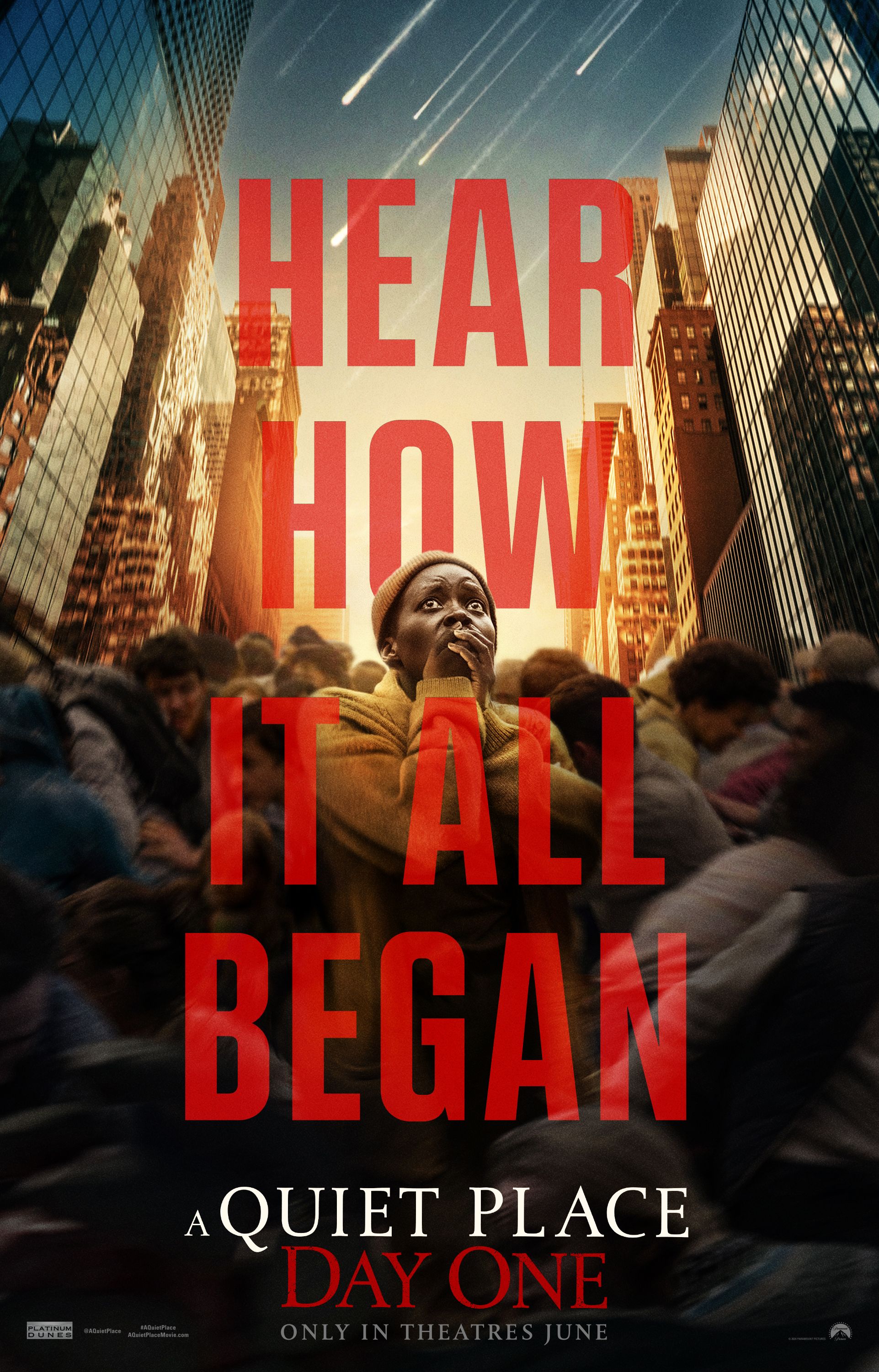
A Quiet Place: Day One reframes the alien invasion franchise by shifting focus from rural survival to a deeply intimate character study set in Manhattan. The film follows Samira, a terminally ill hospice patient, and Eric, an English law student, as they navigate the chaotic initial collapse of New York City while seeking a final moment of personal meaning.
The Arrival: How New York City Fell on Day One
The narrative begins on the day extraterrestrial creatures crash into Earth via meteor fragments. Unlike A Quiet Place and A Quiet Place Part II, which center on the rural, self-sufficient survival tactics of the Abbott family, Day One explores the immediate tactical failure of a high-density urban environment. Manhattan, with a population density exceeding 70,000 people per square mile, becomes a death trap almost instantly.
The creatures—blind, heavily armored apex predators that hunt exclusively through hyper-sensitive hearing—exploit the ambient noise of metropolitan life. Initial explosions, screaming crowds, traffic collisions, and emergency sirens attract swarms of these predators, causing rapid mass casualties across Manhattan within hours.
- Meteor Strikes
- Urban Sound Triggers
- Mass Evacuation Collapse
- Maritime Containment
As the military assesses the threat, two key tactical realities emerge:
- The Water Limitation: The creatures cannot swim and quickly drown in deep water.
- Containment Strategy: To prevent the monsters from spreading to the mainland, the military destroys the bridges and tunnels connecting Manhattan to the outer boroughs, effectively trapping survivors on the island while organizing boat evacuations along the rivers.
For the vast majority of citizens, the objective is reaching the evacuation ferry docks at the southern tip of Manhattan. However, this macro-level catastrophe serves primarily as the backdrop for a much more localized, deeply personal narrative.
Samira’s Quest: Why Pizza Matters in an Apocalypse
At the heart of A Quiet Place: Day One is Samira (Lupita Nyong'o), a poet living in a hospice facility outside Manhattan. Accompanied by her service cat, Frodo, Samira suffers from advanced terminal cancer and relies on regular doses of liquid fentanyl for severe pain management.
When her group home takes a day trip to Manhattan to watch a marionette show, the attack strikes. While the surviving crowd flees toward designated safe zones and evacuation points, Samira intentionally moves in the opposite direction, heading north toward Harlem.
| Category | Details |
|---|---|
| Systemic Threat | Extraterrestrial Invasion (Immediate Death via Sound) |
| Personal Reality | Advanced Stage Cancer (Inevitable Death via Disease) |
| Driven By | Reclaiming agency through a symbolic journey to Patsy's Pizzeria |
Samira's journey to Patsy’s Pizzeria in Harlem is not a whim; it is an act of defiance against a world taking away her autonomy. Patsy's is the restaurant where her late father, a jazz pianist, used to take her after his performances. For Samira, reaching Patsy’s is not about basic sustenance or long-term survival—she knows her life is ending regardless of the alien invasion. Obtaining that specific slice of pizza represents reclaiming control over her remaining time and reconnecting with her fondest memory before her illness or the creatures claim her life.
Character Dynamics: Samira, Eric, and Frodo the Cat
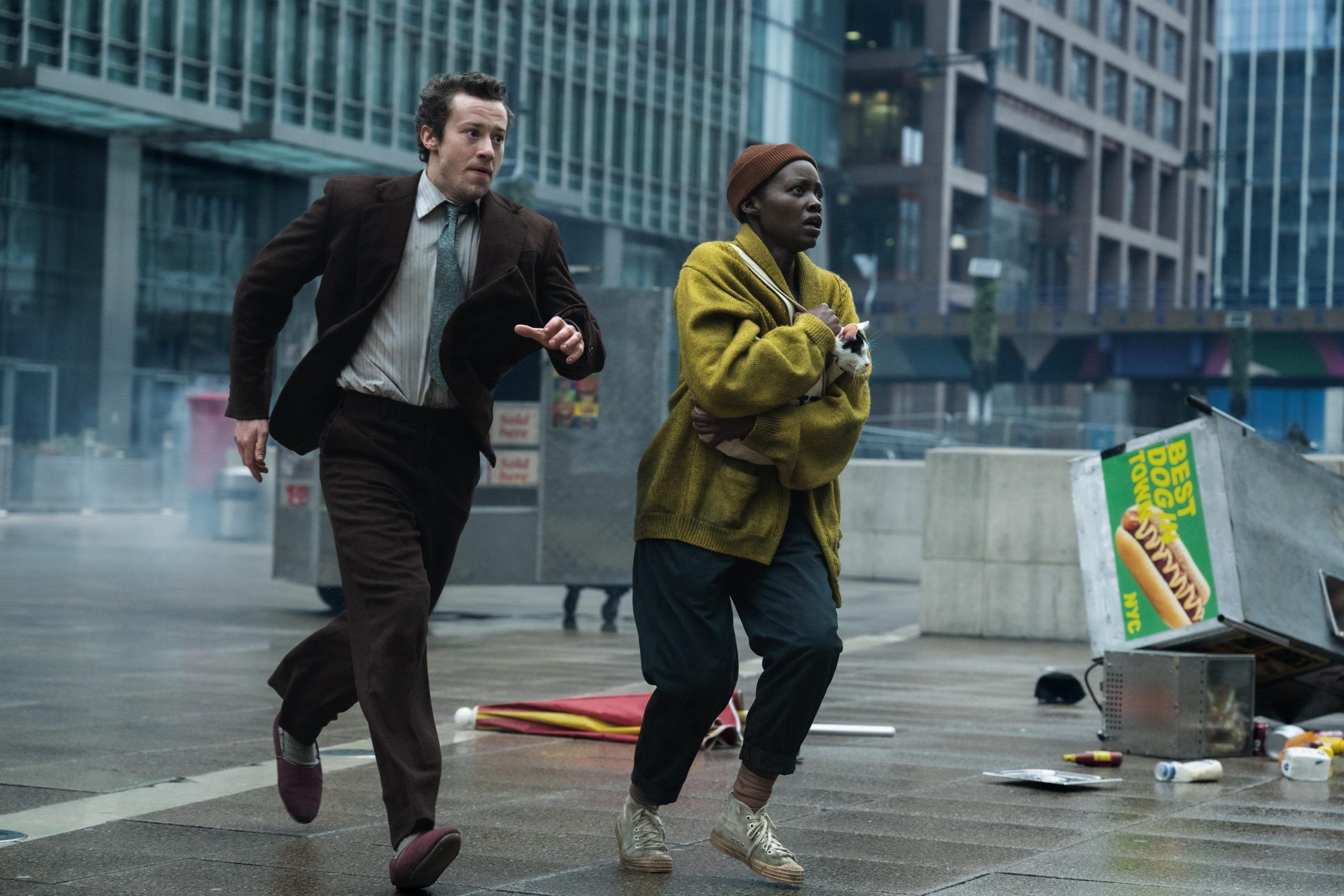
During her trek across Manhattan, Samira encounters Eric (Joseph Quinn), an English law student who is paralyzed by panic following the destruction of the city. Eric clings to Samira and Frodo, seeking emotional stability in an environment where a single gasp or footstep can lead to immediate death.
Their bond shifts the film's narrative tone from pure survival horror to a tender story of shared humanity. Eric initially follows Samira out of fear and desperation, but as he learns of her illness and her objective, his motive shifts toward helping her complete her journey.
- Samira (Terminally Ill Poet)
- Connected to Frodo the Cat via Emotional Support & Feline Companion
- Connected to Eric via Shared Objective & Mutual Protection
- Frodo the Cat and Eric
- Connected via Co-dependence in Urban Silence
Frodo the cat plays a crucial role throughout the film:
- Narrative Anchor: Frodo acts as a quiet companion that brings Samira and Eric together.
- Tension Driver: The cat naturally strays into hazardous, sound-sensitive areas, forcing the characters to react quickly to avoid detection.
- Symbol of Grace: Remarkably composed throughout the trauma, Frodo represents comfort and resilience amid urban destruction.
During a severe thunderstorm, Samira and Eric experience a vital breakthrough. Realizing that the natural sound of thunder drowns out human vocalizations, they stand outside and scream together into the storm. This scene offers a rare emotional release, allowing them to vent their terror, grief, and physical pain without attracting the creatures.
Comparative Breakdown: Day One vs. Mainline Films
A Quiet Place: Day One differs significantly in structure, setting, and core motivation from the original entries directed by John Krasinski.
| Narrative Element | A Quiet Place (2018) & Part II (2020) | A Quiet Place: Day One (2024) |
|---|---|---|
| Primary Setting | Rural Upstate New York (Farms, abandoned towns) | Dense Metropolitan Environment (Manhattan streets, subways) |
| Core Goal | Long-term family survival, establishing defensive systems | Short-term personal closure, reclaiming individual agency |
| Protagonists | The Abbott Family (Cohesive family unit with specialized signs) | Samira & Eric (Strangers brought together by circumstance) |
| Alien Context | Established post-apocalyptic world; creatures scattered | Initial invasion phase; dense creature swarms crashing in meteors |
| Key Physical Asset | High-frequency hearing aid (Conscious weaponization) | Ambient environmental noise (Rain, thunder, water flow) |
| Tone & Genre | Suspense Thriller / Family Survival Drama | Psychological Drama / Apocalyptic Character Study |
The Ending Explained: Samira’s Ultimate Choice
The climax of Day One occurs when Samira and Eric finally reach Harlem. Upon arriving at Patsy’s Pizzeria, they discover the building has been destroyed in an earlier attack, leaving Samira crushed by the loss of her goal.
Eric refuses to let the trip end in failure. He guides Samira to a neighboring jazz club that her father used to frequent. Leaving her safely inside, Eric treks to a nearby intact pizzeria, retrieves a fresh pie, and uses a marker to write "Patsy's" on the inside lid. He also retrieves a box of card tricks he had mentioned earlier, performing for her while they eat. This gesture gives Samira her intended moment of peace, joy, and remembrance.
- Harlem Arrival
- Patsy's Pizzeria Destroyed
- Transition to Nearby Jazz Club
- Eric Retrieves Pizza & Improvises Label
- Shared Moment of Peace & Joy
- Final Evacuation Trek to Dockside
The Evacuation Strategy
Shortly after, creature activity in Harlem escalates, forcing them toward the river dock where an evacuation ferry is taking on survivors. Samira recognizes that she cannot survive long-term without her medical treatments and that traveling with Eric might compromise his chances of reaching safety.
As they near the harbor under heavy rainfall, creatures block the path to the ferry. Samira makes a deliberate choice to ensure Eric and Frodo escape:
- She slips away from Eric, taking his yellow raincoat to stand out.
- She hands Frodo's carrier to Eric, silently signaling him to run for the boat.
- She runs in the opposite direction toward a line of parked cars, smashing a car window and turning the vehicle's car stereo up to maximum volume.
- The sudden loud music attracts every nearby creature away from the harbor dock.
Eric leaps into the river with Frodo and is pulled aboard the evacuation vessel by survivors. On board, he finds a note Samira slipped into his pocket, thanking him for his companionship and asking him to care for Frodo.
- Samira Distracts Swarm with Car Stereo
- Creatures Rush Car
- Eric & Frodo Jump into River
- Pulled Aboard Ferry safely
The Final Scene: Dying on Her Own Terms
The movie concludes with Samira walking down the center of an empty, silent Manhattan street. She wears her iPod headphones, selecting Nina Simone’s iconic rendition of "Feeling Good."
As the track plays, Samira reflects on her journey, her father, and the agency she maintained until the very end. Standing in the middle of the street, she pauses, takes a deep breath, and unplugs her headphones from the iPod. The soul music blares loudly into the silence of the city. Behind her, the shadow of a creature descends instantly from a rooftop. Samira closes her eyes and smiles, having chosen the exact time, place, and manner of her death, refusing to let either her terminal disease or the alien monsters dictate her final moments.
- Final Sequence
- Samira walks silent NYC street
- Listens to Nina Simone's "Feeling Good"
- Unplugs headphones; audio floods street
- Chooses death on her own terms
Key Themes: Agency, Grief, and Finding Solace in Silence
A Quiet Place: Day One shifts away from the standard survival-at-all-costs narrative common in apocalyptic cinema. Instead, director Michael Sarnoski uses the setting to explore several core themes:
Reclaiming Autonomy in Terminal Illness
For Samira, the alien apocalypse is secondary to her existing terminal diagnosis. Her trajectory highlights the psychological importance of agency. While society focuses on physical self-preservation during a crisis, Samira prioritizes spiritual and emotional fulfillment. Reaching Harlem is an expression of control when every other aspect of her life—her health, her environment, and her future—has been stripped away.
Human Connection Without Words
The forced silence of the world amplifies the emotional weight of small interactions. Samira and Eric build a deep, protective bond over the course of 48 hours without extensive verbal dialogue. Shared eye contact, silent physical support, and gestures—such as Eric writing "Patsy's" on a generic pizza box—demonstrate how empathy functions even when vocal communication is removed.
The Role of Art and Memory
Throughout the film, art serves as a anchor for humanity:
- The Marionette Show: A theatrical performance offers a fleeting moment of wonder to a room full of adults and children right before catastrophe strikes.
- Jazz Music: Represents Samira's connection to her father and her happiest childhood memories.
- Nina Simone’s Music: The final song choice framing her ending transforms a potential horror scene into a triumphant assertion of personal choice.
Frequently Asked Questions
Does Samira survive at the end of A Quiet Place: Day One?
No, Samira does not survive. Having successfully helped Eric and her cat Frodo board an evacuation boat, Samira willingly reveals her location to the creatures in the final scene by unplugging her headphones while playing Nina Simone's "Feeling Good," choosing to die on her own terms.
Why were the aliens unable to attack the evacuation boats?
The alien creatures in the A Quiet Place universe cannot swim. Their high body density and lack of buoyancy cause them to sink rapidly and drown in deep water. As a result, the military organized evacuations using boats, ferries, and barges along the Hudson and East Rivers.
What is the significance of Nina Simone's song at the end?
The song "Feeling Good" by Nina Simone symbolizes liberation, peace, and personal freedom. By playing this song out loud in the middle of Manhattan, Samira celebrates regaining absolute control over her life and legacy, transforming her final moments into an assertion of agency rather than an act of defeat.
Is A Quiet Place: Day One a direct prequel to the Abbott family story?
Day One is a spin-off prequel set within the same continuity as A Quiet Place (2018) and A Quiet Place Part II (2020). While it shows the initial hours of the global alien invasion, it takes place in New York City with new characters, featuring only a brief appearance by Djimon Hounsou’s character, Henri, to connect the films.
How does Frodo the cat manage to stay quiet throughout the movie?
Frodo is trained as a professional service animal for a terminally ill patient, making him naturally calmer and less prone to vocalizing than typical house cats. Additionally, the film highlights that animals in nature quickly adapt to sudden environmental threats by remaining silent to survive.
How to Contextualize Day One Within the Broader Franchise
To fully understand how A Quiet Place: Day One fits into the overall franchise narrative, viewers should analyze the film alongside the main series entries:
- Watch A Quiet Place Part II (Opening Sequence): Observe the initial invasion from the perspective of small-town Upstate New York to contrast the immediate chaos of rural America with the dense urban collapse shown in Day One.
- Track the Character of Henri (Djimon Hounsou): Note Henri's presence in Day One prior to his appearance as the leader of the island sanctuary community in Part II, establishing how early evacuation efforts succeeded in saving groups of survivors.
- Examine the Evolution of Alien Lore: Notice how Day One establishes creature weaknesses early on—specifically their inability to navigate deep water—which directly explains the formation of the island community seen in Part II.
By shifting the focus from physical survival to emotional closure, A Quiet Place: Day One demonstrates that even during a total collapse of human civilization, personal meaning and human connection remain essential.