Prison infrastructure encompasses the complex physical, electronic, and logistical framework necessary to house incarcerated populations while maintaining site security, safety, and operational continuity. It integrates architectural design, perimeter defense systems, utility management, and specialized technology to balance the mandates of secure confinement with human rights and facility efficiency.
Architectural Design and Functional Zoning
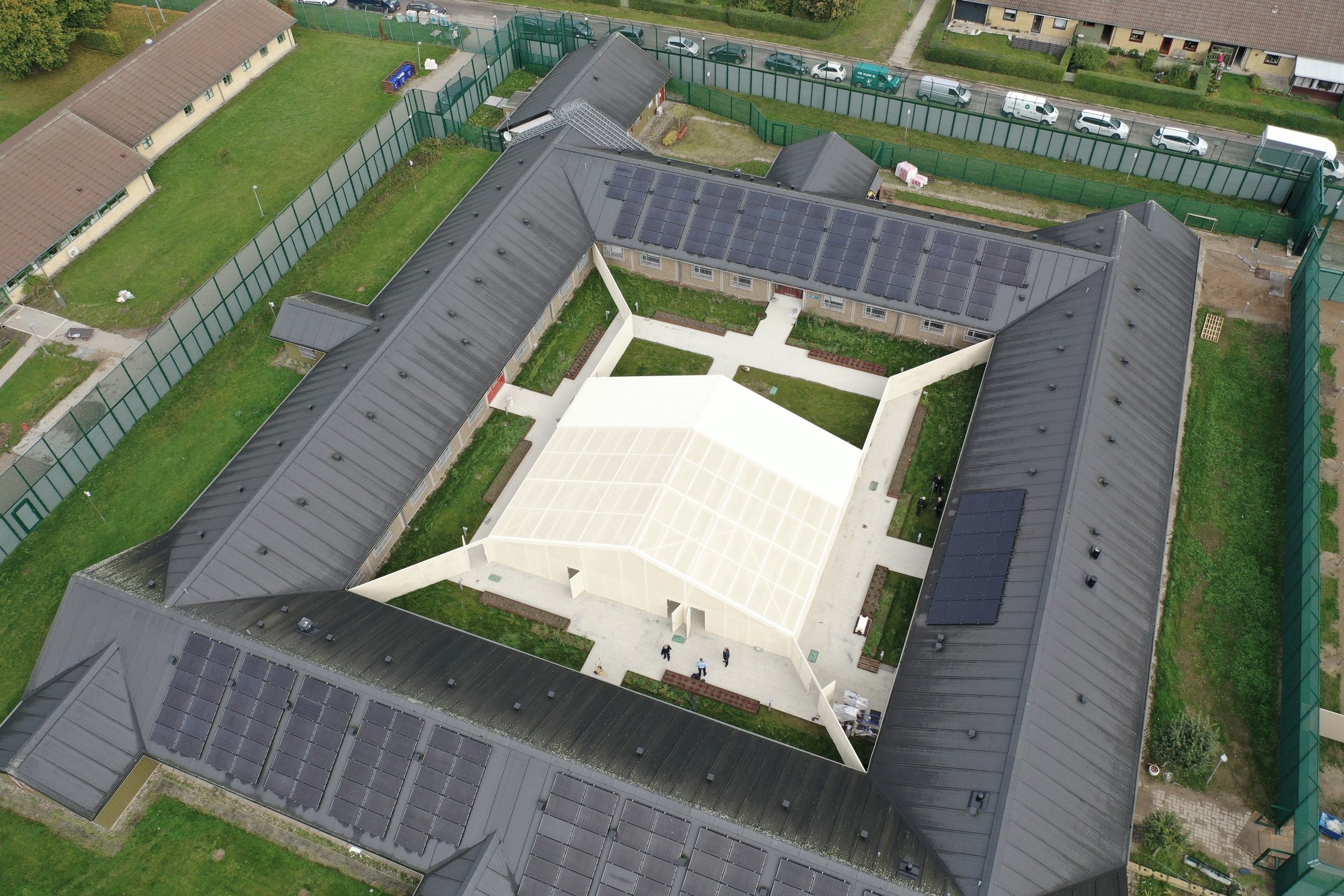
The primary objective of prison infrastructure is the creation of a secure environment that effectively separates different populations based on security classifications. Modern design practices prioritize "podular" or unit-based layouts over older, linear configurations. In a podular design, inmate housing units are organized around a central control point, allowing for constant supervision and reducing the potential for uncontrolled movement within the facility.
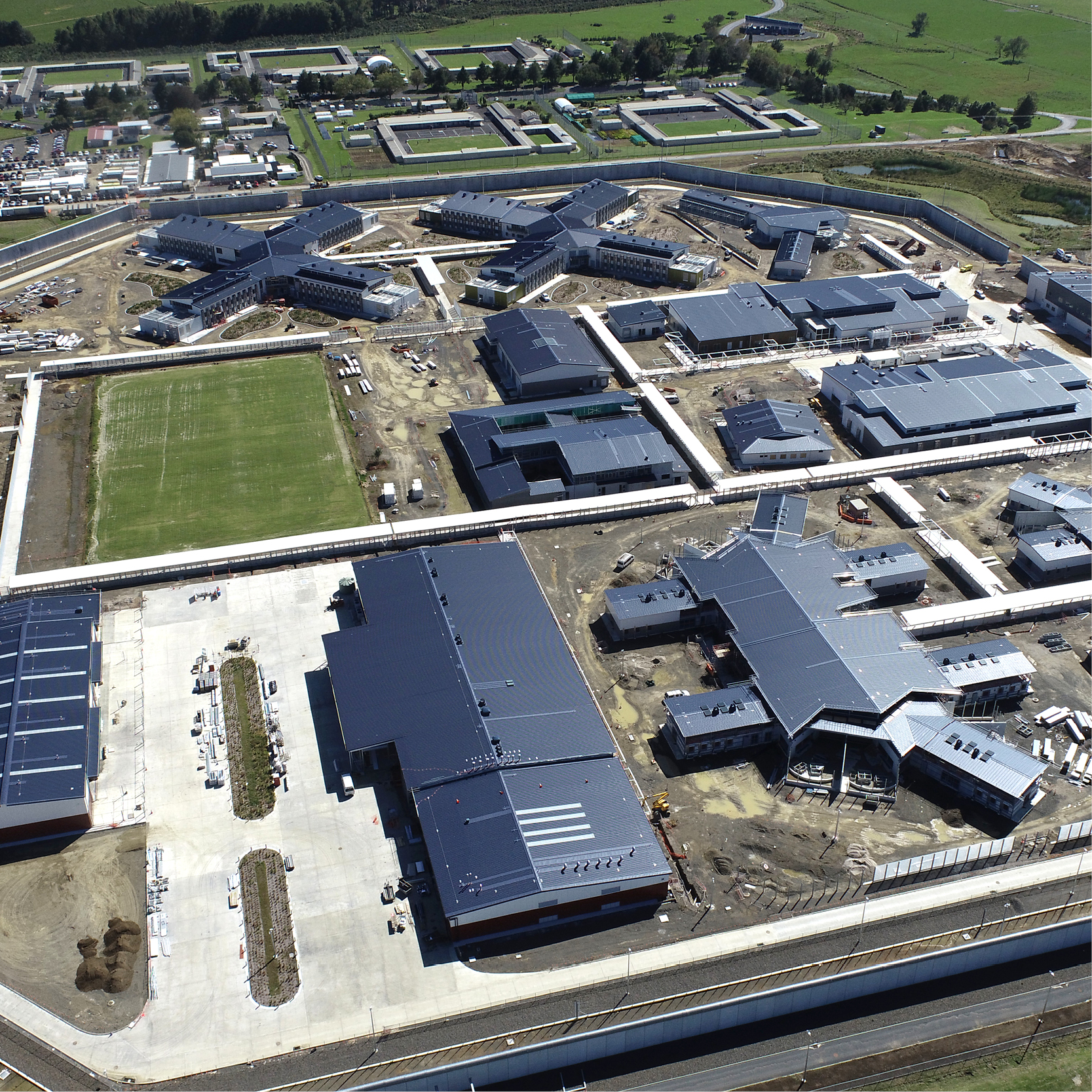
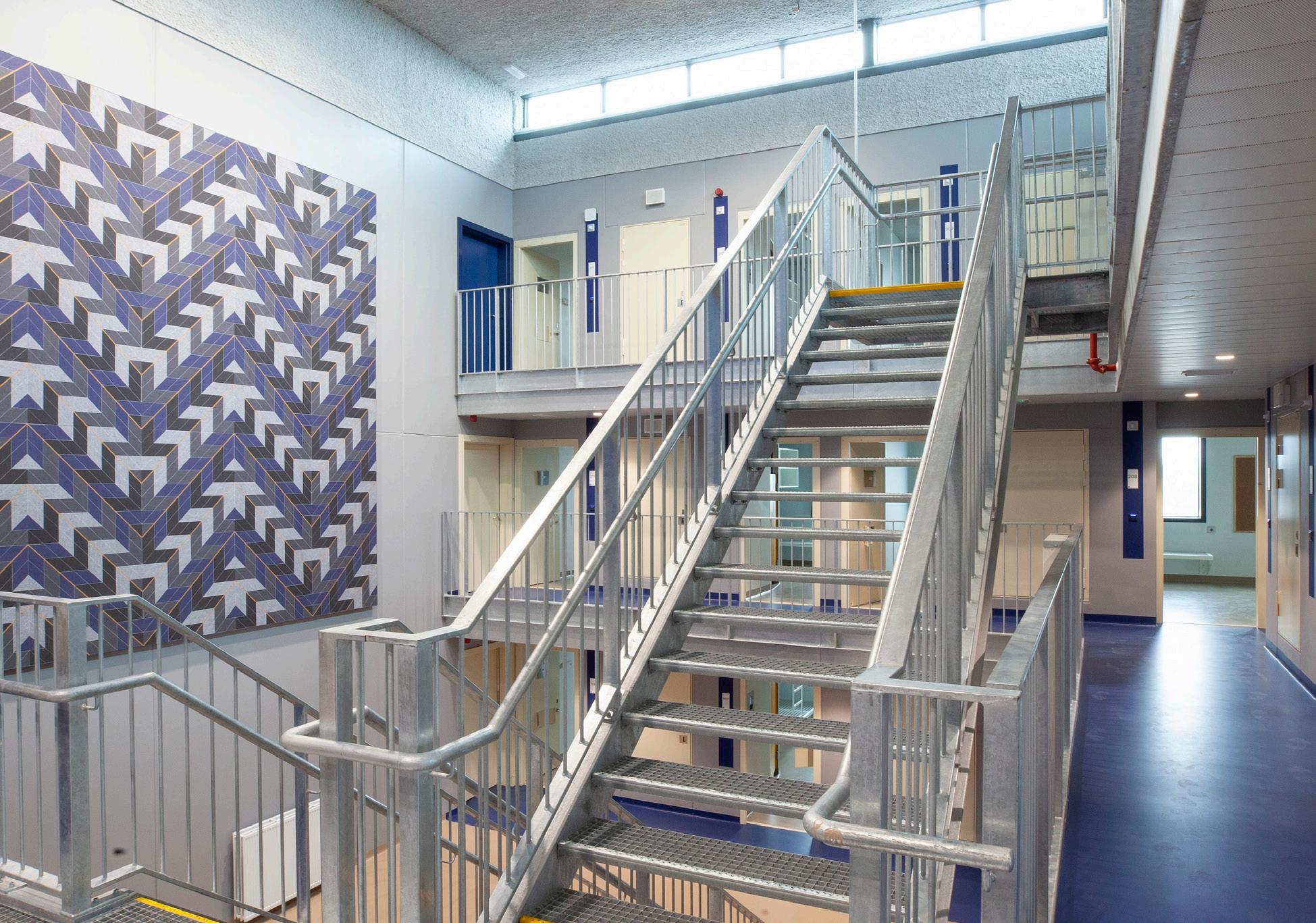
Effective infrastructure planning requires clear demarcation between high-security areas (like intake, segregation, and administrative segregation) and medium-to-minimum security housing. Circulation paths are designed to minimize conflict points, ensuring that the movement of inmates—whether for recreation, work, or clinical appointments—does not compromise the safety of staff or the integrity of the perimeter. Architects must also account for natural lighting and ventilation, as modern standards increasingly emphasize that the physical environment directly influences behavioral outcomes and facility stability.
Perimeter Security and Access Control
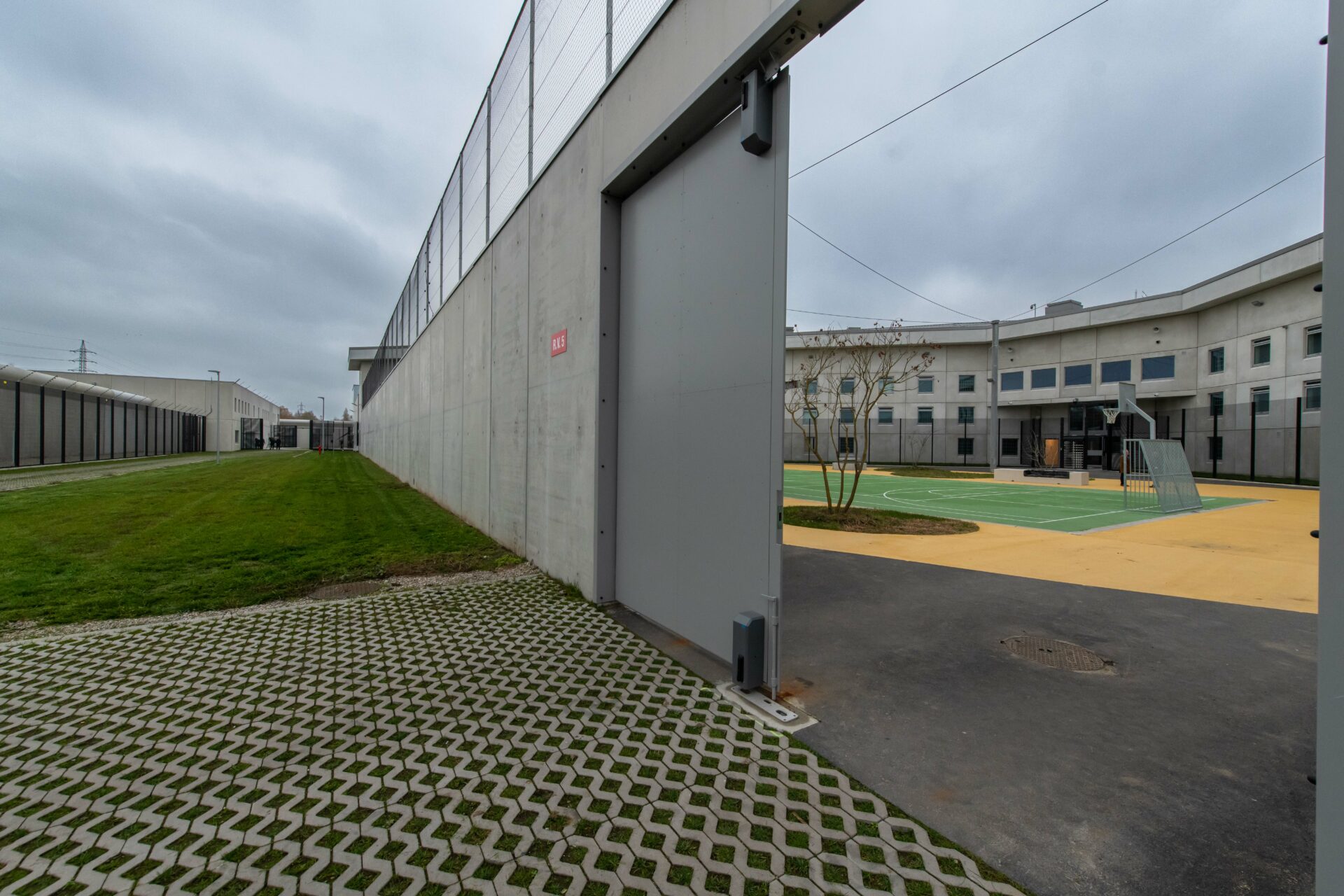
Perimeter infrastructure serves as the primary barrier against unauthorized egress and external intrusion. In contemporary facilities, this is rarely a single component but rather a "layered defense" strategy. A standard robust perimeter includes a primary fence or wall, often equipped with tension wire or vibration-detection sensors, followed by a sterile zone—a clear area free of vegetation or obstructions—and a secondary electrified or motion-detecting barrier.
Access control systems are the nervous system of this infrastructure. Biometric scanners, interlocked sally ports (double-gated entrances), and integrated video management systems (VMS) allow staff to monitor and restrict movement between sectors. In 2026, the integration of AI-assisted surveillance software provides real-time alerts for anomalous movement patterns, significantly reducing the response time required for localized incidents. The maintenance of these digital systems is as critical as the structural integrity of the walls; power redundancy, such as uninterrupted power supply (UPS) units and backup generators, is a mandatory requirement to ensure these systems remain operational during grid outages.
Utility Management and Life Support Systems
A correctional facility is essentially a self-contained municipal system. Infrastructure managers must account for water supply, sewage treatment, waste management, and climate control, all while ensuring that these systems cannot be weaponized or tampered with by inmates.
- Plumbing and Sanitation: Fixtures must be vandal-resistant and tamper-proof. Infrastructure design must prevent the flooding of cells or the disposal of contraband through plumbing systems.
- HVAC and Air Quality: Maintaining appropriate temperatures is a regulatory requirement. Ductwork must be designed to prevent communication between cells, which could facilitate the spread of smoke in a fire or the passing of prohibited items.
- Power Distribution: Correctional facilities require high-density power distribution to run security systems, lighting, and industrial-scale kitchens. Decentralizing the electrical grid within a facility prevents a total system failure if one area is compromised.
Comparative Analysis of Infrastructure Components
The following table summarizes the core components of modern prison infrastructure and their primary operational functions within the facility.
| Component Type | Infrastructure Element | Primary Function | Maintenance Priority |
|---|---|---|---|
| Physical | Sally Ports | Controlled entry/exit movement | High (Mechanical/Electronic) |
| Electronic | VMS (Video Management) | Real-time surveillance | Medium (Software/Storage) |
| Environmental | HVAC Systems | Climate and fire smoke control | High (Airflow/Safety) |
| Structural | Perimeter Sensors | Unauthorized breach detection | High (Calibration/Testing) |
| Utility | Tamper-proof Plumbing | Sanitation and contraband prevention | Low (Scheduled inspection) |
Life Safety and Emergency Preparedness
Infrastructure must account for extreme contingencies, specifically fire suppression and emergency evacuation. In a prison setting, "evacuation" is a complex logistical process due to the need to maintain security while moving large numbers of people. Fire suppression systems—such as specialized sprinkler heads that cannot be used as ligature points—are mandated by strict safety codes.
Furthermore, emergency exit pathways must be designed to withstand high-stress environments. Manual override controls for electronic door locks are required by fire safety regulations, allowing staff to quickly release doors in the event of a total system failure. These manual systems undergo rigorous, documented testing schedules to ensure that they function immediately when needed, as a failure during an emergency can have catastrophic consequences for life safety.
Maintenance and Lifecycle Planning
Prison infrastructure is subject to constant wear and tear, compounded by the presence of a population that may intentionally damage fixtures. Consequently, lifecycle planning is significantly more aggressive than in commercial real estate. Infrastructure managers typically utilize a computer-aided facility management (CAFM) system to track the service life of every component, from high-security lock tumblers to exterior fence sensors.
Preventative maintenance is the cornerstone of operational stability. When a sensor is flagged for degradation, it must be replaced during a pre-planned cycle rather than waiting for a failure. This approach minimizes the risk of "security gaps" created by broken equipment. Furthermore, as technology matures, facilities must periodically evaluate the feasibility of "system hardening"—upgrading existing analog systems to digital or networked solutions—to remain compliant with evolving security standards.
Addressing Technological Obsolescence and Upgrades
The rapid pace of technological development presents a recurring challenge for facility managers. Systems installed a decade ago may lack the compatibility required for modern cybersecurity protocols. Upgrading prison infrastructure involves not just the installation of new hardware, but the integration of legacy mechanical systems with modern, software-driven interfaces.
When upgrading, planners must conduct a "gap analysis" to determine if the existing physical footprint supports the new technology. For example, installing high-definition camera arrays may necessitate an upgrade to the facility’s internal fiber-optic cabling infrastructure. Budgeting for these upgrades requires a long-term capital expenditure strategy that prioritizes security and safety-critical systems above aesthetic or comfort-related improvements.
Frequently Asked Questions (FAQ)
What defines "hardened" infrastructure in a correctional setting?
Hardened infrastructure refers to systems, materials, and designs that are resistant to intentional tampering, destruction, or unauthorized modification. This includes the use of security-grade steel, reinforced concrete, and tamper-evident fasteners, as well as electronic systems that fail-safe (remain secure) rather than fail-open during a power loss.
How do facilities handle water and sewer maintenance in secure zones?
Maintenance in secure zones is handled through "chase" corridors—separate, restricted-access hallways that run behind cell walls. These corridors allow technicians to perform repairs on plumbing, electrical, and HVAC components without entering the inmate housing unit, thereby maintaining security and protecting the technicians.
Why is modular construction increasingly used for new prison wings?
Modular construction allows for off-site fabrication of housing units, which ensures high-quality control and strict adherence to security specifications. This method significantly reduces the construction timeline and minimizes the presence of construction workers and materials within a secure facility, thereby reducing security risks.
Are there specific fire safety requirements for prison facilities?
Yes. Regulations typically require specialized fire suppression that minimizes water damage while maximizing fire containment. Additionally, all components used in fire safety must be ligature-resistant and capable of withstanding physical abuse, as standard commercial hardware would be quickly destroyed or manipulated in a correctional environment.
What is the typical service interval for security-critical infrastructure?
Critical components like electronic locks, perimeter fence sensors, and gate mechanisms are generally inspected on a weekly or monthly basis. "Critical failure" parts are usually replaced on a pre-defined schedule regardless of their current functional state to ensure that hardware does not fail during a high-stakes moment.
Next Steps for Infrastructure Management
Facility administrators and security managers should begin by conducting a comprehensive facility-wide audit of all security and life-support assets. This audit should categorize items by "criticality" and "remaining service life." Following the audit, establish a multi-year capital improvement plan that sequences upgrades based on immediate safety risks. If specific subsystems, such as perimeter sensors or sally port mechanics, show high failure rates, prioritize these for immediate replacement or hardening to ensure the ongoing integrity of the prison’s security posture.