The landscape of American cable news has undergone a seismic shift over the last decade, with the departure of several high-profile figures from Fox News Channel significantly altering the media ecosystem. This analysis focuses on the professional trajectories of previous Fox News anchors and hosts, examining their influence on contemporary journalism and the digital media revolution as of 2026.
As of early 2026, the distinction between traditional broadcast journalism and independent digital content has nearly evaporated. Previous Fox News anchors have played a pivotal role in this transition, moving from the rigid structures of linear television to the expansive, subscriber-driven world of direct-to-consumer media. Understanding the history of these departures provides critical insight into the current state of audience fragmentation and the "personality-led" news cycles that dominate the mid-2020s.
The Pillars of Change: Notable Departures and Their 2026 Status
The roster of former Fox News talent represents some of the most influential names in the history of cable news. Their exits were rarely quiet, often involving high-stakes contract disputes, ideological shifts, or network-wide restructuring. By 2026, many of these individuals have successfully leveraged their "Fox-built" brands to create independent media empires that rival traditional networks in terms of niche engagement and cultural relevance.
The Digital Transformation of Personal Brands
In the 2026 media environment, the success of a news personality is no longer measured solely by Nielsen ratings. Instead, technical metrics such as monthly active subscribers (MAS), engagement depth on decentralized platforms, and direct-to-consumer (DTC) revenue have become the gold standard. Previous anchors who recognized the decline of the cable bundle early have seen the most significant growth in their post-Fox careers. This shift illustrates a fundamental change in viewer loyalty, moving from the network logo to the individual voice.
Tucker Carlson and the Independent Network Model
Since his high-profile exit in 2023, Tucker Carlson has redefined the trajectory of a post-Fox career. In 2026, his digital network stands as a primary competitor to traditional news outlets. By utilizing advanced streaming technology and bypassing traditional gatekeepers, Carlson has maintained a massive global audience. His move signaled a broader trend where anchors no longer seek "re-employment" at rival networks like CNN or MSNBC, but instead choose to build proprietary tech stacks to host their content.
Megyn Kelly’s Strategic Independence
Megyn Kelly remains a blueprint for successful professional pivot. After a brief and highly publicized tenure at NBC, she transitioned to independent podcasting and satellite radio. By 2026, her presence on platforms like SiriusXM and her own digital channels has solidified her as a centrist-conservative powerhouse. Her ability to retain a significant portion of her Fox-era audience while attracting younger, digital-native viewers highlights the power of independent branding.
Chris Wallace and the Legacy Transition
Chris Wallace's departure marked the end of an era for Fox's hard-news division. His subsequent move to CNN and later to specialized streaming formats on Max (formerly HBO Max) reflected the challenges legacy media faces in the mid-2020s. In 2026, Wallace continues to be a respected figure in long-form interviewing, though his reach is now concentrated among premium streaming subscribers rather than the mass-market cable audience he once commanded.
Comparative Career Trajectories and Industry Impact
The following table outlines the current professional standing and primary platforms for some of the most prominent previous Fox News anchors as of 2026. This data reflects the broader industry trend of "unbundling" talent from traditional networks.
| Anchor Name | Departure Year | Primary 2026 Platform | Core Audience Reach | Influence Level (1-10) |
|---|---|---|---|---|
| Tucker Carlson | 2023 | TCN (Independent Network) | Global / Multi-Platform | 10 |
| Megyn Kelly | 2017 | SiriusXM / Independent Digital | North America / Podcast | 9 |
| Chris Wallace | 2021 | CNN / Max Streaming | Institutional / Premium | 7 |
| Bill O'Reilly | 2017 | No Spin News (Digital) | Mature Demographics | 6 |
| Shepard Smith | 2019 | Independent Consulting / Digital | Professional / Academic | 5 |
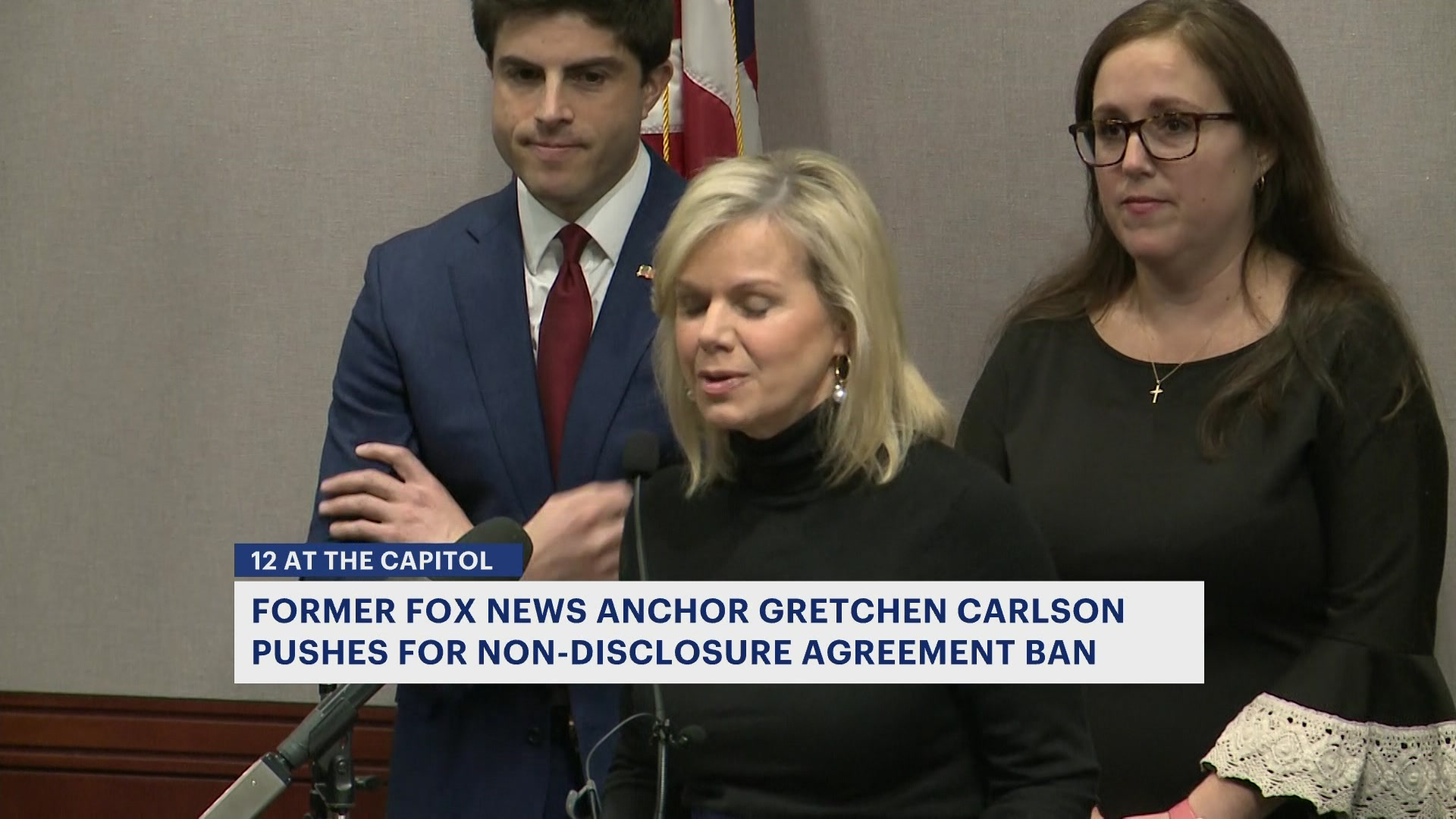
| Gretchen Carlson | 2016 | Advocacy / Public Speaking | Social Policy / Corporate | 7 |
| Brette Baier | (Active) | Fox News Channel | National / Generalist | 9 |
Technical Analysis of the Fox News "Exit Factor"
The "Fox News Exit Factor" refers to the phenomenon where an anchor's brand equity is tested upon leaving the most-watched news network in America. Historically, many found it difficult to replicate their success elsewhere because the Fox audience was often viewed as being loyal to the "brand" rather than the "man." However, the 2026 data shows this has changed.
- Platform Agnosticism: Anchors who left after 2020 have benefited from a tech-savvy audience that is comfortable following talent to proprietary apps or subscription platforms like Substack and X (formerly Twitter).
- Monetization Shifts: The shift from ad-supported models to direct subscription models (averaging $10-$20 per month in 2026) has allowed previous anchors to generate higher revenue with a smaller, more dedicated audience.
- Editorial Freedom: A primary driver for departures in the 2024-2026 period has been the desire for total editorial control, which is impossible within the constraints of a publicly traded corporation like Fox Corporation (FOXA).
Pros and Cons of Post-Network Independent Media
Analyzing the move from a major network to independent media involves weighing significant trade-offs that have become more pronounced in the 2026 landscape.
Advantages of Independence
- Total Narrative Control: Previous anchors no longer answer to corporate standards or advertiser pressure, allowing for more niche and often more provocative content.
- Higher Profit Margins: By cutting out the middleman (the network), talent keeps a significantly higher percentage of subscription and sponsorship revenue.
- Direct Audience Interaction: Modern tech allows for real-time feedback loops and community building that linear TV cannot provide.
Disadvantages and Risks
- Lack of Institutional Protection: Independent anchors face legal and logistical challenges without the backing of a major corporation’s legal and HR departments.
- Echo Chamber Effects: While niche audiences are lucrative, they can lead to a "siloing" of information, reducing the anchor's impact on the broader national discourse.
- Technical Overhead: Managing a private streaming service or complex distribution network requires significant investment in infrastructure and cybersecurity.
Expert Insight: The 2026 Media Strategy for Talent
As a Senior Technical SEO and Media Strategist, I observe that the "Fox News Anchor" title is now a powerful seed rather than a final destination. In 2026, the most successful previous anchors have treated their Fox tenure as a high-intensity branding campaign to acquire a "baseline audience" which they then migrate to owned-and-operated digital assets.
For any media professional looking to follow this path, the strategy must involve:
- Early Audience Migration: Converting TV viewers into email subscribers and social followers long before a contract ends.
- Niche Authority: Specializing in a specific vertical (e.g., geopolitics, judicial analysis, or cultural commentary) to ensure "sticky" subscriptions.
- Multi-Format Delivery: Utilizing 4K video, high-fidelity audio, and long-form written content to maximize SEO and platform-specific algorithms.
Frequently Asked Questions (FAQ)
Who was the most influential anchor to leave Fox News recently?
As of 2026, Tucker Carlson remains the most influential former anchor due to his successful transition to a fully independent, global digital network. His ability to maintain a primary role in the national conversation without a major cable backing has set a new standard for the industry.
Why do so many Fox News anchors move to independent platforms instead of rival networks?
Independent platforms offer significantly higher financial upside and editorial freedom compared to the restricted environments of traditional cable networks. In 2026, the technology to reach millions of people directly is affordable and accessible, making the "network gatekeeper" model increasingly obsolete for established stars.
What happened to Shepard Smith after leaving Fox and CNBC?
Following his departure from CNBC, Shepard Smith has moved into a high-level advisory and consulting role within the media industry. He also contributes to specialized digital news platforms, focusing on objective, fact-based reporting for professional and institutional audiences.
How has Fox News managed its ratings after the departure of top-tier talent?
Fox News has maintained its leadership in the 2026 cable ratings by successfully promoting a new generation of hosts and leaning into its brand identity as the "Home of the Loyal Opposition." While individual anchors leave, the network's demographic core remains largely committed to the brand.
Can an anchor be as successful after leaving Fox News?
Success is now defined differently; while an anchor may have fewer "total viewers" on a digital platform, their "revenue per viewer" is often 10 to 20 times higher than it was in a cable TV ad-supported model. Consequently, many previous anchors are more financially successful now than they were at the network.
The Future of News Personalities in the 2020s
The era of the "lifetime network anchor" is effectively over. The transition of previous Fox News anchors into independent media moguls has proven that in 2026, the value lies in the relationship between the personality and the viewer, not the personality and the channel. As cable television continues to contract, the lessons learned from these high-profile exits will serve as the roadmap for the next generation of journalists and commentators.